
Yes—but only after sample validation confirms that 360 Privacy Glass performs consistently on the phone models you intend to sell. Its specified material stack and four-way privacy design make it a relevant mobile tempered glass recommendation for privacy-focused assortments, but buyers should verify fit, viewing performance, touch response, and installation output before approving a bulk order.
The Validation Decision for Buyers
The product uses 0.33 mm high-alumina glass, 28° four-way privacy antistatic AB adhesive, an 80cc curvature, and an electroplated fingerprint-resistant coating. These details provide a clear basis for sampling, but specifications alone do not confirm compatibility with every target model.
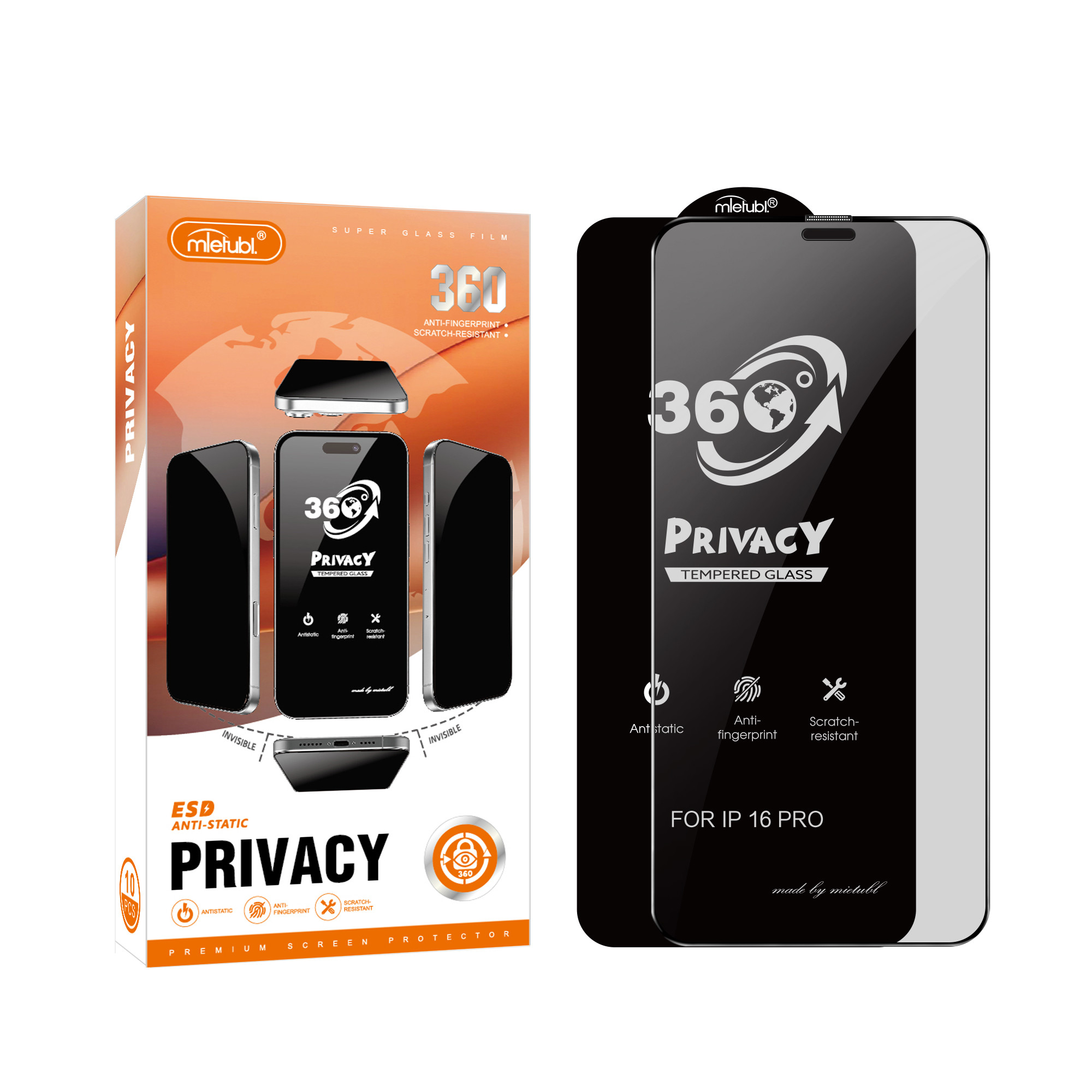
- Test representative models: Include different screen sizes and edge geometries from the intended assortment.
- Check all four directions: Privacy output should be assessed from the left, right, above, and below.
- Protect the front-view experience: Confirm acceptable brightness, color appearance, and screen clarity.
- Define installation acceptance: Record bubble, edge-lift, alignment, and removal observations.
Validate Material Compatibility by Phone Model
Material compatibility should be assessed as a complete stack rather than by glass thickness alone. The interaction among the 0.33 mm glass, antistatic AB adhesive, 80cc curvature, screen geometry, and installation process determines whether a sample is commercially acceptable.
Build the sample set around the actual model list planned for purchase. For each model, inspect edge alignment, full-surface adhesion, cutout positioning, and any visible lifting after installation. Buyers should not approve one model and assume identical output across the complete assortment. If customized packaging or OEM/ODM work is required, the physical sample and its model identification should also match the approved packaging data.
Use Representative Samples to Test Privacy Output
The stated buyer value is 360° four-way privacy, blocking views from above, below, left, and right while retaining a clear front view. Sample testing should therefore cover every viewing direction rather than relying on a single side-angle demonstration.
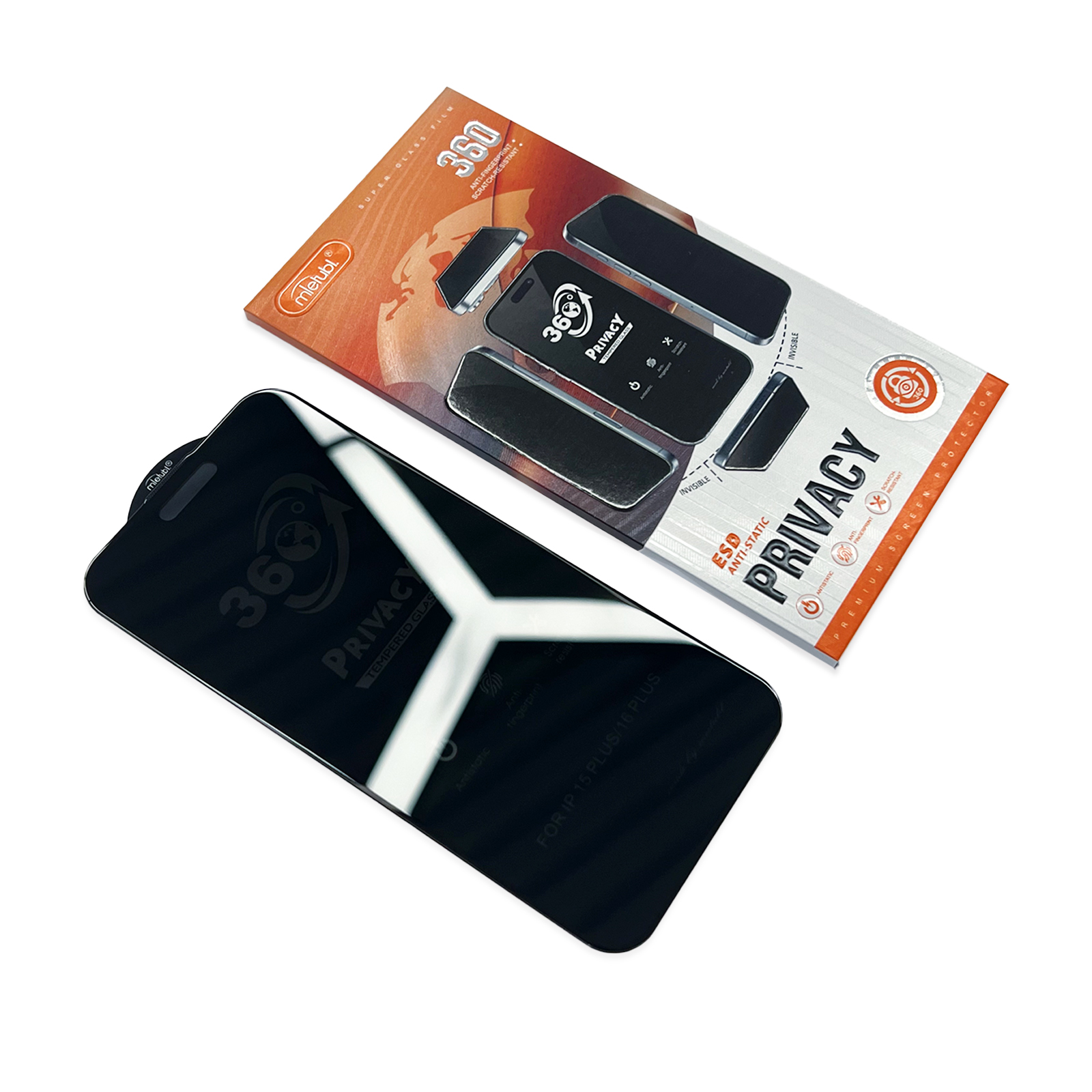
Keep screen brightness, displayed content, viewing distance, and observer position consistent during evaluation. Use text, photographs, and high-contrast interface elements to make differences easier to identify. The pass standard should balance privacy with usability: side views should obscure content as required, while direct viewing should remain acceptably bright and natural for the buyer’s market.
Because the product specifies a 28° privacy angle, the acceptance record should state how that output was evaluated instead of using vague descriptions such as “good privacy.”
Set Output Acceptance Before Bulk Approval
Installation and functional checks should be completed on multiple samples, not just the best-looking piece. The approved selling points include antistatic, anti-bubble application, firm adhesion, clean removal, responsive touch, and continued Face ID use. Treat these as validation targets and document the observed result for each sampled model.
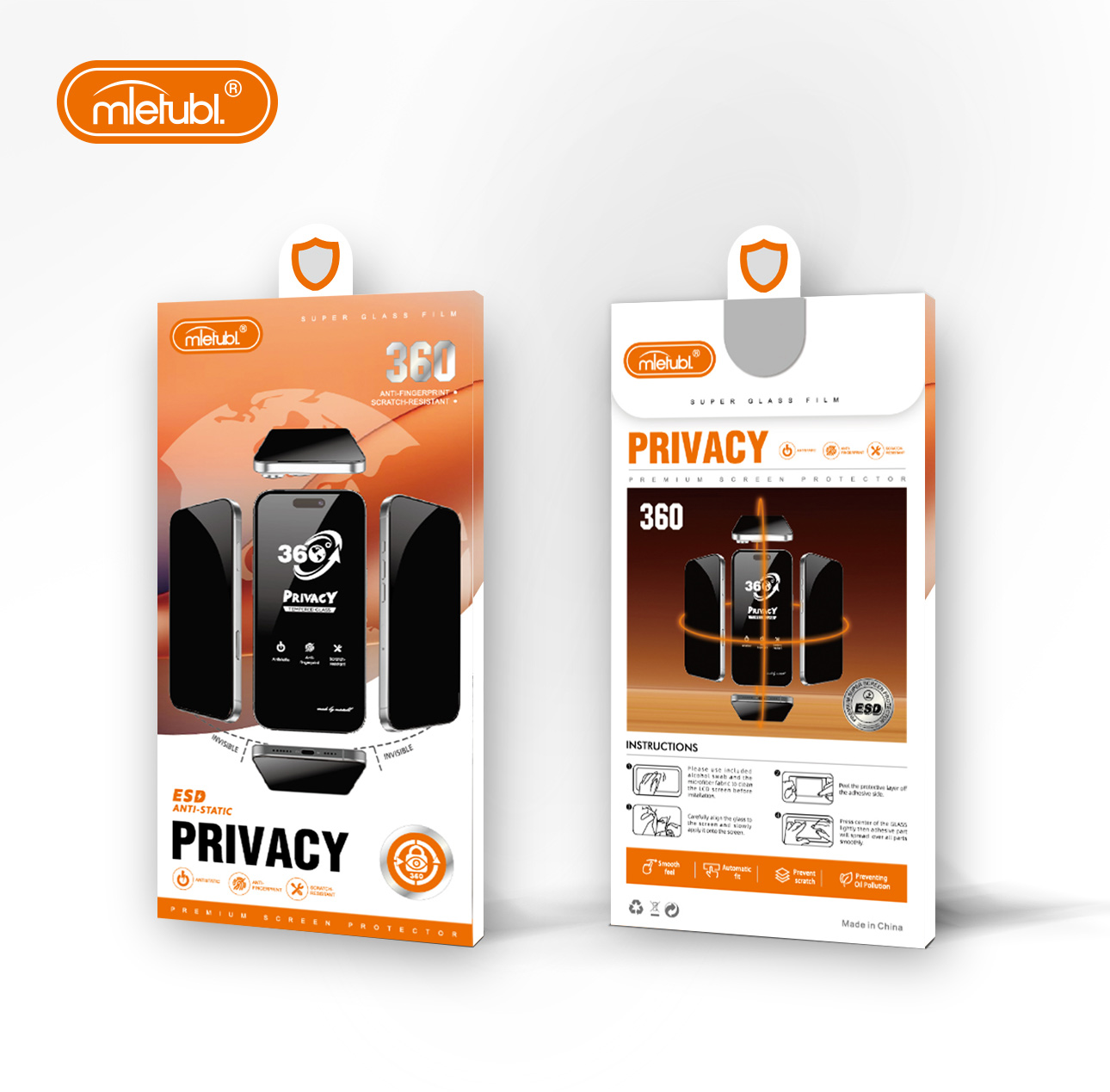
A practical acceptance sheet can record alignment, dust pickup, bubble evacuation, edge condition, touch response, front-view clarity, four-direction privacy, fingerprint visibility, Face ID operation where applicable, and adhesive residue after removal. The stated quality inspection method is GB/T2828.1; buyers should confirm the inspection level, sampling plan, and defect classifications to be used for their order before production acceptance.
Common Questions
Can one approved sample represent every phone model?
No. Differences in dimensions, edge geometry, and installation conditions may affect fit and adhesion. Buyers should select samples that represent the actual model mix.
What is the most important privacy-glass acceptance test?
Test privacy from all four directions while also checking direct-view clarity. A sample should not be accepted solely because it blocks one side angle.
Should touch and Face ID be checked during sampling?
Yes. Responsive touch and compatibility with Face ID are stated product benefits, so applicable devices should be tested after installation under normal operating conditions.
Conclusion
360 Privacy Glass can be considered for a privacy-focused tempered glass assortment when representative samples pass model-specific fit, four-direction privacy, front-view usability, installation, and functional checks. Buyers should approve a documented sample standard first and use that same standard to judge bulk output.
About Mietubl
Mietubl is a Guangzhou-based mobile accessories brand whose name reflects its guiding idea: Make It Easier To Use, Better Life. With roots in the mobile accessories industry dating to 1998 and the MIETUBL brand registered in 2010, the company focuses on products that make everyday digital use simpler and more practical.
Its portfolio includes screen protectors, intelligent screen protector cutting machines, film materials, data cables, chargers, power banks, and audio accessories. By combining design, product development, manufacturing, and channel support, Mietubl works with distributors and retailers serving a broad range of mobile accessory needs, with products exported to more than 120 countries and regions.
For product information, samples, or distribution opportunities, contact Marketing@mietubl.com or visit www.mietubl.com.
Was this article helpful?
Your feedback helps us improve future articles.