
When a customer asks how to address bubbles under a tempered glass screen protector, the procurement answer is to match the protector more precisely to the phone model and installation requirement. Mietubl Antistatic Glass combines antistatic material, model-dependent AB adhesive thickness, and an air-evacuation design intended to move air toward the edge. OEM support allows professional buyers to turn that request into a defined, personalized product brief.
Fulfilling a Customer Request for Fewer Bubbles
A bubble complaint should be translated into a clear sourcing requirement. The approved product design addresses two relevant factors: static attraction of dust and the movement of air during attachment. Its antistatic material is intended to reduce the attraction of dust and particles, while the adhesive construction is designed for fast attachment without bubbles.
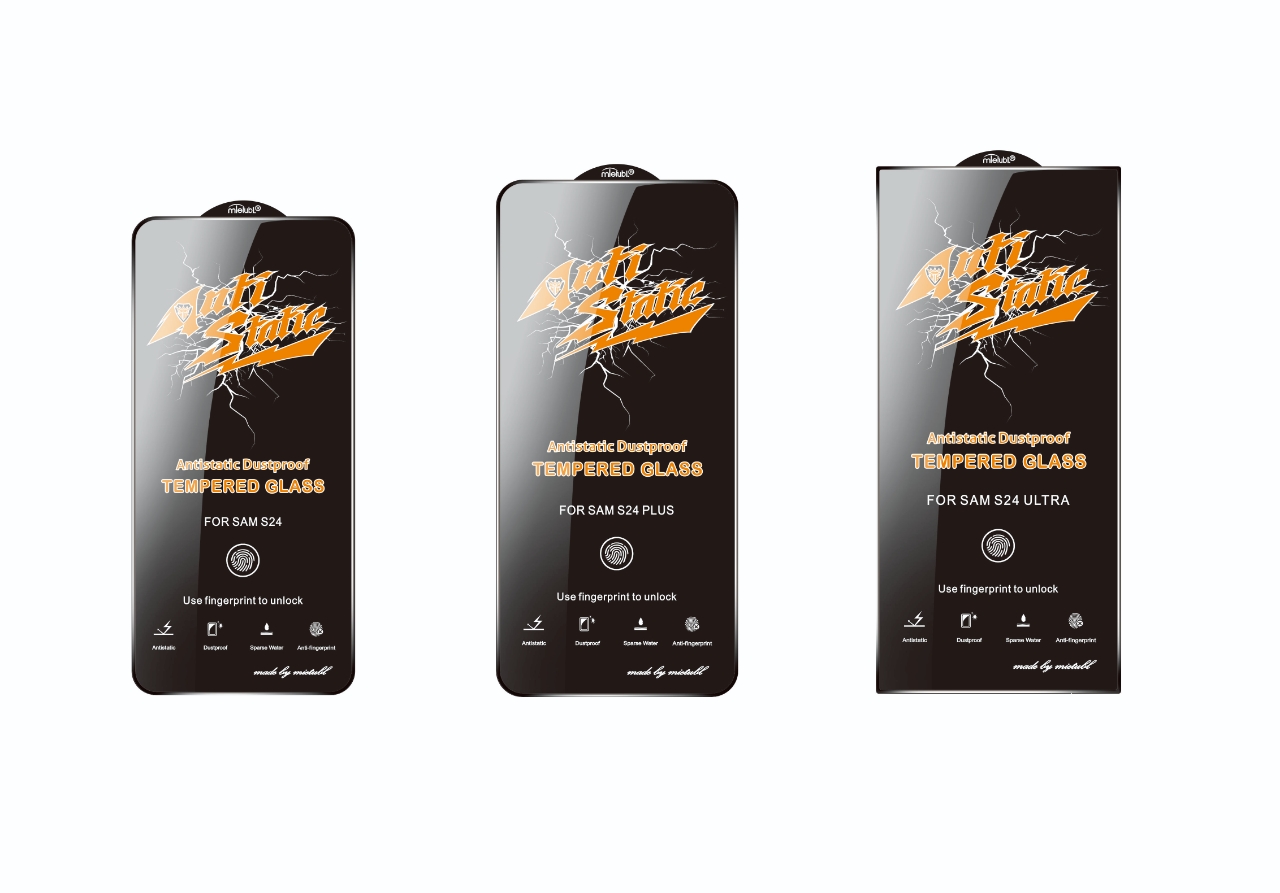
For distributors and retailers, the important distinction is whether the complaint is isolated or repeatedly associated with a particular phone model. A recurring model-level issue may indicate that the selected adhesive configuration or curved-edge fit should be reviewed. This gives the supplier a more useful request than a general instruction to “improve installation.”
Build the Custom Brief Around the Phone Model
The Antistatic Glass specification uses 280–380um antistatic AB adhesive, with different thicknesses selected according to the phone model. That variation makes the model list a necessary part of customer participation. Buyers should provide exact device names and variants instead of approving a single universal configuration for an entire range.
The glass is specified as 0.4mm high-alumina glass with a 120cc curve. These details should be assessed together with the adhesive selection because the personalized output is the complete fit configuration, not one material in isolation. If a buyer serves several regional markets, the model mix should be reviewed before the final assortment is set.
Personalize Adhesive and Air-Evacuation Requirements
The product specification describes one-pass air evacuation toward the edge. This feature is directly relevant when customers report visible air remaining beneath the glass. However, buyers should avoid treating it as a universal guarantee: the supplied data supports a designed evacuation method, not a promise that every installation condition will produce an identical result.
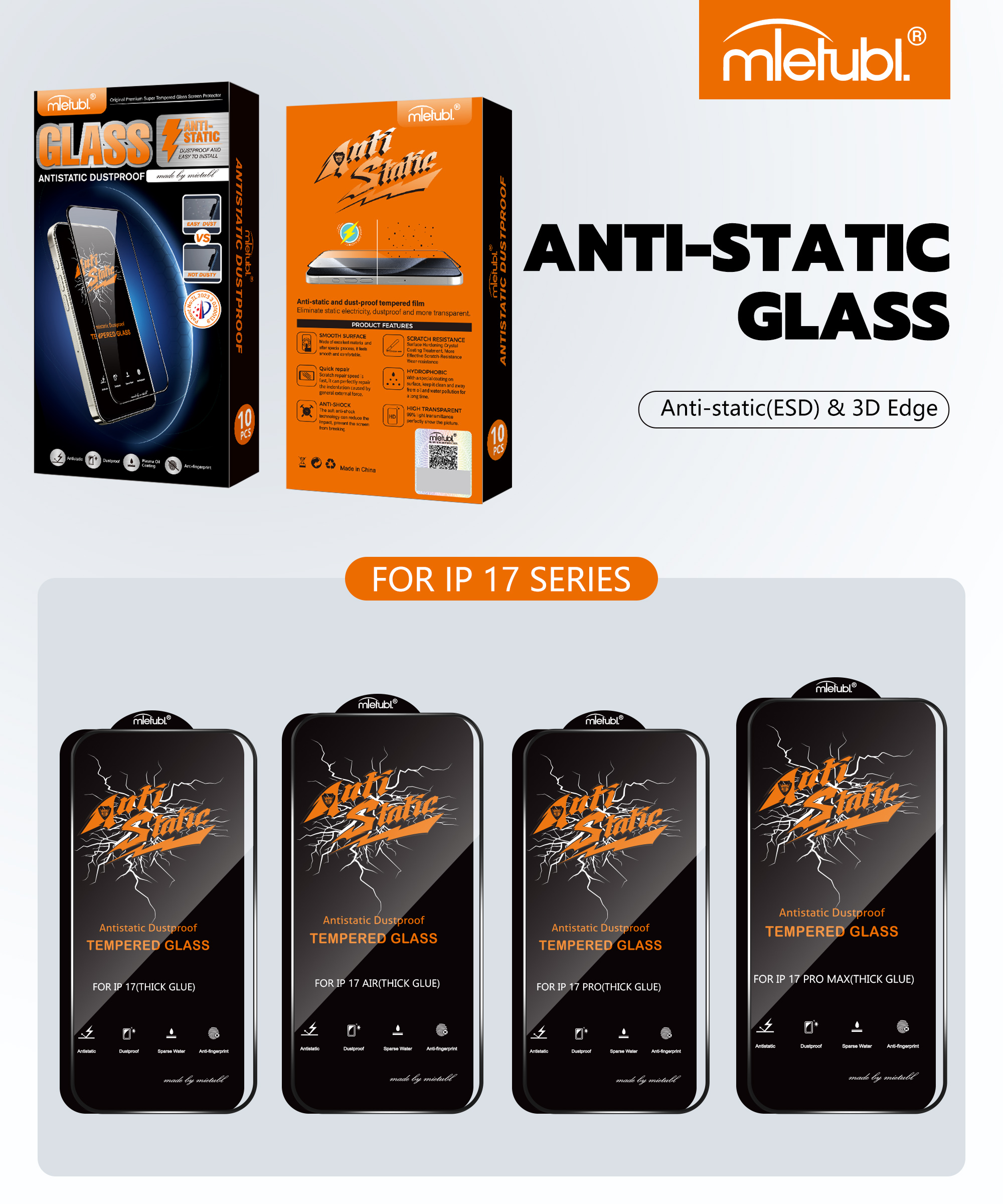
A useful customization discussion should therefore connect the reported issue to the requested output:
- Confirm the exact phone models: adhesive thickness changes by model.
- Describe the complaint precisely: state whether bubbles appear across the surface, near an edge, or repeatedly on one device type.
- Request the antistatic configuration: this is intended to reduce dust and particle attraction during application.
- Define the OEM scope: confirm which product elements require personalization rather than assuming every element is included.
Buyer Decision Checklist for Customized Output
Before approving a customized Antistatic Glass order, professional buyers can use the following criteria to keep the requested result measurable and model-specific:
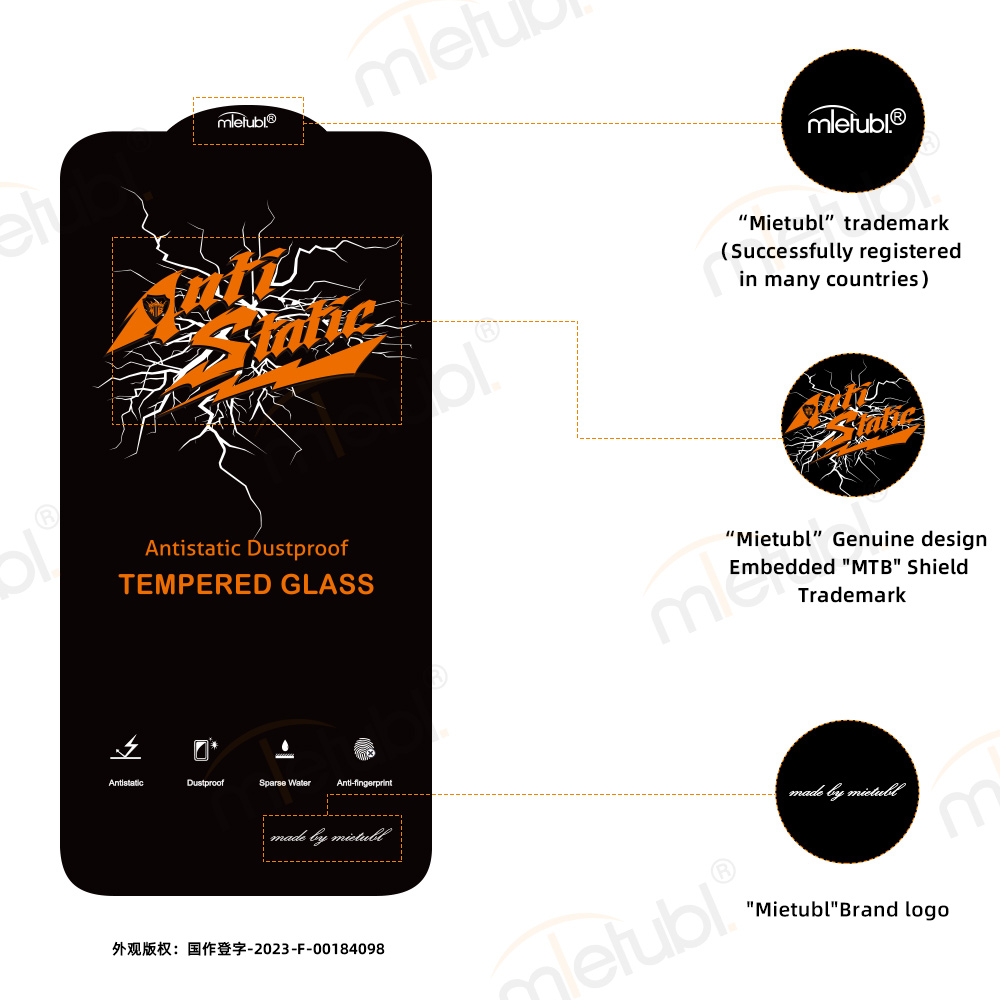
- Submit a controlled model list with device variants clearly separated.
- Ask which AB adhesive thickness is assigned to each listed model.
- Confirm that the selected construction includes the antistatic adhesive and edge-directed air evacuation described for the product.
- Review whether the 120cc curved-edge design matches the intended screen format.
- Agree on the OEM customization scope before order approval.
This process also helps customer-service teams classify later feedback. Instead of recording every case as a generic bubble problem, they can connect it to a model, configuration, or requested OEM output. That information may support more focused decisions for future assortments.
Common Questions
Can customized Antistatic Glass eliminate every bubble?
No universal result is established by the supplied product data. The design includes antistatic material, an adhesive layer intended for bubble-free attachment, and one-pass evacuation toward the edge, but buyers should confirm the model configuration and evaluate the intended application conditions.
Why must the customer provide an exact phone model list?
The approved specification states that different phone models use different AB adhesive thicknesses within the 280–380um range. Accurate model identification therefore supports a more appropriate personalized configuration.
What should buyers confirm when requesting OEM service?
Buyers should define the required models, the bubble-related concern, and the elements they want personalized. Because the source confirms OEM support without listing every available option, the precise customization scope should be confirmed before approval.
Conclusion: Approve the Fit Before Scaling
For recurring bubbles under tempered glass, the strongest sourcing response is a customer-led, model-specific configuration rather than a generic protector selection. Provide exact device information, align the adhesive and curved-edge construction with each model, and confirm the OEM scope so the final output reflects the customer’s actual installation concern.
About Mietubl
Mietubl is a Guangzhou-based mobile accessories brand whose name reflects its guiding idea: Make It Easier To Use, Better Life. With roots in the mobile accessories industry dating to 1998 and the MIETUBL brand registered in 2010, the company focuses on products that make everyday digital use simpler and more practical.
Its portfolio includes screen protectors, intelligent screen protector cutting machines, film materials, data cables, chargers, power banks, and audio accessories. By combining design, product development, manufacturing, and channel support, Mietubl works with distributors and retailers serving a broad range of mobile accessory needs, with products exported to more than 120 countries and regions.
For product information, samples, or distribution opportunities, contact Marketing@mietubl.com or visit www.mietubl.com.
Was this article helpful?
Your feedback helps us improve future articles.