
The MTB-CUT M688 can be considered when the buying goal is to combine film cutting, application, and UV curing in one machine. Before ordering, however, buyers evaluating it as a fully automatic smart screen protector machine should confirm exactly which steps remain operator-assisted, whether its device coverage matches their sales mix, and what consumables, software access, training, and after-sales procedures are included.
Core Decision Criteria Before Ordering
- Workflow scope: Confirm how cutting, film application, and UV curing connect in actual operation.
- Device fit: Check the required phone and tablet sizes against the stated maximum cutting size.
- Software continuity: Verify model-database access, update arrangements, offline functions, and language support.
- Operating package: Request a complete list of included tools, compatible films, replacement parts, and training materials.
- Commercial clarity: Put the lead time, warranty process, inspection method, and acceptance criteria in the purchase agreement.
Confirm What “Three-in-One” Means in Daily Operation
The M688 is described as a three-in-one screen protector machine integrating film cutting, application, and UV curing. This consolidation may reduce separate equipment requirements and simplify the service sequence in a retail store, workshop, or cross-border operation.
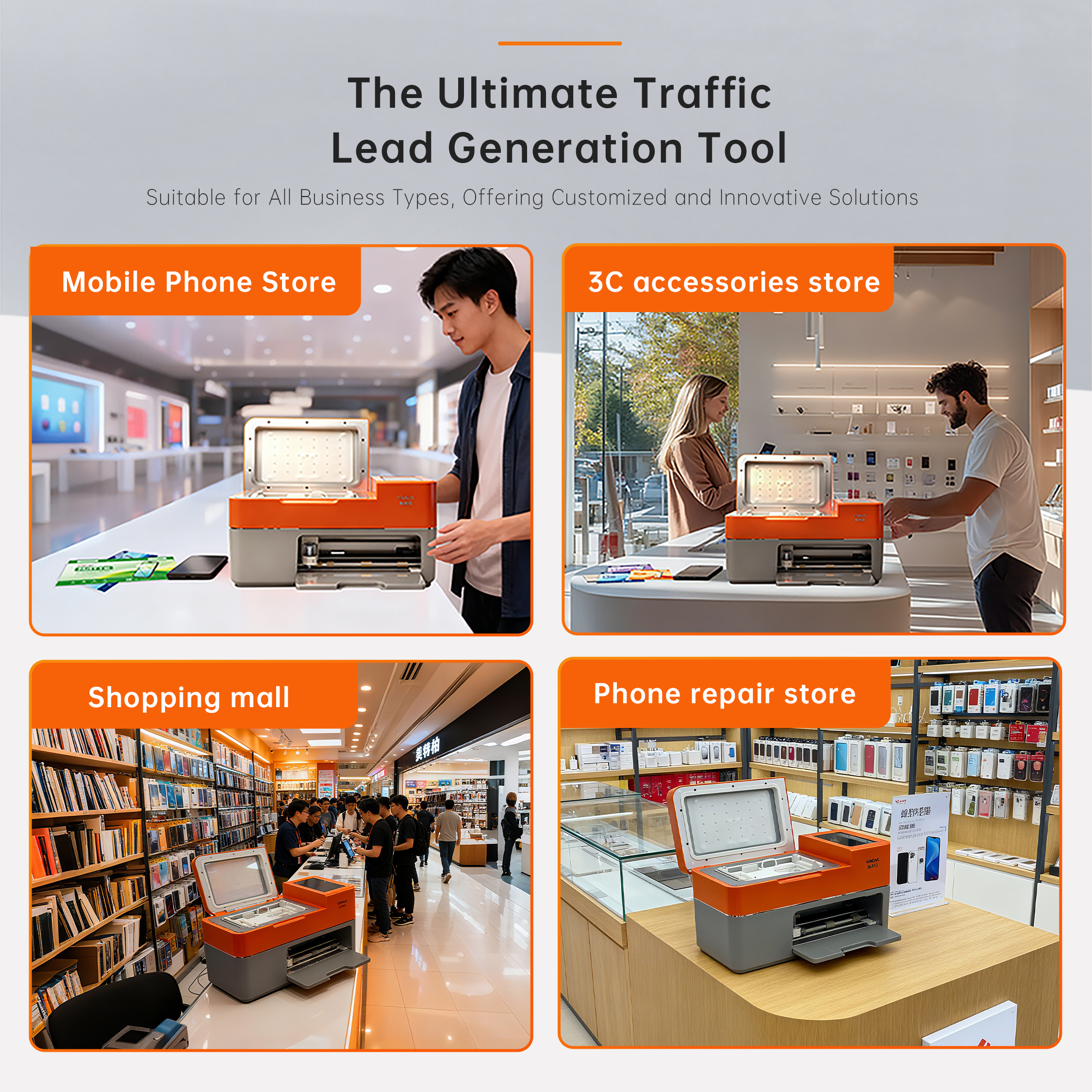
Professional buyers should still request a live demonstration using representative devices and film materials. The demonstration should show material loading, model selection, cutting, alignment, application, bubble management, UV curing, and final removal of the device. This establishes whether the complete process meets the buyer’s interpretation of automation.
The approved selling points also describe standardized guided operation intended to help new users complete film application more quickly. Buyers should test that guidance with ordinary staff rather than an experienced supplier technician. Record training time, intervention points, rework causes, and the steps requiring manual judgment before approving a larger deployment.
Check Size Coverage Against the Target Device Mix
The stated maximum cutting size is 14.6 inches, or 324.4 × 208.6 mm. This makes the machine relevant to phone and tablet screen-protector services, but a maximum figure does not confirm compatibility with every device, film shape, or edge design.
Prepare a list of the highest-volume and most difficult models in the intended market. The pre-order test should include small phones, large phones, tablets, camera or speaker cutouts, curved-edge layouts, and any locally important models. Buyers should also confirm whether the selected film materials are suitable for both the cutting and application stages.
Do not base the decision only on the maximum size. Ask for completed samples and inspect alignment around edges, openings, sensors, and corners. A practical acceptance test should define which model files and materials must pass before shipment or final payment.
Verify Software, Database, and Offline Access
The M688 specification lists APP control plus a built-in operating system, with Wi-Fi and Bluetooth connectivity. Its model database is stated to cover more than 60,000 device models, receive daily cloud updates, and support offline cutting.
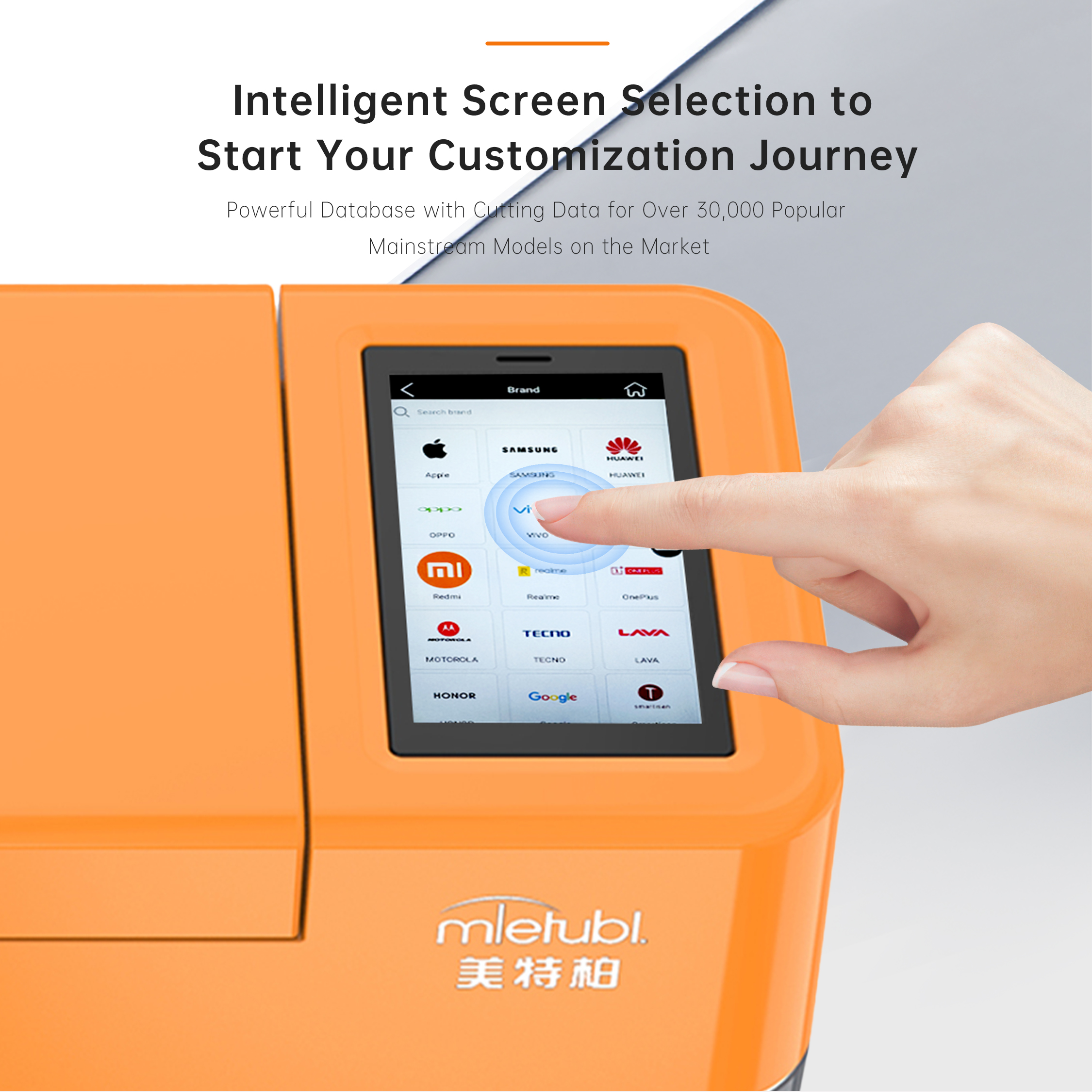
These functions can be valuable where stores need to serve frequently changing device ranges, but database size alone is not enough for procurement approval. Buyers should confirm whether access requires an account, subscription, regional activation, or periodic online verification. They should also ask how quickly missing models can be added and whether custom templates can be created or imported.
Offline cutting should be tested by disconnecting the machine from the network and running several previously selected models. For multi-country distribution, verify the required interface languages during the same evaluation rather than assuming that general multilingual support includes every target language.
Lock Down Commercial and Quality Terms
The approved commercial fields state a minimum order quantity of 1 machine, a delivery time of 7 days, and a one-year warranty. The listed quality inspection method is GB/T2828.1. These points should be treated as terms to document, not as substitutes for a purchase specification.
Confirm when the delivery period starts, what configuration is covered, and whether transit time is excluded. The warranty agreement should identify covered components, exclusions, troubleshooting channels, spare-part responsibility, and the procedure for machines installed outside the supplier’s home market.
For inspection, define the sampling level, defect categories, functional tests, packaging checks, and pass criteria. Buyers may also request serial-number records, accessory verification, software activation checks, and a test report for each ordered batch.
Common Buyer Questions
Is every film-application step fully automatic?
The product combines cutting, application, and UV curing, but buyers should confirm the manual steps through a complete operating demonstration. Alignment, material loading, device handling, or finishing may still require an operator.
Can it continue working without internet access?
Offline cutting is listed as supported. Buyers should test which model files remain available offline and determine whether account validation or database updates still require periodic connectivity.
What should be included in the pre-shipment test?
Use agreed device models and film materials to test the full workflow. Check model selection, cut shape, alignment, application results, UV operation, accessories, software access, packaging, and the documented acceptance standard.
Conclusion
The MTB-CUT M688 is best shortlisted by buyers who value an integrated cutting, application, and UV-curing workflow. Place the order only after a representative-device trial confirms the real automation level, software access, material compatibility, staff usability, and written after-sales terms.
About Mietubl
Mietubl is a Guangzhou-based mobile accessories brand whose name reflects its guiding idea: Make It Easier To Use, Better Life. With roots in the mobile accessories industry dating to 1998 and the MIETUBL brand registered in 2010, the company focuses on products that make everyday digital use simpler and more practical.
Its portfolio includes screen protectors, intelligent screen protector cutting machines, film materials, data cables, chargers, power banks, and audio accessories. By combining design, product development, manufacturing, and channel support, Mietubl works with distributors and retailers serving a broad range of mobile accessory needs, with products exported to more than 120 countries and regions.
For product information, samples, or distribution opportunities, contact Marketing@mietubl.com or visit www.mietubl.com.
Was this article helpful?
Your feedback helps us improve future articles.