
Film stock is ready for the MTB-CUT M688 when it fits the machine’s material and cutting limits, works with the integrated application and UV-curing steps, and can be handled consistently at the intended counter. Because the M688 combines cutting, film application, and UV curing in one machine, buyers should qualify the film as part of the complete store workflow rather than approve it only on basic cut tests.
Deployment decision checklist for dedicated film stock
Before committing film stock to a store or distributor rollout, confirm these four points:
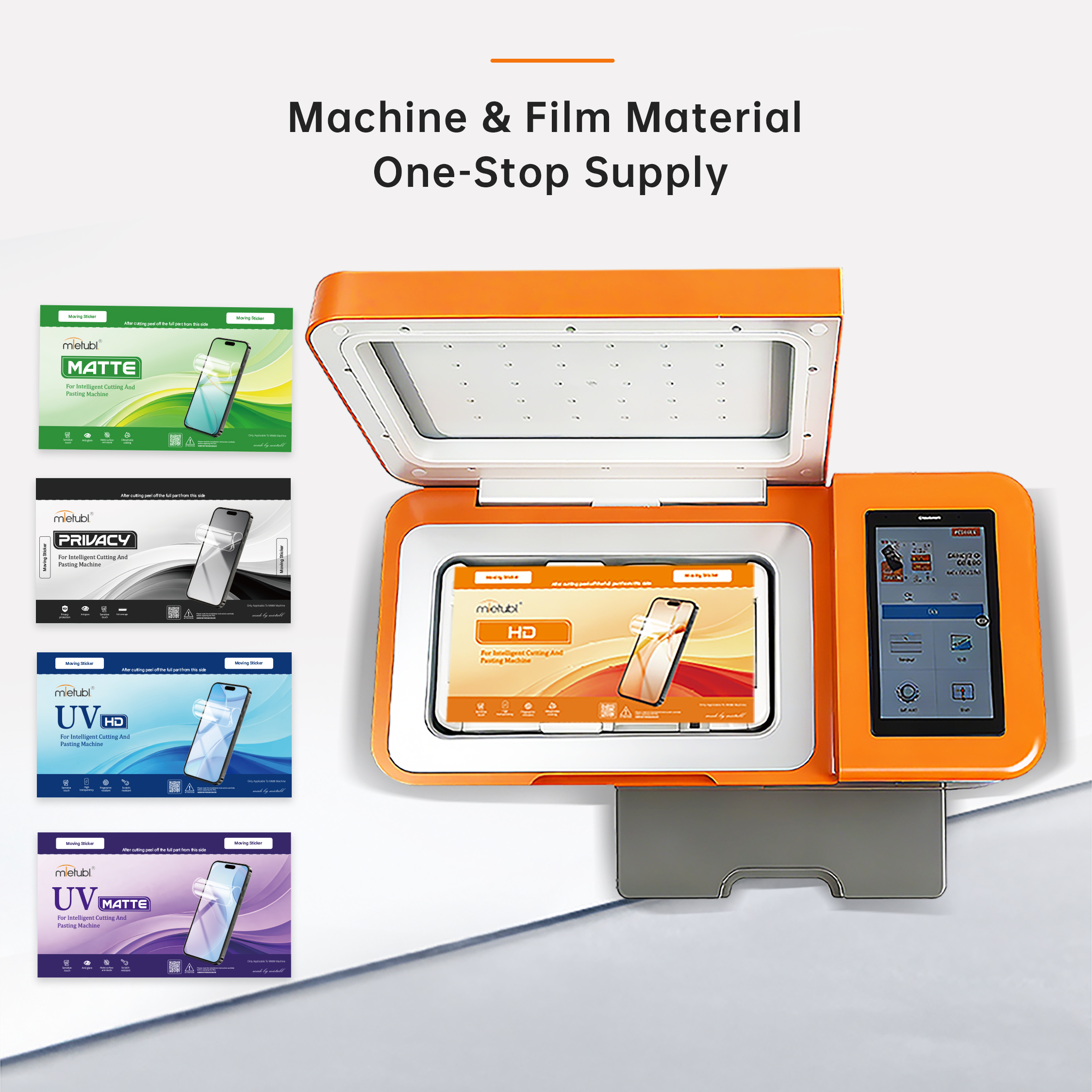
- Dimensional fit: Check the film’s total width, including its liner and unused margins, against both the feed and cutting limits.
- Process fit: Confirm that the film construction is suitable for cutting, application, and the machine’s 395 nm UV-curing stage.
- Counter fit: Allocate space for the machine, film loading, device preparation, and completed work.
- Staff fit: Run a pilot procedure that covers model selection, loading, cutting, application, curing, inspection, and rework handling.
This approach helps prevent a film that passes an isolated cutting trial from creating problems during application or curing.
Counter-space and film-width readiness
The M688 accepts a maximum material width of 235 mm and provides a maximum cutting width of 213 mm. Buyers should not treat these figures as interchangeable: the full sheet or roll may include a backing liner, edge margins, or positioning space that cannot be used as the active cutting area.
The maximum cutting size is 14.6 inches, stated as 324.4 × 208.6 mm. Film suppliers should therefore provide complete material dimensions and usable-area details before stock is approved. Orientation, liner design, and required margins should be tested rather than inferred from the nominal device size.
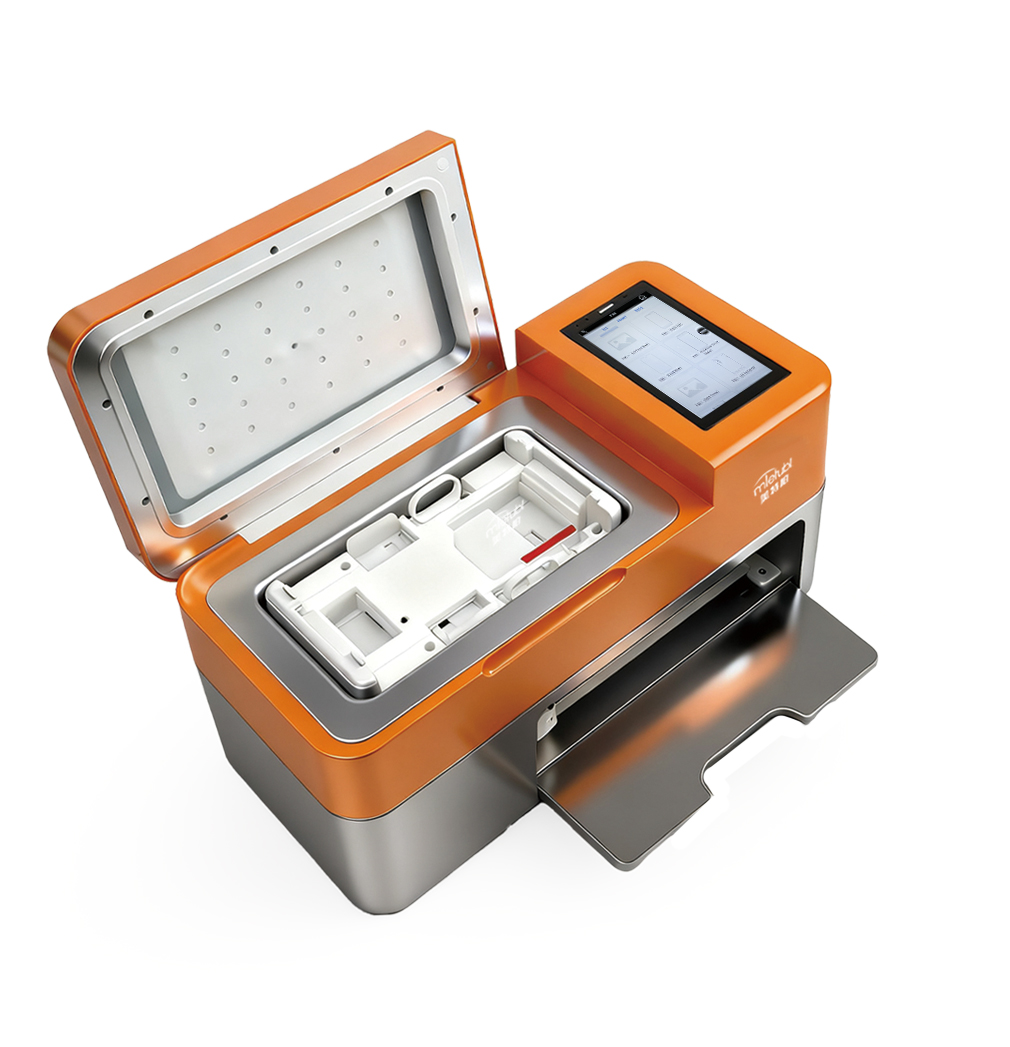
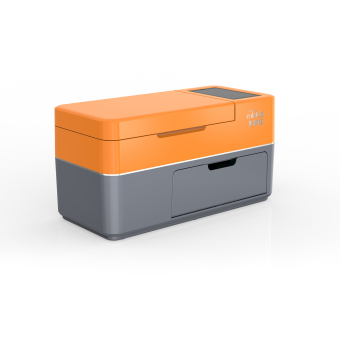
For counter planning, the machine measures 430 × 200 × 237.5 mm and weighs 9.3 kg. Additional working room may be needed for loading film, positioning devices, cleaning screens, and staging finished orders; the required clearance should be established during a store-level trial.
Operating conditions to verify before rollout
The specified working environment is 5°C–35°C with relative humidity of 35%–70%. Procurement teams should verify that each intended counter remains within this range during operating hours, particularly near entrances, direct sunlight, heating equipment, or strong air-conditioning outlets.
These figures describe the machine’s operating environment, not the film’s storage requirements. Film conditioning, storage temperature, humidity limits, and shelf handling should be confirmed separately with the material supplier. A rollout plan should also define where unopened and opened film stock will be stored so staff do not introduce uncontrolled handling differences between locations.
Staff workflow and rollout acceptance checks
The M688 is designed around a three-in-one workflow covering cutting, application, and UV curing. Its standardized guided operation can support faster staff familiarization, but buyers should still create a consistent operating procedure for the selected film.
A practical pilot should include several representative device sizes and require staff to record:
- Whether the film loads and aligns without liner movement or edge interference.
- Whether the selected model and cut complete without visible displacement or incomplete edges.
- Whether application and UV curing can be completed using the intended counter sequence.
- Whether the finished protector meets the buyer’s own acceptance criteria for alignment, surface condition, adhesion, and rework rate.
Testing should involve the same film batch format, accessories, and counter arrangement planned for rollout. If different stores will use different film constructions, each material should receive its own approval rather than being treated as automatically interchangeable.
Common Questions
Does the MTB-CUT M688 require proprietary film?
The approved product information does not state that proprietary film is mandatory. Buyers should confirm compatibility with the film supplier and test the exact material, liner, adhesive structure, and UV requirements before purchasing rollout quantities.
Can any material within the feed-width limit be used?
No automatic conclusion should be made from width alone. The usable cutting area is narrower than the maximum material width, and the film must also work through application and UV curing.
Should every store receive the same film setup?
A standardized setup can simplify training and replenishment, but each location should first pass counter-space, environmental, and staff workflow checks. Variations in film format or working conditions may require separate validation.
Conclusion
The MTB-CUT M688 can support a consolidated film-service workflow, but deployment readiness depends on qualifying the complete material process. Approve film stock only after dimensional fit, UV compatibility, operating conditions, counter layout, and staff execution have passed a documented pilot.
About Mietubl
Mietubl is a Guangzhou-based mobile accessories brand whose name reflects its guiding idea: Make It Easier To Use, Better Life. With roots in the mobile accessories industry dating to 1998 and the MIETUBL brand registered in 2010, the company focuses on products that make everyday digital use simpler and more practical.
Its portfolio includes screen protectors, intelligent screen protector cutting machines, film materials, data cables, chargers, power banks, and audio accessories. By combining design, product development, manufacturing, and channel support, Mietubl works with distributors and retailers serving a broad range of mobile accessory needs, with products exported to more than 120 countries and regions.
For product information, samples, or distribution opportunities, contact Marketing@mietubl.com or visit www.mietubl.com.
Was this article helpful?
Your feedback helps us improve future articles.