
Validate the MTB-CUT M688 with your actual film materials and representative devices before approving a larger order. The machine combines film cutting, application, and UV curing, but buyers should not treat an automation label as proof that every material, screen shape, or finish will meet their requirements. A controlled sample trial is the clearest way to verify compatibility and define acceptable output.
Make the validation decision before evaluating speed
The first procurement question is not simply whether the machine operates automatically. It is whether the complete workflow produces repeatable, saleable screen protection with the buyer’s chosen materials.
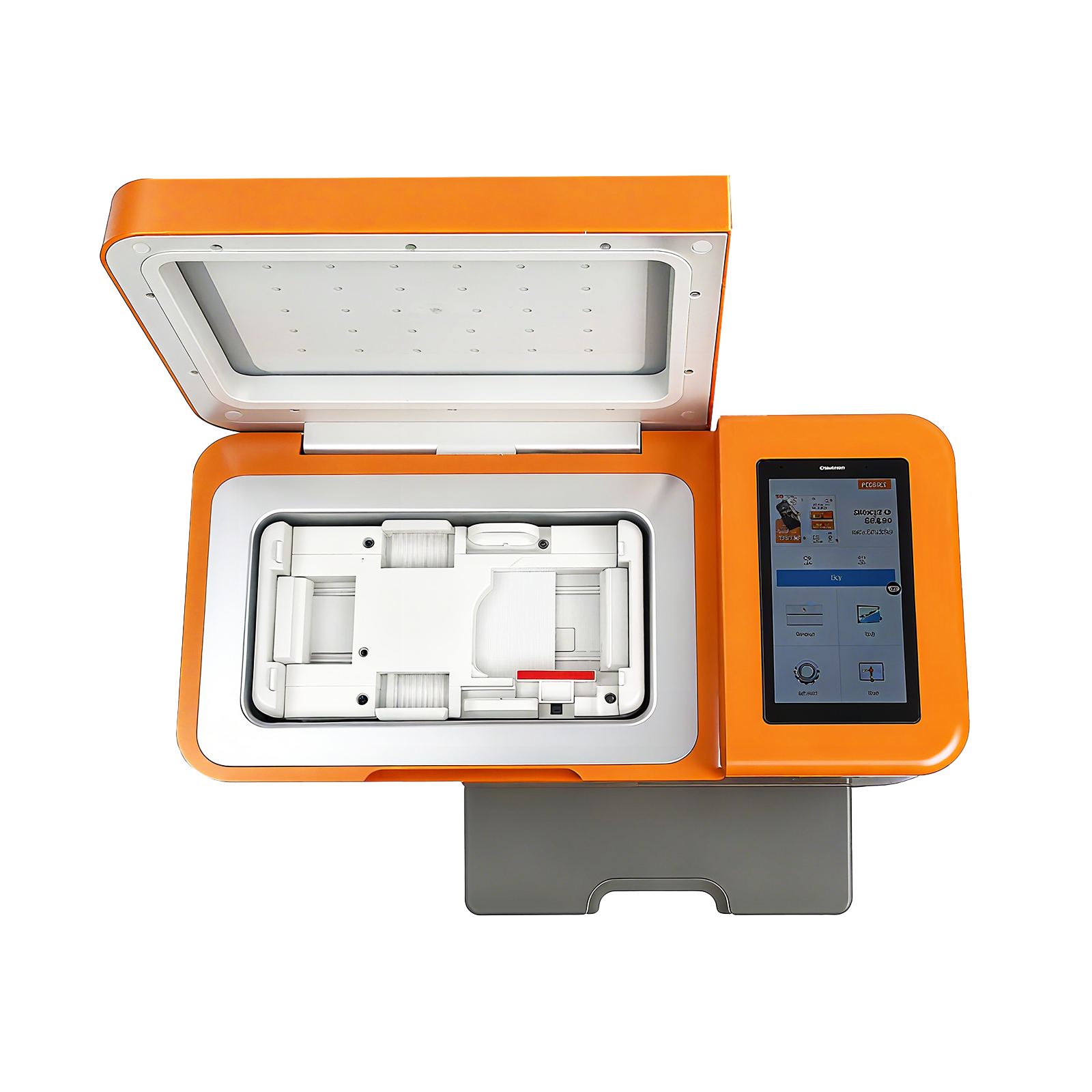
- Confirm material compatibility: The approved specifications do not provide a complete list of supported film constructions, so each intended material should be confirmed and tested.
- Use representative samples: Include common devices, difficult screen shapes, and the largest format expected in normal operations.
- Inspect the full process: Evaluate cutting, placement, adhesion, and UV curing rather than approving the machine from a cutting demonstration alone.
- Set acceptance criteria: Agree in advance on fit, alignment, edge condition, bubbles, surface appearance, and curing results.
Confirm material compatibility with production-intent films
The MTB-CUT M688 is presented as a three-in-one screen protector machine that completes cutting, film application, and UV curing in one workflow. Its integrated 395 nm UV curing system is intended to increase film hardness and scratch resistance, but compatibility still depends on the film and adhesive system being processed.
Buyers should submit the same film constructions planned for retail or distribution, not a substitute selected only for the demonstration. Samples should represent relevant thicknesses, coatings, adhesive behavior, storage conditions, and branded variants. If several suppliers provide the films, test material from each source because apparently similar products may behave differently during cutting, placement, or curing.
Before testing, ask the supplier to identify any film preparation, orientation, liner, or curing requirements. Unsupported assumptions about materials can lead to a successful demonstration that does not match later production conditions.
Run a representative sample test across device types
The listed maximum cutting size is 14.6 inches, with a maximum material width of 235 mm and maximum cutting width of 213 mm. These figures help define the physical test boundary, but dimensional capacity alone does not establish finished-product suitability.
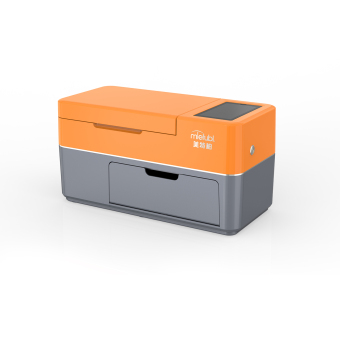
A useful sample set should include a frequently sold smartphone, a device with challenging edges or openings, a tablet-sized format, and a model near the intended maximum size. Buyers serving several markets should also test devices selected from their actual regional sales mix rather than relying only on globally popular models.
The M688 uses APP control plus a built-in operating system, with cloud database updates and offline cutting support. During validation, confirm that required device patterns can be found, loaded, and completed under the store’s real connectivity conditions. Where a model is unavailable or its pattern does not fit correctly, record the exact device and required correction instead of accepting a verbal update promise.
Define output acceptance for cutting, application, and curing
The specified cutting accuracy is 0.1 mm. Buyers should translate that machine specification into observable acceptance checks for the finished protector. A sample should be inspected on the target device, not only on the backing sheet.
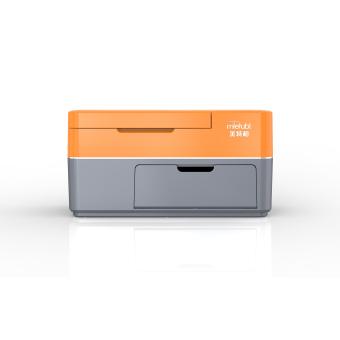
- Cutting: Check outline accuracy, opening position, corner condition, and whether the cut separates cleanly without damaging the liner.
- Application: Check alignment, edge clearance, trapped dust, bubbles, wrinkles, and lifting around openings or curved areas.
- UV curing: Check whether the approved film and adhesive complete the intended curing process without visible distortion, residue, uneven finish, or unacceptable edge behavior.
- Repeatability: Produce multiple samples from the same device file and compare them under the same inspection conditions.
The buyer and supplier should retain approved samples or clear inspection records. These can become the reference for output acceptance, operator training, and later troubleshooting.
Common Questions
Can one successful sample approve every film material?
No. A successful result applies only to the tested material and process conditions. Each production-intent film construction should be confirmed separately.
Should buyers test only the largest supported device?
No. Include high-volume models, difficult geometries, and a large-format device. This provides a more representative view of routine output and boundary conditions.
Does 0.1 mm cutting accuracy guarantee an acceptable installation?
No. Cutting accuracy is only one input. Final acceptance should also cover pattern fit, alignment, adhesion, appearance, edge condition, and curing results on the device.
Conclusion
The MTB-CUT M688 may suit buyers seeking an integrated cutting, application, and UV-curing workflow, but approval should depend on representative sample evidence. Confirm intended materials, test relevant device types, and document finished-output criteria before committing to broader deployment. This validation approach reduces the risk of purchasing a capable machine that does not match the buyer’s actual films, devices, or acceptance standards.
About Mietubl
Mietubl is a Guangzhou-based mobile accessories brand whose name reflects its guiding idea: Make It Easier To Use, Better Life. With roots in the mobile accessories industry dating to 1998 and the MIETUBL brand registered in 2010, the company focuses on products that make everyday digital use simpler and more practical.
Its portfolio includes screen protectors, intelligent screen protector cutting machines, film materials, data cables, chargers, power banks, and audio accessories. By combining design, product development, manufacturing, and channel support, Mietubl works with distributors and retailers serving a broad range of mobile accessory needs, with products exported to more than 120 countries and regions.
For product information, samples, or distribution opportunities, contact Marketing@mietubl.com or visit www.mietubl.com.
Was this article helpful?
Your feedback helps us improve future articles.