
Buyers should validate the MTB-CUT M888 with their own representative materials and an agreed output acceptance checklist before approving a factory-direct purchase. The machine combines printing and cutting, but procurement risk depends on whether actual films, label stock, photo media, and card materials produce acceptable results under the buyer’s intended workflow. A specification review should screen the application; physical samples should make the final decision.
Make Sample Approval the Purchasing Decision
The MTB-CUT M888 is positioned as an integrated printing and cutting machine, reducing the need to move work between separate devices. That workflow can be valuable for stores, studios, and other compact production settings, provided the finished output meets the buyer’s requirements.
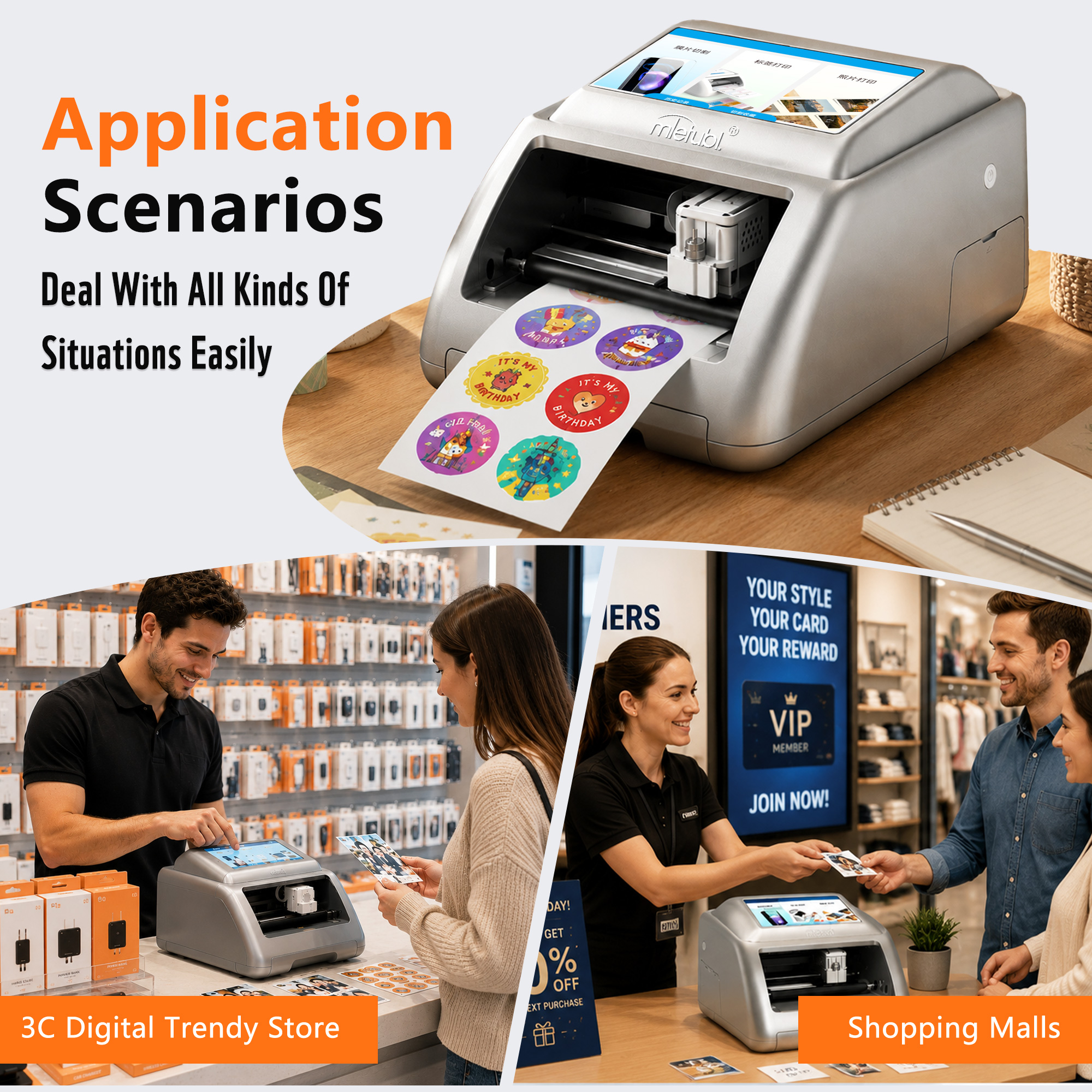
Key decision criteria should include:
- Material compatibility: Test the exact media, coating, adhesive construction, and backing paper intended for production.
- Representative designs: Include straight lines, curves, small details, internal corners, and irregular contours.
- Print acceptance: Agree on color appearance, detail visibility, surface condition, and alignment before testing.
- Cut acceptance: Check contour registration, edge cleanliness, release from the backing, and damage to surrounding material.
- Repeatability: Run more than one copy of each critical design rather than approving a single successful result.
Build a Representative Material Sample Set
The approved application range includes phone back films, protective films, photos, labels, and greeting cards. These categories should not be treated as proof that every material construction within them will behave identically. Thickness, surface treatment, stiffness, liner quality, coating, and adhesive behavior may affect feeding, printing, cutting, and removal.
A useful sample set should reflect the buyer’s real sales mix. Buyers may select one routine material, one higher-value material, and one difficult or unfamiliar material from each important category. Each sample should be identified by supplier, material name, batch, and intended finished product so that results remain traceable.
If a distributor plans to resell the machine with consumables, testing should also cover the media that will be offered to downstream customers. This helps prevent approval based on materials that are unavailable or commercially unsuitable in the target market.
Set Print-and-Cut Output Acceptance Rules
The M888 has a stated 300 DPI resolution and offers contour cutting accuracy of up to approximately 0.1 mm. These figures are useful screening references, but purchase acceptance should be based on observable finished output rather than the numeric specification alone.
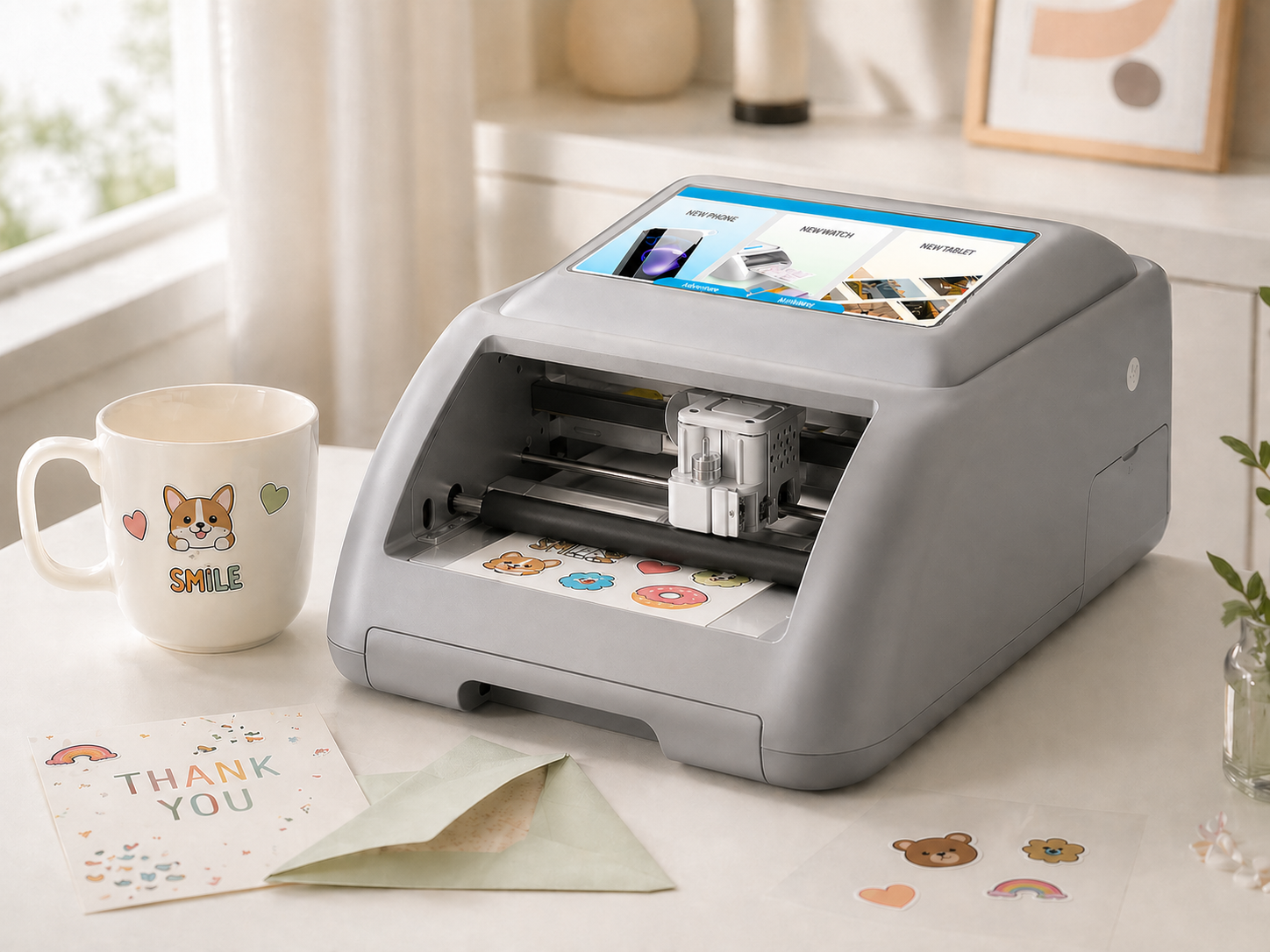
For printing, buyers should examine whether fine text, gradients, solid areas, and image details meet the intended retail standard. For cutting, the test should determine whether the cut follows the printed outline, whether corners remain clean, and whether the finished piece can be removed without tearing, stretching, or unwanted lifting.
Acceptance criteria should be written before samples are produced. A simple pass-or-fail record can include the design file, material, print result, contour alignment, edge condition, removal behavior, and reviewer approval. Photographs and retained physical samples can support consistent comparison if the order or consumable configuration changes later.
Verify Samples Against the Working Size Envelope
The machine has a stated cutting width of 138 mm, a feed width of 160 mm, and a listed paper size of 100 × 148 mm. Buyers should compare these dimensions with the actual printable and cuttable area required by their products, including margins needed for feeding, registration, and handling.
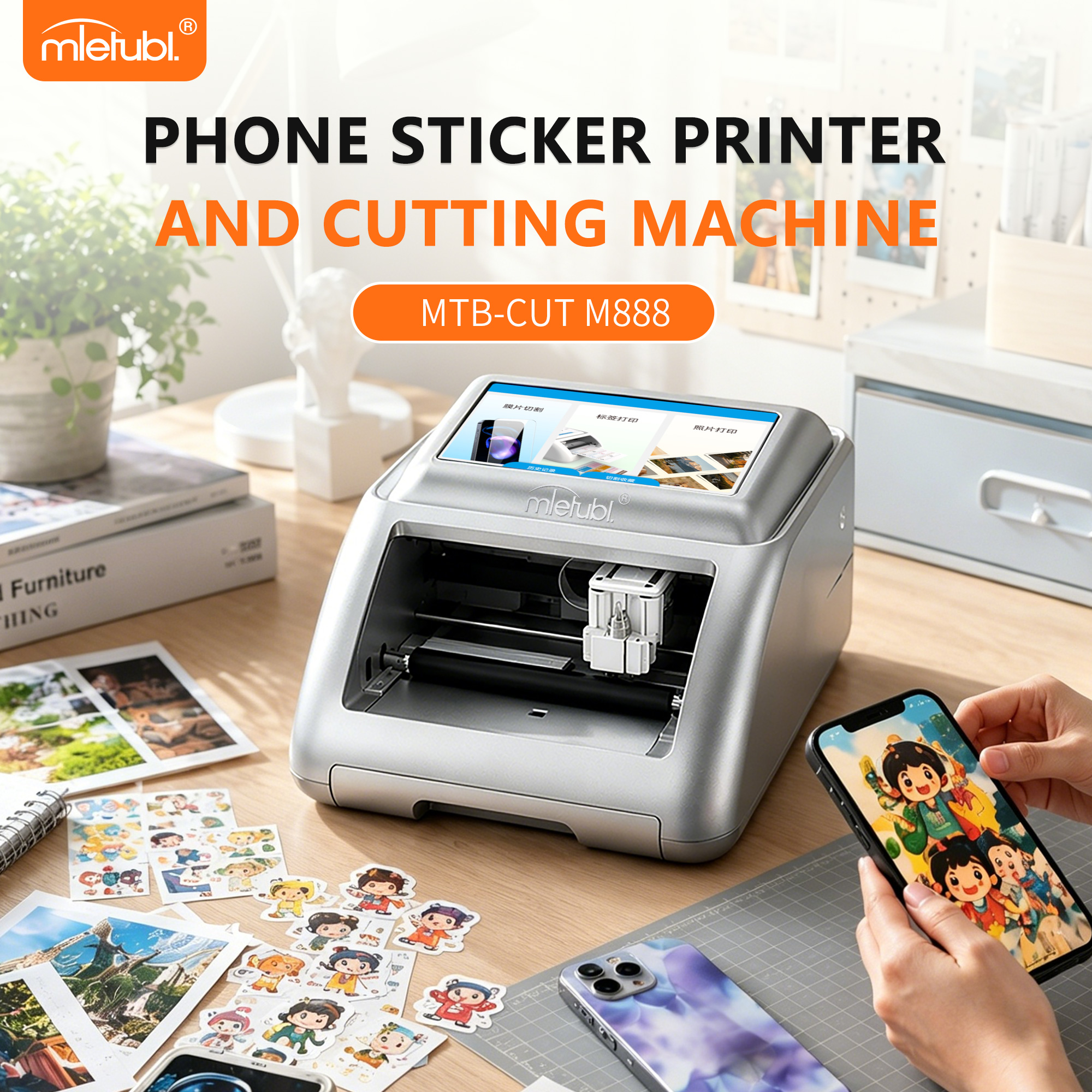
Do not validate only a small central design if routine jobs approach the usable boundary. The sample plan should include a near-maximum-width design, repeated elements across the sheet, and contours positioned near different edges. This can reveal whether the planned layout remains practical throughout the working area.
Buyers should also confirm the complete operating configuration used for approval, including consumables, design settings, templates, and operator steps. The machine includes templates, image upload, AI background removal, and AI-generated design functions, but any feature important to the commercial workflow should be demonstrated with the buyer’s own files.
Common Questions
Can buyers approve the M888 from specifications alone?
No. Specifications can identify whether the machine is a potential fit, but representative material testing is the stronger basis for approving print quality, contour results, and handling.
Which sample should be tested first?
Start with the material and design expected to generate the most routine business, then test a demanding design and a less familiar material to expose compatibility risks.
What should be retained after sample approval?
Keep the approved file, material identification, settings, evaluation record, photographs, and at least one physical reference sample where practical.
Conclusion
The MTB-CUT M888 should be selected as a factory-direct automatic cutting and printing solution only when representative production materials pass predefined output checks. A controlled sample approval process gives buyers a clearer basis for comparing expectations with delivered results and reduces reliance on specifications alone.
About Mietubl
Mietubl is a Guangzhou-based mobile accessories brand whose name reflects its guiding idea: Make It Easier To Use, Better Life. With roots in the mobile accessories industry dating to 1998 and the MIETUBL brand registered in 2010, the company focuses on products that make everyday digital use simpler and more practical.
Its portfolio includes screen protectors, intelligent screen protector cutting machines, film materials, data cables, chargers, power banks, and audio accessories. By combining design, product development, manufacturing, and channel support, Mietubl works with distributors and retailers serving a broad range of mobile accessory needs, with products exported to more than 120 countries and regions.
For product information, samples, or distribution opportunities, contact Marketing@mietubl.com or visit www.mietubl.com.
Was this article helpful?
Your feedback helps us improve future articles.