
Screen protector film and tempered glass require different retail workflows. Flexible materials such as TPU and PET can be cut on demand after staff select a device template, while tempered glass is normally chosen as a model-specific finished protector and installed directly. Design and printing can add value to customizable films, but they should not be presented as standard steps for tempered glass unless the specific product supports them.
How the Choice Changes the In-Store Workflow
“Screen protector film” is a broad retail category rather than a single material. In the approved product range, cutting equipment supports TPU, PET, high-clear, matte, and privacy materials. These options fit a make-to-order process: identify the customer’s device, select the matching template, load the chosen material, cut it, and proceed to application.
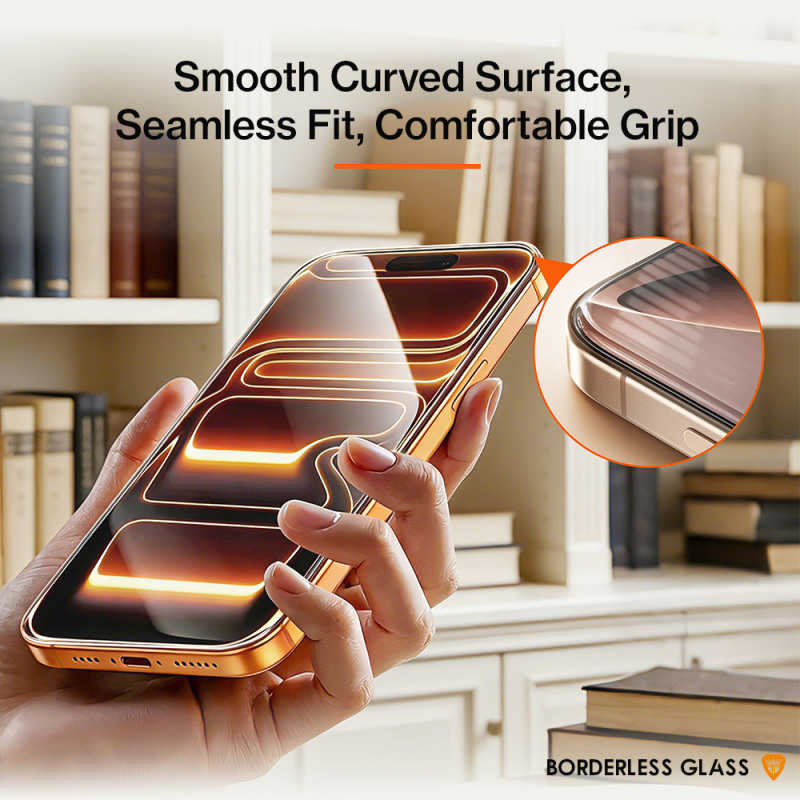
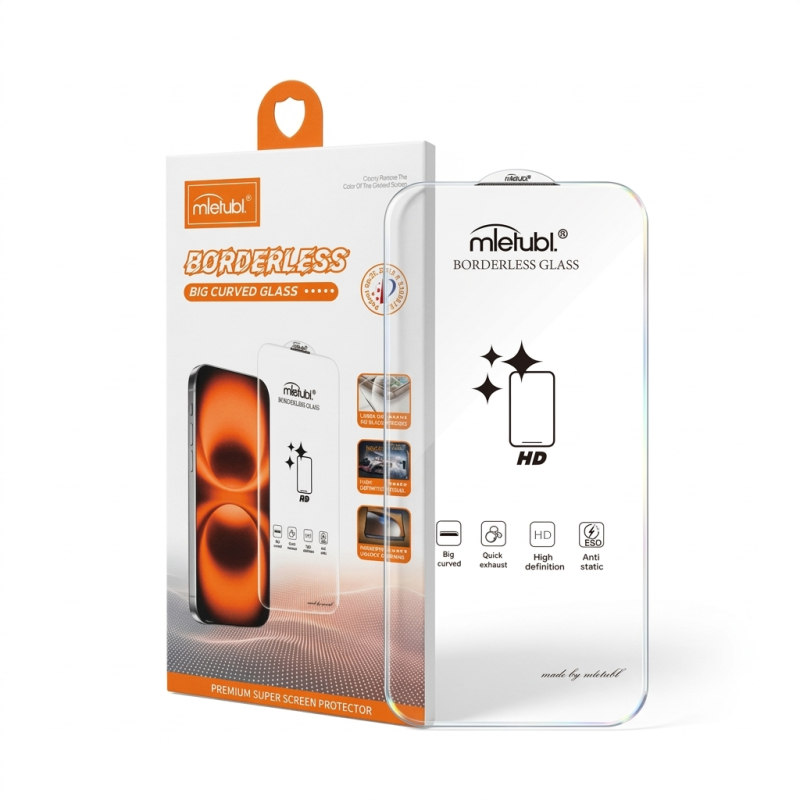
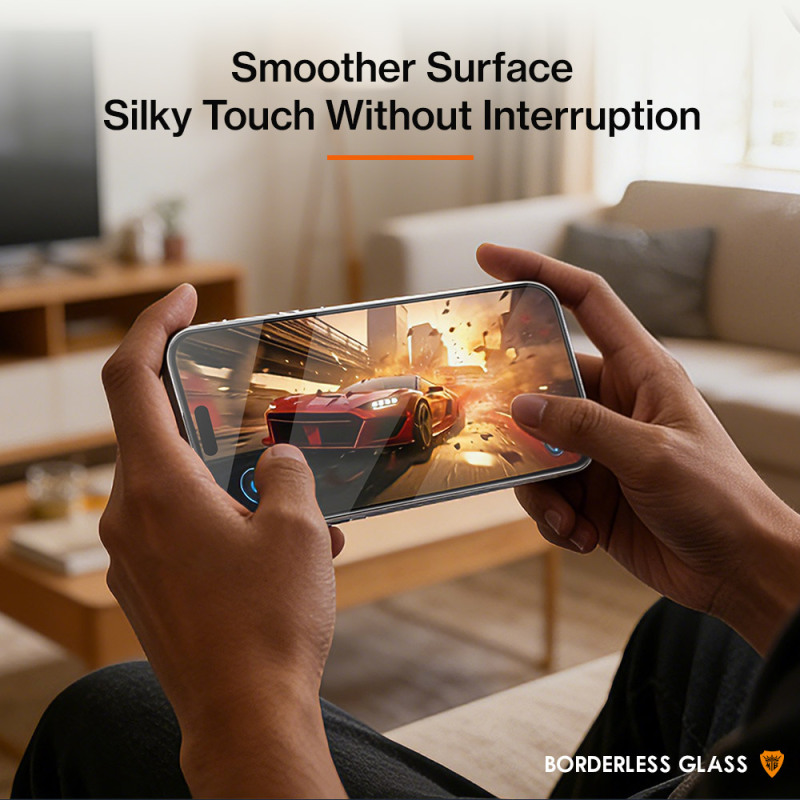
Tempered glass follows a stock-selection process. The High-Definition Borderless Protector, for example, uses high-alumina glass and a transparent borderless structure. Its buyer value comes from avoiding a conventional printed black edge that could cover part of the display. It also incorporates an earpiece dust mesh and is intended to maintain clear display and responsive touch.
For store planning, the practical distinction is therefore not simply “thin film versus strong glass.” It is on-demand production versus model-specific inventory and installation.
Retail Decision Criteria Before Choosing a Format
- Service model: Choose cut-to-size film when the counter is expected to produce protectors after customers arrive.
- Assortment strategy: Tempered glass should be considered when the retailer can maintain the required model list as physical stock.
- Personalization: Printing and design tools may create additional services for compatible films and phone back-film products.
- Customer priority: Confirm whether the buyer values a flexible material choice, privacy or matte functionality, or the glass feel and daily scratch protection of tempered glass.
- Staff process: Standardize device identification, material selection, cleaning, alignment, and final inspection regardless of format.
Where Design and Printing Fit at the Counter
Design is most relevant when the store sells personalized products rather than only clear screen protection. The MTB-CUT M888 combines printing and cutting and includes templates, image upload, background-removal tools, and design-generation functions. Its supported outputs include phone back films, protective films, photos, labels, and cards.
A practical counter sequence may begin with the customer choosing an image or template. Staff can then prepare the design, print it on a compatible medium, and cut its contour. Combining these stages in one device reduces transfers between separate printing and cutting equipment.
Retailers should keep the product claim precise: the available information supports printing and contour cutting for compatible film products, but it does not establish printing as a normal production step for the High-Definition Borderless tempered-glass protector. Stores should separate personalized back-film services from standard glass installation in menus and staff scripts.
How Cutting Shapes Stock and Fulfilment
On-demand cutting can broaden device coverage without requiring one finished flexible protector for every model. The MTB-CUT 180T supports multiple film materials and device categories, including phones, tablets, watches, and cameras. Its stated cutting cycle is approximately 20 seconds, which can suit an immediate-service counter when material loading and installation are organized efficiently.
Tempered glass creates a different purchasing task. Because glass construction, curvature, adhesive structure, earpiece treatment, and edge design belong to the finished protector, buyers should confirm the model list before ordering. The High-Definition Borderless Protector supports OEM and ODM customization for branding, packaging, and model assortments, which may help distributors align stocked products with their target market.
A mixed workflow can therefore be sensible: cut flexible film for broad or changing device demand, stock tempered glass for selected high-volume models, and use integrated printing and cutting for compatible personalized products.
Common Questions
Is tempered glass also a screen protector?
Yes. In this product range, tempered glass belongs to the phone screen protector category. The important procurement distinction is its glass construction and model-specific format compared with flexible materials cut from stock.
Can a film-cutting machine cut tempered glass?
The approved cutting-machine information lists materials such as TPU and PET, not tempered glass. Buyers should not assume that a flexible-film cutter can process finished glass protectors.
Which option is better for an immediate retail service?
Cut-to-size film may suit broad on-demand coverage, while stocked tempered glass may suit frequently requested models. The better choice depends on local device demand, available counter space, and the service menu the retailer intends to offer.
Conclusion
Retail buyers should treat flexible film and tempered glass as complementary workflows. Use cutting equipment to serve varied devices and material preferences, reserve printing for compatible personalized products, and manage tempered glass as a selected finished-SKU assortment. Before purchasing, confirm the supported materials, device templates, glass model list, branding requirements, and how each step will be presented at the service counter.
About Mietubl
Mietubl is a Guangzhou-based mobile accessories brand whose name reflects its guiding idea: Make It Easier To Use, Better Life. With roots in the mobile accessories industry dating to 1998 and the MIETUBL brand registered in 2010, the company focuses on products that make everyday digital use simpler and more practical.
Its portfolio includes screen protectors, intelligent screen protector cutting machines, film materials, data cables, chargers, power banks, and audio accessories. By combining design, product development, manufacturing, and channel support, Mietubl works with distributors and retailers serving a broad range of mobile accessory needs, with products exported to more than 120 countries and regions.
For product information, samples, or distribution opportunities, contact Marketing@mietubl.com or visit www.mietubl.com.
Was this article helpful?
Your feedback helps us improve future articles.