
For buyers deciding between model-specific finished inventory and on-demand production, the MTB-CUT M888 is the stronger fit when demand is fragmented or difficult to forecast. Its integrated printing and cutting workflow can reduce reliance on pre-made accessory stock by enabling selected products to be produced when ordered. Fast-moving, predictable SKUs may still justify finished inventory, so the best approach may combine on-demand capability with targeted stocking.
Choose On-Demand Output When Model Demand Is Uncertain
A factory-direct fully automatic cutting machine should be evaluated as an inventory-planning tool, not only as production equipment. The central question is whether the value of responding to varied requests outweighs the simplicity of stocking completed products.
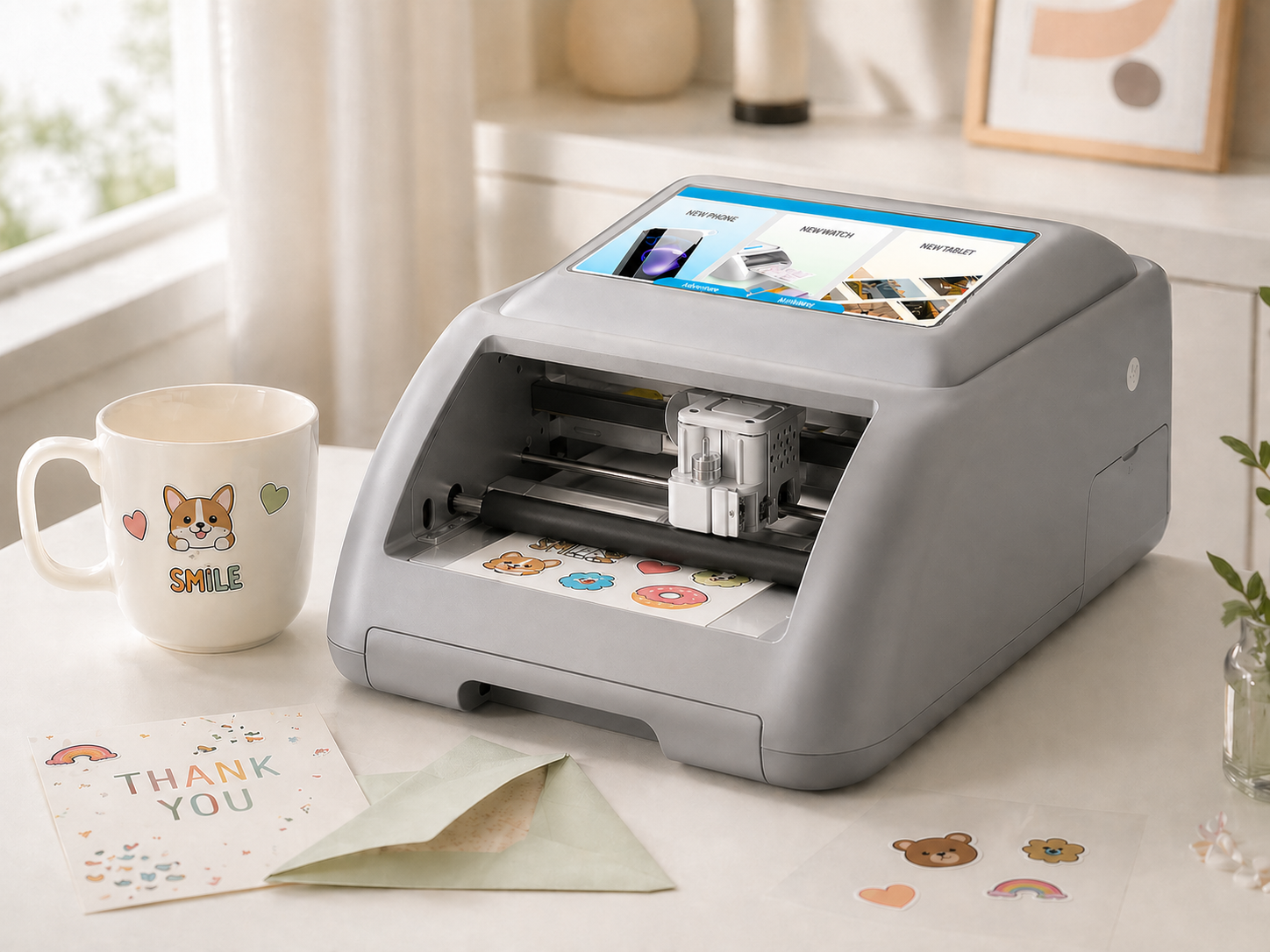
- Use on-demand production for uncertain demand: It may limit exposure to finished items that move slowly or become obsolete.
- Keep selective stock for proven sellers: High-volume products can remain ready for immediate sale.
- Plan around the complete workflow: Buyers should confirm media, consumables, design preparation, staffing, and packaging requirements.
- Pilot before scaling: The listed minimum order quantity is one machine, supporting an initial workflow test without requiring a multi-machine purchase.
How the M888 Changes Finished-Stock Planning
The M888 integrates printing and cutting in one machine, reducing the need to move work between separate devices. For a distributor, retailer, or production studio, this means inventory decisions can shift from “Which finished models should we stock?” toward “Which products should we be able to make when demand appears?”
The machine supports production applications including phone back films, protective films, photos, labels, and greeting cards. This range may allow buyers to distribute equipment use across several revenue categories rather than depending on a single model-specific accessory line.
However, on-demand production does not remove every inventory requirement. Buyers still need an appropriate supply of compatible production materials, and those materials should be selected according to the intended output. Packaging, replacement tools, and local operating supplies also need to be included in the replenishment plan.
Design Tools Can Reduce Dependence on Pre-Made Variants
Built-in templates, image upload, AI background removal, and AI-generated design functions support a more flexible production workflow. These tools may be useful when the commercial requirement is customization, short production runs, or a broader design assortment without holding every design as a finished SKU.
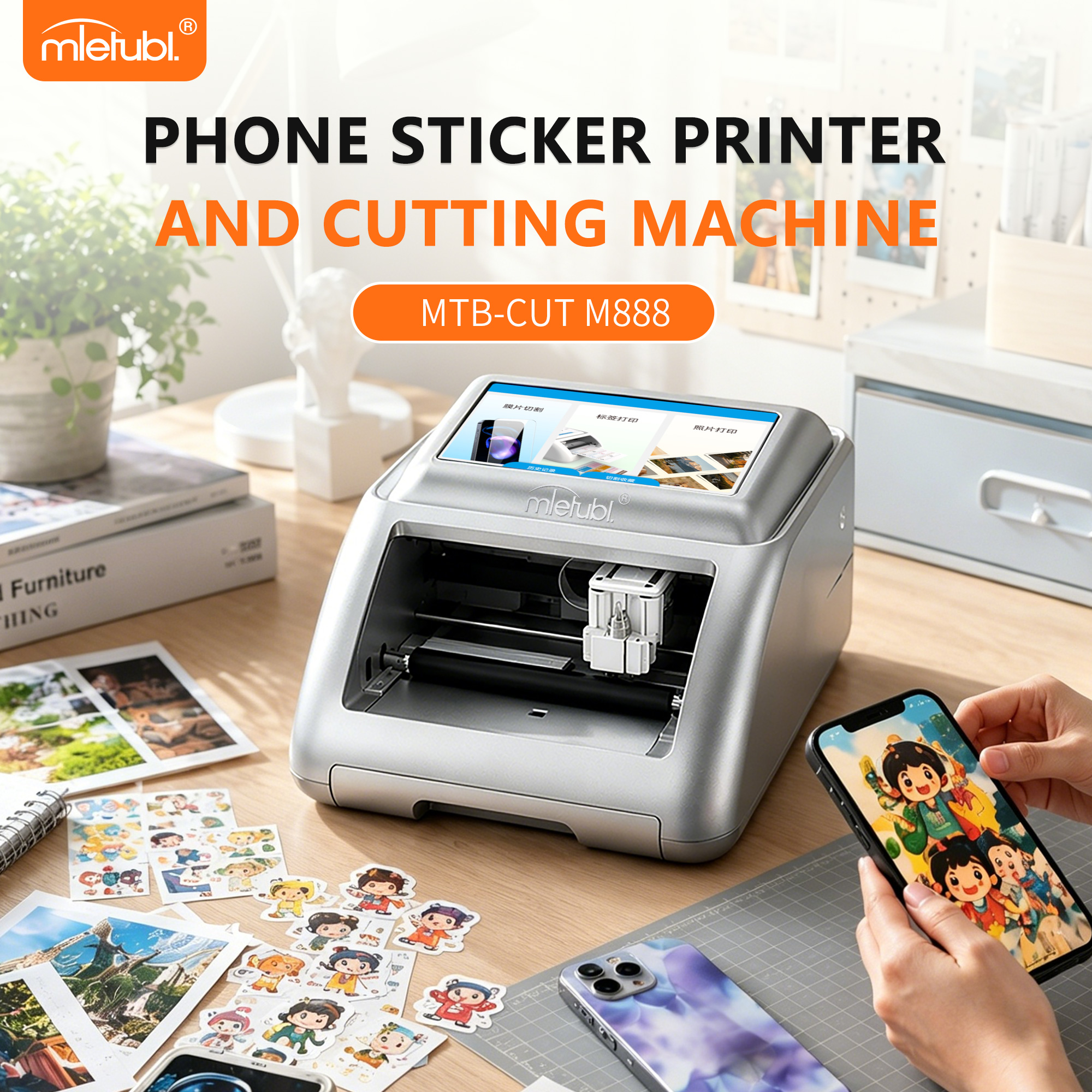
This flexibility matters most when customers request different graphics, shapes, or product categories. Instead of forecasting each completed variation, a buyer can consider maintaining production capacity and creating the final output after demand is known. Before rollout, distributors should still verify whether the available templates and design workflow match their target devices, languages, and customer-service process.
The practical inventory benefit therefore depends on execution. A machine can provide production flexibility, but the buyer should establish who approves designs, how files are stored, which materials are assigned to each product, and how completed items are checked before sale.
Factory-Direct Procurement Should Match the Inventory Pilot
The listed delivery time for the M888 is seven days, while the listed minimum order quantity is one machine. Buyers can use these commercial fields to structure a controlled pilot, but should confirm the applicable order terms, production schedule, shipping arrangement, and destination-specific lead time before placing an order.
A useful pilot should measure more than machine output. Track how many finished SKUs are avoided, which product requests occur most often, how much material is consumed, and whether customers accept the resulting service time. These observations can guide the decision to add machines, expand material inventory, or continue stocking selected finished products.
Professional buyers should also request confirmation of the supplied configuration, compatible materials, software access, included accessories, operator guidance, and after-sales process. Factory-direct purchasing can simplify the sourcing path, but the order scope must be clear enough for deployment at the receiving location.
Where Model-Specific Finished Stock Still Makes Sense
On-demand production and finished inventory should not be treated as mutually exclusive. Finished stock may remain appropriate for products with stable turnover, standardized designs, or customers who expect immediate handover. On-demand capability can then cover slower-moving models, customized designs, and demand that is too irregular to forecast confidently.
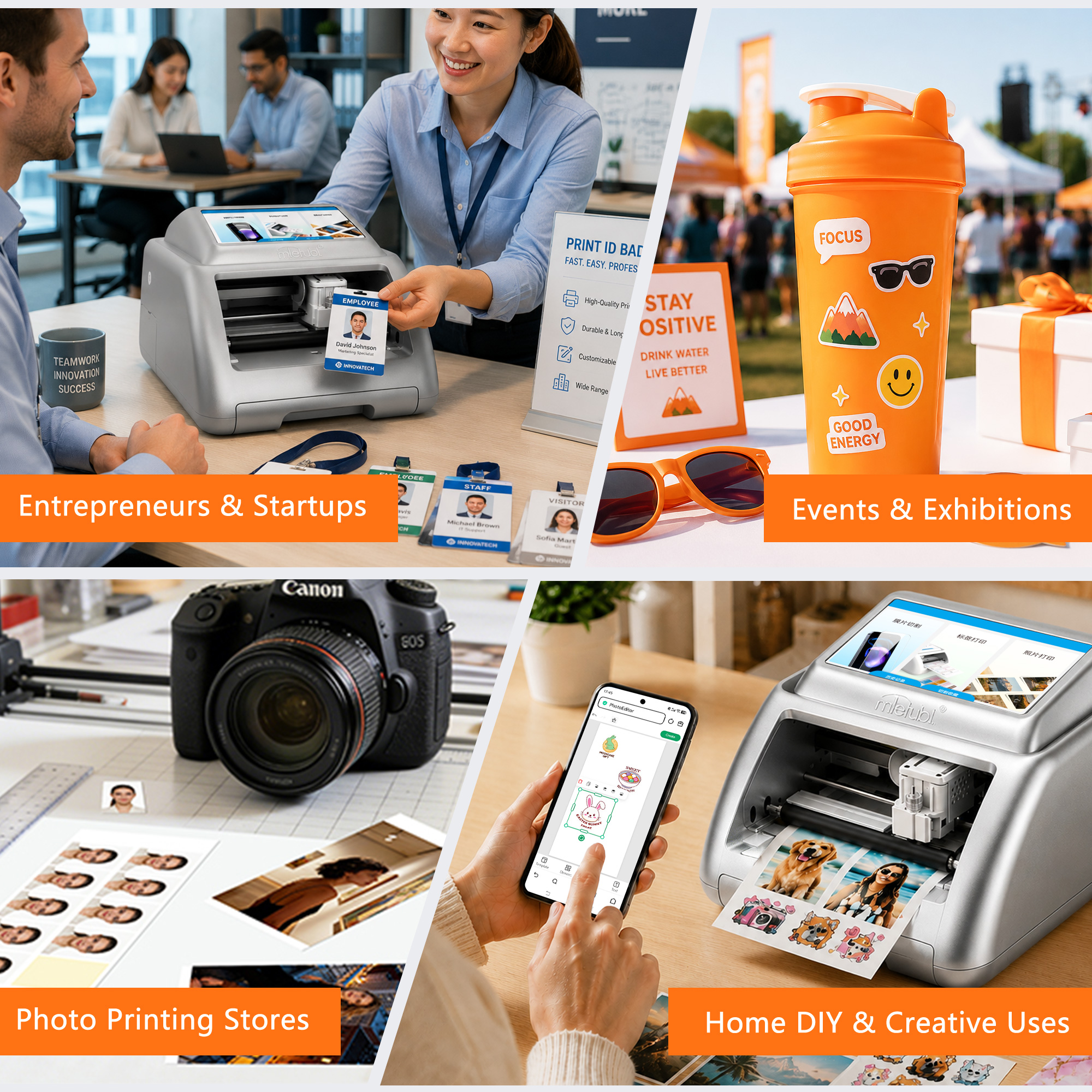
Distributors may benefit from segmenting inventory into three groups: proven items held as finished stock, variable items produced on demand, and low-demand items offered only after confirming material and template availability. This approach can balance service speed with inventory exposure without assuming that one production method suits every market.
Common Questions
Does the M888 eliminate model-specific inventory?
No. It can reduce dependence on finished stock for suitable products, but fast-moving items may still be more practical to hold ready for sale.
What should buyers confirm before deployment?
Confirm compatible media, software and template access, supplied accessories, operator responsibilities, packaging needs, and the after-sales procedure for the destination market.
How should a distributor evaluate a pilot?
Compare avoided finished SKUs, material usage, production time, customer waiting tolerance, and repeat demand before deciding whether to scale the on-demand model.
Conclusion
Choose the MTB-CUT M888 when flexible production can absorb uncertain demand more efficiently than broad model-specific stocking. Retain finished inventory for proven sellers, pilot on-demand output for variable requests, and scale only after measuring the effect on service speed, material use, and inventory exposure.
About Mietubl
Mietubl is a Guangzhou-based mobile accessories brand whose name reflects its guiding idea: Make It Easier To Use, Better Life. With roots in the mobile accessories industry dating to 1998 and the MIETUBL brand registered in 2010, the company focuses on products that make everyday digital use simpler and more practical.
Its portfolio includes screen protectors, intelligent screen protector cutting machines, film materials, data cables, chargers, power banks, and audio accessories. By combining design, product development, manufacturing, and channel support, Mietubl works with distributors and retailers serving a broad range of mobile accessory needs, with products exported to more than 120 countries and regions.
For product information, samples, or distribution opportunities, contact Marketing@mietubl.com or visit www.mietubl.com.
Was this article helpful?
Your feedback helps us improve future articles.