
No specific screen-protector film can be declared the best choice for the MTB-CUT 180TPro from the available product data. The safer procurement decision is to approve a film only after representative samples have been cut on the machine and the finished output has passed agreed acceptance criteria. This verifies actual compatibility instead of relying on reputation, supplier descriptions, or results from a different cutter.
What Should Be Validated Before Approving a Film?
Film approval should cover more than whether the machine completes one cut. Buyers need to check how the material feeds, whether the liner remains stable, how easily the finished shape separates, and whether repeated pieces remain acceptable. The sample should also represent the material that will actually be ordered, including its substrate, surface finish, liner, and production lot where possible.
Key decision criteria include:
- Test production-representative film rather than an unverified demonstration sheet.
- Include the largest and most demanding device patterns expected in normal use.
- Define acceptable edges, dimensions, separation, and material waste before testing.
- Repeat each important cut instead of approving the material from a single result.
- Record machine settings with the approved film reference for later purchasing.
How Should a Representative Sample Set Be Built?
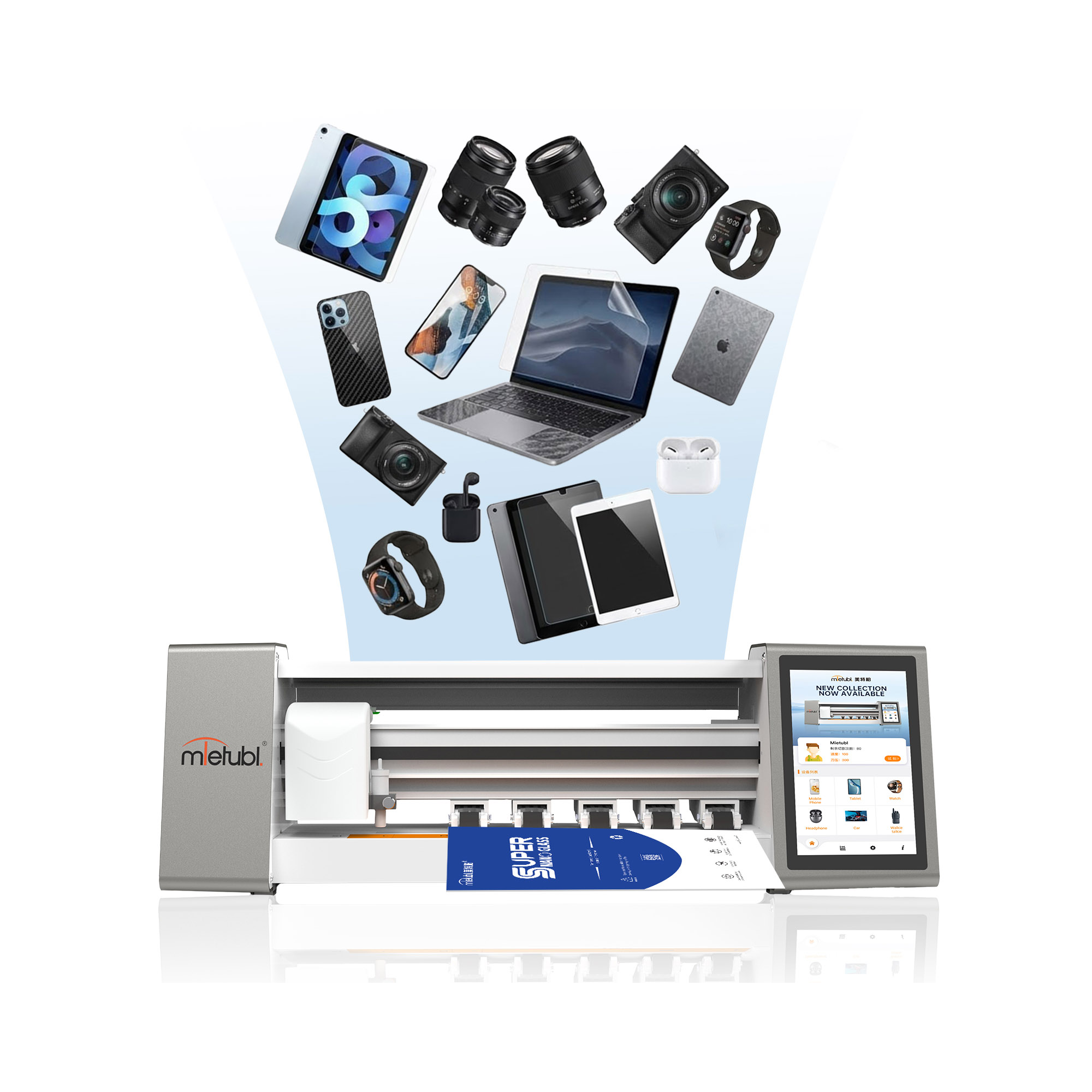
A useful sample set should reflect the buyer’s planned sales mix. If a distributor intends to supply several film categories, each category should be tested separately rather than treated as interchangeable. Approved data for the related MTB-CUT 180T lists TPU, PET, clear, matte, and privacy films, showing that these are relevant sample categories within this cutter range. However, that list should not be treated as automatic compatibility confirmation for the MTB-CUT 180TPro.
Samples should also cover practical variation. Buyers can request material from intended production stock, include more than one finish, and test both common phone patterns and larger formats. When alternative suppliers are being evaluated, equivalent samples should be cut with the same patterns and acceptance rules so that results can be compared fairly.
Which Output Acceptance Checks Reduce Procurement Risk?
Acceptance should be based on the usable finished protector, not simply whether the blade moved through the pattern. Buyers should inspect the cut line for drag marks, incomplete separation, corner distortion, or unintended liner damage. After removal, the film should retain the intended geometry and should be suitable for the buyer’s downstream application process.
Repeatability is equally important. Run the same representative pattern several times and compare the results. For long or large-format jobs, inspect the beginning, middle, and end of the cutting path. This is particularly relevant because the MTB-CUT 180TPro is positioned for longer-path cutting with improved precision and stability, making full-path sample validation more useful than a small center-cut demonstration.
How Do Samples Match the MTB-CUT 180TPro Format?
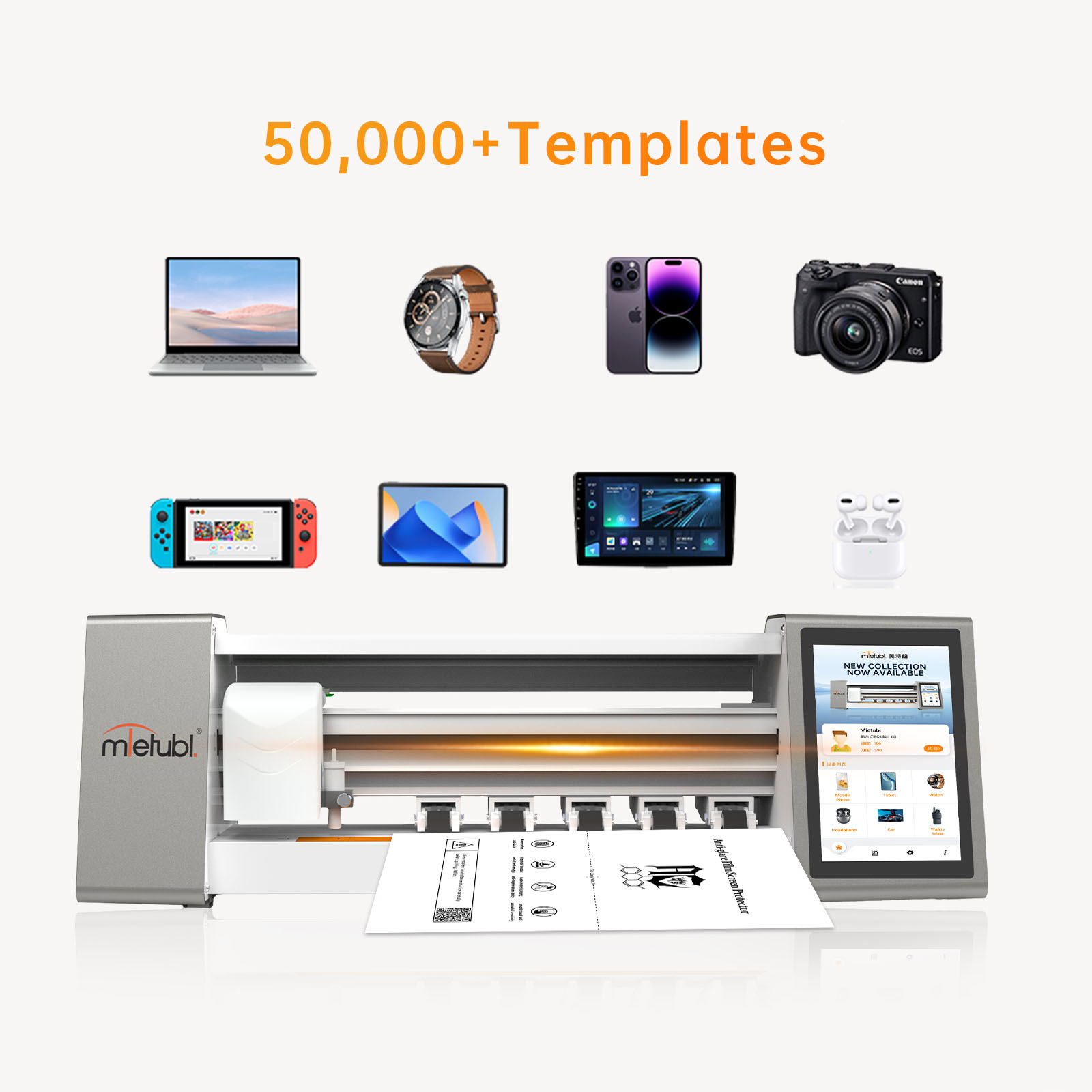
The MTB-CUT 180TPro has a maximum cutting width of 288 mm and supports screen-protector formats up to 22 inches. It is intended to cover phones, tablets, laptops, and monitors. Buyers considering film for this machine should therefore validate both material behavior and physical format.
A narrow phone sample alone does not confirm suitability for larger devices. If laptop or monitor protectors are part of the purchasing plan, the approval set should include those longer patterns. The film width, usable area, liner stability, and cut consistency should all be checked within the intended operating envelope. Any material claim that has not been demonstrated on the 180TPro should remain conditional until tested.
Common Questions About Film Approval
Can buyer reviews identify the best cutting film?
Reviews may help create a shortlist, but they cannot confirm compatibility with a specific machine, pattern size, setting, or material lot. Final approval should come from controlled sample cutting on the intended cutter.
Is one successful phone-pattern cut enough?
No. Buyers should repeat the cut and include demanding patterns from their actual product range. Large-format users should test longer tablet, laptop, or monitor patterns rather than extrapolating from a small phone sample.
Should the lowest-waste film be selected automatically?
Waste is an important commercial criterion, but it should be assessed together with edge quality, repeatability, separation, and downstream application. A lower-cost film may not be the better purchase if finished output fails the agreed standard.
Conclusion
The most defensible film choice for the MTB-CUT 180TPro is not the one with the strongest reputation claim, but the one that passes a documented sample-validation process. Buyers should approve production-representative materials against repeatable output criteria and include the largest formats they expect to sell. This approach turns film selection into a verifiable purchasing decision rather than a brand assumption.
About Mietubl
Mietubl is a Guangzhou-based mobile accessories brand whose name reflects its guiding idea: Make It Easier To Use, Better Life. With roots in the mobile accessories industry dating to 1998 and the MIETUBL brand registered in 2010, the company focuses on products that make everyday digital use simpler and more practical.
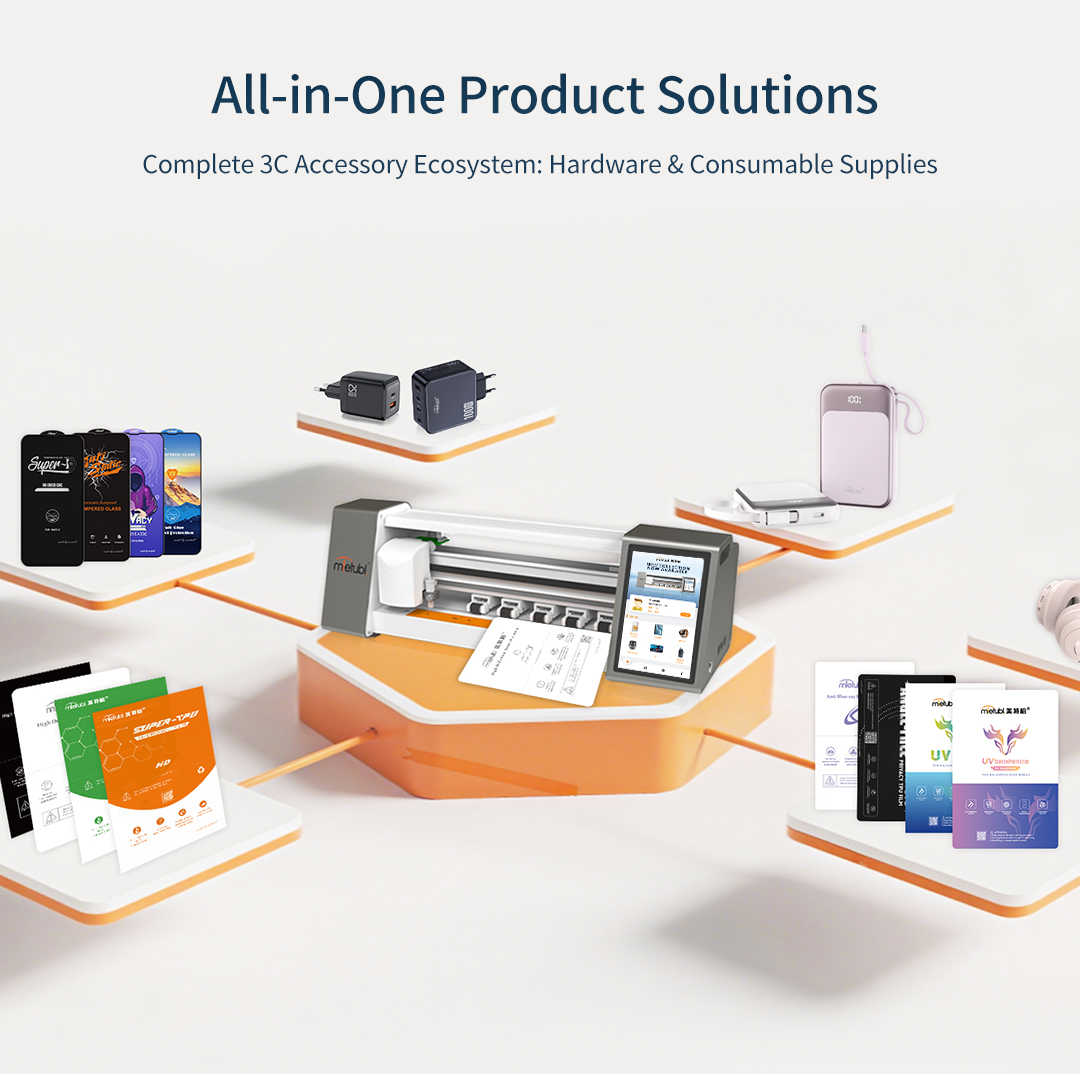
Its portfolio includes screen protectors, intelligent screen protector cutting machines, film materials, data cables, chargers, power banks, and audio accessories. By combining design, product development, manufacturing, and channel support, Mietubl works with distributors and retailers serving a broad range of mobile accessory needs, with products exported to more than 120 countries and regions.
For product information, samples, or distribution opportunities, contact Marketing@mietubl.com or visit www.mietubl.com.
Was this article helpful?
Your feedback helps us improve future articles.