
Approve the MTB-CUT M688 fully automatic smartphone screen protector cutting machine only after testing it with the film materials, device sizes, and workflows intended for commercial use. Its three-in-one cutting, application, and UV-curing workflow can reduce separate process steps, but buyers should confirm material behavior and define acceptable finished output before placing a production order.
Validation Decision Before Purchase
The central sourcing question is not whether the machine completes a demonstration. It is whether representative samples consistently meet the buyer’s operating and finish requirements.
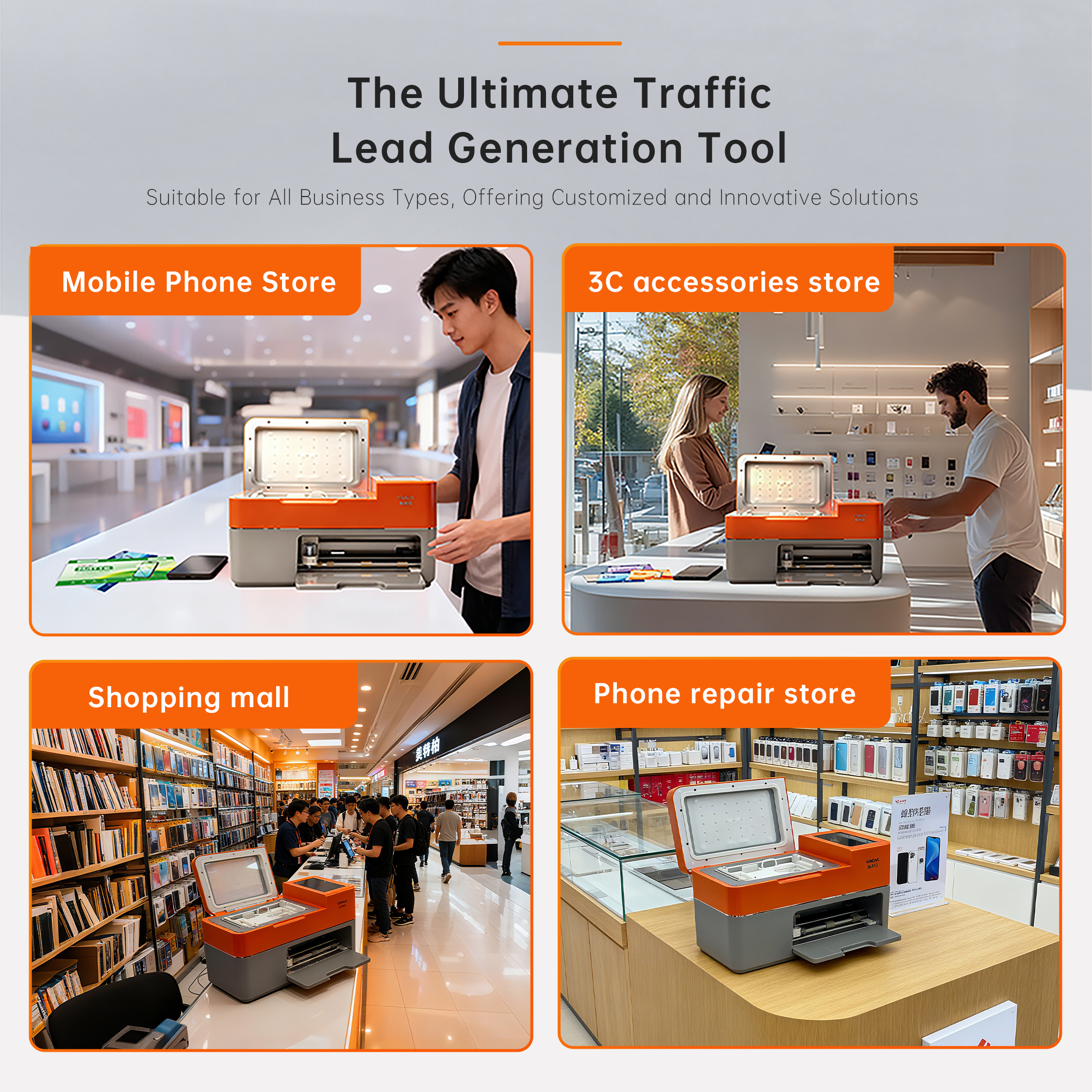
- Test actual film SKUs: Do not substitute an unfamiliar demonstration film for planned inventory.
- Include demanding formats: Use both routine phone models and larger or more complex shapes.
- Assess the complete workflow: Check cutting, guided application, and UV curing where the material requires it.
- Set acceptance rules first: Record what constitutes a pass before samples are produced.
Material Compatibility Is the Primary Approval Risk
The approved M688 information does not identify a specific list of compatible film types. Buyers therefore should not assume that every TPU, PET, privacy, matte, or UV film used elsewhere in their business will process identically on this model.
Send production-representative film samples for testing. Observe feeding stability, liner behavior, edge lifting, cut separation, adhesive response, and the finished surface after application. The machine includes a 395 nm UV-curing function, but UV-related acceptance should be based on the buyer’s actual compatible film system rather than a general assumption about all materials.
Material qualification should also cover different finishes and supplier batches when those variations are commercially important. A pass on one sample confirms only that tested combination.
Build a Representative Sample Test, Not a Demo Test
The M688 supports a maximum cutting size of 14.6 inches, with a stated maximum material width of 235 mm and maximum cutting width of 213 mm. A sample plan should therefore include the device categories and dimensions that matter to the intended assortment, especially products approaching the upper working range.
Use a balanced sample set containing high-volume phone models, at least one larger device format, shapes with detailed openings, and materials that have previously been difficult to apply. Run each sample through the intended operator workflow rather than judging loose cut pieces alone.
The machine can be controlled through an app or its built-in operating system and supports offline cutting. Buyers planning different shop or factory setups should test the actual control method employees will use, including model selection and job execution.
Define Output Acceptance Before the Trial
The stated cutting accuracy is 0.1 mm, but procurement acceptance should focus on finished, usable output. Buyers should define tolerances that match their products instead of automatically treating a nominal equipment figure as the complete acceptance standard.
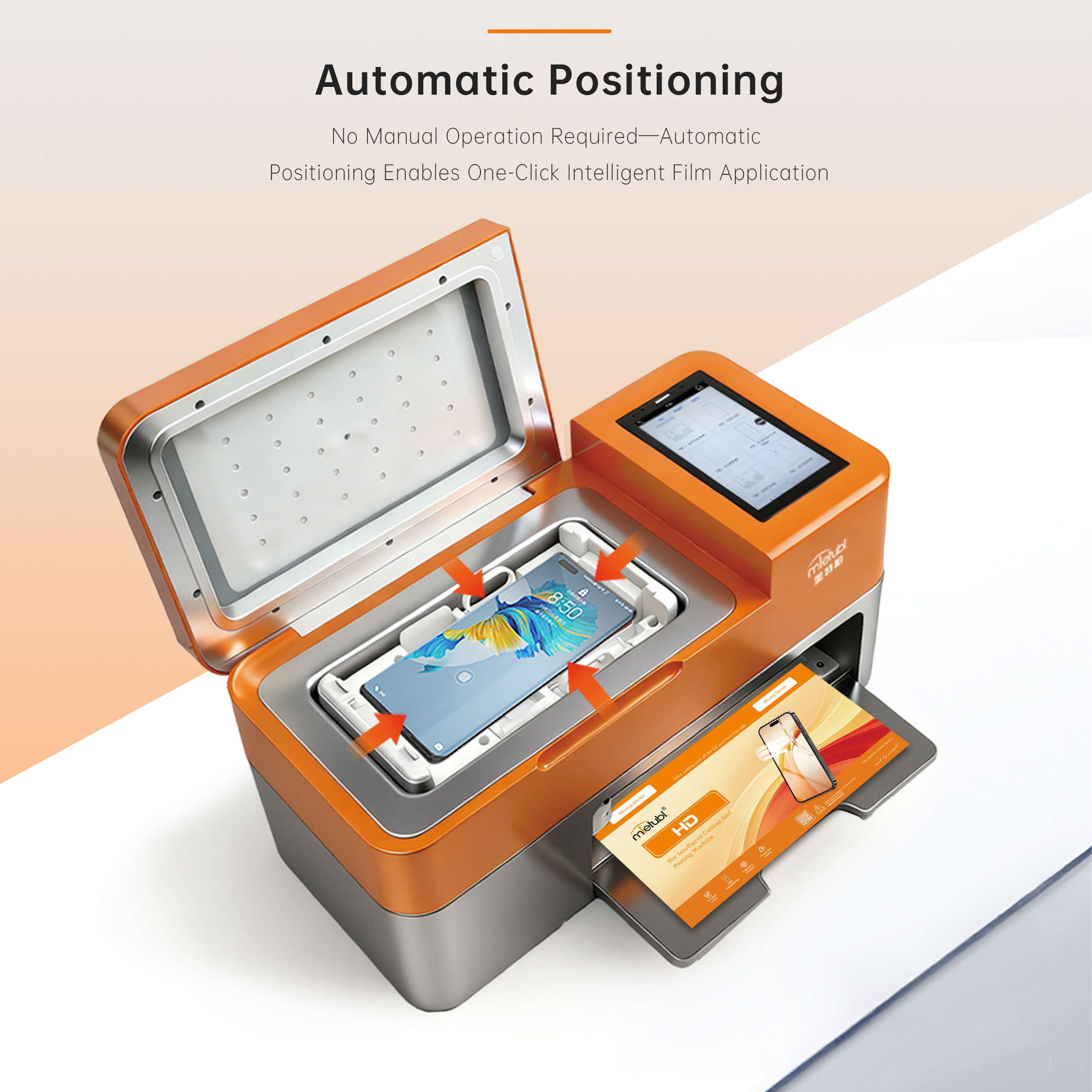
A practical approval record can cover dimensional alignment, opening position, edge quality, clean removal from the surrounding material, application alignment, visible bubbles or wrinkles, and post-curing appearance where relevant. It should also identify the film SKU, device model, operator, settings, and result for each sample.
Separate machine-related defects from material or operator issues during review. If results vary, repeat the sample under controlled settings before approval. This makes the purchasing decision easier to audit and gives both parties a clearer basis for resolving output disagreements.
Common Questions
Does one successful film sample prove compatibility?
No. It demonstrates only that one material, device file, setting combination, and workflow produced an acceptable result. Buyers should test the main materials and formats included in their intended assortment.
What should a buyer send for sample validation?
Send the actual film SKUs planned for use, the relevant device or size list, and written finish requirements. Include challenging materials or shapes rather than supplying only the easiest products.
Who should approve the sample output?
The person responsible for product quality or store operations should approve it against documented criteria. Sales demonstrations can inform the decision, but production acceptance should reflect the standards used for customer-ready work.
Conclusion
The MTB-CUT M688 is a suitable candidate when a buyer wants cutting, guided application, and UV curing in one workflow, but final approval should remain conditional on representative material testing. Confirm the actual film assortment, evaluate finished output, and sign off against written acceptance criteria before committing to operational deployment.
About Mietubl
Mietubl is a Guangzhou-based mobile accessories brand whose name reflects its guiding idea: Make It Easier To Use, Better Life. With roots in the mobile accessories industry dating to 1998 and the MIETUBL brand registered in 2010, the company focuses on products that make everyday digital use simpler and more practical.
Its portfolio includes screen protectors, intelligent screen protector cutting machines, film materials, data cables, chargers, power banks, and audio accessories. By combining design, product development, manufacturing, and channel support, Mietubl works with distributors and retailers serving a broad range of mobile accessory needs, with products exported to more than 120 countries and regions.
For product information, samples, or distribution opportunities, contact Marketing@mietubl.com or visit www.mietubl.com.
Was this article helpful?
Your feedback helps us improve future articles.