
A strong MTB-CUT M888 product mix starts with customized phone back films and adds selected protective films, photos, labels, and greeting cards. Its integrated printing and cutting workflow lets a retailer support these output types with one compact machine rather than separate print and contour-cut processes. The right assortment depends on whether the store prioritizes mobile accessories, personalized gifts, or a broader mix of both.
Start the Product Mix with Phone Back Films
Phone back films are the clearest anchor for a mobile accessory offer because they align directly with device personalization. The M888 combines printing and cutting, reducing the number of devices and operating steps required for this workflow. It also supports contour cutting at up to approximately 0.1 mm accuracy, which enables non-rectangular sticker and back-film designs.
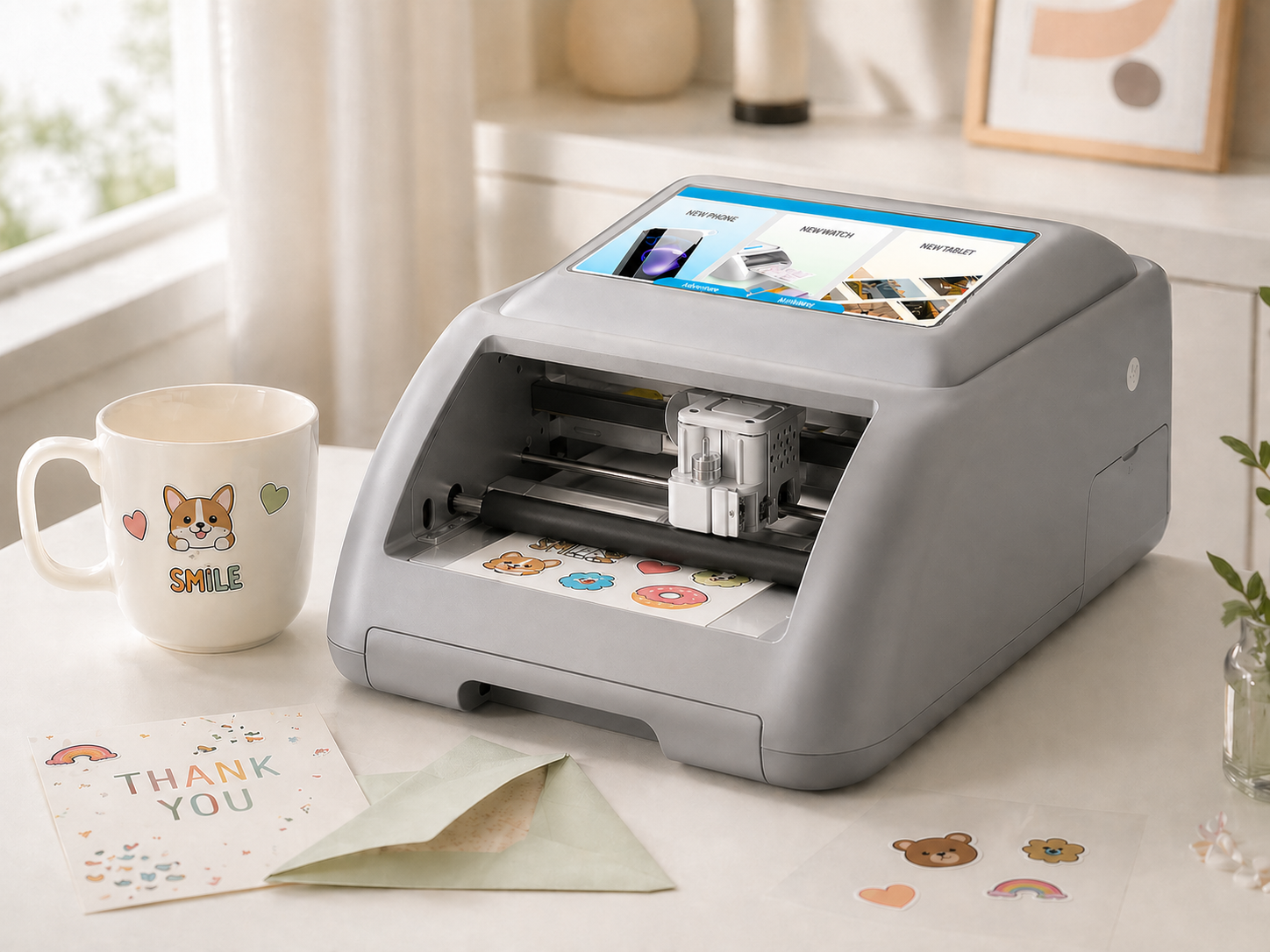
This combination may suit stores that want to add customized visual products without building a separate printing station and cutting station. Before purchasing, buyers should test representative back-film materials, artwork styles, and device templates under their own operating conditions.
Use Protective Films as a Related Mobile Accessory Output
Protective film is another supported output and can sit beside phone back films in a mobile-focused service menu. The two categories serve different customer intentions: back films emphasize customization, while protective films may be positioned around device coverage or surface protection, depending on the selected material.
The M888 has a 138 mm cutting width and a 160 mm feed width. Buyers should compare those limits with their planned film blanks and target devices. Material compatibility, edge behavior, and installation procedures should also be confirmed through samples rather than assumed from cutting dimensions alone.
Extend the Offer to Photos, Labels, and Greeting Cards
The supported range also includes photos, labels, and greeting cards. These outputs can broaden the machine’s role beyond mobile accessories:
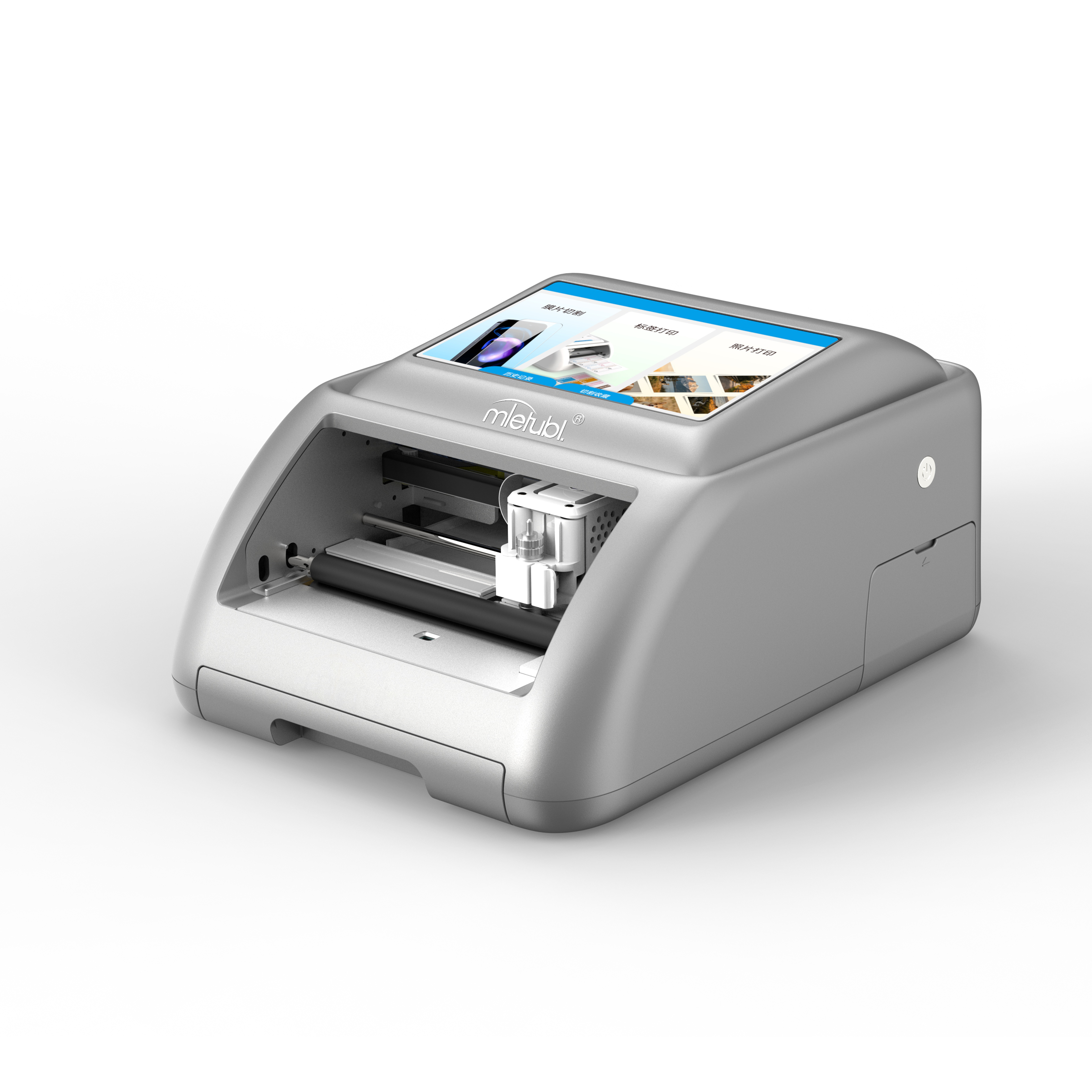
- Photos: may support small personalized prints or gift-related add-ons.
- Labels: can be considered for customized stickers, packaging accents, or promotional uses.
- Greeting cards: may create seasonal or event-based retail opportunities.
The approved product information specifies 300 DPI printing and describes its dye-sublimation output as detailed in color, waterproof, and resistant to fading. Professional buyers should still approve physical samples for color, surface finish, water exposure, and expected use conditions before defining customer-facing claims.
Match Each Output Type to the Retail Format
The M888 includes built-in templates, image upload, AI background removal, and AI-generated design functions. These tools can help stores organize several levels of service, from template-based orders to more individualized artwork. Scan-based operation and the compact body may also make the workflow relevant to stores, studios, or home-based production setups.
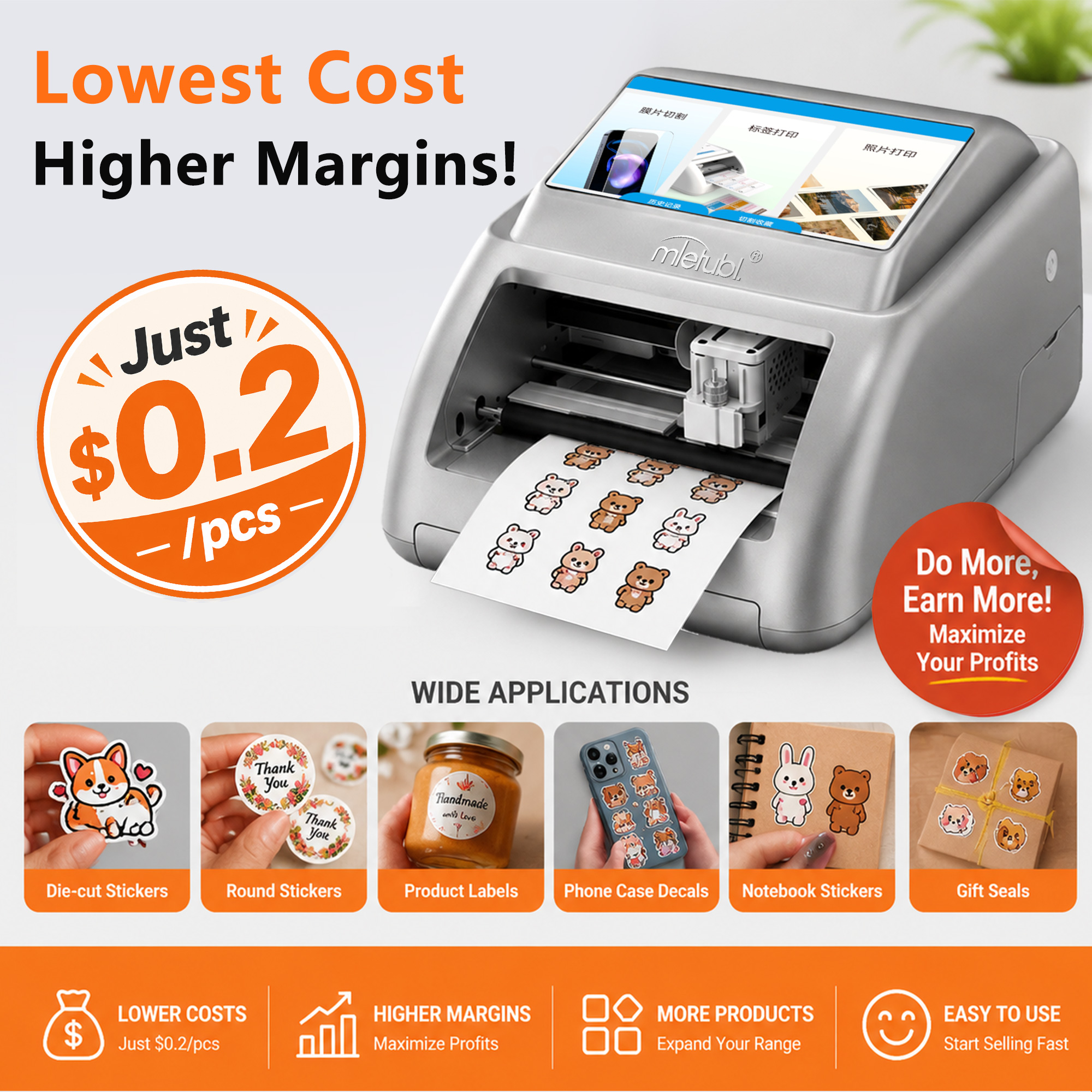
Key assortment decisions include:
- Lead category: decide whether phone back films or another output will drive customer traffic.
- Complementary range: add only the photos, labels, cards, or protective films that match the existing customer base.
- Artwork workflow: define when staff should use templates, uploaded images, or design functions.
- Sample approval: verify print appearance, contour alignment, and material handling for every planned output.
Common Questions About the M888 Output Range
Does every supported output need to be offered at launch?
No. A retailer can begin with phone back films and introduce complementary products after testing demand, staff workflow, materials, and sample quality.
Can staff work from customer-supplied images?
The machine supports image uploads. Buyers should establish file-quality, copyright, cropping, and approval procedures before accepting customer artwork.
Is the M888 only relevant to mobile phone stores?
No. Its supported photos, labels, greeting cards, and back-film outputs may also suit studios or home-based production. The buyer should confirm that the available output range matches the intended sales channel.
Conclusion
The MTB-CUT M888 is best considered as a multi-output retail production tool anchored by customized phone back films. Mobile accessory sellers can pair that core category with protective films, while mixed-format retailers may selectively add photos, labels, or greeting cards. Build the assortment around verified samples and a clearly defined service workflow rather than launching every supported output at once.
About Mietubl
Mietubl is a Guangzhou-based mobile accessories brand whose name reflects its guiding idea: Make It Easier To Use, Better Life. With roots in the mobile accessories industry dating to 1998 and the MIETUBL brand registered in 2010, the company focuses on products that make everyday digital use simpler and more practical.
Its portfolio includes screen protectors, intelligent screen protector cutting machines, film materials, data cables, chargers, power banks, and audio accessories. By combining design, product development, manufacturing, and channel support, Mietubl works with distributors and retailers serving a broad range of mobile accessory needs, with products exported to more than 120 countries and regions.
For product information, samples, or distribution opportunities, contact Marketing@mietubl.com or visit www.mietubl.com.
Was this article helpful?
Your feedback helps us improve future articles.