
For an in-store service centered on drop protection, choose tempered glass when the supplier can provide relevant impact evidence. The approved data includes tested impact and edge-strength figures for a reinforced glass protector, but no comparable hydrogel results. If the intended workflow also includes design, printing, and cutting, treat those as separate procurement checkpoints: customization is supported, while on-site printing and cutting are not documented.
How should the counter workflow start?
The first step should be identifying the customer's priority rather than treating every protector as interchangeable. A buyer seeking impact protection needs a different recommendation from someone prioritizing privacy, reduced fingerprints, or a borderless display.
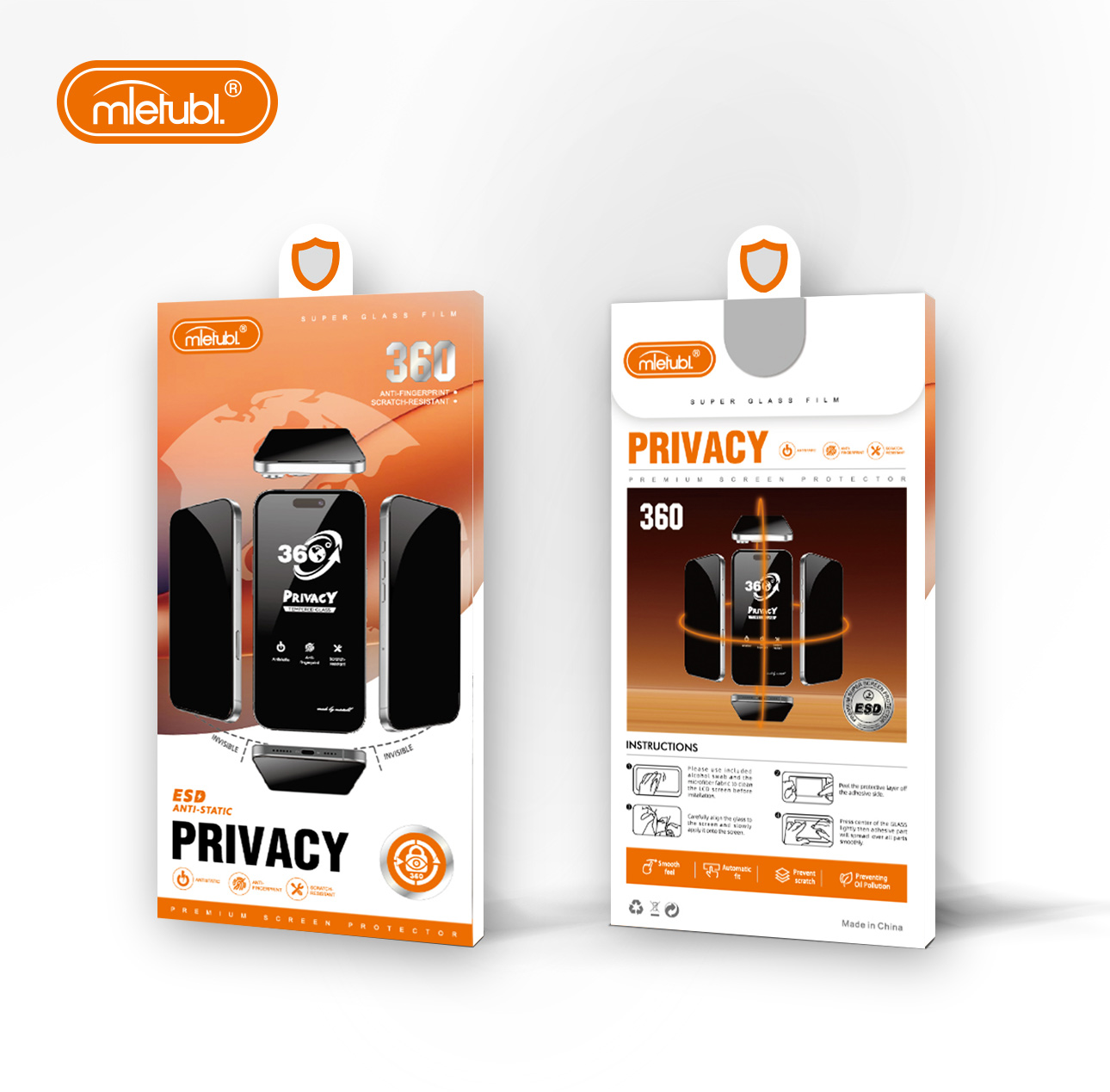
Retailers can structure the service menu around a small number of clearly defined outcomes. The available glass range includes reinforced impact protection, antistatic installation, four-way privacy, matte privacy, and borderless display options. This can make selection easier for staff while reducing the risk of selling privacy features as proof of drop resistance.
- Lead with the use case: impact, privacy, display clarity, or surface feel.
- Require comparable test evidence: do not assume hydrogel or glass is universally more protective.
- Separate customization from production: packaging and logo options do not establish in-store printing capability.
- Confirm cutting compatibility: the supplied glass specifications do not describe on-demand cutting.
Where do design and printing fit before the sale?
For this product range, design is most clearly supported at the branding and packaging stage. The 360 Privacy Glass supports OEM/ODM, customized packaging, and small-batch purchasing. Distributors may therefore develop a branded privacy tier, cleaning kit presentation, or store-specific package before the stock reaches the service counter.
That is different from printing graphics directly onto a protector during a customer visit. The approved information does not describe an in-store printer, printable film media, software templates, or print durability. Buyers planning a personalized-print service should obtain separate confirmation covering the printable material, equipment, ink or transfer method, and finished-product handling.
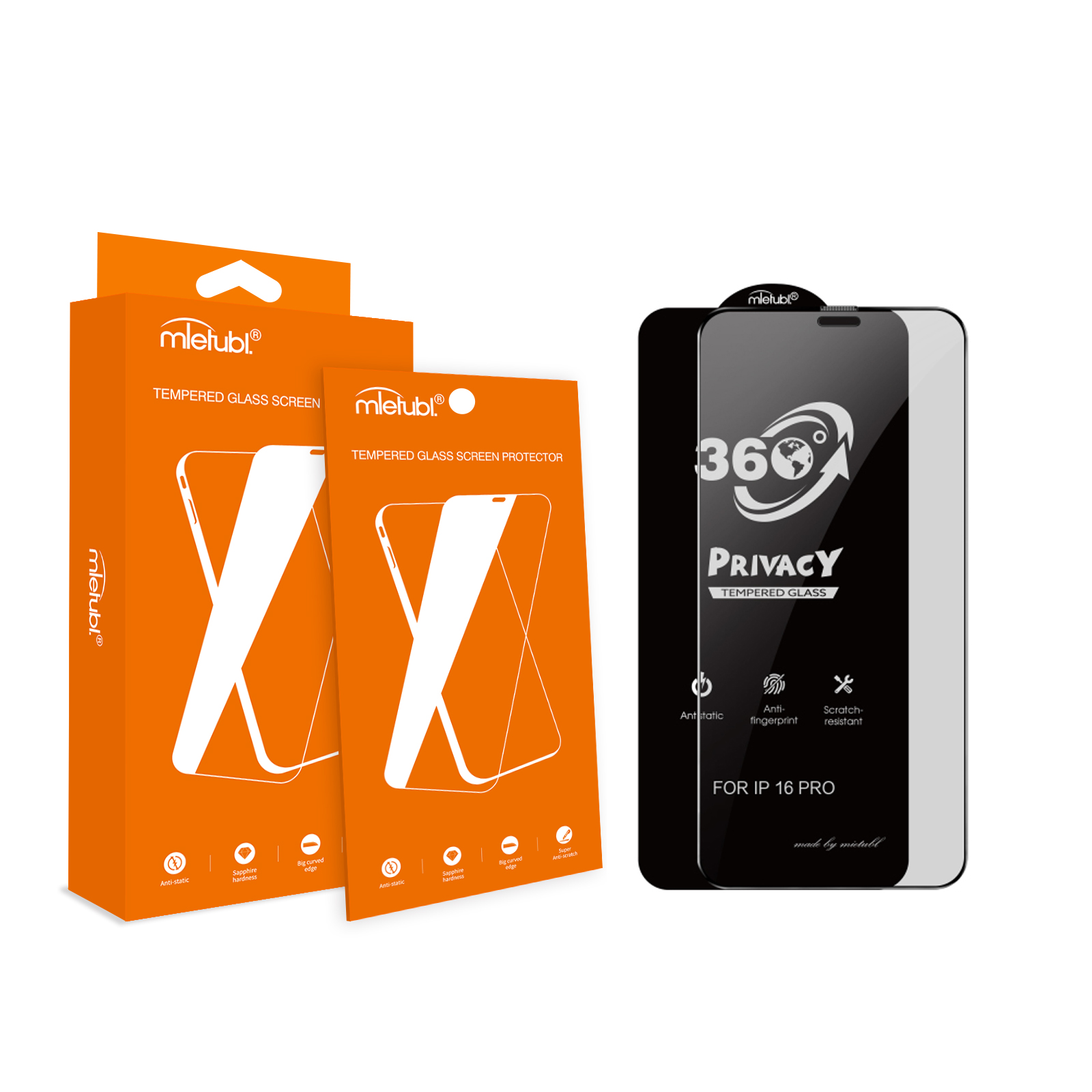
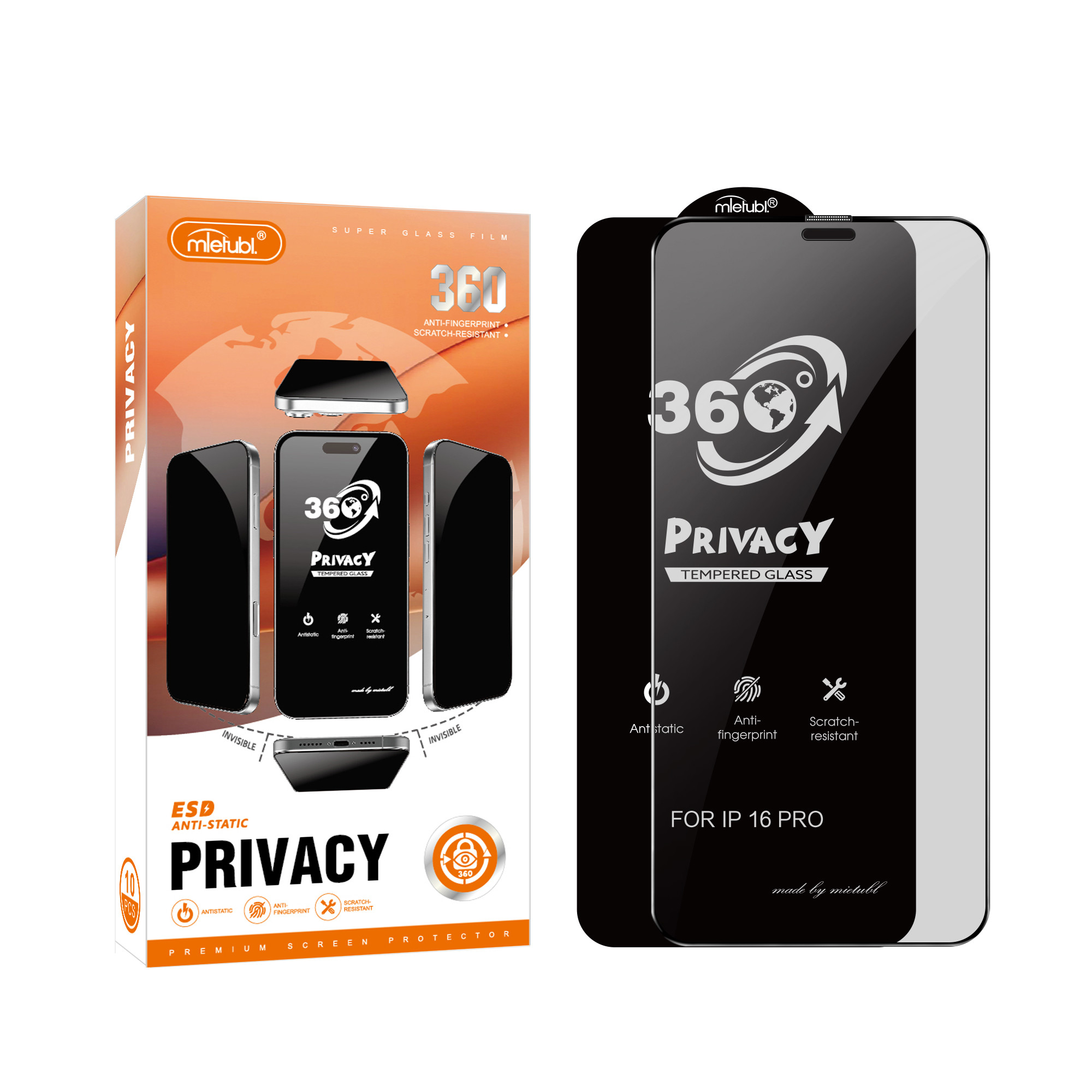
At the counter, staff can instead focus on matching the phone model and explaining the selected value. For example, 360 Privacy Glass is positioned around four-direction privacy, clear frontal viewing, responsive touch, and compatibility with Face ID rather than customized graphics.
Why must cutting be validated before deployment?
The available specifications show that construction can vary by phone model. The Antistatic Glass uses different adhesive thicknesses according to the model, while the AG Matte Privacy Glass specifies a different antistatic adhesive configuration for certain iPhone variants to reduce white-edge issues. These details indicate that fit and adhesive selection matter to the finished installation.
However, the data does not state that these tempered glass products can be loaded into a retail cutting machine. A store planning to cut universal hydrogel sheets on demand should not use the glass specifications as evidence that the same process applies. Before purchasing equipment or consumables, buyers should confirm supported material types, model-file availability, cutting tolerances, camera and speaker openings, and whether each finished protector requires model-specific adhesive construction.
How does impact evidence change the installation offer?
The reinforced Xuanjia Impact-Resistant Glass provides the clearest support for an impact-focused retail tier. Its approved specifications include a 2-meter, 64-gram steel-ball impact test, Mohs 6 surface hardness, and edge pressure resistance of 25–30 kg. It also uses strengthened high-alumina glass designed for flexibility and reduced breakage during transport and installation.
No equivalent hydrogel test figures are supplied, so a direct material-wide claim would be unsupported. The practical procurement decision is to sell the glass option on its documented evidence and ask hydrogel suppliers for tests using comparable methods and conditions.
For service consistency, stores should define a recommended sequence: confirm the phone model, select the protection tier, inspect alignment and edge fit, complete installation, and verify touch response and relevant biometric functions. Antistatic and anti-bubble adhesive features may support easier fitting, but staff training and model compatibility should still be checked before rollout.
Common Questions
Is tempered glass always more drop-resistant than hydrogel?
No universal conclusion can be made from the supplied information. The approved range contains specific impact evidence for reinforced tempered glass, while no comparable hydrogel test results are available.
Can store staff cut these tempered glass protectors on demand?
On-demand cutting is not documented. Buyers should confirm the supply format and cutting-machine compatibility rather than assuming that glass products follow a universal-film workflow.
Can 360 Privacy Glass use the same retail installation process?
It can be presented within the same model-selection and fitting process as a privacy option. Staff should explain its four-way viewing restriction and verify normal display, touch, and Face ID operation after installation.
Conclusion
For a retail service built around defensible impact protection, tested tempered glass is the stronger decision from the available evidence. Add branded packaging where useful, but do not commit to in-store printing or cutting until the relevant media, equipment, model files, and compatibility requirements have been independently confirmed.
About Mietubl
Mietubl is a Guangzhou-based mobile accessories brand whose name reflects its guiding idea: Make It Easier To Use, Better Life. With roots in the mobile accessories industry dating to 1998 and the MIETUBL brand registered in 2010, the company focuses on products that make everyday digital use simpler and more practical.
Its portfolio includes screen protectors, intelligent screen protector cutting machines, film materials, data cables, chargers, power banks, and audio accessories. By combining design, product development, manufacturing, and channel support, Mietubl works with distributors and retailers serving a broad range of mobile accessory needs, with products exported to more than 120 countries and regions.
For product information, samples, or distribution opportunities, contact Marketing@mietubl.com or visit www.mietubl.com.
Was this article helpful?
Your feedback helps us improve future articles.