
The MTB-CUT 180TPro fits a retail screen protector workflow as the model-selection and cutting station: staff identify the customer’s device, select the matching template, load suitable film, and send the cutting command. Its extended cutting format can support phones as well as larger devices. However, printing is not listed as an integrated function, so retailers offering printed back films or decorative products should plan a separate printing step.
How the Counter Workflow Operates
At a kiosk, pop-up stall, or mobile accessory counter, the process can begin when a customer presents a device. Staff can search for the relevant model using the machine interface or a connected Android app, confirm the template, position the film, and start cutting. After the cut is complete, the finished protector moves to the preparation and application stage.
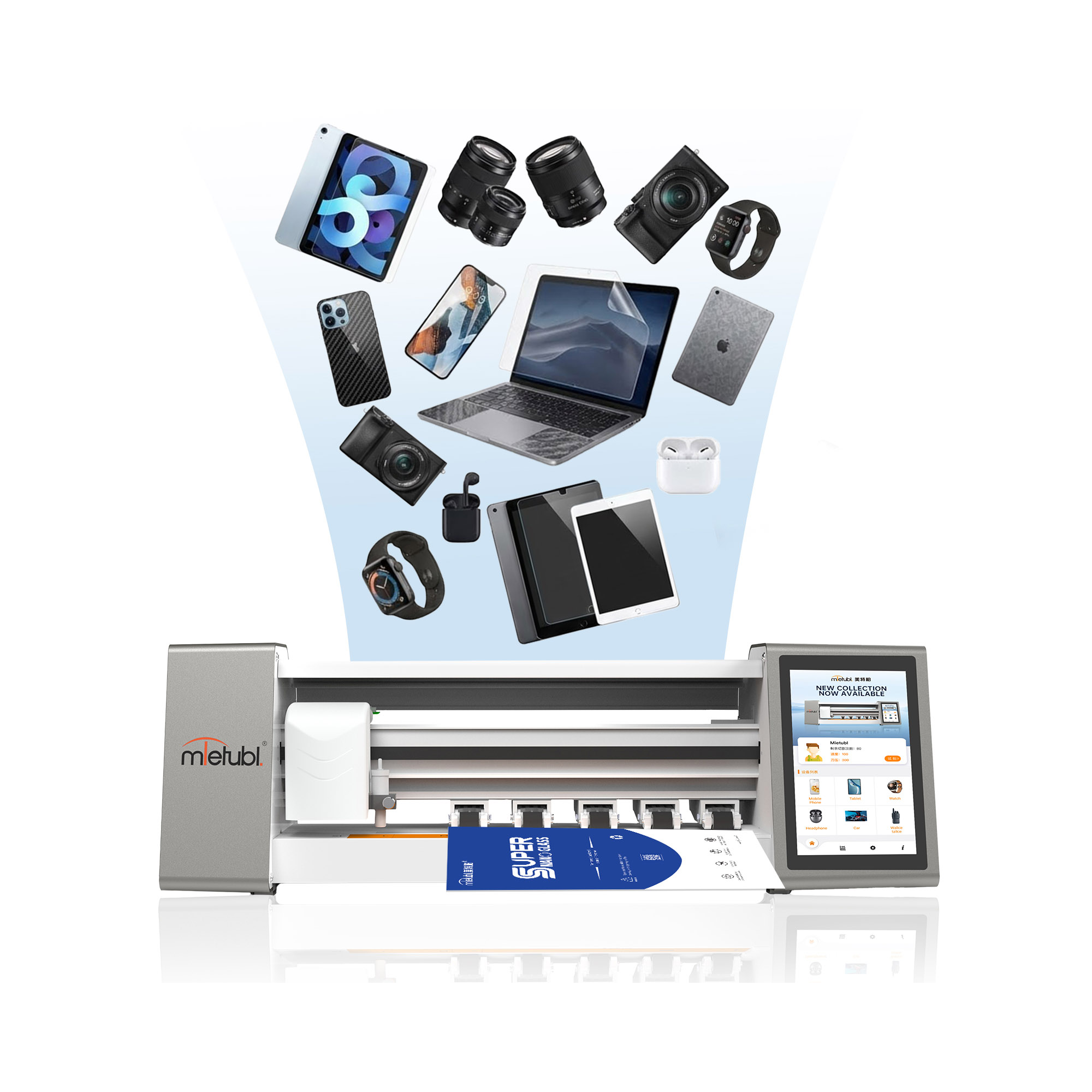
This on-demand approach may help retailers serve a wider device mix without organizing every protector as a separate pre-cut SKU. Buyers should still establish clear procedures for confirming the exact model, checking the selected material, and inspecting the cut before installation.
Key Workflow Criteria for a Retail Stall
- Device range: The machine supports screen protector sizes up to 22 inches, making it relevant to phones, tablets, laptops, and monitors.
- Counter operation: A 7-inch color touchscreen provides an onboard interface for staff.
- Remote selection: Android app connectivity allows operators to find models and send cutting instructions.
- Service scope: Printing is a separate requirement rather than part of the 180TPro cutting function.
From Model Selection to Film Cutting
For this machine, “design” is primarily template selection rather than creating artwork from scratch. The dedicated cloud system is described as synchronizing new-device data around the clock across more than 130 countries and covering over 50,000 models. That database can be valuable for a retail service handling changing device demand, but buyers should confirm that the models important to their local market are available.
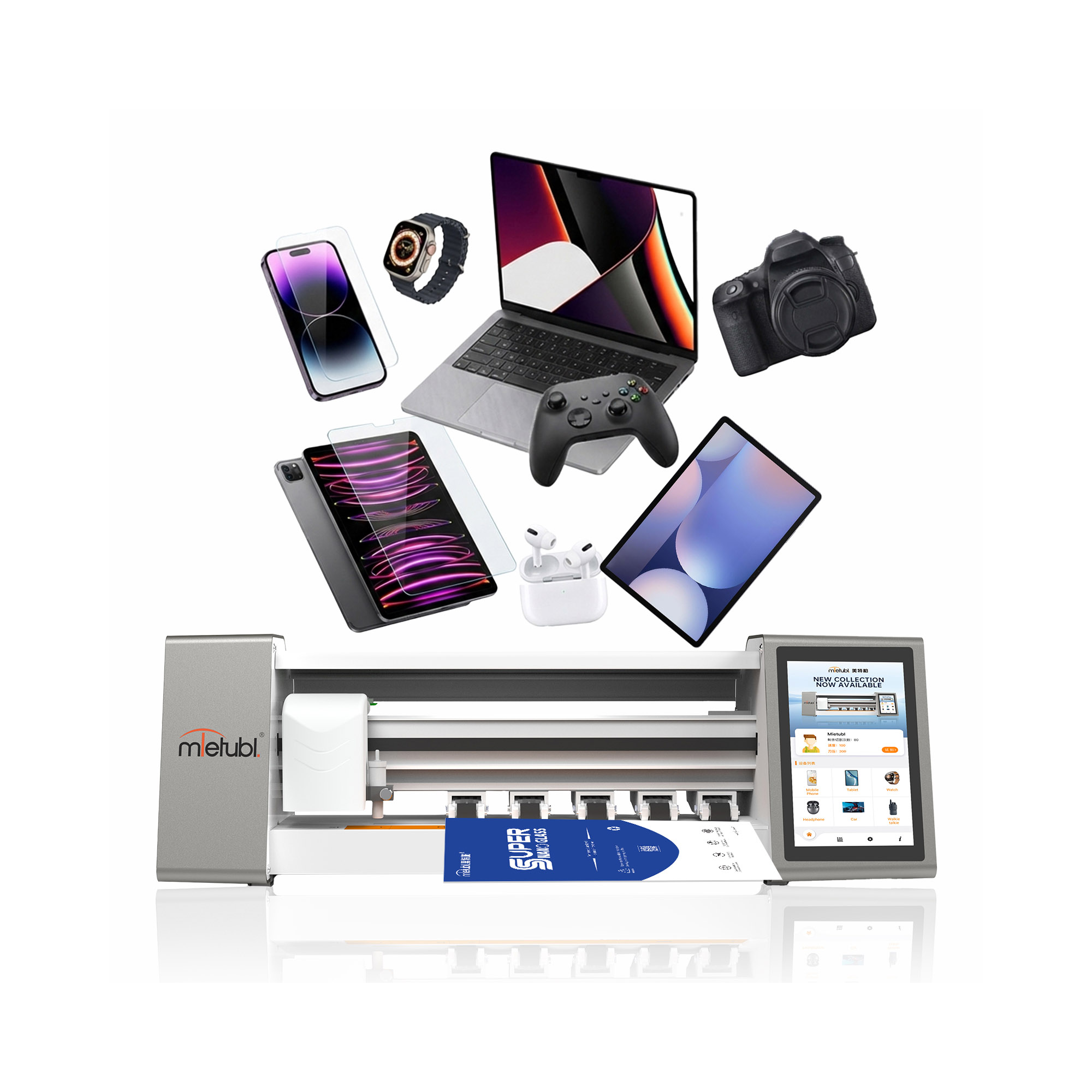
Once a template is selected, the 288 mm maximum cutting width and extended cutting path support larger-format protectors. The approved product information also identifies more stable long-path cutting and reduced material waste as buyer-value points. Actual results may still depend on correct loading, suitable film, blade condition, and operator procedures.
Where Printing Fits Before Cutting
The 180TPro should be treated as a film cutter, not as a printer. For clear, privacy, matte, or similar unprinted screen protector services, the workflow can move directly from model selection to cutting. If the stall sells personalized images, decorative phone backs, labels, or other printed products, artwork preparation and printing should occur before contour cutting or finishing.
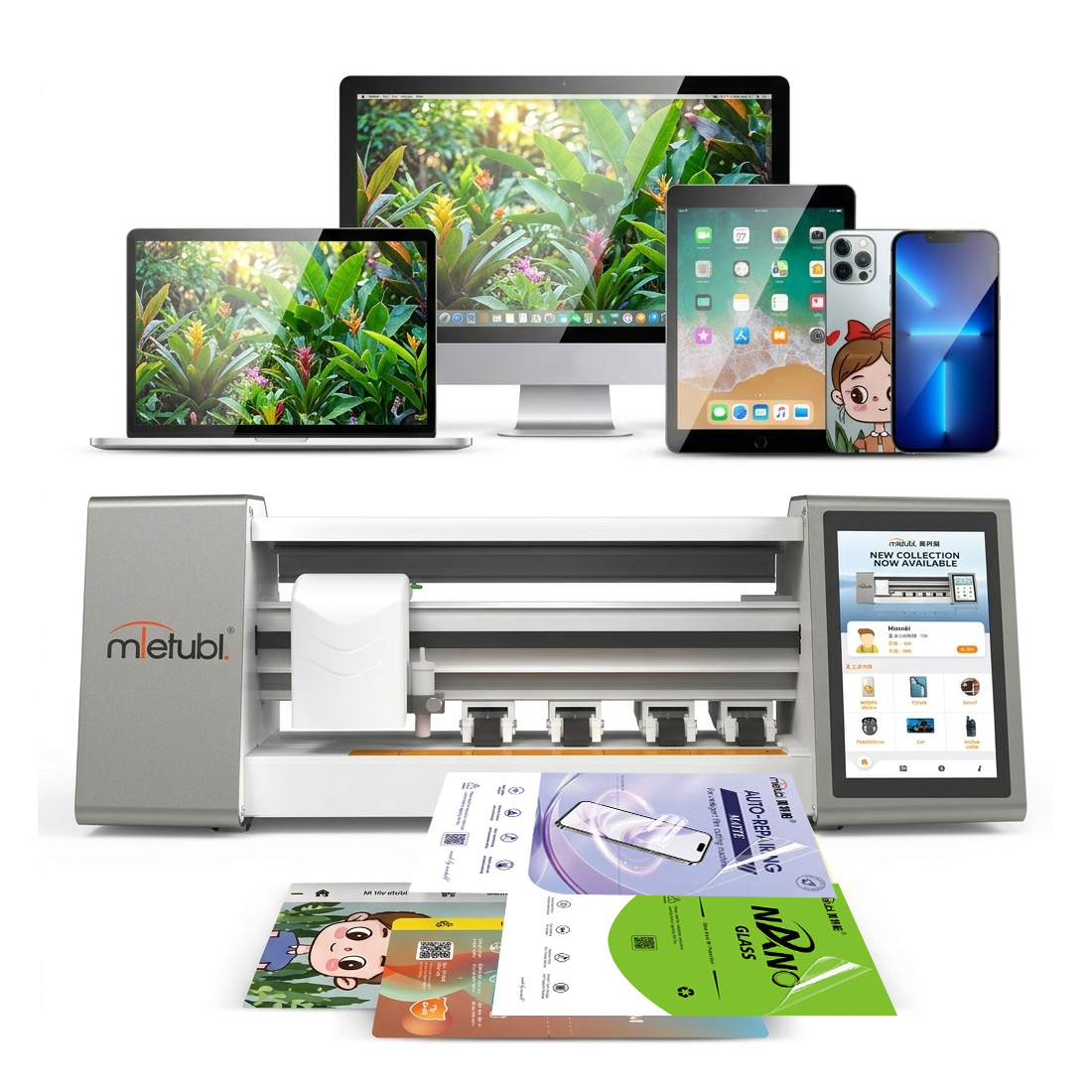
Retailers deciding between equipment types should map their menu first. A cutting-focused station may suit businesses centered on device protection across many screen sizes. A print-and-cut workflow may be more appropriate when customization is the main service. Mietubl’s MTB-CUT M888 combines printing and cutting, while the 180TPro emphasizes wider-format protector cutting; these products therefore serve different counter priorities.
Common Questions
Can the 180TPro print customized phone films?
Printing is not listed among its functions. A retailer offering printed films should add a compatible printing stage or assess a dedicated print-and-cut model.
Is it limited to mobile phone screen protectors?
No. Its approved application scope includes phones, tablets, laptops, and monitors, with support for protector sizes up to 22 inches.
What should buyers test before putting it at a stall?
Buyers should confirm local device-template coverage, material compatibility, counter space, Android connectivity, and staff procedures for model verification, loading, cutting, inspection, and application.
Conclusion
The MTB-CUT 180TPro is a practical candidate when a retail kiosk or pop-up service needs on-demand cutting across phones and larger-screen devices. Its strongest workflow position is between model identification and protector installation. Buyers whose service depends on printed customization should budget for a separate printing process or select an integrated print-and-cut solution instead.
About Mietubl
Mietubl is a Guangzhou-based mobile accessories brand whose name reflects its guiding idea: Make It Easier To Use, Better Life. With roots in the mobile accessories industry dating to 1998 and the MIETUBL brand registered in 2010, the company focuses on products that make everyday digital use simpler and more practical.
Its portfolio includes screen protectors, intelligent screen protector cutting machines, film materials, data cables, chargers, power banks, and audio accessories. By combining design, product development, manufacturing, and channel support, Mietubl works with distributors and retailers serving a broad range of mobile accessory needs, with products exported to more than 120 countries and regions.
For product information, samples, or distribution opportunities, contact Marketing@mietubl.com or visit www.mietubl.com.
Was this article helpful?
Your feedback helps us improve future articles.