
The MTB-CUT M888 can be considered when a buyer needs one compact machine to print and cut phone back films, protective films, photos, labels, cards, or shaped stickers. Before placing a volume order, however, confirm output quality with your own media and designs, validate the software workflow, and document delivery, inspection, and warranty terms. Its integrated functions offer practical value only if the sample results match your intended retail or production use.
What Should Buyers Confirm Before Approving the M888?
Procurement should begin with the required finished products rather than the machine’s feature list. Buyers should define the materials, artwork types, daily product mix, and operator skills involved, then use those conditions for sample testing.
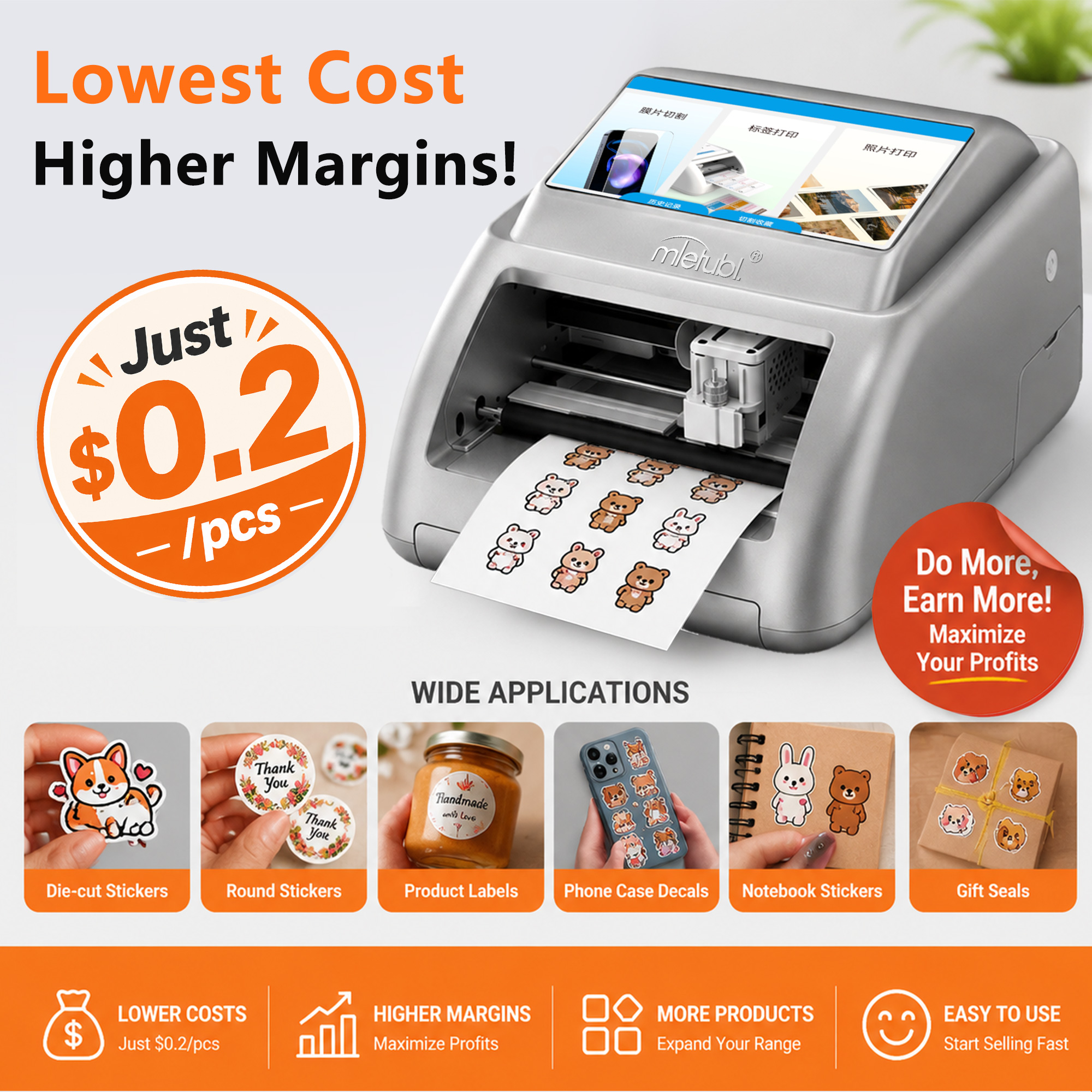
- Application fit: Confirm which planned products can be printed, cut, or completed through both processes.
- Output acceptance: Test color, image detail, contour alignment, edges, and resistance to normal handling.
- Media compatibility: Verify every intended film, paper, label stock, and specialty material with the supplier.
- Workflow readiness: Check template access, artwork upload, AI-assisted tools, and scanning-based operation.
- Order terms: Record the agreed inspection method, lead time, warranty scope, and included accessories.
Does Its Working Format Match the Planned Assortment?
The M888 has a stated cutting width of 138 mm and a feed width of 160 mm. Its listed paper size is 100 × 148 mm. These dimensions may suit compact personalized products, but buyers should not assume that every item fitting within the nominal width will be production-ready.
Request tests using actual artwork at the largest required dimensions. Confirm margins, registration areas, feed direction, and whether irregular contours reduce the usable layout. For phone films or labels, include narrow corners, openings, curves, and closely spaced elements in the test file. This reveals whether the working area and contour handling are appropriate for the intended SKU mix.
Which Output Checks Belong in the Sample Test?
The machine is specified at 300 DPI and is presented as supporting high-definition thermal-sublimation printing. Its stated cutting capability includes contour cutting at up to approximately 0.1 mm precision. These figures should guide testing, not replace it.
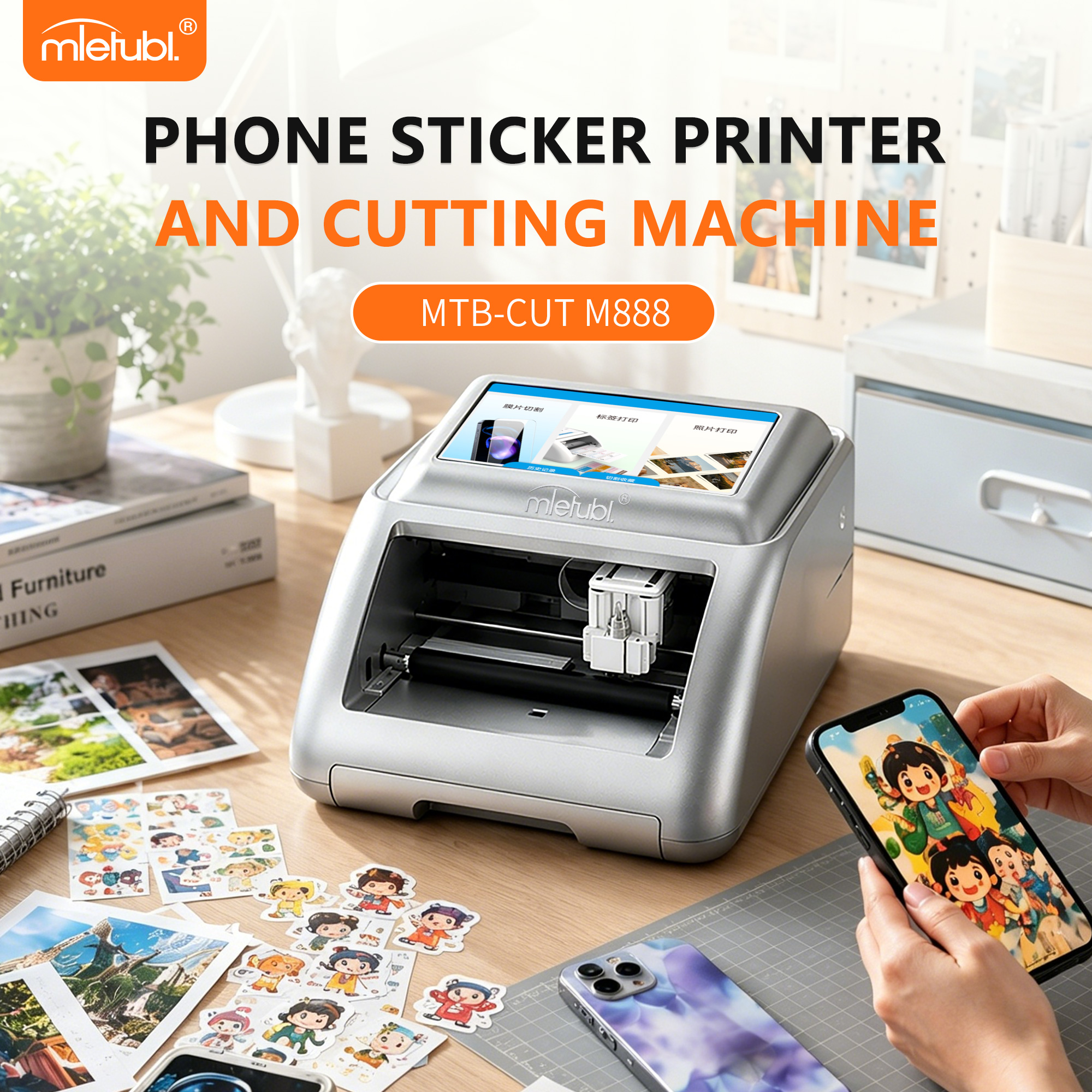
Ask for the same design to be produced multiple times and compare color consistency, fine text, image gradients, cut-to-print alignment, and edge condition. Where waterproof and fade-resistant output is important, agree on a practical evaluation method based on the buyer’s expected handling and sales environment. Samples should use the intended consumables because media and process choices can affect the finished result.
What Workflow and Commercial Terms Need Written Confirmation?
The approved feature set includes built-in templates, image upload, AI background removal, AI-generated design functions, and scan-to-operate access. During evaluation, confirm supported file formats, account requirements, language options, template availability for the target market, and whether any functions depend on an online service. Buyers should also test the full operator journey, from receiving customer artwork to printing and cutting the finished piece.
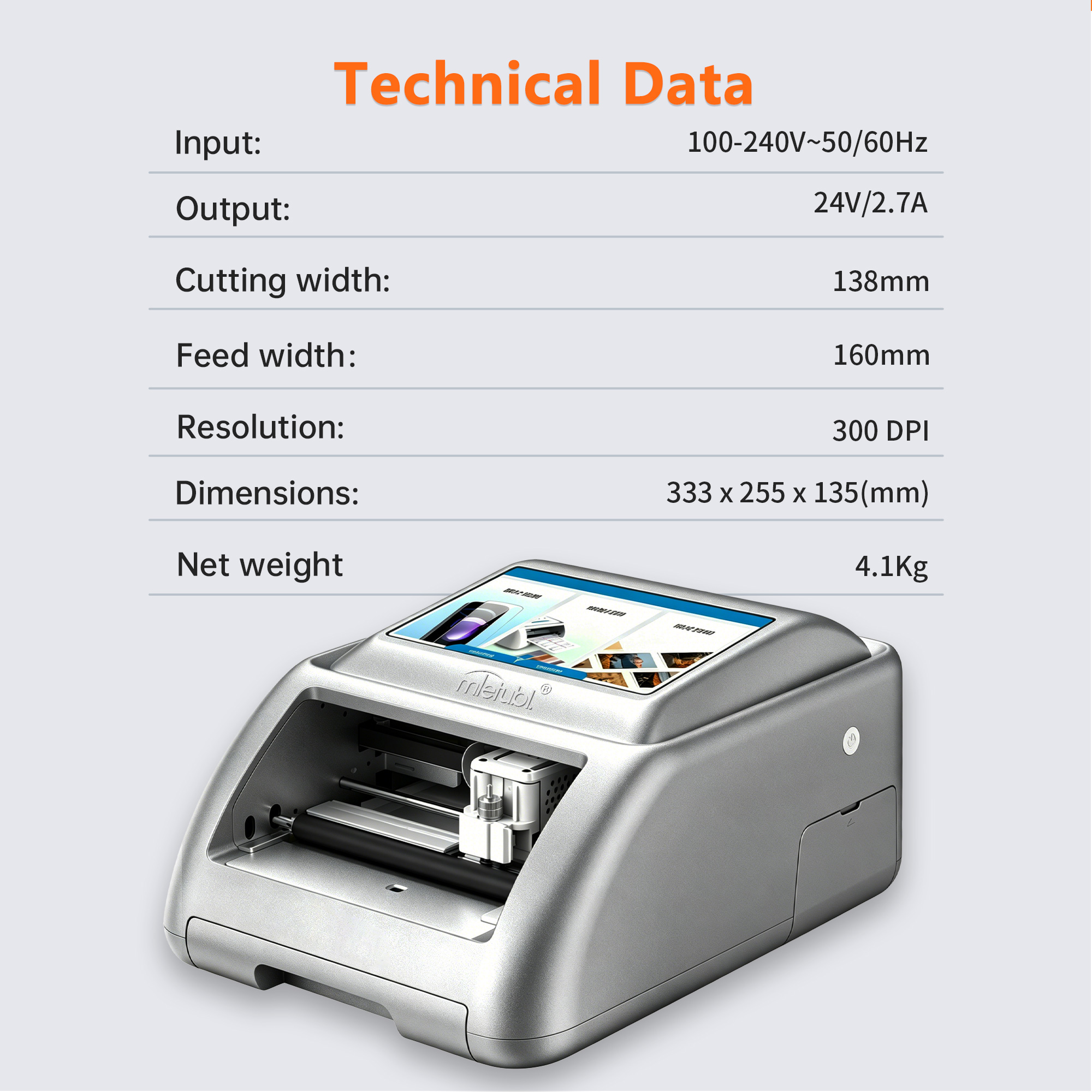
The listed minimum order quantity is 1 unit, with a stated delivery time of 7 days and a one-year warranty. Quality inspection is listed as GB/T2828.1. Before ordering, confirm the delivery starting point, warranty coverage, exclusions, replacement-part process, inspection level, sampling plan, packaging contents, and acceptance procedure in writing. GB/T2828.1 is an inspection method reference and should not be presented as a product certification.
Common Questions
Can the M888 replace separate printing and cutting equipment?
It combines printing and cutting in one machine, which can reduce equipment and workflow steps. Buyers should still test whether both functions meet their required output volume and acceptance standards.
Is the M888 limited to phone-related products?
No. The approved applications also include photos, labels, greeting cards, and shaped stickers. Suitability depends on the material, dimensions, artwork, and finishing expectations.
What should be included in a pre-order sample request?
Provide representative media, maximum-size artwork, fine details, irregular contours, and repeat-run files. Request finished samples plus written confirmation of consumables, software conditions, included parts, and inspection criteria.
Conclusion
The MTB-CUT M888 is a reasonable candidate for buyers seeking a compact multifunction electric print-and-cut machine for varied personalized products. Approval should depend on repeatable sample output, verified media compatibility, a workable operator process, and clearly documented commercial terms rather than feature claims alone.
About Mietubl
Mietubl is a Guangzhou-based mobile accessories brand whose name reflects its guiding idea: Make It Easier To Use, Better Life. With roots in the mobile accessories industry dating to 1998 and the MIETUBL brand registered in 2010, the company focuses on products that make everyday digital use simpler and more practical.
Its portfolio includes screen protectors, intelligent screen protector cutting machines, film materials, data cables, chargers, power banks, and audio accessories. By combining design, product development, manufacturing, and channel support, Mietubl works with distributors and retailers serving a broad range of mobile accessory needs, with products exported to more than 120 countries and regions.
For product information, samples, or distribution opportunities, contact Marketing@mietubl.com or visit www.mietubl.com.
Was this article helpful?
Your feedback helps us improve future articles.