
The MTB-CUT M688 consumes less than 48W, but its larger procurement value is inventory flexibility. Instead of holding finished protectors for every device model, buyers can use the machine to cut compatible film when an order arrives, then complete guided application and UV curing on the same unit. This on-demand approach may reduce dependence on model-specific finished stock while expanding the range a store or distributor can serve.
Power Answer for an On-Demand Film Operation
The specified whole-machine power consumption is under 48W, with a 110V–240V universal voltage range. That makes the M688 suitable for evaluation across different sales regions without choosing separate voltage versions.
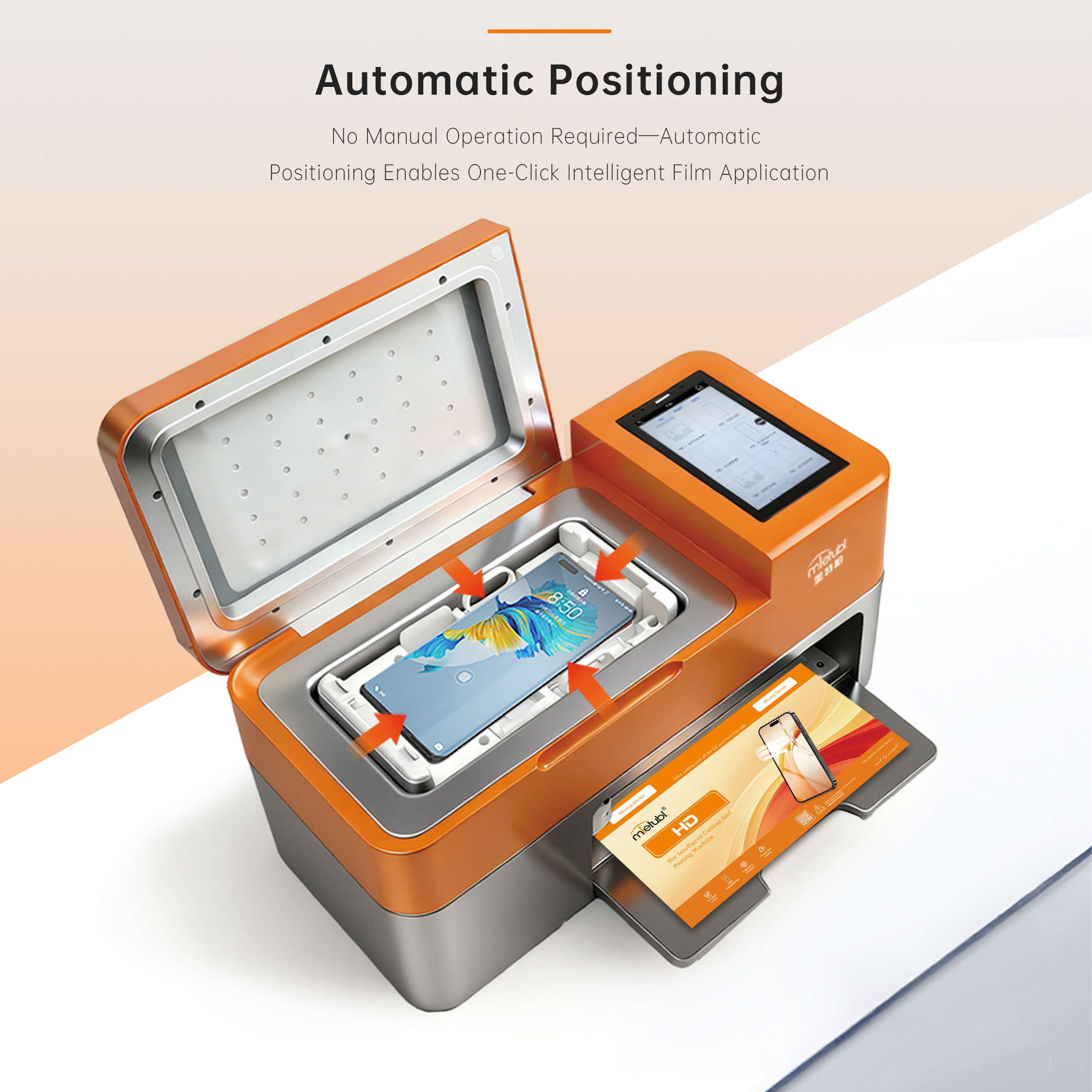
Power should still be reviewed alongside the intended workflow. The M688 is a three-in-one screen protector machine that combines film cutting, application, and UV curing. Buyers should therefore assess its electrical requirement as the consumption of a consolidated service station, rather than comparing it only with a standalone cutter.
Key Inventory Planning Takeaways
- Prioritize model coverage: The machine database covers more than 60,000 device models and receives daily cloud updates.
- Keep material inventory flexible: Cutting film after demand is known can reduce the need to forecast every individual phone or tablet model.
- Consolidate the workflow: Cutting, guided application, and UV curing take place through one machine.
- Plan for larger devices: The maximum supported cutting size is 14.6 inches, covering phone and tablet use cases within that limit.
Why On-Demand Production Changes Finished-Stock Risk
Model-specific finished protectors require buyers to decide in advance which device versions, film types, and quantities will sell. Demand errors can leave slow-moving stock after device turnover, while missing models can lead to lost service opportunities.
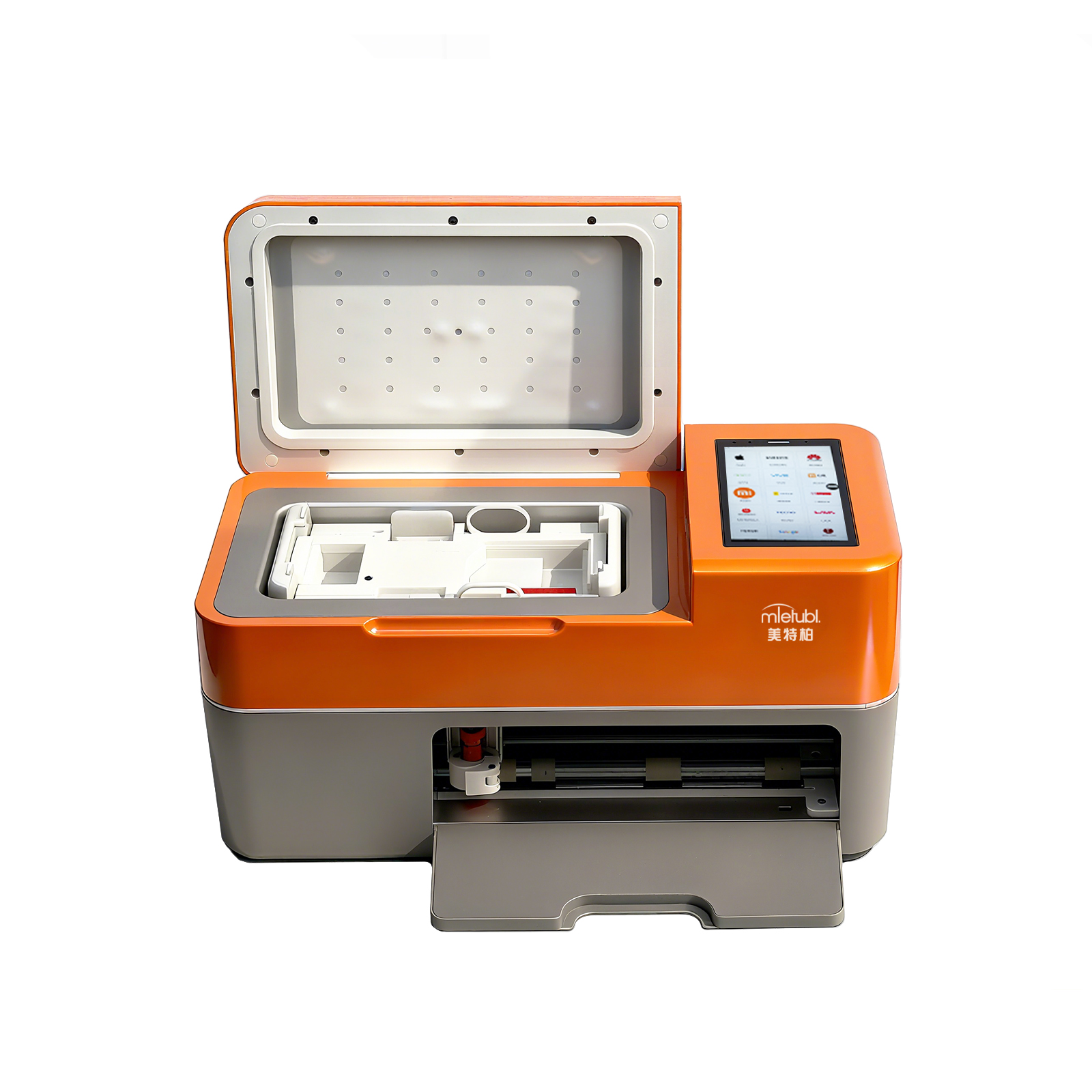
The M688 changes the stocking unit from a finished protector tied to one device into film material that can be cut after the customer selects a model. Its cloud-connected database supports current model access, while offline cutting provides an operating option when a live connection is unavailable.
This does not eliminate inventory management. Buyers must still select appropriate film materials and confirm which models and film constructions are supported. However, it can shift planning toward material consumption rather than maintaining a deep finished-goods assortment.
Balancing On-Demand Film With Core Finished Stock
A hybrid strategy may be more practical than replacing all finished stock. High-volume device models can justify ready-to-sell protectors for immediate transactions, while the M688 can cover long-tail models, newly released devices, tablets, and less predictable requests.
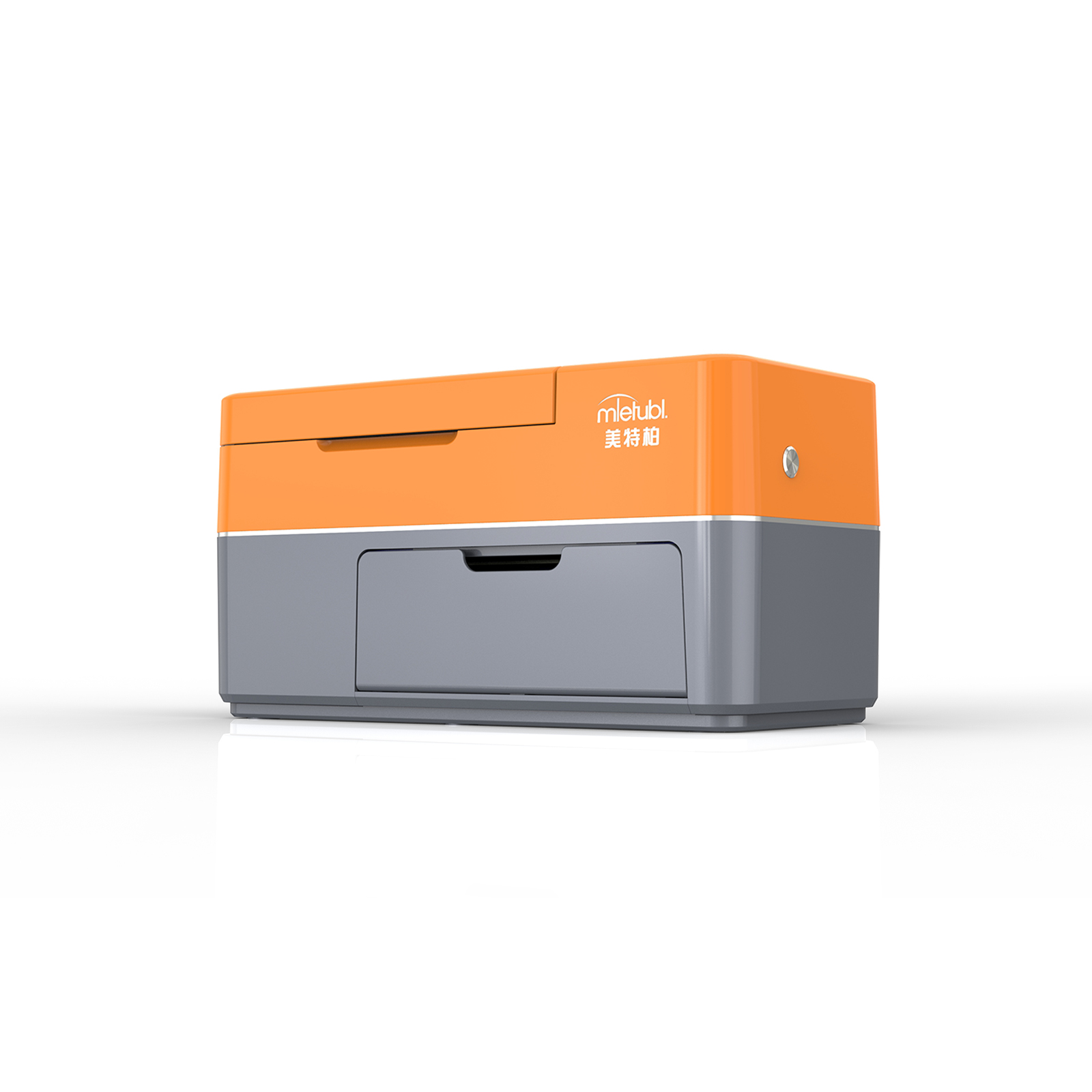
The inventory difference can be commercially meaningful. The approved high-definition borderless and privacy borderless glass protector examples each list a minimum order quantity of 500 pieces and a 30-day delivery time. Those terms apply only to the specified finished-film products, but they illustrate why buyers should evaluate order concentration and replenishment exposure before expanding a model-specific range.
For an on-demand setup, procurement teams should map expected demand by device category, decide which fast sellers remain pre-stocked, and use cut-to-order service for lower-volume demand. Stores should also confirm that the 324.4 × 208.6 mm maximum cutting area and supported materials fit their planned assortment.
Common Questions
Does the M688 require a regional voltage version?
Its specified input range is 110V–240V. Buyers should still confirm the supplied plug and local electrical requirements for the destination market.
Can the machine operate without an internet connection?
Offline cutting is supported. Internet access remains relevant for receiving daily cloud database updates and newly added device models.
Should buyers stop stocking finished screen protectors?
Not necessarily. Finished stock may remain useful for predictable, high-volume models, while on-demand cutting can cover broader or less certain demand with less model-specific exposure.
Conclusion: Use Power Efficiency to Support a Leaner Assortment
The M688 is best evaluated as an inventory-planning tool rather than only as a sub-48W machine. Buyers seeking broader device coverage with fewer model-specific finished goods should consider a hybrid assortment: retain proven fast sellers and use on-demand cutting for the long tail. Before purchasing, confirm material compatibility, target device sizes, local plug requirements, and the share of demand suitable for cut-to-order service.
About Mietubl
Mietubl is a Guangzhou-based mobile accessories brand whose name reflects its guiding idea: Make It Easier To Use, Better Life. With roots in the mobile accessories industry dating to 1998 and the MIETUBL brand registered in 2010, the company focuses on products that make everyday digital use simpler and more practical.
Its portfolio includes screen protectors, intelligent screen protector cutting machines, film materials, data cables, chargers, power banks, and audio accessories. By combining design, product development, manufacturing, and channel support, Mietubl works with distributors and retailers serving a broad range of mobile accessory needs, with products exported to more than 120 countries and regions.
For product information, samples, or distribution opportunities, contact Marketing@mietubl.com or visit www.mietubl.com.
Was this article helpful?
Your feedback helps us improve future articles.