
The MTB-CUT 180T is a practical candidate for full-wrap phone back-film service, but deployment should be conditional rather than automatic. Its adjustable cutting system, broad material support, cloud-based model library, and multilingual operation suit an on-demand retail workflow. Before rollout, buyers should verify the required back-film templates, test their chosen material, reserve suitable counter space, and confirm reliable power and 2.4G Wi-Fi.
What Must Be Ready Before Full-Wrap Back-Film Cutting?
A full-wrap back film involves more than selecting a phone model and starting the cutter. The pattern must align around edges, camera modules, buttons, and other device-specific features. Buyers should therefore treat template and material testing as acceptance requirements.
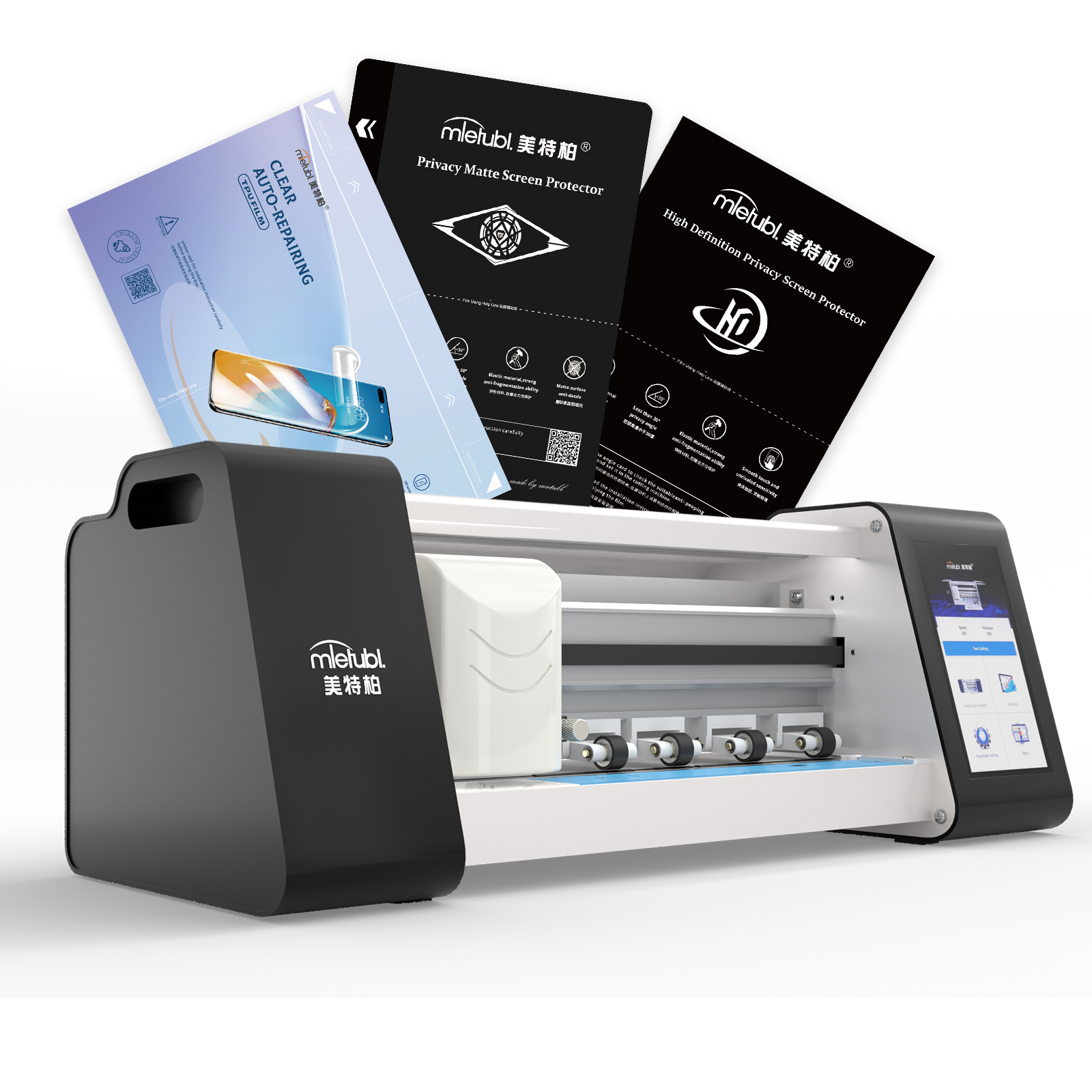
- Template fit: Confirm that the required phone models include the correct full-back or full-wrap pattern rather than assuming every database entry has the same coverage style.
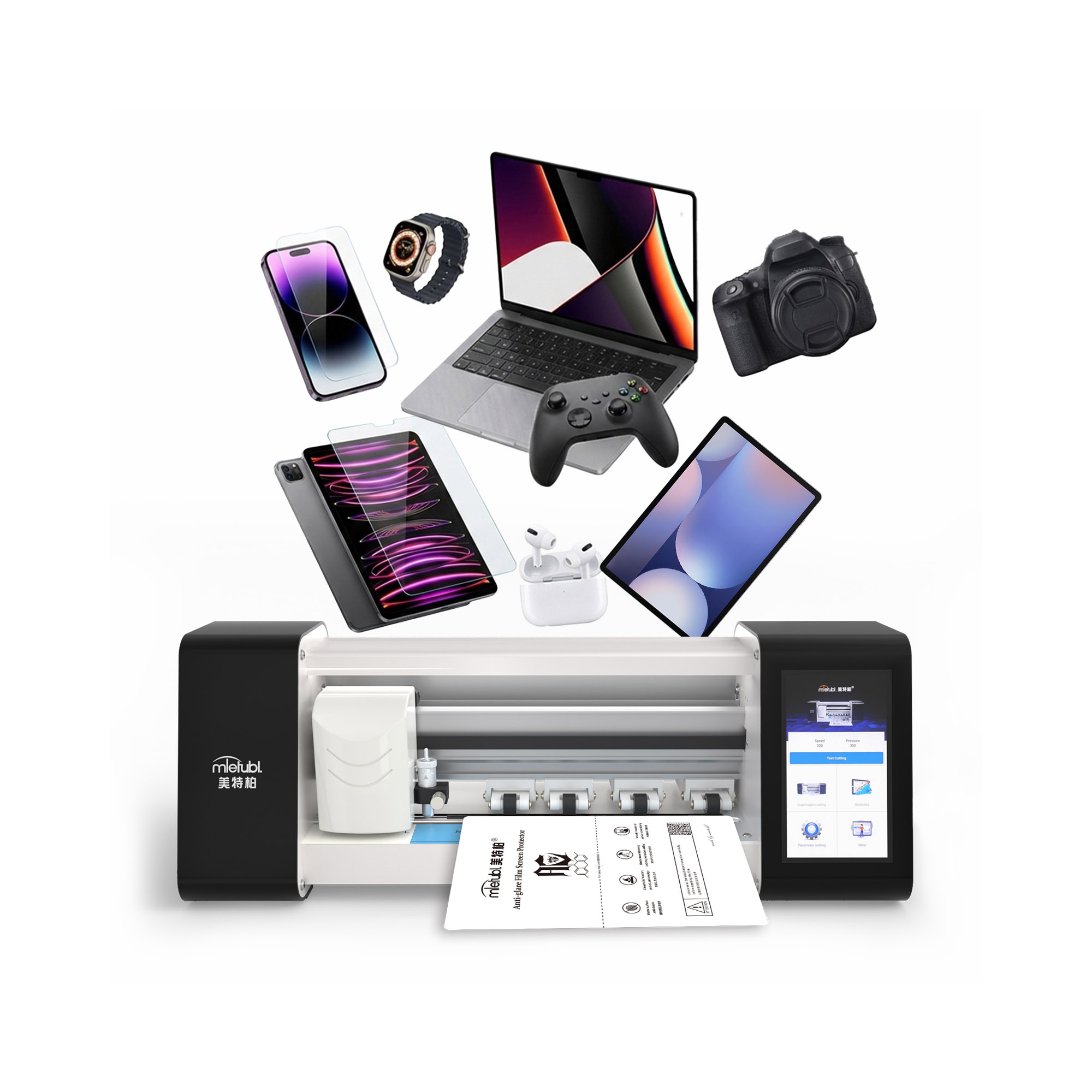
- Material compatibility: The machine supports TPU, PET, clear, matte, and privacy-film materials, but the selected back-film stock should still be trial-cut and applied.
- Installation space: Check the working area for the cutter, film handling, finished-piece inspection, and application preparation.
- Service workflow: Define who selects models, loads material, checks the cut, and hands the film to the installer.
Counter Space Requires a Site Check, Not a Carton Estimate
The supplied information lists a product weight of 7.8 kg, but it does not provide the installed machine dimensions. Packaging dimensions should not be treated as the countertop footprint. Buyers should request the operating dimensions and any required front, rear, or side clearance before approving store furniture.
The counter also needs room to keep film flat and clean. A deployment plan should include separate space for uncut stock, cutting, inspection, and application tools. If the same employee handles cutting and installation, the layout should minimize unnecessary movement while preventing adhesive surfaces from contacting dust or retail-counter debris.
Operating Constraints to Confirm at Each Location
The power adapter accepts 100–240V at 50/60Hz, which can simplify planning across markets with different mains supplies. Each location should still confirm the appropriate plug format, safe cable routing, and access to a stable outlet.
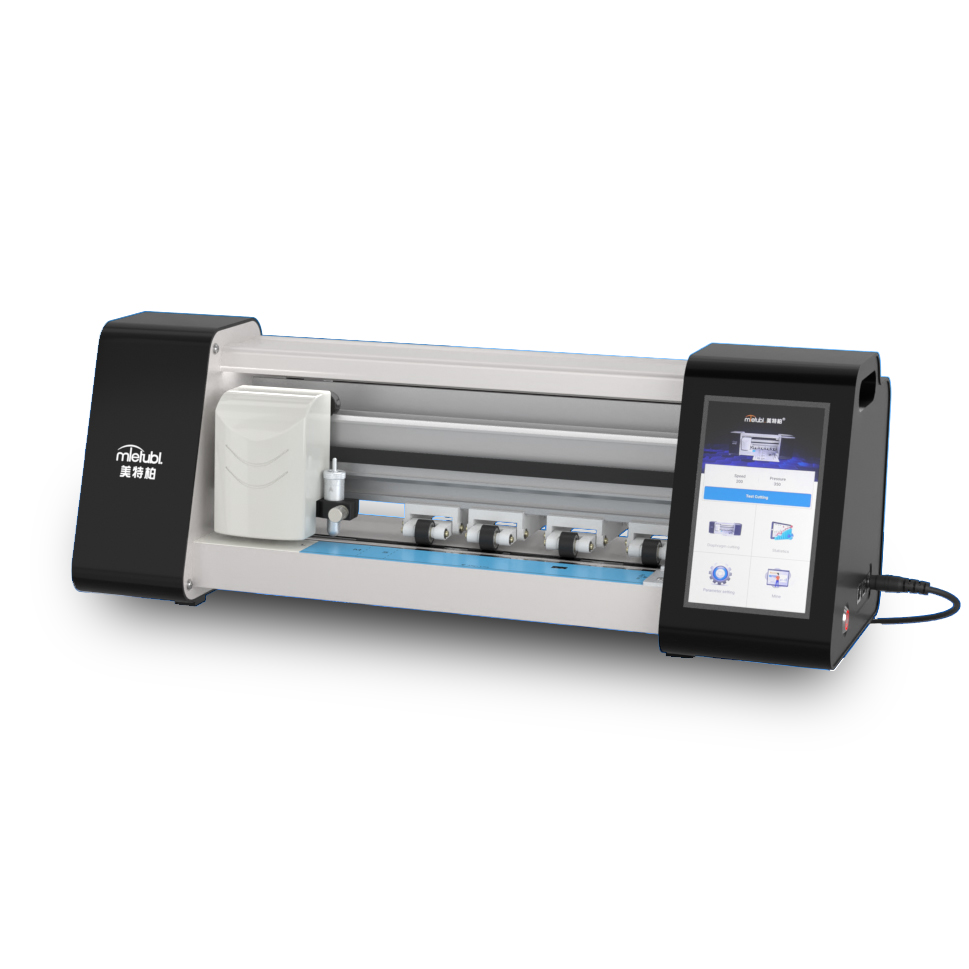
The machine uses 2.4G Wi-Fi, so stores operating only a differently configured wireless network may need an adjustment before deployment. Network access matters because the dedicated cloud system is intended to synchronize new-model data and covers more than 50,000 device models across over 130 countries. Buyers should also request confirmation of environmental operating limits because temperature and humidity ranges are not included in the supplied MTB-CUT 180T data.
How Staff Workflow Affects Rollout Readiness
The 5.5-inch display and multilingual operation can support deployment across different store teams. The stated cutting cycle is approximately 20 seconds, which may suit on-demand service, but total customer handling time will also include model selection, material loading, cut inspection, surface preparation, alignment, and application.
Training should focus on repeatable decisions rather than cutter operation alone. Staff need a naming convention for full-back and full-wrap templates, a process for checking phone variants, and a rule for stopping when the pattern or material is uncertain. A pilot store can document these steps before they are distributed to a larger retail network.
Common Questions About Deployment
Does the machine automatically guarantee a full-wrap fit?
No. Buyers should confirm that the database contains the required coverage pattern for each target model and validate the result on an actual device before commercial use.
Can one material setting be used for every back film?
It should not be assumed. Different supported film types may require changes to pressure, speed, or handling, so approved settings should be recorded after trial cuts.
What should a rollout acceptance test include?
Test priority phone models, inspect camera and edge alignment, apply the cut film, check for lifting or interference, verify network access, and have both experienced and new staff complete the workflow.
Conclusion
The MTB-CUT 180T may be ready for full-wrap back-film service when the buyer validates template coverage, material behavior, site infrastructure, and staff procedures in a controlled pilot. Roll out broadly only after the pilot produces a repeatable cutting and application process for the models the business actually sells.
About Mietubl
Mietubl is a Guangzhou-based mobile accessories brand whose name reflects its guiding idea: Make It Easier To Use, Better Life. With roots in the mobile accessories industry dating to 1998 and the MIETUBL brand registered in 2010, the company focuses on products that make everyday digital use simpler and more practical.
Its portfolio includes screen protectors, intelligent screen protector cutting machines, film materials, data cables, chargers, power banks, and audio accessories. By combining design, product development, manufacturing, and channel support, Mietubl works with distributors and retailers serving a broad range of mobile accessory needs, with products exported to more than 120 countries and regions.
For product information, samples, or distribution opportunities, contact Marketing@mietubl.com or visit www.mietubl.com.
Was this article helpful?
Your feedback helps us improve future articles.