
Yes—provided it passes a representative sample test using the films and device models your business actually sells. The MTB-CUT 180T supports multiple film types, adjustable cutting settings, and avoids point-based or per-cut charges, which can support lower long-term operating costs. However, buyers should verify material behavior, template fit, and repeat output before treating those advantages as proven value for a specific store, factory, or distribution program.
Make the Value Decision Through Validation
A cost-effective phone film cutter is not simply the machine with the lowest purchase cost. It should produce acceptable films from the buyer’s intended materials without excessive setup, recutting, or waste. For the MTB-CUT 180T, procurement approval should therefore depend on sample evidence rather than specifications alone.
Key decision criteria:
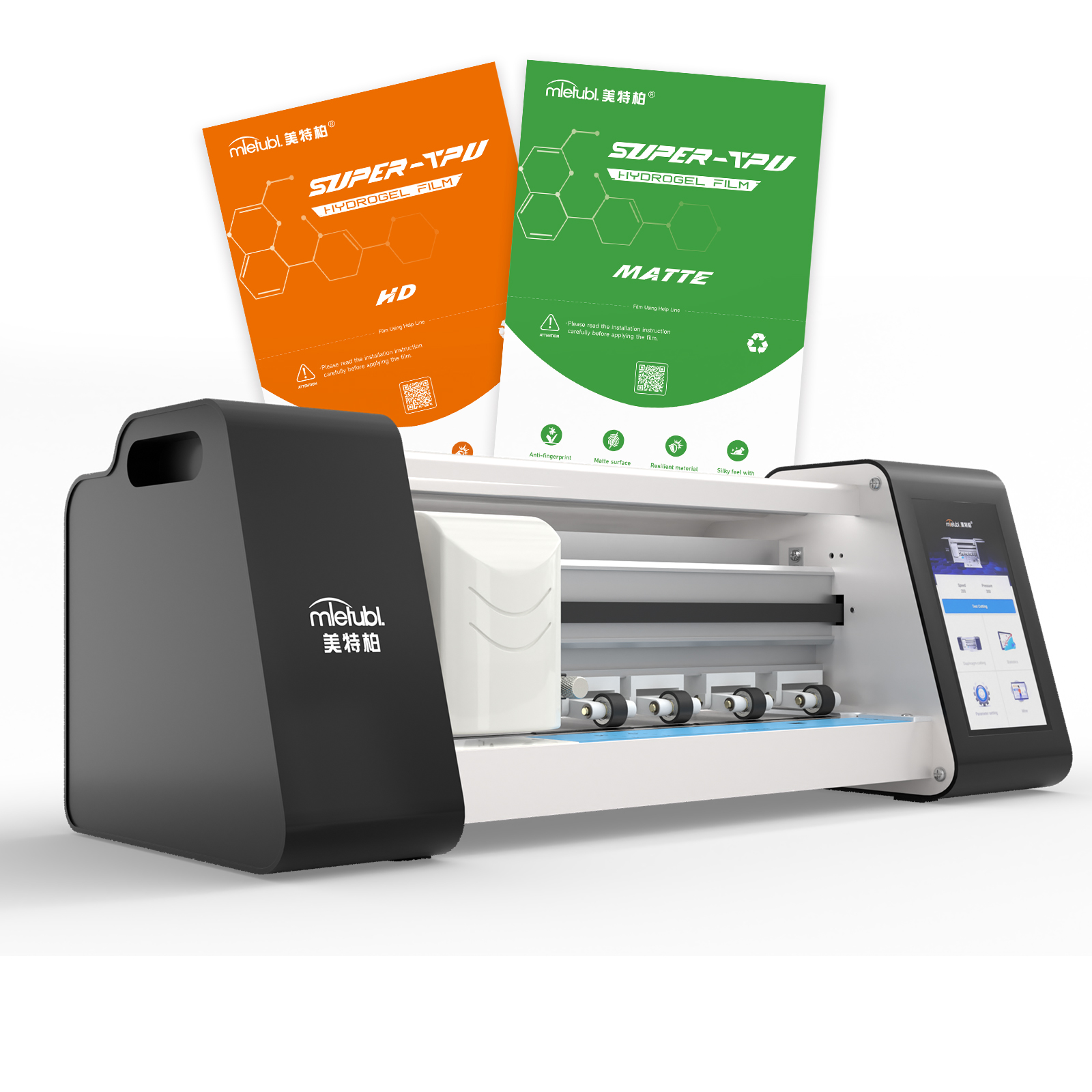
- Test the actual TPU, PET, clear, matte, or privacy films intended for sale.
- Include representative phone and larger-device templates from the target range.
- Agree on measurable output acceptance before reviewing samples.
- Check whether the no-points and no-per-cut-fee model suits expected usage.
- Confirm operator results remain consistent across repeated cuts.
Check Material Compatibility Before Comparing Cost
The machine is specified to support TPU, PET, clear, matte, and privacy films, with a maximum cutting thickness of 0.7 mm. These capabilities provide a useful starting point, but films from different suppliers may vary in stiffness, elasticity, liner construction, and adhesive behavior.
Buyers should send production-representative materials rather than generic substitutes. The test set should include the most frequently used film, the most difficult material to cut, and any premium film whose waste would be costly. Each sample should use its normal backing and storage condition. Successful cutting of one TPU or PET film should not automatically be treated as approval for every film in that category.
Build a Representative Sample Test
The MTB-CUT 180T has a 320 mm maximum feeding width and a 228 mm maximum cutting width. Its supported film patterns cover phones, tablets, watches, and cameras. A useful sample plan should reflect the buyer’s actual sales mix rather than testing only a common flat-screen phone.
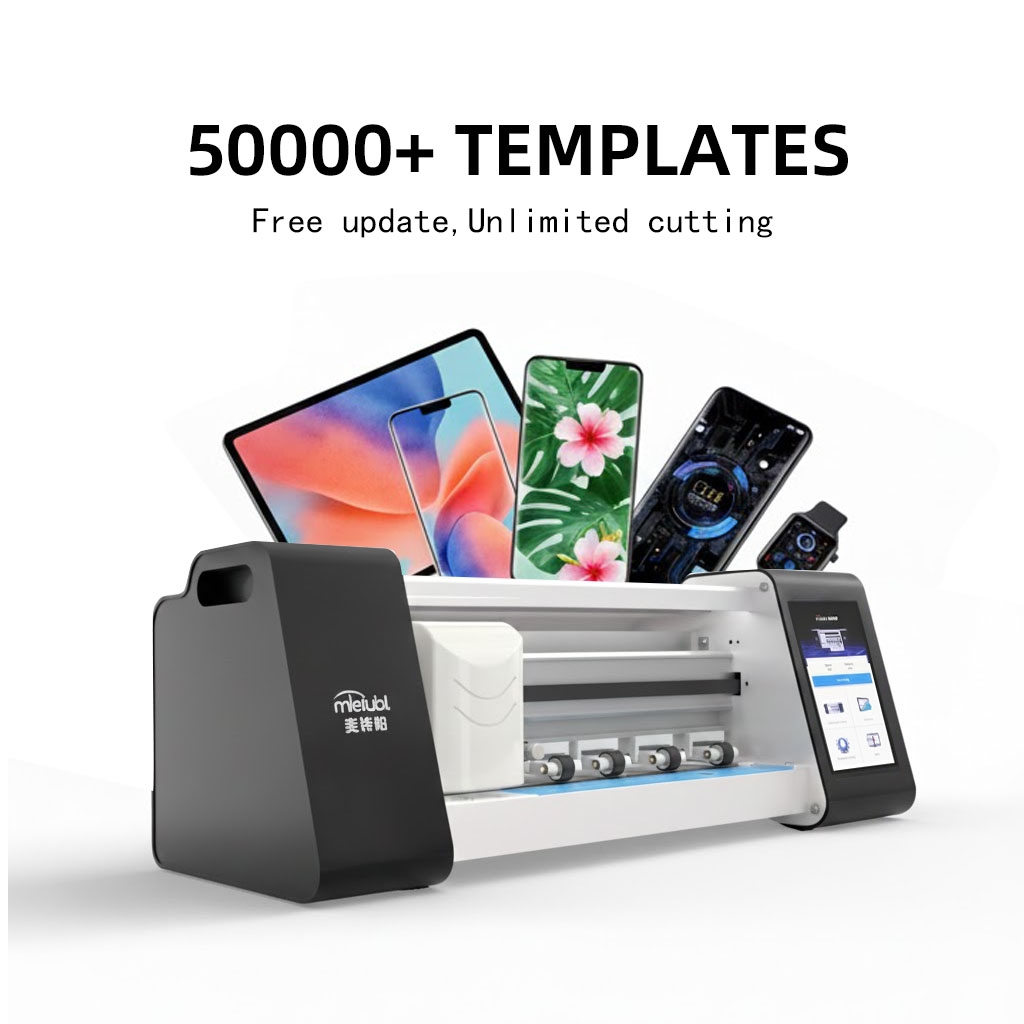
- Select several high-volume phone models and at least one difficult shape with detailed openings or corners.
- Add larger or smaller device formats when they are part of the intended service range.
- Run multiple consecutive cuts using the same material and settings.
- Repeat the process with materially different films instead of changing only the device template.
- Record settings, failed cuts, recuts, and material consumed for each sample group.
The approved product information states that cutting can take about 20 seconds. Buyers should verify the complete working cycle in their own process, including model selection, film loading, removal, and any necessary recutting.
Define Output Acceptance Before Purchase
The machine specifies cutting precision up to 0.05 mm, but procurement acceptance should be based on inspected output. Before sampling begins, define what constitutes a pass so that both buyer and supplier evaluate the same result.
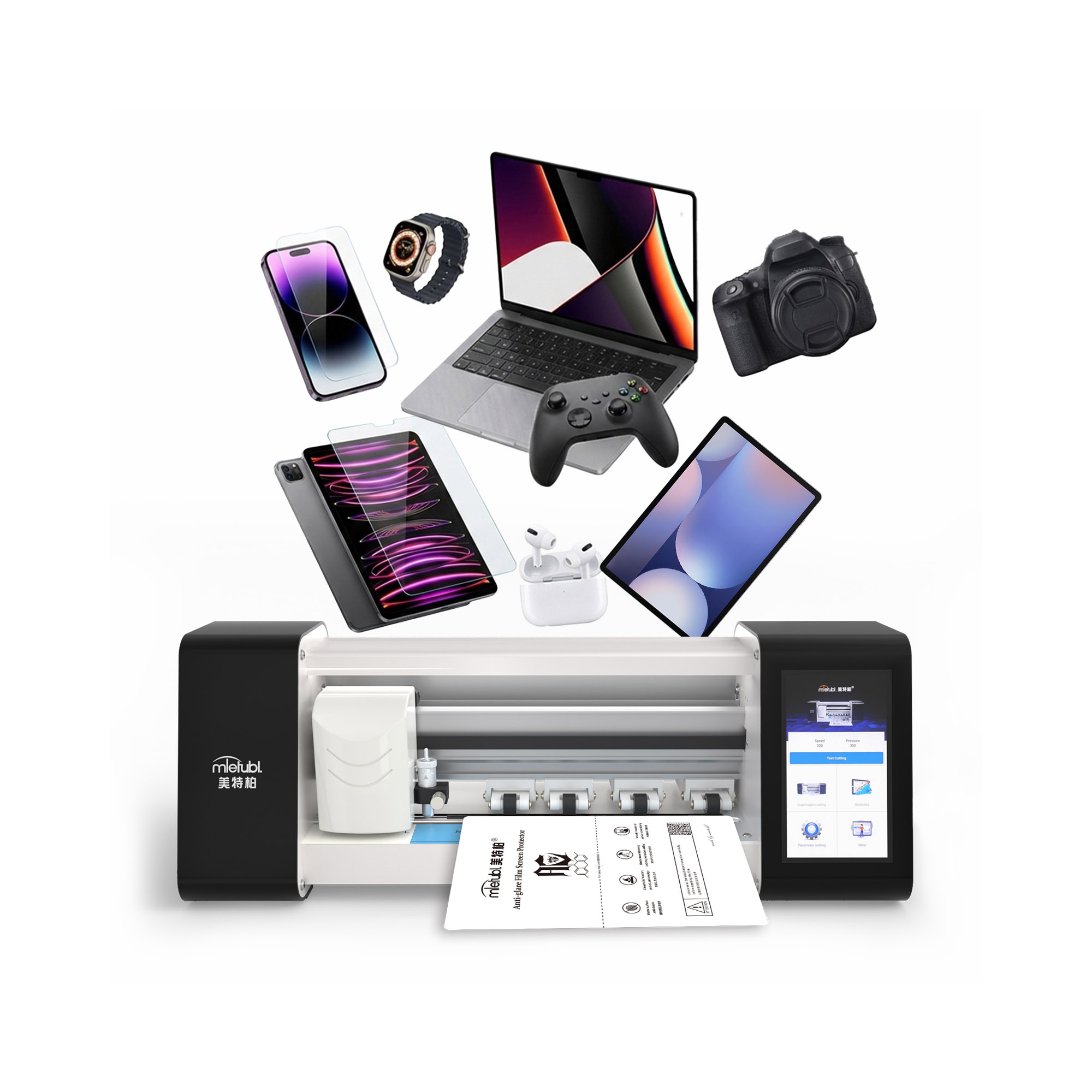
Check whether the cut separates completely without unwanted tabs, whether corners and openings remain clean, and whether the film aligns with the target device before application. Flexible materials should also be inspected for stretching or lifting caused during unloading. Repeated samples should show comparable alignment rather than requiring frequent manual setting changes.
For buyers serving multiple markets, the multilingual interface and cloud system covering more than 50,000 device models may add operational value. The final sample set should still include locally important models, especially newly released or less common devices, to confirm that the available templates meet the buyer’s portfolio.
Common Questions
Should buyers test every supported film type?
Test every material category planned for commercial use. If only TPU and PET will be stocked, prioritize those materials and include samples from the intended film suppliers.
Is a successful single cut enough for approval?
No. Multiple consecutive cuts are more useful for evaluating repeat consistency, material handling, and whether the selected settings remain suitable during normal operation.
What evidence should be retained after sampling?
Keep labeled cut samples, device-template names, material details, machine settings, inspection results, and notes on recuts or waste. These records make supplier discussions and internal approval clearer.
Conclusion
The MTB-CUT 180T can be a cost-effective recommendation for buyers who need broad film compatibility and want to avoid per-cut charges. Approval should remain conditional on representative materials producing clean, repeatable, correctly fitting output under an agreed sample-validation plan.
About Mietubl
Mietubl is a Guangzhou-based mobile accessories brand whose name reflects its guiding idea: Make It Easier To Use, Better Life. With roots in the mobile accessories industry dating to 1998 and the MIETUBL brand registered in 2010, the company focuses on products that make everyday digital use simpler and more practical.
Its portfolio includes screen protectors, intelligent screen protector cutting machines, film materials, data cables, chargers, power banks, and audio accessories. By combining design, product development, manufacturing, and channel support, Mietubl works with distributors and retailers serving a broad range of mobile accessory needs, with products exported to more than 120 countries and regions.
For product information, samples, or distribution opportunities, contact Marketing@mietubl.com or visit www.mietubl.com.
Was this article helpful?
Your feedback helps us improve future articles.