
For buyers evaluating a factory-direct automatic cutting machine, the MTB-CUT M888 fits the store process by bringing design, printing, and contour cutting into one device. Staff can select a built-in template or prepare an uploaded image, print the design, and cut its outline without transferring the job between separate machines. This makes it relevant to retailers planning an on-demand service for phone back films, protective films, photos, labels, stickers, or greeting cards.
How the In-Store Workflow Starts at the Design Counter
The customer-facing process begins with choosing or preparing a design. The M888 provides built-in templates, image upload, AI-assisted background removal, and AI design-generation functions. These options give staff several starting points, from a prepared customer image to a store template.
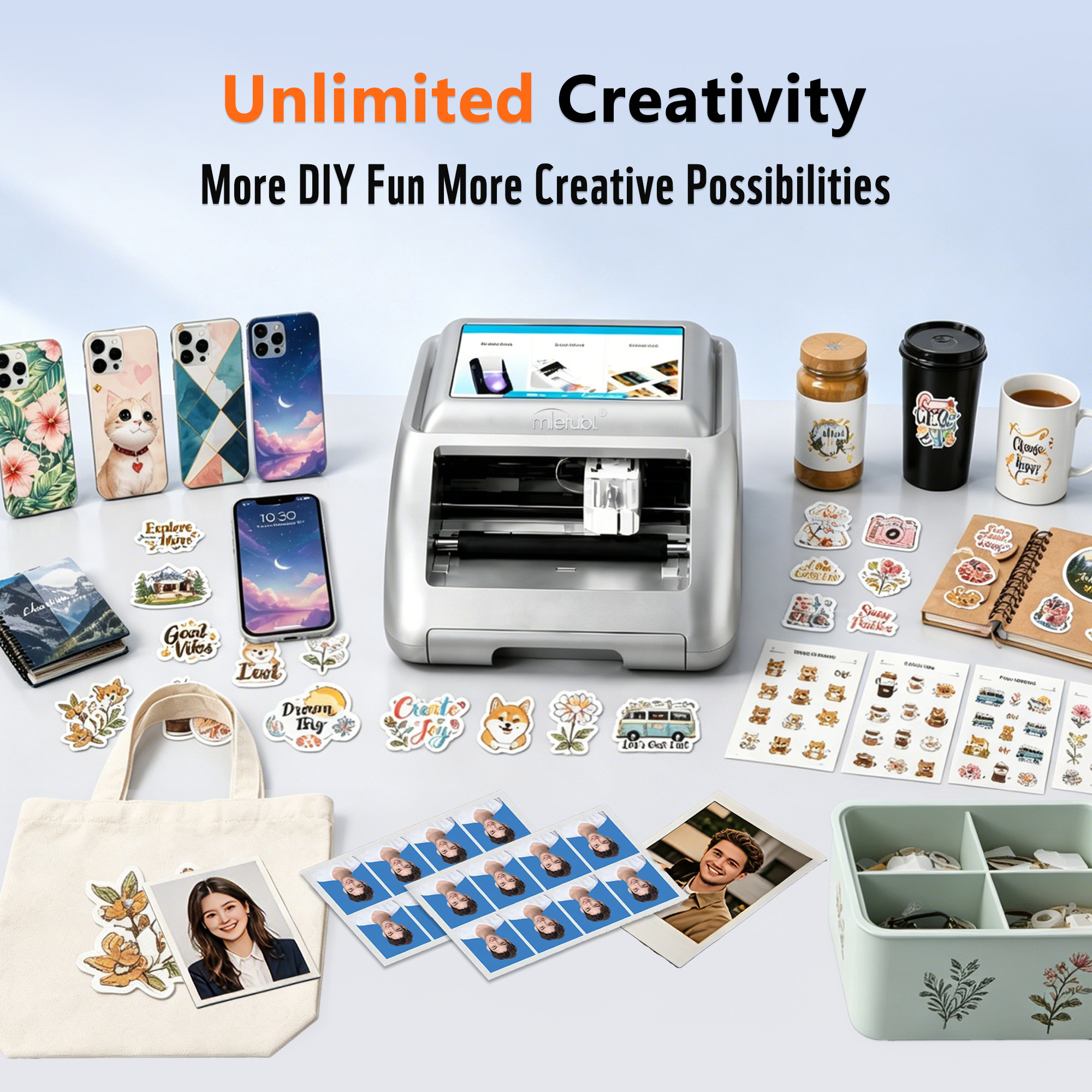
A practical counter workflow may follow four steps:
- Identify the product the customer wants, such as a label, photo, or phone back film.
- Select a template or upload the required image.
- Review the layout with the customer before production.
- Send the approved design into the integrated print-and-cut process.
Retailers should still establish their own approval checkpoint for spelling, image placement, dimensions, and customer-owned artwork. The machine’s design functions support preparation, but staff procedures remain important for avoiding preventable reprints.
How Printing and Cutting Become One Service Step
The main workflow value is the integration of printing and cutting. Instead of printing on one device, moving the material, aligning it again, and then cutting on another machine, the M888 keeps these stages within a single system. Fewer equipment handoffs can make the service process easier to organize, particularly where one employee manages both sales and production.
Its listed print resolution is 300 DPI, while the approved product information describes thermal-sublimation printing with detailed color, water resistance, and resistance to fading. The machine also supports approximately 0.1 mm contour-cutting precision for shaped stickers and other non-rectangular outputs.
These capabilities should be evaluated as one connected workflow rather than as isolated specifications. Buyers should test representative artwork and materials to confirm that color, edge definition, and cutting results match their intended retail offer.
How Finished Products Move from Cutting to Handover
After printing, the cutter follows the required contour so staff can remove and prepare the finished item for the customer. The available 138 mm cutting width and 160 mm feed width define the working area, so product planners should compare their intended output dimensions with those limits before procurement.
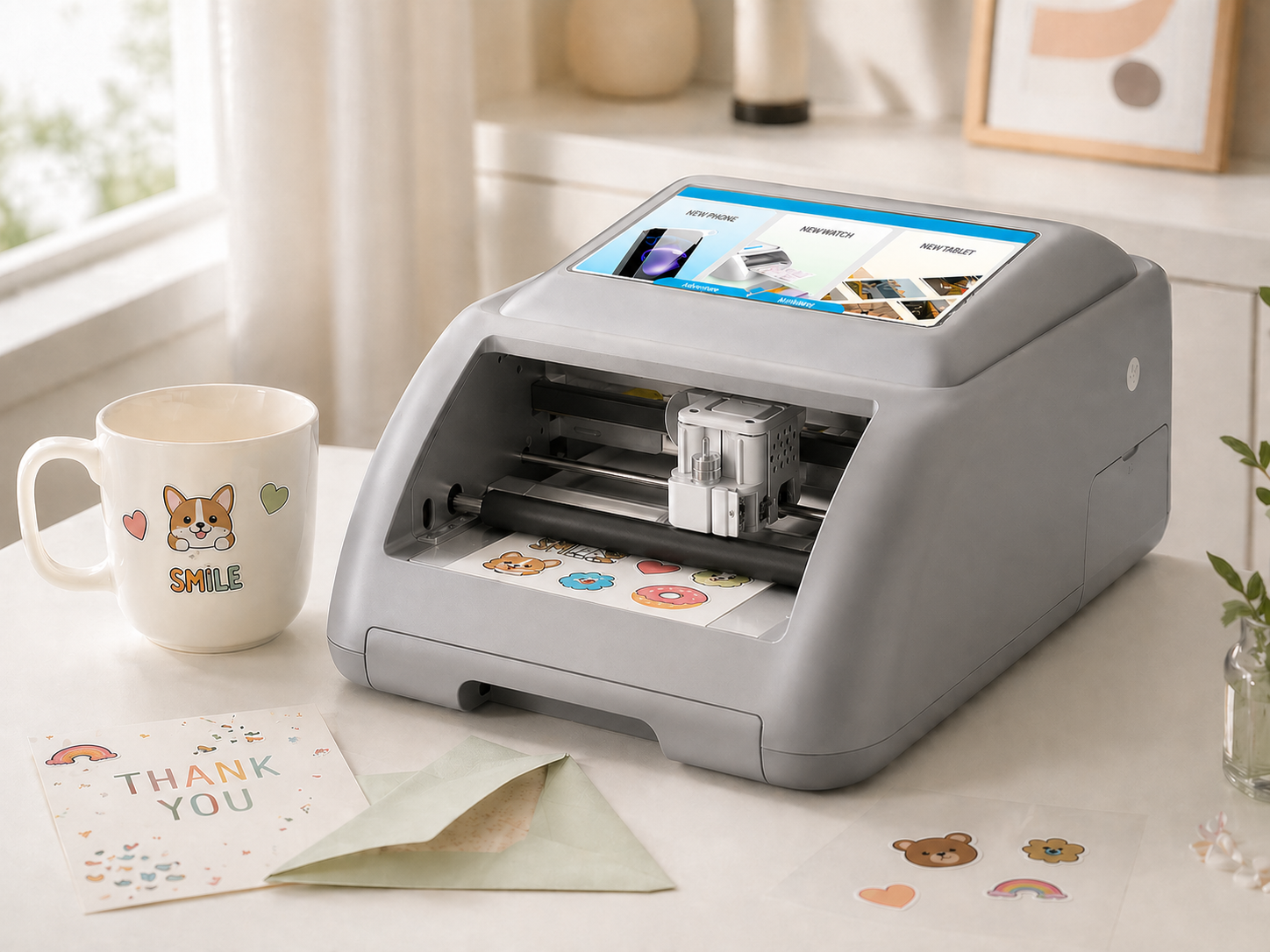
The machine is listed for multiple product types, including phone back films, protective films, photos, labels, greeting cards, and shaped stickers. This range can allow a store to build several services around one workstation, although each material and finished format should be validated before being added to the sales menu.
For a consistent handover process, retailers may also create standard checks for print appearance, cut alignment, surface condition, and packaging. This turns the equipment workflow into a repeatable retail service rather than an operator-dependent task.
Key Procurement Criteria for a Retail Workflow
- Workflow consolidation: Printing and cutting are integrated, reducing transfers between separate devices and operating stages.
- Design accessibility: Templates, uploads, AI-assisted background removal, AI-generated designs, and scan-based operation can support counter staff with different experience levels.
- Product fit: Confirm that the 138 mm cutting width is suitable for every planned product rather than assuming all accessory formats will fit.
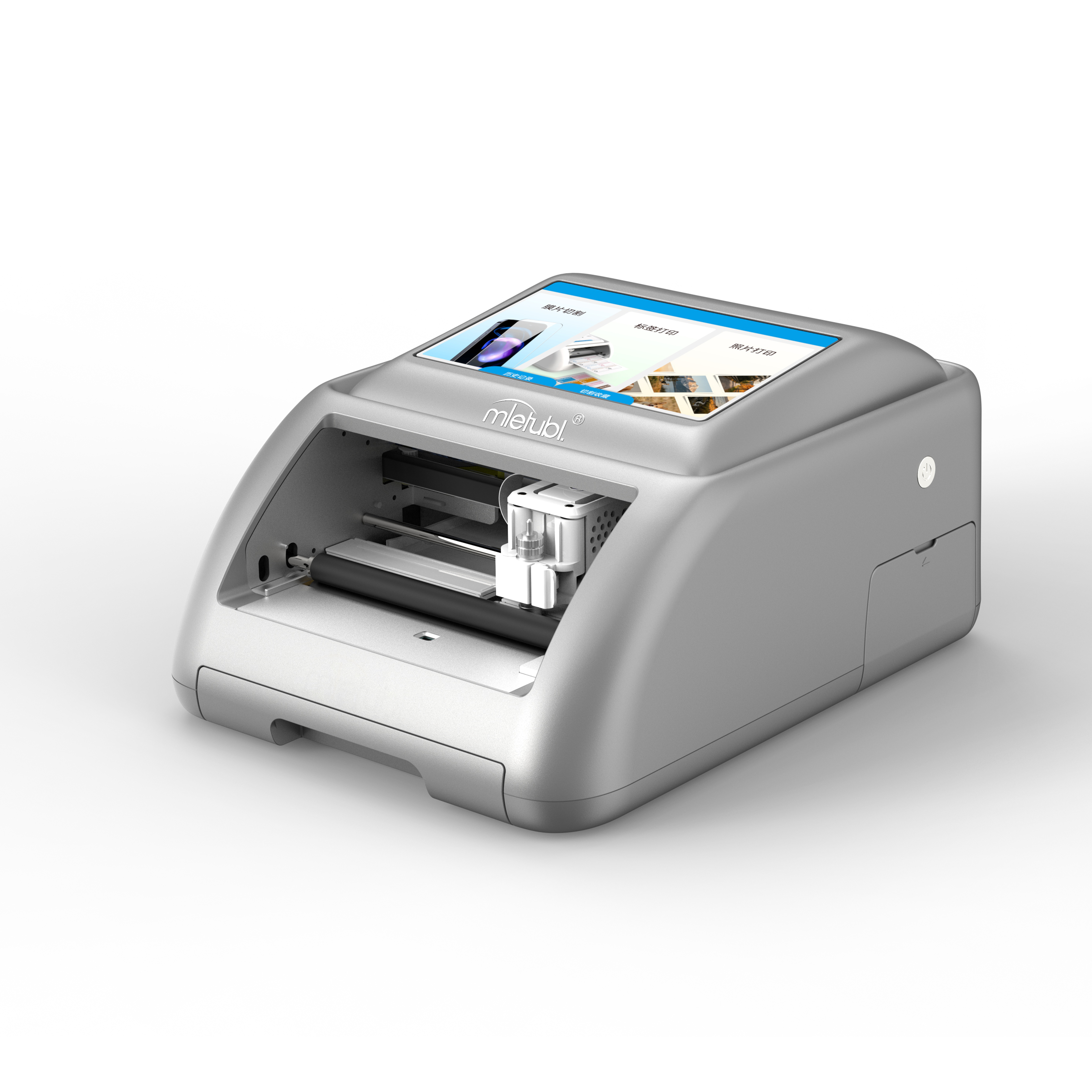
- Counter placement: At 333 × 255 × 135 mm and 4.1 kg, the unit may suit stores or studios where workspace must be planned carefully.
- Operational validation: Test actual consumables, artwork, cleaning routines, and staff steps before defining service times or customer promises.
Distributors should also confirm the supplied consumables, software access, training materials, replacement-part arrangements, and local electrical or regulatory requirements as part of the quotation review.
Common Questions About the M888 Workflow
Does the M888 eliminate the need for separate design software?
Not necessarily. Its built-in templates, image upload, AI background removal, and AI generation functions cover several common preparation tasks, but buyers should test whether they meet their complete editing and branding requirements.
Can one store use it for more than phone accessory products?
Yes. The approved applications include photos, labels, greeting cards, shaped stickers, phone back films, and protective films, subject to the machine’s material and working-width limits.
What should buyers test before rolling it out across stores?
Run representative designs through the full process—from image preparation and printing to contour cutting and final inspection. Staff usability, material compatibility, output consistency, and workstation layout should all be checked.
Conclusion
The MTB-CUT M888 is a suitable candidate when the procurement goal is to organize design, printing, and cutting as one in-store service flow. Buyers should choose it based on verified product sizes, sample output, material compatibility, and staff procedures rather than on automation alone.
About Mietubl
Mietubl is a Guangzhou-based mobile accessories brand whose name reflects its guiding idea: Make It Easier To Use, Better Life. With roots in the mobile accessories industry dating to 1998 and the MIETUBL brand registered in 2010, the company focuses on products that make everyday digital use simpler and more practical.
Its portfolio includes screen protectors, intelligent screen protector cutting machines, film materials, data cables, chargers, power banks, and audio accessories. By combining design, product development, manufacturing, and channel support, Mietubl works with distributors and retailers serving a broad range of mobile accessory needs, with products exported to more than 120 countries and regions.
For product information, samples, or distribution opportunities, contact Marketing@mietubl.com or visit www.mietubl.com.
Was this article helpful?
Your feedback helps us improve future articles.