
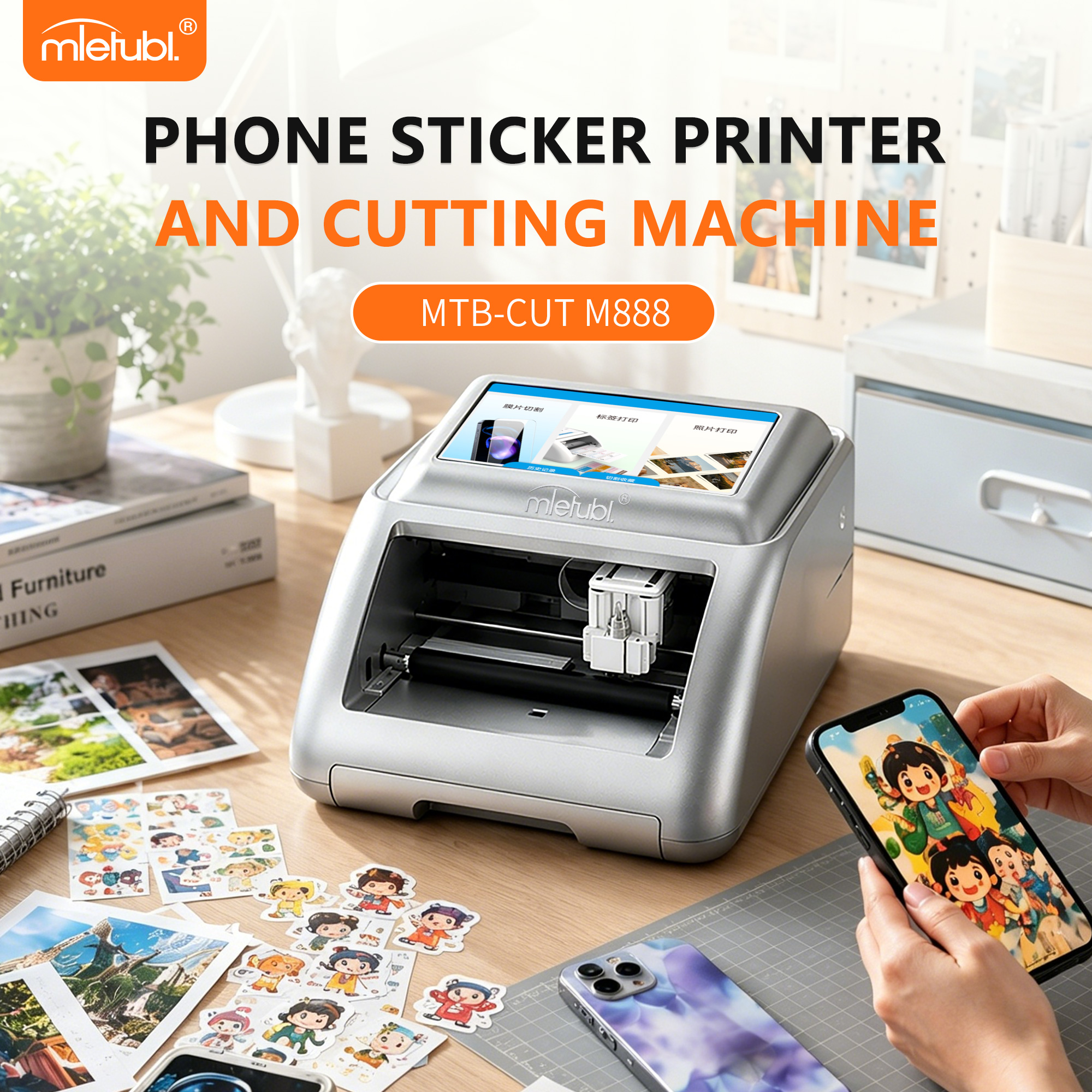
Yes, the MTB-CUT M888 can be considered for procurement, but approval should depend on a sample test using the buyer’s actual media and designs. The machine combines printing and cutting and is intended for phone back films, protective films, photos, labels, and greeting cards. That application range is useful for initial screening, but it does not establish compatibility with every coating, thickness, adhesive, or surface finish. The safest decision is therefore conditional acceptance based on representative output.
Key Takeaways for Sample-Based Approval
- Test the exact media: Substituting generic film or paper may hide feeding, printing, adhesion, or cutting issues.
- Challenge the working width: Compare sample dimensions with the 160 mm feed width and 138 mm cutting width before testing.
- Inspect printing and cutting separately: A visually acceptable print may still fail contour alignment or edge-quality requirements.
- Define acceptance before sampling: Agree on allowable misalignment, color variation, edge defects, and rejected pieces.
- Retain approved samples: A signed reference sample can support later incoming inspection and operator training.
Validate Material Compatibility Before Machine Approval
The approved product information lists several possible outputs, but buyers should avoid treating that list as universal material compatibility. Phone back film, protective film, photo media, label stock, and greeting-card paper can differ in surface treatment, stiffness, backing construction, and response to heat.
Prepare samples from the same supplier, grade, and batch structure planned for commercial use. If the business expects to process several media categories, include at least one representative item from each category. Testing only easy-to-feed paper would not adequately validate performance for flexible film, while testing one protective film would not establish suitability for every label or photo stock.
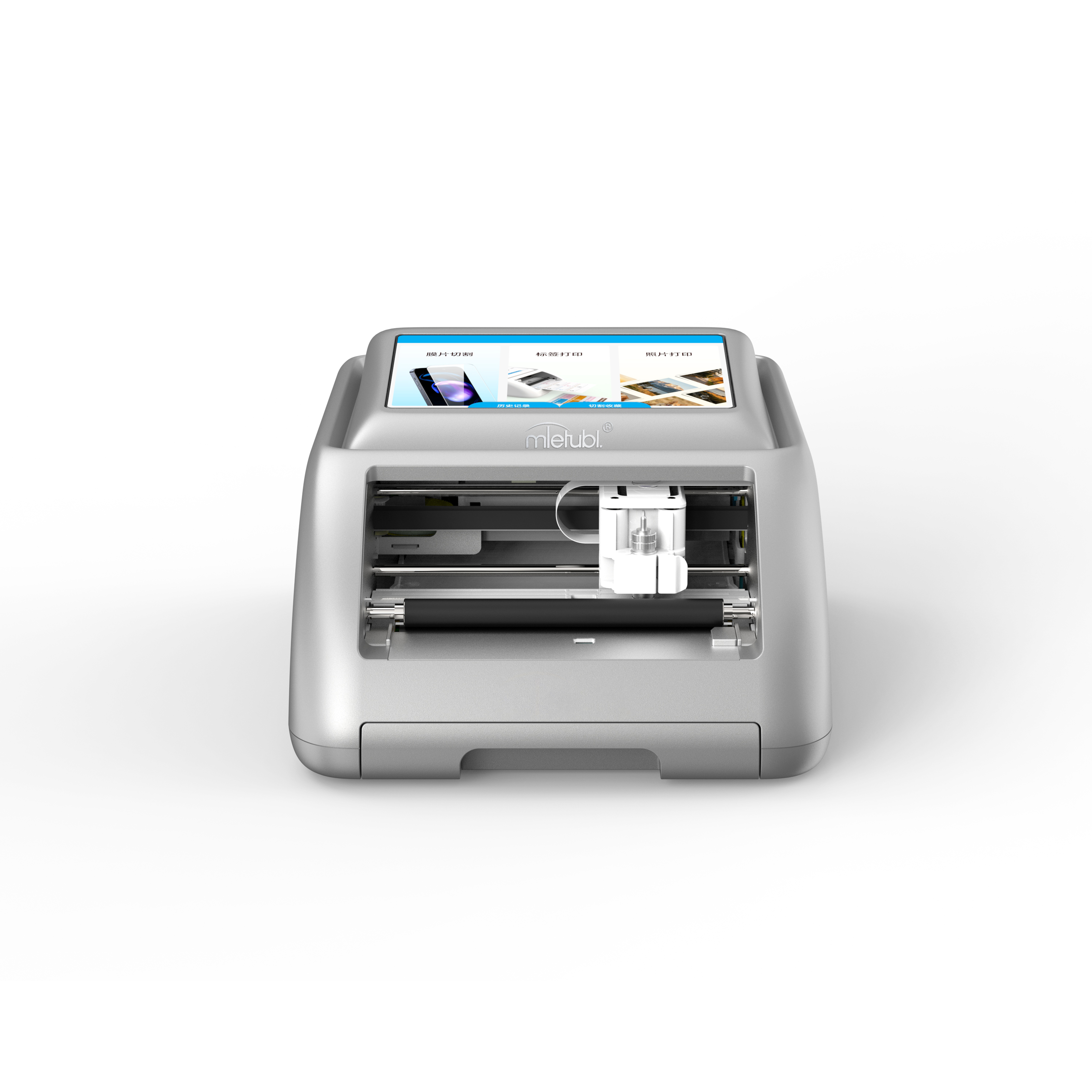
Sample dimensions also matter. The M888 has a listed feed width of 160 mm and cutting width of 138 mm. Buyers should confirm that the usable printed and cut area accommodates the intended product, including registration space, margins, and any required handling allowance.
Build a Representative Sample Test, Not a Demonstration
A supplier demonstration can show that the machine operates, but procurement validation should reproduce the buyer’s intended workflow. Use production-style artwork with fine text, solid colors, curves, corners, and irregular contours. Include simple and difficult jobs rather than choosing only designs that are easy to print and cut.
- Provide the actual media and final artwork files planned for use.
- Run more than one copy of each design to observe output consistency.
- Include both standard shapes and irregular sticker contours.
- Record setup steps, operator actions, failed feeds, reprints, and recuts.
- Review completed samples under the lighting and viewing distance used for customer acceptance.
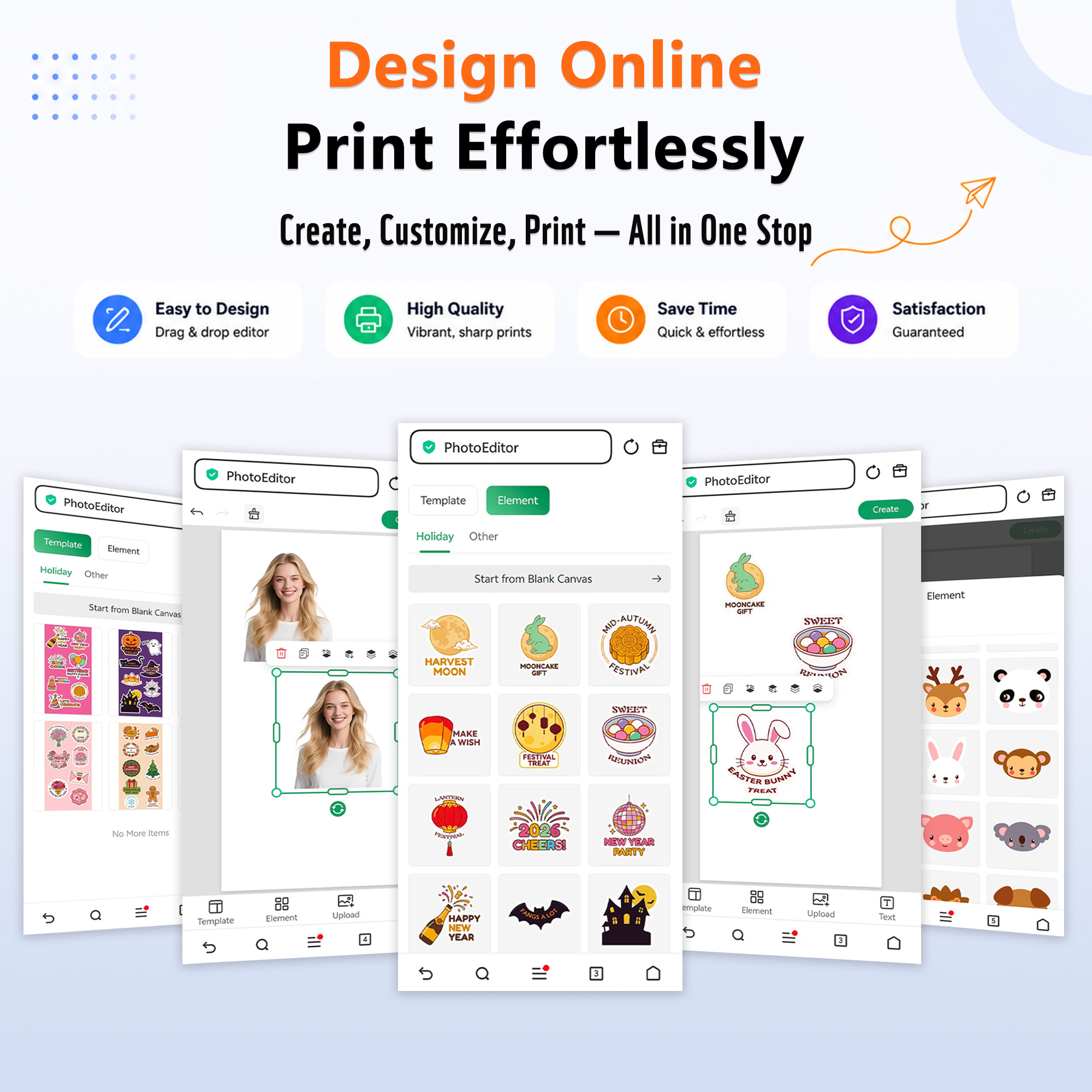
The machine includes templates, image upload, AI background removal, and AI-assisted design functions. These features may simplify job preparation, but buyers should test whether the resulting files match their own layout, branding, and approval process.
Set Output Acceptance Rules for Print and Contour Cutting
The listed print resolution is 300 DPI, while contour-cutting precision is described as reaching approximately 0.1 mm. These figures should guide the test design rather than replace physical inspection. Actual acceptance should be based on finished pieces produced from the target media and artwork.
For printing, review text clarity, color transitions, visible banding, surface marks, and consistency between repeated pieces. The product is described as using high-definition dye-sublimation printing with detailed color, water resistance, and resistance to fading; buyers should verify the relevant characteristics under their own handling and use conditions.
For cutting, inspect registration around printed graphics, closed-shape completion, corner quality, and unwanted lifting or tearing. Acceptance limits should reflect the product being sold. A decorative label and a precisely fitted phone back film may require different tolerances even when produced on the same machine.
Common Questions About M888 Sample Validation
Can one successful sample confirm all material compatibility?
No. Approval should cover only the tested media specification. Additional films, papers, coatings, or backing constructions may require separate trials.
What should buyers send for a pre-purchase test?
Send actual media, final-size artwork, expected contour files, and written acceptance criteria. Include challenging designs and enough material for repeated runs.
Should printing and cutting be accepted as one result?
Evaluate the finished product as a whole, but record print quality and cutting quality separately. This makes the cause of any rejection easier to identify.
Conclusion
The MTB-CUT M888 is a practical candidate when a buyer needs computerized printing and contour cutting in one compact workflow. Procurement approval should remain conditional until representative samples prove compatibility with the intended media, fit within the working widths, and meet documented print and cut acceptance rules. A retained reference sample provides a clearer purchasing basis than specifications or a single showroom demonstration alone.
About Mietubl
Mietubl is a Guangzhou-based mobile accessories brand whose name reflects its guiding idea: Make It Easier To Use, Better Life. With roots in the mobile accessories industry dating to 1998 and the MIETUBL brand registered in 2010, the company focuses on products that make everyday digital use simpler and more practical.
Its portfolio includes screen protectors, intelligent screen protector cutting machines, film materials, data cables, chargers, power banks, and audio accessories. By combining design, product development, manufacturing, and channel support, Mietubl works with distributors and retailers serving a broad range of mobile accessory needs, with products exported to more than 120 countries and regions.
For product information, samples, or distribution opportunities, contact Marketing@mietubl.com or visit www.mietubl.com.
Was this article helpful?
Your feedback helps us improve future articles.