
The MTB-CUT M888 can be considered for phone back-film production, but material approval should depend on representative sample testing rather than the use-case label alone. The machine combines printing and cutting and lists phone back film among its supported product applications. However, the available product data does not define compatible film chemistry, coating, adhesive, liner, or surface finish. Buyers should therefore validate their actual production stock before confirming suitability.
Why Material Validation Comes Before the Purchase Decision
“Phone back film” can describe materials with different printable coatings, surface textures, thicknesses, liners, and adhesive systems. A machine may feed and cut one construction successfully while producing unacceptable results with another. The relevant procurement question is not simply whether the M888 supports back-film production, but whether it can process the exact materials intended for sale.
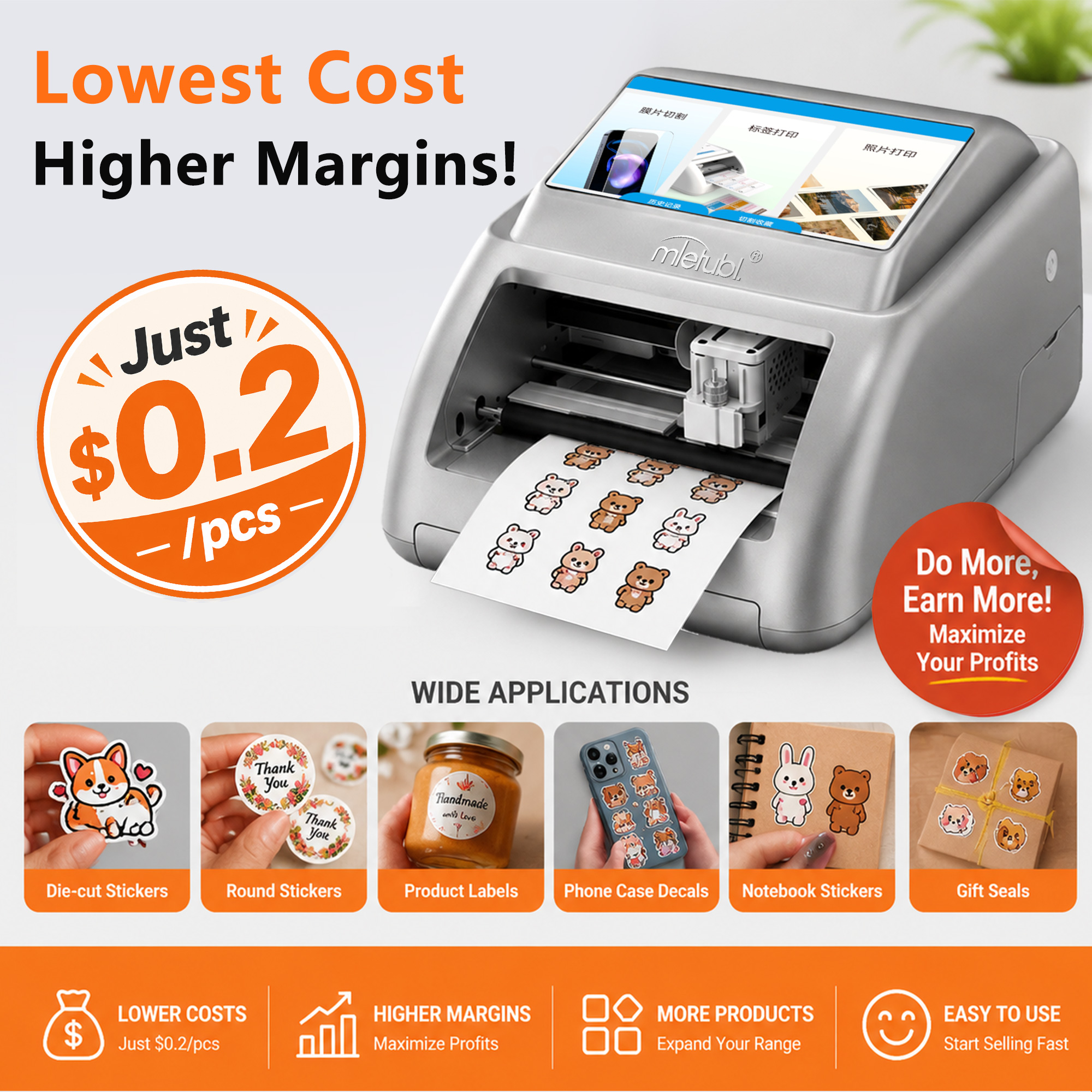
The machine uses an integrated print-and-cut workflow, reducing the need to move work between separate devices. Its approved selling points also identify thermal-sublimation printing and contour cutting of approximately 0.1 mm as core functions. These capabilities provide a basis for testing customized back films, but they do not replace material-specific verification.
- Test saleable stock: Use the same film, coating, adhesive, and liner planned for regular orders.
- Include difficult designs: Samples should contain fine contours, corners, text, gradients, and edge-to-edge graphics.
- Define acceptance first: Set measurable visual, cutting, handling, and application criteria before running the trial.
- Retain approved samples: Keep reference pieces for incoming-material and production comparisons.
Build a Representative Back-Film Sample Set
A useful validation batch should represent normal production variation rather than a single easy design. Buyers may include light and dark artwork, solid color areas, fine details, irregular outlines, and designs that reveal print-to-cut misalignment. If multiple finishes or suppliers are planned, each material construction should be tested separately.
Sample dimensions must also reflect the machine’s working limits. The M888 has a stated cutting width of 138 mm and feed width of 160 mm. Buyers should check the complete sheet or roll arrangement—including margins, registration areas, and liner behavior—rather than comparing only the finished phone-film dimensions with the cutting width.
Where possible, run several samples from different positions in the material batch. This can help reveal inconsistent coating response, curling, feed variation, or liner movement that may not appear in a single piece.
Set Print and Cut Output Acceptance Criteria
Acceptance should cover the finished product, not merely successful machine operation. For print output, buyers should review image sharpness, gradients, small text, color consistency, surface defects, and whether the printed layer remains acceptable after normal handling. The M888 has a stated print resolution of 300 DPI, but the perceived result can still depend on artwork quality and the film’s printable surface.
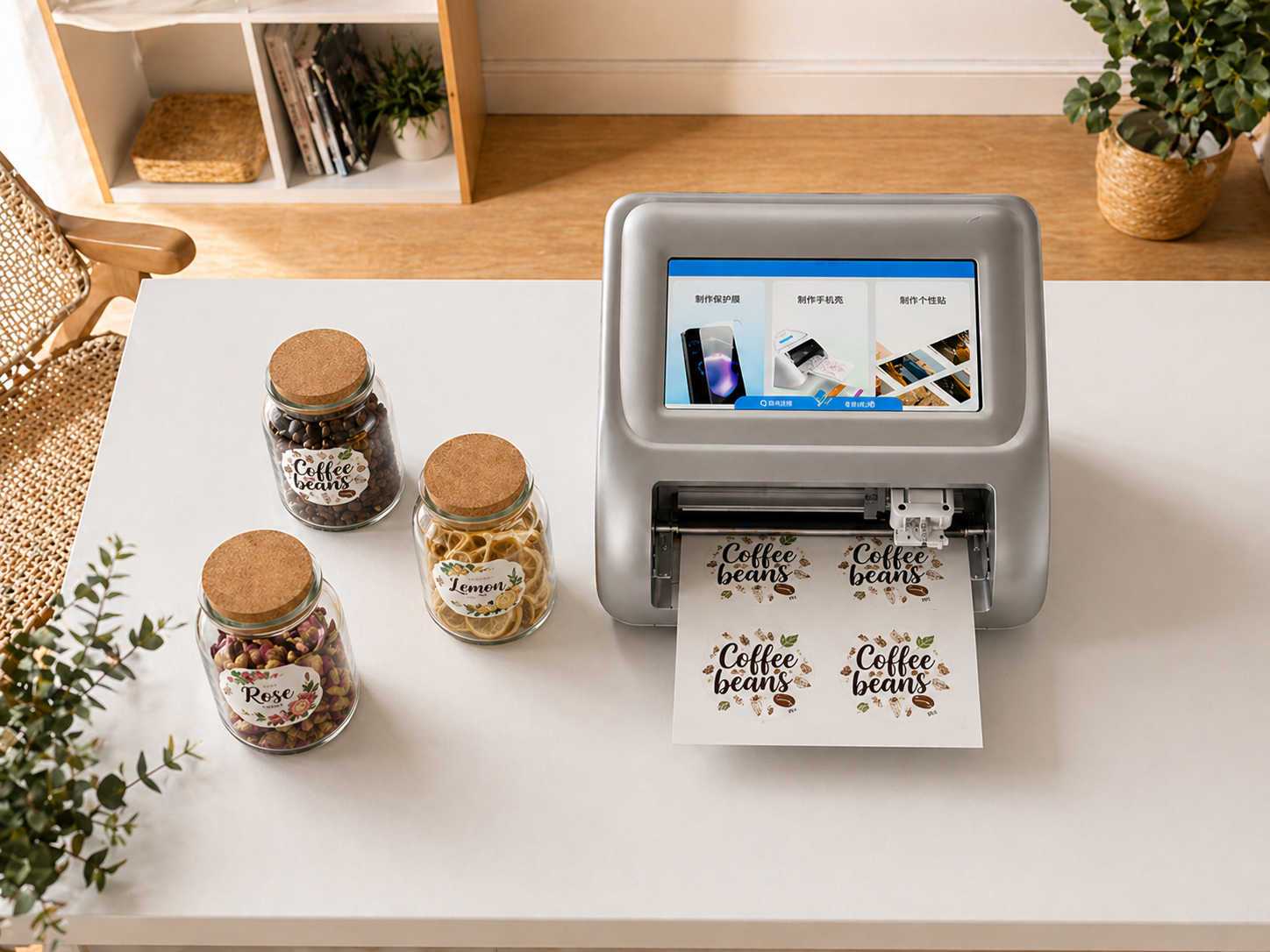
For cutting, inspect contour registration, corner shape, closed-path completion, edge cleanliness, and separation from the surrounding material. Confirm that the cut passes through the intended film layer without creating unacceptable liner damage. Because the approved product information does not specify settings for individual back-film constructions, pressure and workflow parameters should be established during sampling rather than assumed.
Verify the Full Workflow, Not Just One Finished Piece
A commercially useful test should follow the same sequence expected at the retail counter or production station: select or upload the design, print it, contour-cut it, remove the finished piece, and apply or package it. The M888 includes built-in templates, image upload, AI cutout, and AI-generated design functions, which may simplify design preparation when they match the buyer’s operating process.
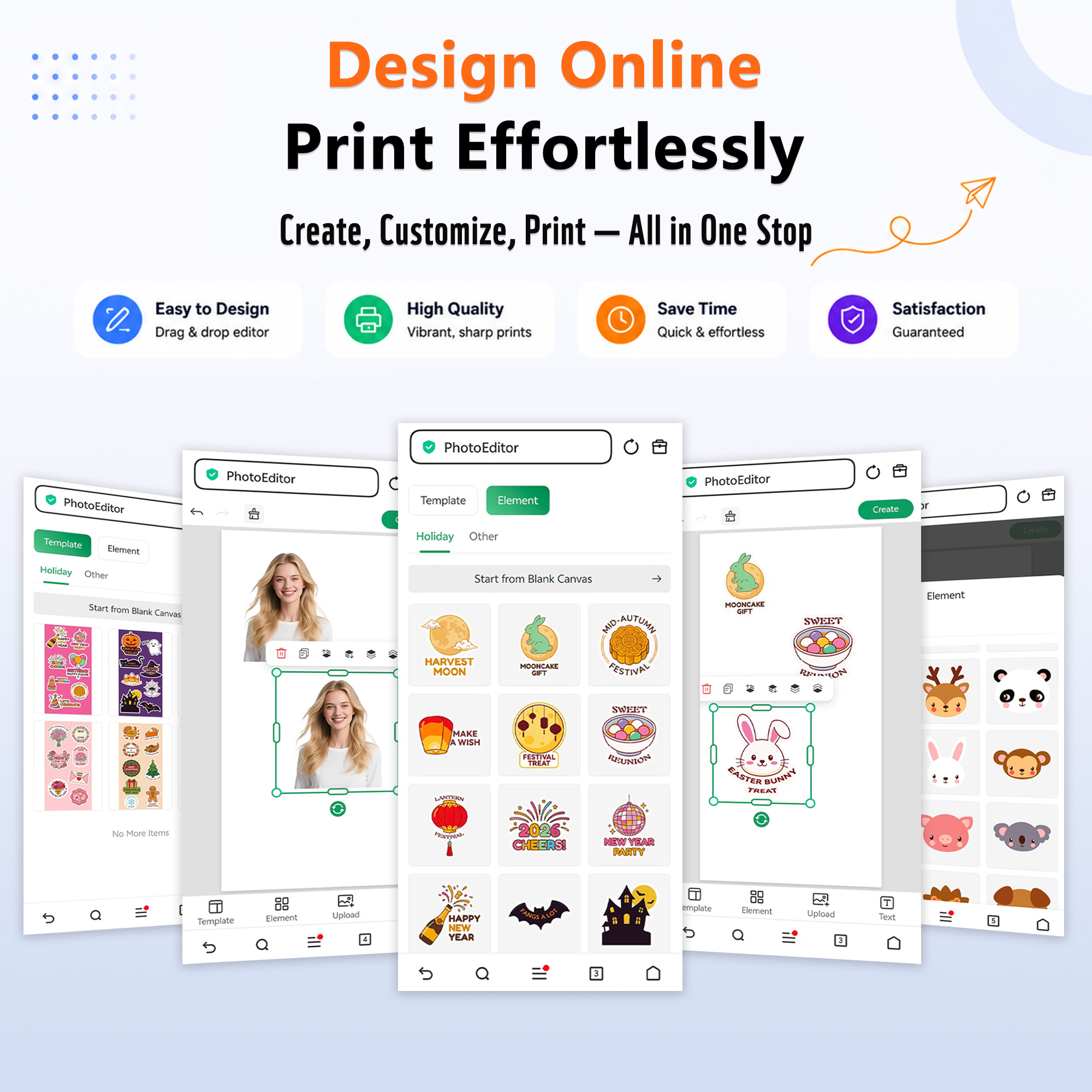
Operators should record setup steps, failed attempts, reprints, cutting adjustments, and material waste. These observations can be more useful for approval than a single visually acceptable sample. Retailers should also confirm that staff can reproduce the accepted output consistently using the intended artwork and material batch.
Common Questions About M888 Back-Film Validation
Does stated support for phone back film confirm every material is compatible?
No. It confirms the application category, but the supplied data does not define every compatible coating, adhesive, thickness, or liner. Each intended material should be sampled.
What should buyers send for a supplier-assisted sample?
Send the actual film stock, representative artwork, finished dimensions, contour files where applicable, and written acceptance criteria. Avoid substituting a visually similar material.
When is the sample ready for approval?
Approval is appropriate when repeated pieces meet the buyer’s standards for print appearance, contour alignment, edge quality, handling, application, and workflow consistency.
Conclusion
The MTB-CUT M888 is a relevant candidate for integrated printing and cutting of customized phone back films, but procurement approval should remain conditional on tests using the buyer’s real material and artwork. A representative, repeatable sample process gives distributors and retailers a stronger basis for accepting output quality and controlling material risk.
About Mietubl
Mietubl is a Guangzhou-based mobile accessories brand whose name reflects its guiding idea: Make It Easier To Use, Better Life. With roots in the mobile accessories industry dating to 1998 and the MIETUBL brand registered in 2010, the company focuses on products that make everyday digital use simpler and more practical.
Its portfolio includes screen protectors, intelligent screen protector cutting machines, film materials, data cables, chargers, power banks, and audio accessories. By combining design, product development, manufacturing, and channel support, Mietubl works with distributors and retailers serving a broad range of mobile accessory needs, with products exported to more than 120 countries and regions.
For product information, samples, or distribution opportunities, contact Marketing@mietubl.com or visit www.mietubl.com.
Was this article helpful?
Your feedback helps us improve future articles.