
For distributors and retailers using the MTB-CUT 180T, the stronger inventory decision is usually to stock a controlled mix of compatible blank films and cut them on demand, rather than carry finished protectors for every device model. No single film type is universally best: the right choice depends on local demand for clear, matte, privacy, TPU, or PET options. This approach can broaden model coverage without multiplying finished-product SKUs.
Make the inventory decision before choosing a film label
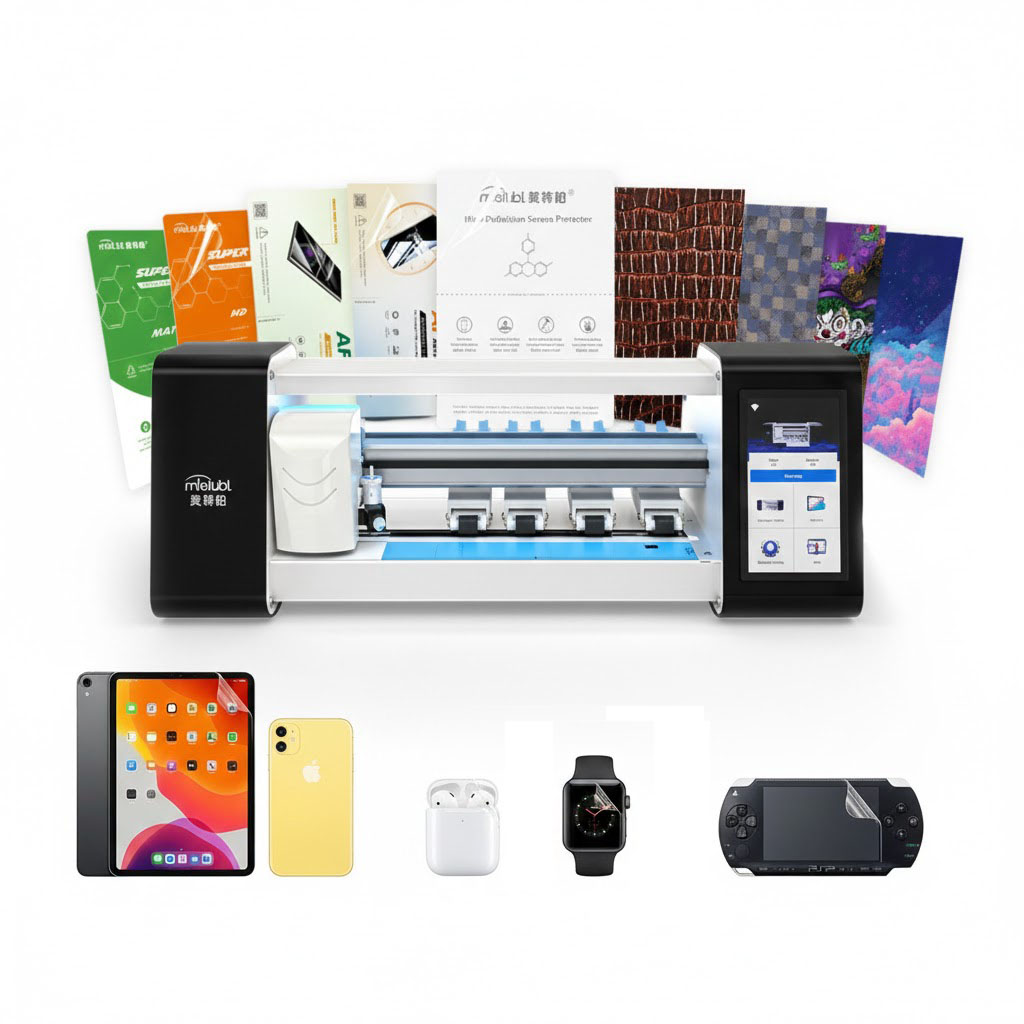
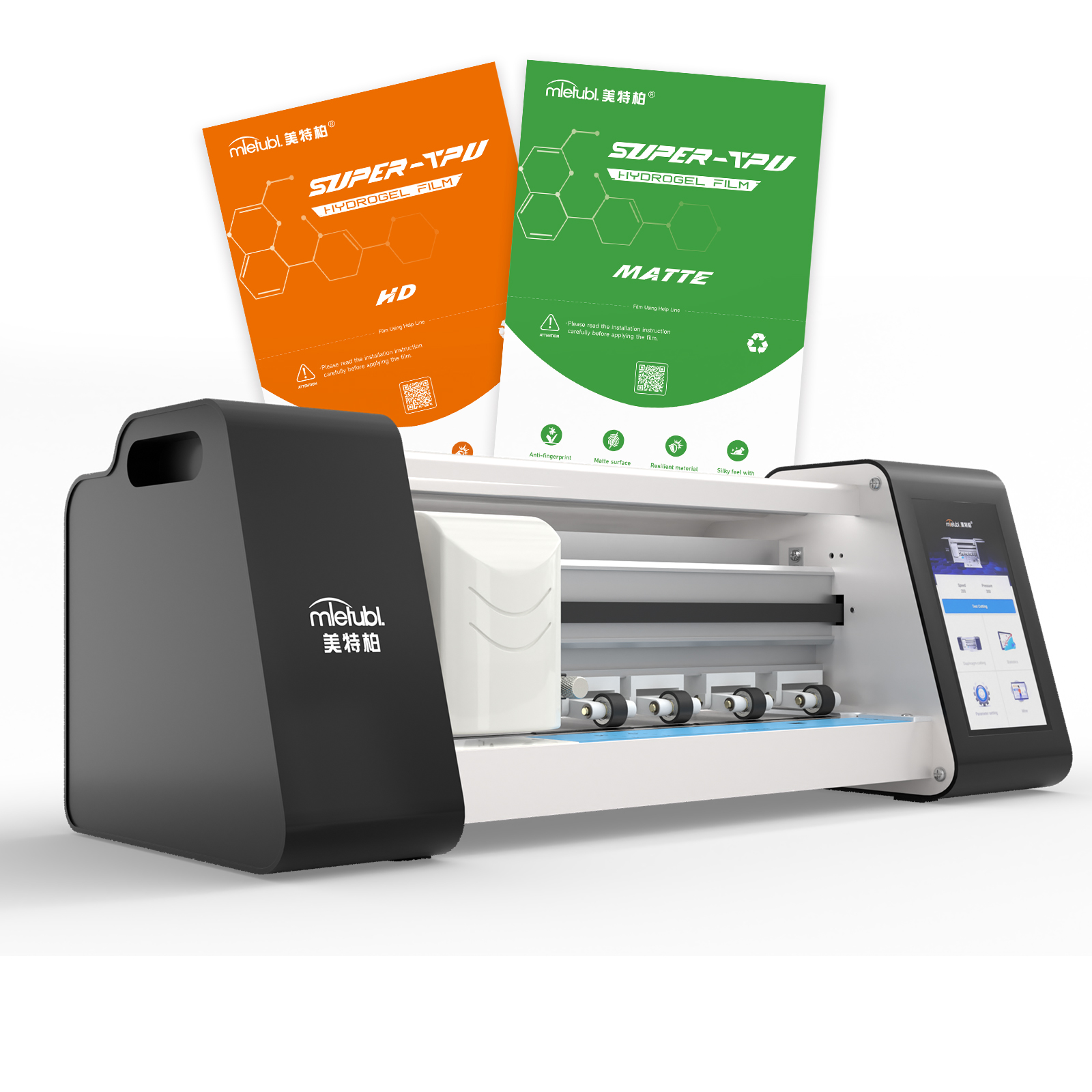
A good cutter-film assortment should be judged by compatibility, demand coverage, replenishment simplicity, and service positioning—not by an unsupported reputation claim. The MTB-CUT 180T supports TPU, PET, high-clear, matte, and privacy films, giving buyers several product tiers without requiring a separate finished protector for every device-and-finish combination.
Key decision criteria:
- Prioritize film types with demonstrated demand in your target stores or distribution territory.
- Confirm each proposed film's thickness and cutting compatibility before purchasing volume.
- Use material and finish variety to create service options without duplicating every device model.
- Keep finished protectors only where sales velocity or customer expectations justify dedicated stock.
Why on-demand cutting changes model-specific stock exposure
Traditional finished-stock planning can require separate inventory for each phone model, screen shape, and protection style. Every additional finish can create another SKU. Slow-moving or replaced device models may then leave stock that is difficult to redeploy.
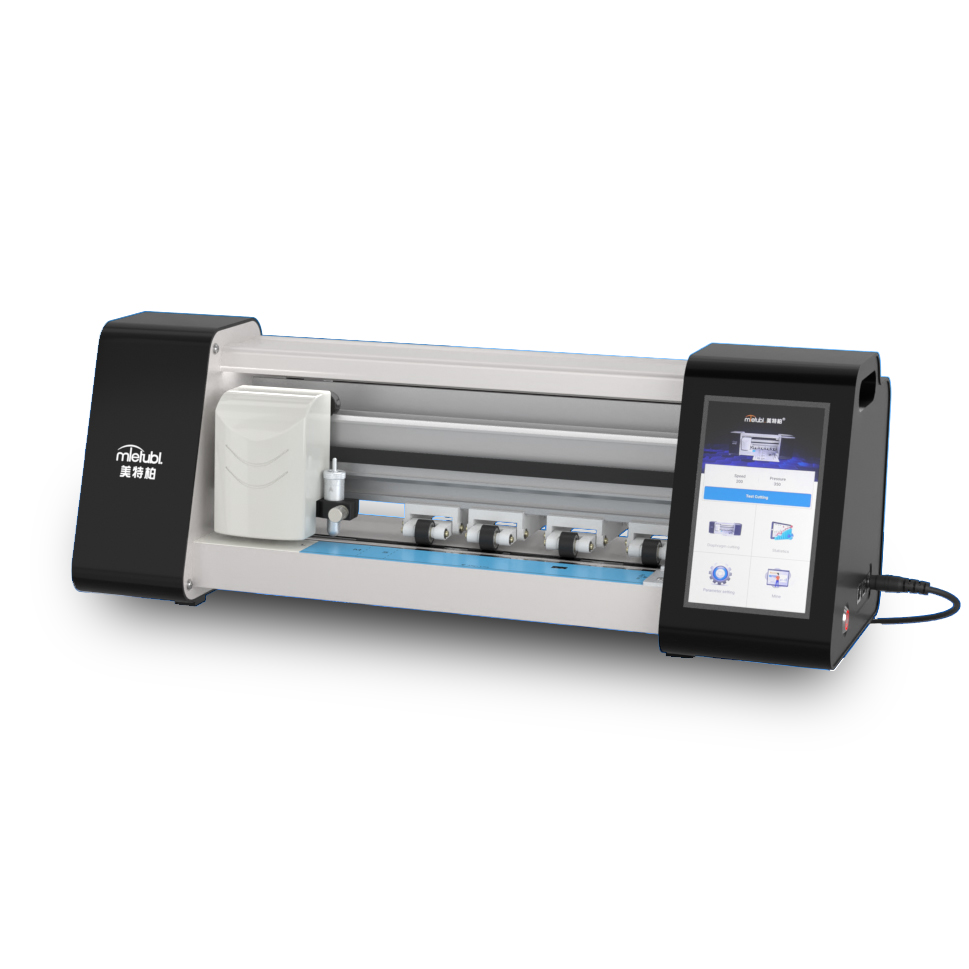
The MTB-CUT 180T uses a cloud system covering more than 50,000 device models, with new-model data synchronized around the clock across more than 130 countries. For a buyer, the relevant value is not the database figure alone. It is the ability to hold blank material and select a device pattern when an order arrives, subject to verifying that the required model is available.
This structure may be particularly useful for multi-brand stores, cross-border sellers, and distributors serving markets with fragmented device demand. It does not eliminate inventory planning; it shifts planning from thousands of model-specific pieces toward a smaller number of material categories.
Build a compact blank-film assortment around demand
A practical starting assortment can separate films by customer outcome. High-clear options address buyers who prioritize screen visibility. Matte film can serve customers seeking a different surface appearance, while privacy film provides a distinct upsell category. TPU and PET give procurement teams additional material choices, but samples should be evaluated before they are assigned to a retail tier.
Avoid purchasing every available finish in equal volume. A distributor can begin with the most frequently requested option, then add matte or privacy stock according to observed orders. Stores serving tablets, watches, or cameras should also confirm the relevant patterns and usable material dimensions, because the machine supports film types for multiple device categories.
Finished tempered-glass protectors should be treated as a separate product category unless the supplier explicitly confirms they are designed for cutter use. Do not assume that any screen protector can be loaded into the machine simply because its nominal thickness appears suitable.
Control replenishment without recreating finished-stock complexity
On-demand production works best when blank-film purchasing remains disciplined. Buyers should track consumption by material type, finish, and store location rather than only by device model. Reorder points can then reflect actual cutting volume and supplier lead time.
The MTB-CUT 180T is described as completing a cut in about 20 seconds, supporting immediate in-store service where the fitting workflow is organized. It also operates without credits or per-cut charges, reducing exposure to recurring cutting fees. Buyers should still budget for film consumption, blades, operator time, fitting accessories, rejected cuts, and after-sales handling.
Before placing a larger consumables order, test representative films for feeding, edge quality, pattern alignment, adhesion, installation behavior, and packaging stability. These checks are more useful for procurement than relying on popularity language that is not supported by comparative reviews.
Common Questions
Which film type should a new store stock first?
A high-clear option may be a practical starting point where customers mainly request standard screen protection. Add matte, privacy, TPU, or PET choices only after reviewing local demand and confirming compatibility.
Can on-demand cutting replace all finished protectors?
Not necessarily. Finished stock may remain appropriate for fast-selling models, premium glass products, or customers expecting a particular construction. A hybrid inventory model can combine core finished SKUs with long-tail, on-demand coverage.
How should buyers evaluate a cutter-film supplier?
Request samples and confirm material identity, thickness, machine compatibility, consistency, packaging, replenishment terms, and available support. Brand reputation should be supported by verifiable customer or test evidence rather than sales wording alone.
Conclusion: Choose breadth by material, not by every model
For MTB-CUT 180T operations, a focused blank-film mix can reduce dependence on model-specific finished stock while preserving a wider service menu. Start with proven local demand, validate every consumable on the machine, and retain dedicated finished inventory only where predictable sales justify the added SKU exposure.
About Mietubl
Mietubl is a Guangzhou-based mobile accessories brand whose name reflects its guiding idea: Make It Easier To Use, Better Life. With roots in the mobile accessories industry dating to 1998 and the MIETUBL brand registered in 2010, the company focuses on products that make everyday digital use simpler and more practical.
Its portfolio includes screen protectors, intelligent screen protector cutting machines, film materials, data cables, chargers, power banks, and audio accessories. By combining design, product development, manufacturing, and channel support, Mietubl works with distributors and retailers serving a broad range of mobile accessory needs, with products exported to more than 120 countries and regions.
For product information, samples, or distribution opportunities, contact Marketing@mietubl.com or visit www.mietubl.com.
Was this article helpful?
Your feedback helps us improve future articles.