
For buyers comparing phone film cutting machine brands, the MTB-CUT 180T is a practical candidate for sample validation, but the purchasing decision should depend on results with your actual film inventory. Its stated support for multiple materials, adjustable cutting settings, and defined precision provide a useful testing basis. They do not replace verification of edge quality, fit, repeatability, and waste under your operating conditions.
Make the Brand Decision Through Validation
A suitable brand is one that can produce an acceptable result across the materials and device patterns your business sells. Before placing a volume order, use a representative machine and sample films to establish whether the MTB-CUT 180T meets your internal acceptance criteria.
- Test real inventory: Include the film types, thicknesses, finishes, and suppliers used in daily operations.
- Evaluate finished output: Inspect edges, corners, openings, alignment, and dimensional fit rather than judging the machine only by its specification sheet.
- Repeat each pattern: Confirm that successive cuts remain within your accepted tolerance.
- Record working settings: Save the pressure and speed combinations that produce acceptable results for each material.
- Review operating cost: The approved selling points state that the system has no point charges or per-cut fees, which may support lower long-term usage costs.
Validate Compatibility With Representative Film Materials
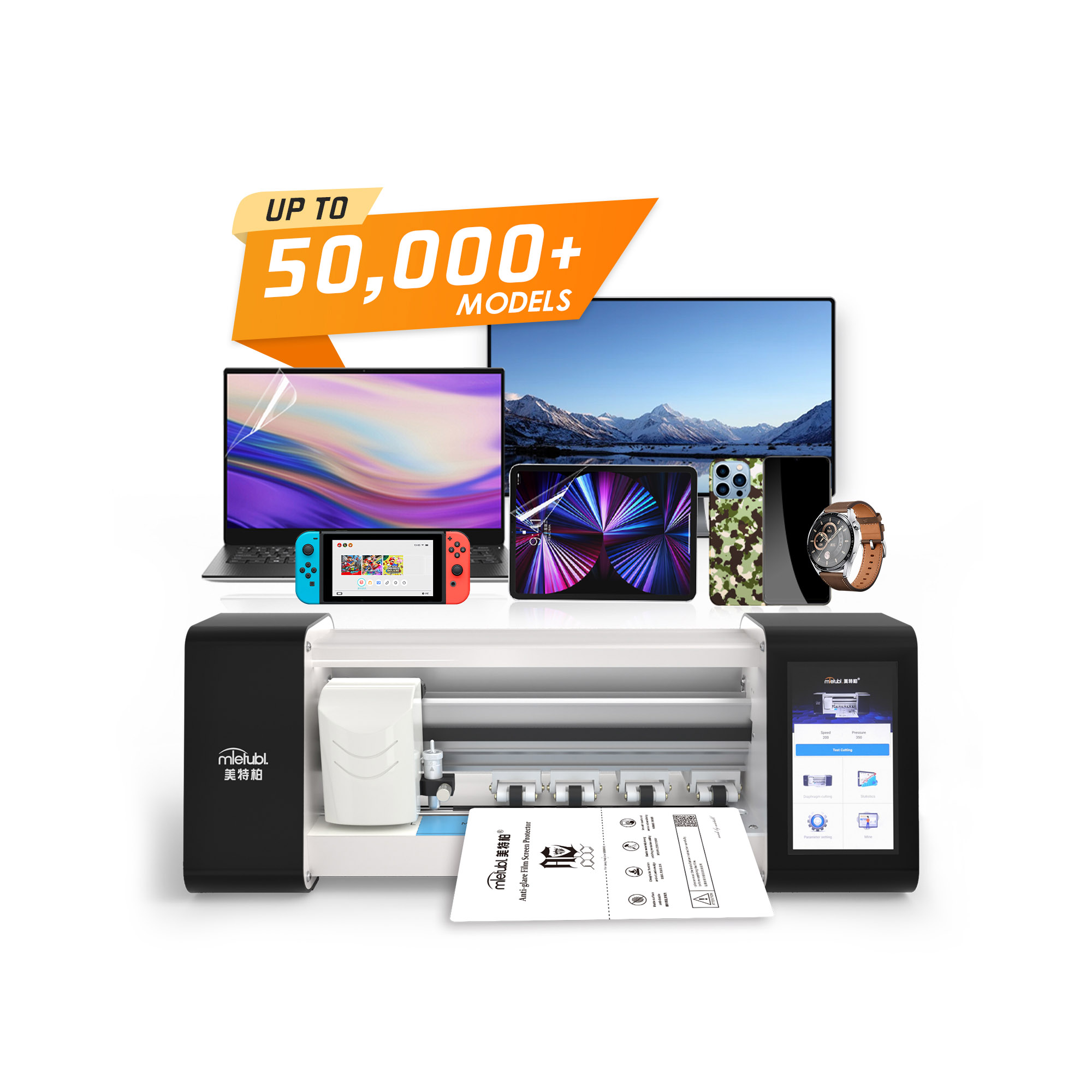
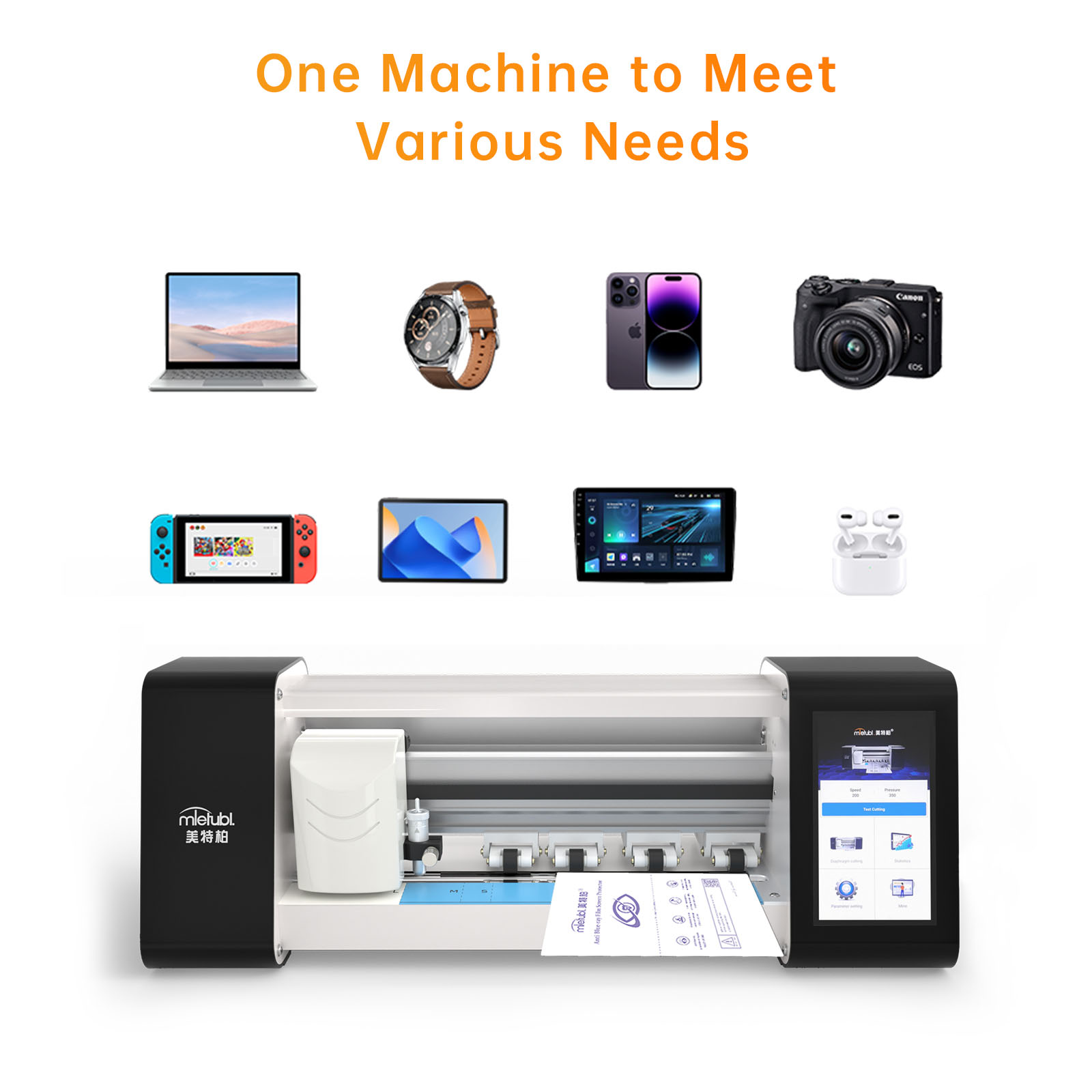
The MTB-CUT 180T is stated to support TPU, PET, clear, matte, and privacy films. That range is useful for distributors or retailers carrying several product tiers, but material-category support should not be treated as automatic compatibility with every supplier’s construction.
Build the sample set around commercially meaningful differences. Include soft and rigid films, glossy and textured surfaces, thin and thick stock, and materials with different backing liners. If several suppliers provide the same category, test each supplier separately because liner behavior and material response may differ.
The machine lists a maximum cutting thickness of 0.7 mm. Buyers should still confirm the complete material stack, including the film and liner, and avoid using the nominal film thickness alone as the acceptance reference.
Design a Representative Sample Test
A useful validation should reproduce normal store or production conditions. Select several frequently sold phone patterns, at least one pattern with narrow openings or complex corners, and any tablet or other device pattern relevant to the intended assortment. The listed maximum cutting width is 228 mm, so the largest planned jobs should be checked against both the usable width and the actual pattern orientation.
- Condition the sample films in the intended working environment.
- Run initial cuts using controlled pressure and speed settings.
- Inspect whether the film separates cleanly without damaging the liner.
- Apply selected samples to actual devices or accurate fixtures.
- Repeat the same patterns and compare the results.
The machine provides digitally adjustable pressure from 1 to 999 and cutting speed from 1 to 500. These ranges allow settings to be tuned, but the buyer should document approved combinations instead of assuming one setup will suit every material.
Set Output Acceptance Before Approving the Machine
Acceptance criteria should be written before testing so that the result is not based on appearance alone. The MTB-CUT 180T lists cutting precision of 0.05 mm and repeatability of 0.1 mm over two cuts on a 200 × 200 mm area. Use these stated values as a reference when defining the supplier discussion, then assess finished samples against the tolerances required by your products.
A practical output review can cover dimensional fit, symmetry, corner smoothness, cut-through consistency, liner protection, opening alignment, and visible edge defects after installation. Buyers should also measure scrap generated while finding the correct settings. A fast individual cut has limited value if frequent retries increase material consumption.
For incoming orders, the listed inspection method is GB/T2828.1. Buyers should confirm the sampling level, acceptance quality limits, defect categories, and inspection records to be applied to their order rather than treating the method name as a complete quality agreement.
Common Buyer Questions
Can one test film prove compatibility?
No. A representative sample should cover the main material categories, suppliers, thicknesses, liners, and finishes in the intended assortment. Compatibility with one TPU or PET product does not establish compatibility with every variation.
Should cutting speed be the main acceptance criterion?
No. Throughput matters only after the cut meets dimensional, edge, liner, and repeatability requirements. Buyers should assess total successful output, including setup attempts and rejected films.
What evidence should be retained after testing?
Keep the material identification, device pattern, pressure and speed settings, sample measurements, defect photographs, repeat-cut results, and final approval status. This record can support operator training and future material changes.
Conclusion
The MTB-CUT 180T can be shortlisted by buyers seeking a multi-material phone film cutter with adjustable settings and a defined cutting envelope. Approve the brand and model only when representative films produce repeatable, installable output within your written tolerances and acceptable waste level.
About Mietubl
Mietubl is a Guangzhou-based mobile accessories brand whose name reflects its guiding idea: Make It Easier To Use, Better Life. With roots in the mobile accessories industry dating to 1998 and the MIETUBL brand registered in 2010, the company focuses on products that make everyday digital use simpler and more practical.
Its portfolio includes screen protectors, intelligent screen protector cutting machines, film materials, data cables, chargers, power banks, and audio accessories. By combining design, product development, manufacturing, and channel support, Mietubl works with distributors and retailers serving a broad range of mobile accessory needs, with products exported to more than 120 countries and regions.
For product information, samples, or distribution opportunities, contact Marketing@mietubl.com or visit www.mietubl.com.
Was this article helpful?
Your feedback helps us improve future articles.