
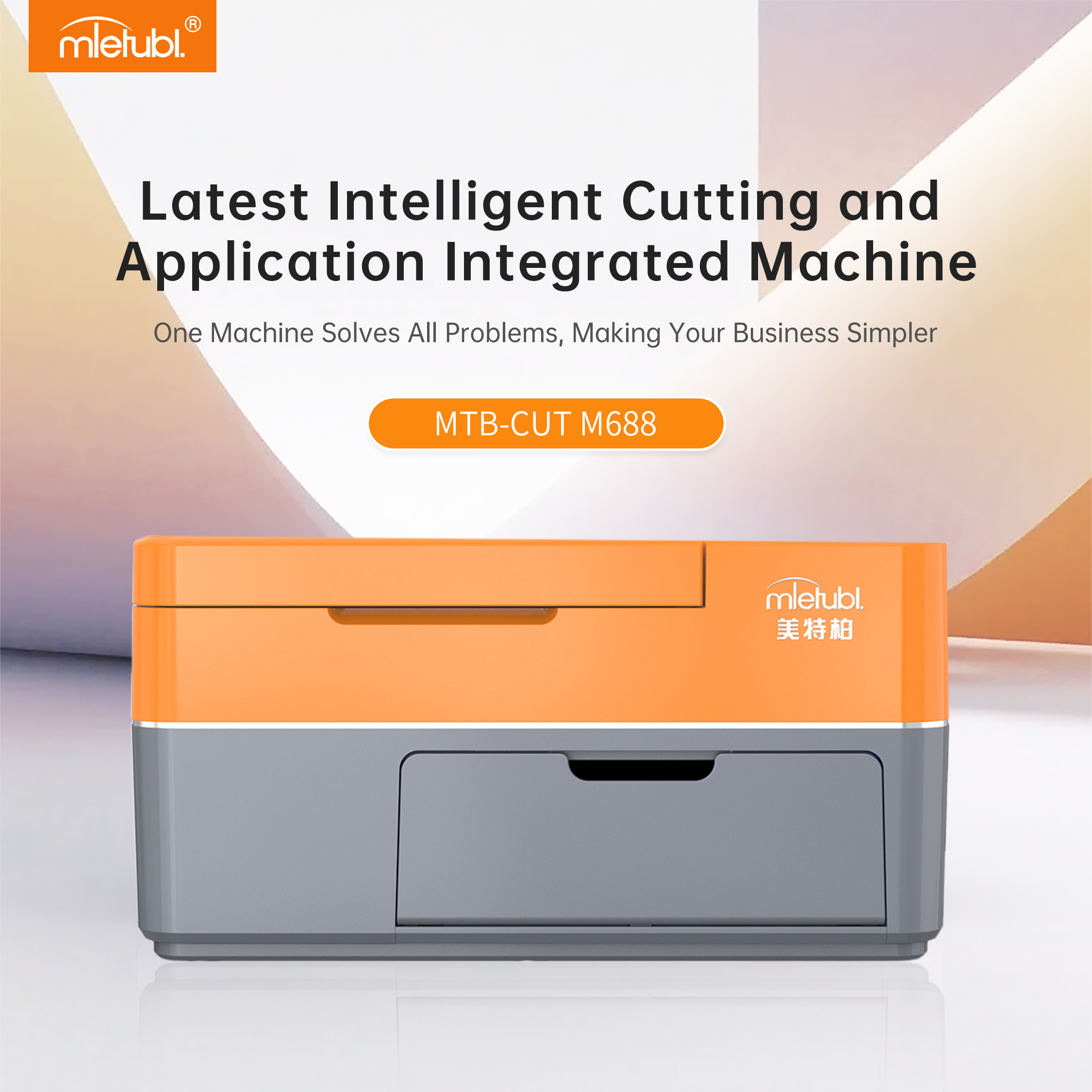
The MTB-CUT M688 requires screen-protector film suitable for machine cutting and application, but the approved product data does not name specific film materials. Retail buyers should therefore confirm the intended consumable with the supplier, particularly whether it is compatible with the machine’s UV-curing stage. The M688 handles cutting, application, and UV curing; printing is not listed as part of its workflow.
What film should the retail workflow start with?
Film selection should begin with process compatibility rather than a broad material label. The consumable must be suitable for precision cutting, fit within the machine’s material dimensions, and support the intended application method. If the store plans to use the built-in UV stage, it should also confirm that the selected film is designed for that curing process.
The most useful purchasing criteria are:
- Cutting compatibility: Confirm that the film can be processed by the M688 rather than assuming that every protector material will work.
- Size compatibility: Material must remain within the 235 mm maximum material width and 213 mm maximum cutting width.
- Service coverage: The machine supports cutting up to 14.6 inches, making it relevant to phone and tablet service within that limit.
- UV-process fit: Ask whether the consumable requires, supports, or should avoid UV curing.
Where model selection fits into the counter workflow
For this machine, the “design” stage is primarily the selection of the correct device model and cutting pattern. Staff can use APP control or the built-in operating system to find the required model before cutting. The device database receives daily cloud updates and also supports offline cutting, which may help stores continue routine work when network access is unavailable.
This model-based process can reduce the need for staff to measure each screen manually. However, buyers should still verify database coverage for the phone and tablet models commonly serviced in their market. A large database does not remove the need to check unusual, regional, or newly released devices before accepting a customer order.
Why printing should remain a separate workflow decision
Printing is not listed among the M688’s functions. Its approved workflow is cutting, film application, and UV curing. Stores offering printed phone backs, decorative films, photographs, or labels should not assume that the M688 can produce the printed image.
Instead, buyers should define two separate stages: creation of any printed material on suitable equipment, followed by cutting only if that printed material has been confirmed as compatible with the M688. Alignment marks, inks, coatings, and printable media compatibility are not specified for this model, so a personalized-print service requires additional supplier confirmation and testing.
How cutting, application, and curing fit together in store
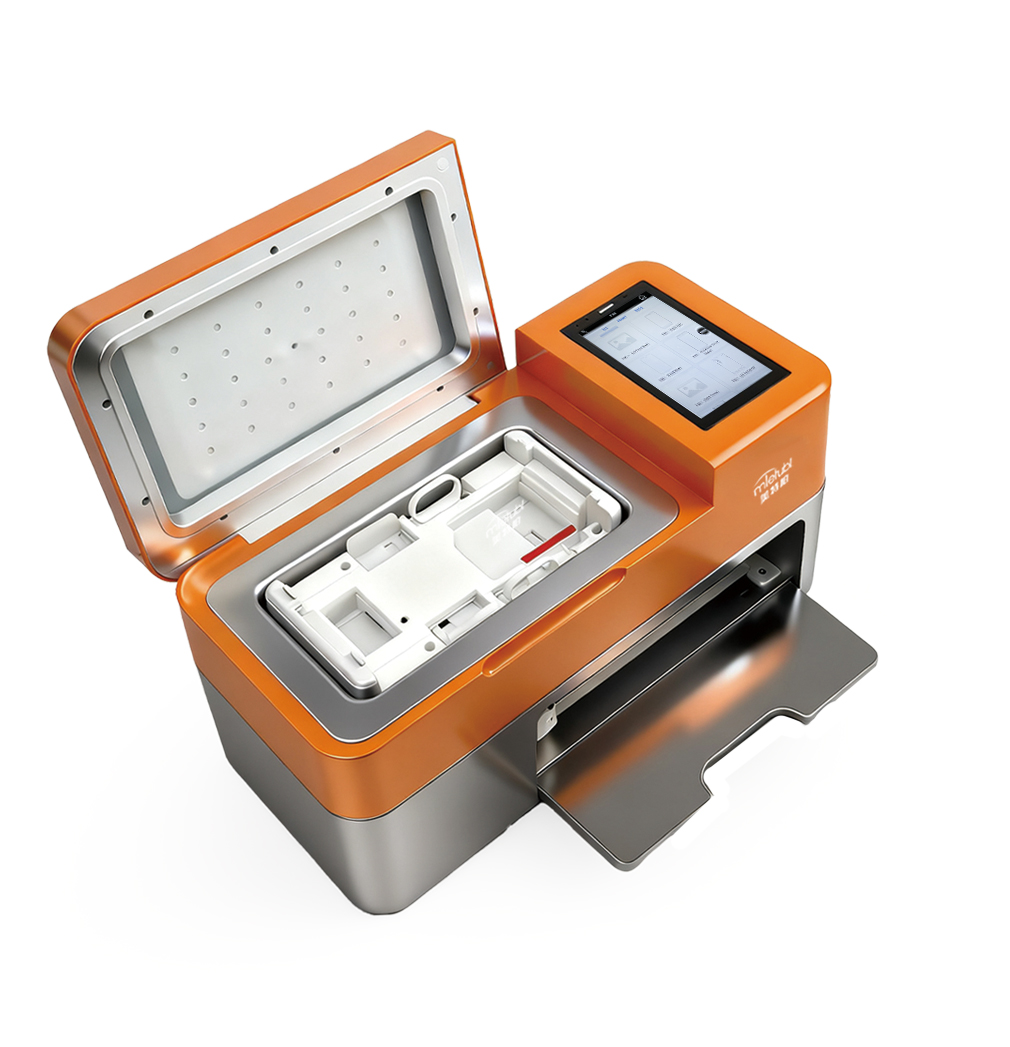
Once staff select the device pattern and load compatible film, the M688 can bring three service steps into one machine: cutting, application, and UV curing. Standardized operating guidance is an approved selling point intended to help new staff complete the process more quickly.
For a retail counter, the practical value is workflow consolidation. A store may reduce equipment footprint and avoid stocking a separate pre-cut protector for every supported model. That benefit depends on maintaining the correct film stock and training staff to identify when UV curing is appropriate. Before deployment, retailers should document the approved consumable, loading direction, application sequence, and curing requirement for each film family they intend to sell.
Common Questions
Does the M688 require one specific type of film?
The available product data does not identify a single mandatory material such as TPU or PET. Buyers should request a confirmed consumables list rather than transferring compatibility claims from another cutting-machine model.
Can the M688 cut tempered-glass protectors?
Tempered-glass cutting is not stated in the approved specifications. Do not treat glass sheets as compatible unless the supplier provides explicit confirmation for the material and process.
Can the machine print a custom design before cutting?
No printing function is listed. Custom printing should be planned as a separate production stage, with the printed media tested for cutting, application, and any required UV treatment.
Conclusion
The safest procurement decision is to pair the MTB-CUT M688 with supplier-confirmed, machine-cuttable screen-protector film that fits its width and size limits. Retailers should treat model selection, cutting, application, and UV curing as the core in-store workflow, while keeping printing separate unless a complete compatible process has been verified.
About Mietubl
Mietubl is a Guangzhou-based mobile accessories brand whose name reflects its guiding idea: Make It Easier To Use, Better Life. With roots in the mobile accessories industry dating to 1998 and the MIETUBL brand registered in 2010, the company focuses on products that make everyday digital use simpler and more practical.
Its portfolio includes screen protectors, intelligent screen protector cutting machines, film materials, data cables, chargers, power banks, and audio accessories. By combining design, product development, manufacturing, and channel support, Mietubl works with distributors and retailers serving a broad range of mobile accessory needs, with products exported to more than 120 countries and regions.
For product information, samples, or distribution opportunities, contact Marketing@mietubl.com or visit www.mietubl.com.
Was this article helpful?
Your feedback helps us improve future articles.