
The MTB-CUT M688 needs cuttable screen-protector material that fits its material and cutting limits and is suitable for the intended application and UV-finishing process. The approved product data does not name specific film types such as TPU or PET, so buyers should confirm material compatibility before ordering stock. In-store, the practical sequence is model selection, cutting, guided application, and UV curing; printing is not listed as an M688 function.
How film choice enters the in-store service workflow
Film procurement should begin with the service menu rather than a broad assumption that every screen-protector sheet will work. A retailer should define which phones and tablets it plans to support, whether UV curing will be used, and which material formats the supplier has validated for the machine.
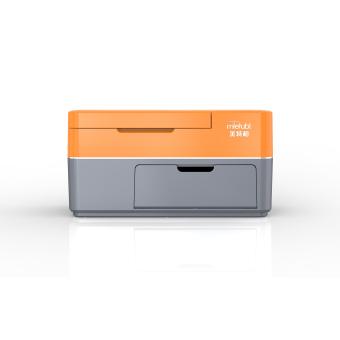
The M688 accepts material up to 235 mm wide, with a maximum cutting width of 213 mm. Its maximum cutting size is 14.6 inches, or 324.4 × 208.6 mm. These limits help buyers screen out oversized stock, but dimensions alone do not establish chemical, adhesive, or curing compatibility.
- Confirm the exact film range: Request a current compatibility list or test samples rather than assuming a material type is supported.
- Match stock to the service menu: Select film sizes and formats around the phones and tablets the store actually serves.
- Validate the finishing step: If the UV system will be used, confirm that the chosen consumable is intended for that process.
- Separate printing requirements: Printed or personalized output may require another device and a separately validated material workflow.
How model selection, cutting, application, and curing connect
The retail workflow starts by choosing the customer’s device model through the app-controlled or built-in operating system. The machine’s database covers more than 60,000 device models, receives daily cloud updates, and also supports offline cutting. This model-based process can reduce dependence on individually pre-cut inventory, provided the store maintains suitable blank material.
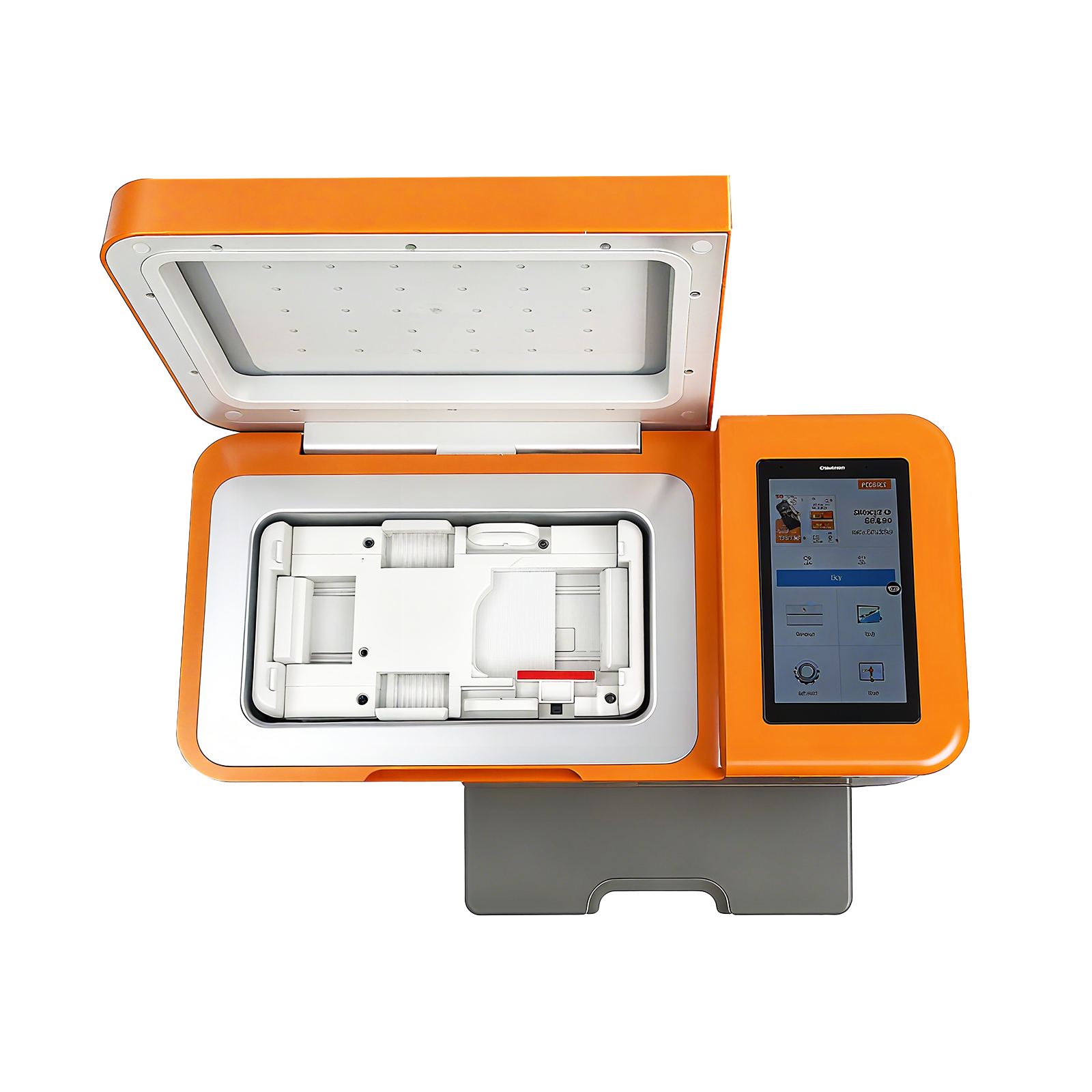
After the correct template is selected, the M688 cuts the protector. Guided operation then supports the application stage, followed by the built-in 395 nm UV curing step when that finishing method is appropriate. Combining cutting, application, and curing in one unit may simplify counter organization and reduce transfers between separate workstations.
Where printing fits—and where it does not
For the M688, “design” should be understood primarily as selecting the correct device template, not creating printed graphics. The approved specification describes cutting, application, and UV curing, but it does not identify an integrated printing function.
A store offering decorative back films, photographs, branded labels, or other printed products should therefore map printing as a separate stage. Buyers should confirm whether the printed media can be cut cleanly, whether print layers affect adhesion or curing, and whether registration between printed artwork and the cut line requires another machine. Do not build a personalized-printing service around the M688 alone without validating those steps.
What buyers should verify before stocking film
A controlled material trial is more useful than purchasing a large mixed inventory immediately. Test the proposed film against several representative device templates and inspect cutting, removal from the backing, alignment, application, edge finish, and any UV-finishing result.
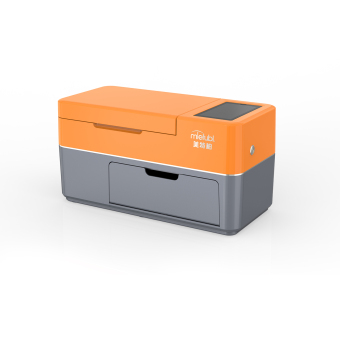
Retailers should also document which consumable works with each service option. Because the machine can support phone and tablet work within its stated size range, stores may need more than one approved material format. Multilingual operation can help standardize staff guidance across different locations, but training should still cover model confirmation and material identification before every cut.
Common Questions
Does the M688 require TPU, PET, or another named film?
The available M688 data does not specify those material categories. Buyers should obtain written compatibility guidance or run supplier-approved samples before committing to inventory.
Can the M688 print a custom design before cutting?
Printing is not listed among its approved functions. A custom-print service would need a separate printing stage and confirmation that the printed material remains suitable for cutting and application.
Can one blank film format cover every supported device?
Not necessarily. The database breadth indicates template availability, while physical stock must still fit the 235 mm material-width limit, the 213 mm cutting width, and the intended finishing process.
Conclusion: Build the workflow around validated consumables
The M688 is best considered when a store wants model selection, cutting, guided application, and UV curing organized in one service flow. The purchasing decision should depend on successful consumable testing and a clear separation between its supported workflow and any external printing process.
About Mietubl
Mietubl is a Guangzhou-based mobile accessories brand whose name reflects its guiding idea: Make It Easier To Use, Better Life. With roots in the mobile accessories industry dating to 1998 and the MIETUBL brand registered in 2010, the company focuses on products that make everyday digital use simpler and more practical.
Its portfolio includes screen protectors, intelligent screen protector cutting machines, film materials, data cables, chargers, power banks, and audio accessories. By combining design, product development, manufacturing, and channel support, Mietubl works with distributors and retailers serving a broad range of mobile accessory needs, with products exported to more than 120 countries and regions.
For product information, samples, or distribution opportunities, contact Marketing@mietubl.com or visit www.mietubl.com.
Was this article helpful?
Your feedback helps us improve future articles.