
A tempered glass installation video is suitable for procurement only if it demonstrates the exact protector being ordered, not a generic screen film. For the HD Borderless Screen Protector, buyers should require clear product identification, complete preparation and alignment steps, and close-up acceptance checks. The video should help retailers train staff and handle customers consistently, but it should not replace sample testing or agreed inspection criteria.
What Buyers Should Confirm Before Ordering
Treat the tutorial as part of the product documentation package. Before approval, confirm these decision criteria:
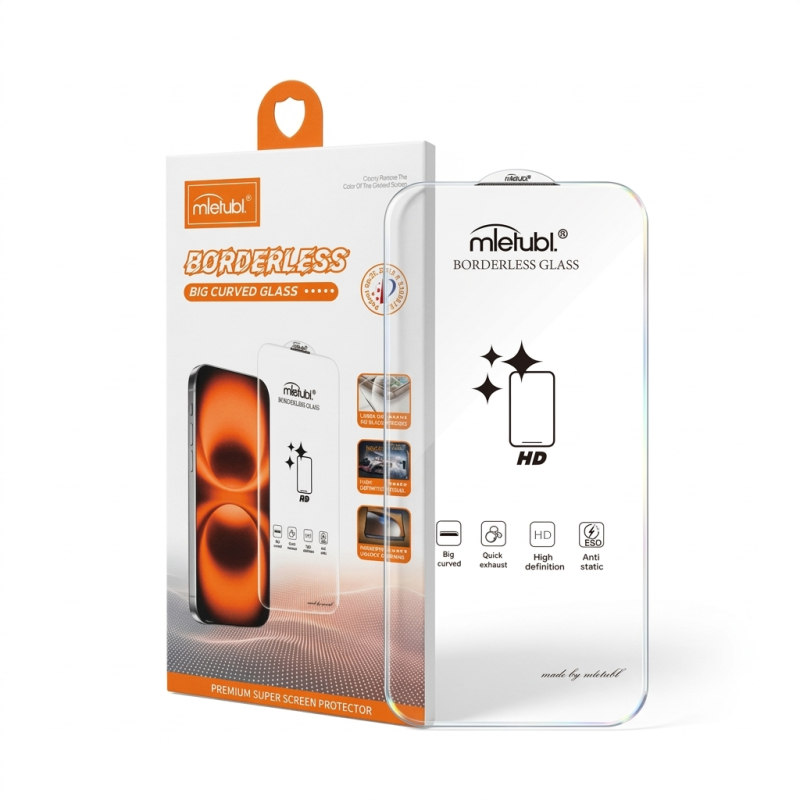
- Exact variant: The video should state which glass thickness, adhesive construction, and edge curvature it demonstrates.
- Visible preparation: Cleaning, dust removal, alignment, placement, and final inspection should appear without skipped steps.
- Product-specific features: The footage should clearly show the transparent borderless structure and earpiece dust-mesh position.
- Repeatability: Instructions should be practical for store staff, distributors, or end customers to follow consistently.
- Brand readiness: Buyers using OEM or ODM packaging should confirm whether the tutorial can match their logo, packaging, and model list.
What the Installation Video Must Prove Before Approval
The tutorial should begin by showing the phone model and protector before installation. This prevents confusion when multiple dimensions or cutout arrangements are sold. It should then show screen cleaning under adequate lighting, removal of remaining particles, dry alignment around the display and earpiece, controlled release of the protective liner, and final edge inspection.
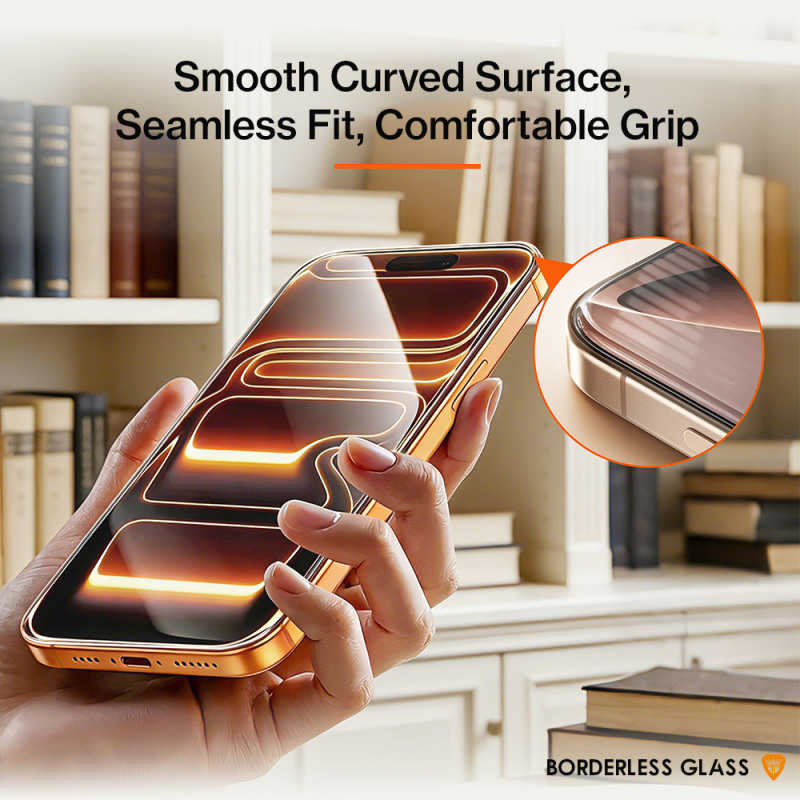
Because this product uses a transparent borderless design without the traditional printed black edge, the finished view should show whether the display area remains visually unobstructed. A close-up of the integrated earpiece dust mesh is also important: buyers should be able to verify its alignment rather than relying only on narration or promotional graphics.
Which Product Variant Must the Tutorial Identify?
The approved product data lists two constructions. A buyer should not assume that one installation video automatically covers both. Request the version used in filming and ensure that samples, labels, and purchase documents use the same configuration.
| Buyer Check | Configuration A | Configuration B |
|---|---|---|
| Glass | 0.4 mm high-alumina glass | 0.25 mm high-alumina glass |
| Anti-static AB adhesive | 280–380 um | 150 um |
| Curvature | 120cc | 60cc |
The video should name the demonstrated construction on screen or in an accompanying specification sheet. If the supplier plans to use one tutorial for several models, buyers should confirm that differences in cutouts, dimensions, or alignment are separately documented.
What Acceptance Checks Should Buyers Add?
A useful tutorial should end with inspection rather than stopping immediately after placement. Buyers can ask the supplier to show the protector from the front, corners, edges, and earpiece area under consistent light. Recommended checks include visible dust, misalignment, lifted edges, trapped air, obstruction of the display area, and incorrect positioning of the dust mesh.
For batch control, the listed quality inspection method is GB/T2828.1. Buyers should clarify the sampling plan, defect categories, and acceptance limits in the purchase agreement because naming an inspection method alone does not define pass-or-fail thresholds. Sample installation should also be completed before mass-order approval.
Common Buyer Questions
Can a generic tempered glass tutorial be used?
It may support basic staff orientation, but it should not be the main approval document. The purchasing decision should rely on footage showing the actual borderless protector variant and its earpiece structure.
Should the tutorial be customized for an OEM order?
Buyers should confirm this before ordering. OEM and ODM options include logo, packaging, and model-list customization, so matching instructional content can reduce inconsistency between the product, package, and training materials.
Does an installation video replace physical sampling?
No. Video can document the intended process, but buyers should still test representative samples on the specified phone models and agree on visible defect standards before batch acceptance.
Conclusion
Approve the HD Borderless Screen Protector tutorial only when it identifies the demonstrated construction, shows every critical fitting stage, and ends with product-specific inspection views. The strongest procurement approach combines clear video documentation with sample installation and written acceptance criteria.
About Mietubl
Mietubl is a Guangzhou-based mobile accessories brand whose name reflects its guiding idea: Make It Easier To Use, Better Life. With roots in the mobile accessories industry dating to 1998 and the MIETUBL brand registered in 2010, the company focuses on products that make everyday digital use simpler and more practical.
Its portfolio includes screen protectors, intelligent screen protector cutting machines, film materials, data cables, chargers, power banks, and audio accessories. By combining design, product development, manufacturing, and channel support, Mietubl works with distributors and retailers serving a broad range of mobile accessory needs, with products exported to more than 120 countries and regions.
For product information, samples, or distribution opportunities, contact Marketing@mietubl.com or visit www.mietubl.com.
Was this article helpful?
Your feedback helps us improve future articles.