
The MTB-CUT M888 is a viable smart integrated cutting machine for buyers who need printing and contour cutting in one compact device. Before ordering, confirm that its media dimensions, print-and-cut workflow, supported applications, and operating features match your planned products. A sample-based review is especially important because suitability depends on the materials, designs, and output quality your business expects to sell.
Set the Purchase Criteria Before Requesting a Quote
Professional buyers should begin with the intended product mix rather than the machine alone. The M888 is presented for mobile phone back films, protective films, photos, labels, greeting cards, and irregularly shaped stickers. This range may suit stores or studios planning several personalized product lines, but each proposed material should be tested before a volume order.
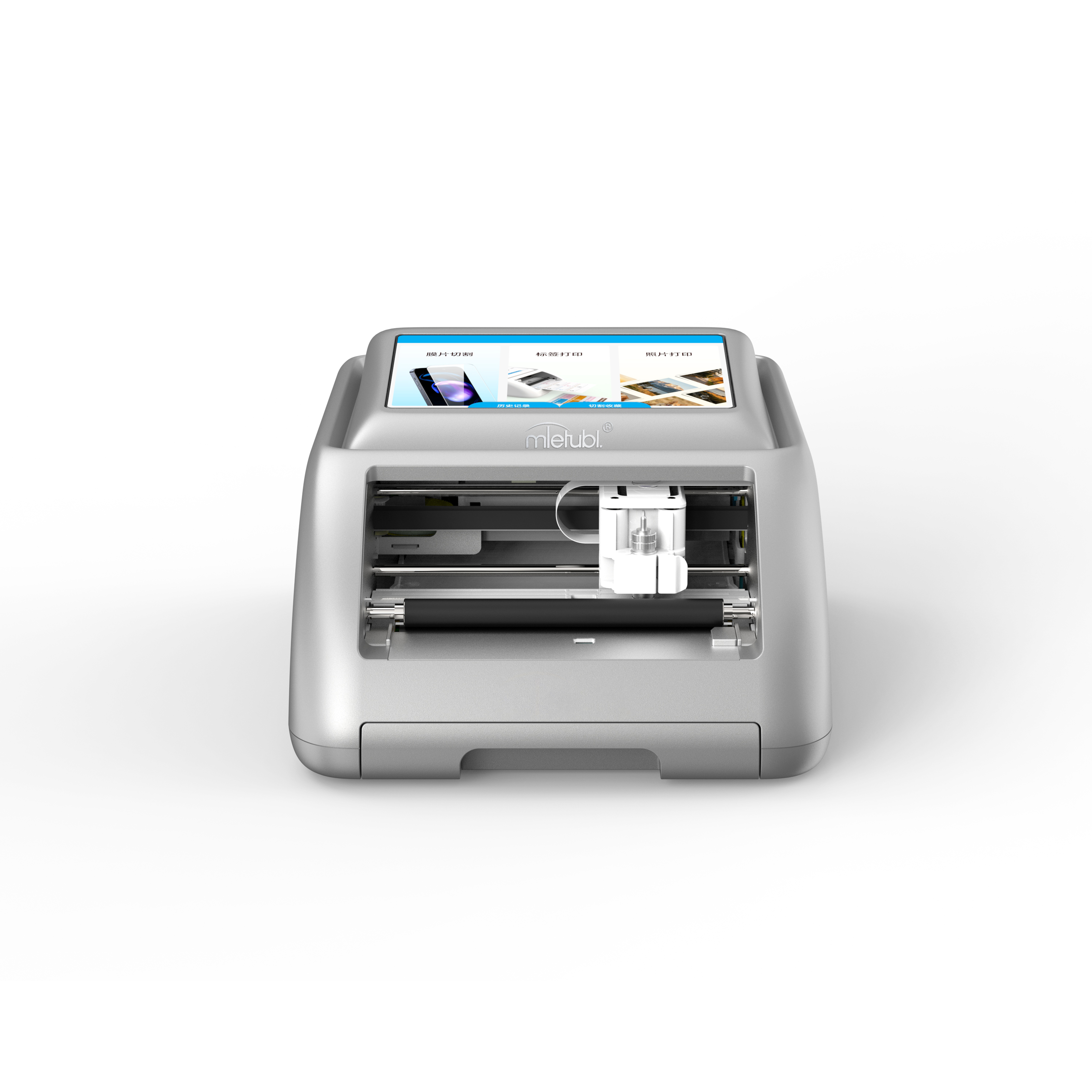
- Workflow fit: Confirm that combined printing and cutting removes steps from your current production process.
- Media compatibility: Match planned substrates to the machine’s feed and cutting dimensions.
- Output acceptance: Review printed color, contour alignment, water resistance, and resistance to fading on actual samples.
- Software usability: Test templates, image upload, AI background removal, and AI-assisted design functions.
- Commercial clarity: Record the agreed order quantity, delivery basis, inspection method, and warranty scope.
Confirm the Print-and-Cut Workflow Fits Your SKU Plan
The main buyer value is the integration of printing and cutting, which can reduce the need for separate equipment and fewer handling steps. The listed workflow includes thermal-sublimation printing and contour cutting with accuracy stated at up to approximately 0.1 mm. Buyers should not assess these functions separately: the relevant question is whether the complete workflow produces saleable items consistently.
Request samples covering straight edges, curves, small details, uploaded artwork, and at least one irregular sticker design. If phone back films or protective films are the priority, test the exact materials intended for commercial use. Buyers should also confirm what consumables are required and whether different product categories need setup changes.
Verify Media Size, Output Quality, and Installation Requirements
The M888 has a listed cutting width of 138 mm and feed width of 160 mm. Its specified paper size is 100 × 148 mm, so buyers should compare finished artwork dimensions, margins, and cutting paths with these limits. Do not rely only on the nominal width; request a production-ready template for the intended SKU.
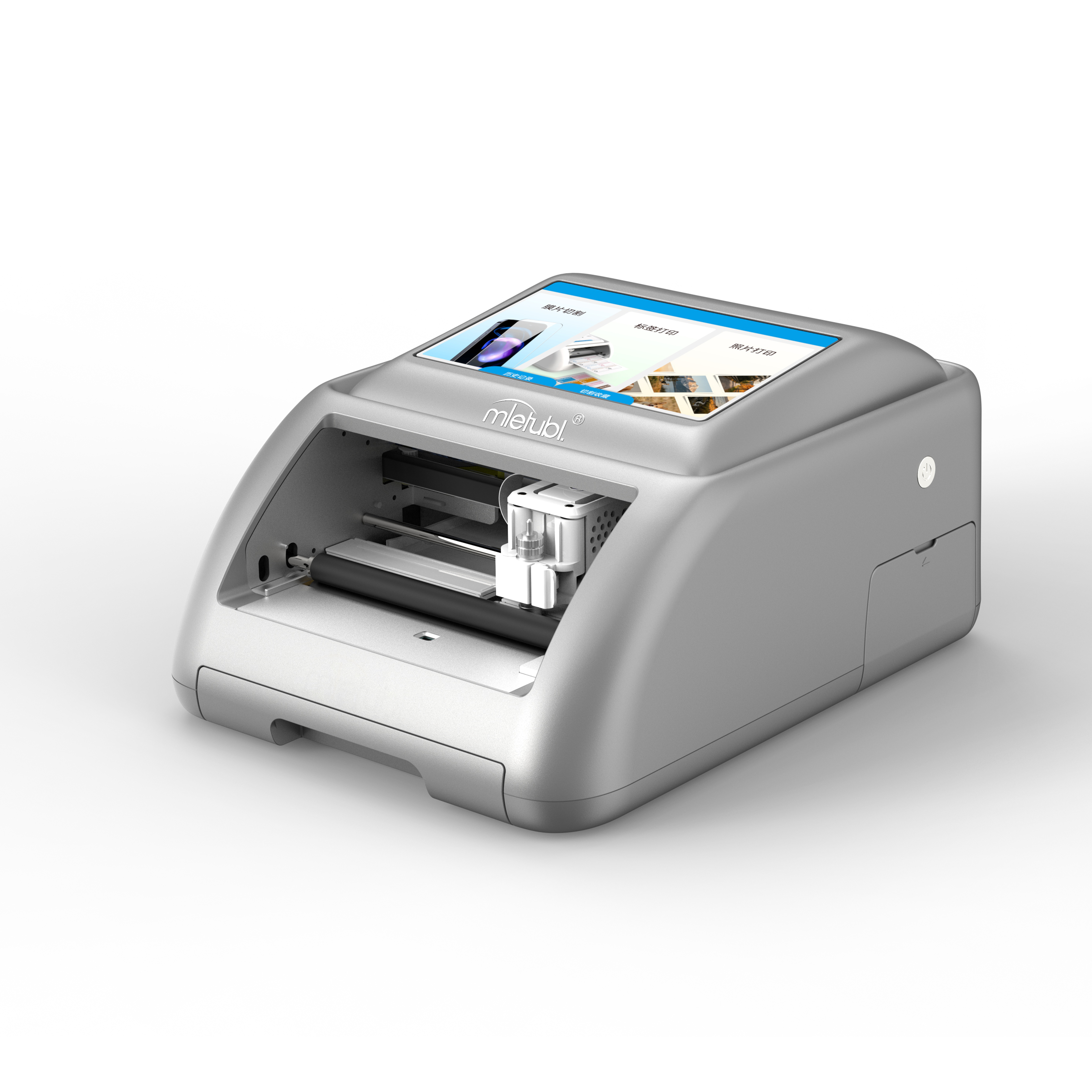
Printing resolution is listed as 300 DPI. Buyers should evaluate this through physical samples containing fine text, gradients, skin tones, and brand colors. The machine accepts 100–240V at 50/60Hz through a 24V/2.7A output adapter. Confirm the destination plug type and local electrical requirements before shipment.
Lock Down Order, Inspection, and Support Terms
The approved commercial information lists a minimum order quantity of one machine, a delivery time of seven days, and a one-year warranty. These terms should still be written into the purchase agreement. Confirm when the delivery period begins, whether it refers to production readiness or dispatch, and which components and service procedures the warranty covers.
GB/T2828.1 is listed as the quality inspection method. Buyers should agree on the inspection level, acceptance criteria, test items, and treatment of nonconforming units before ordering. The pre-shipment checklist may include power-on testing, print registration, contour cutting, software access, included accessories, packaging condition, and serial-number records.
Common Buyer Questions
Is the M888 only intended for mobile phone films?
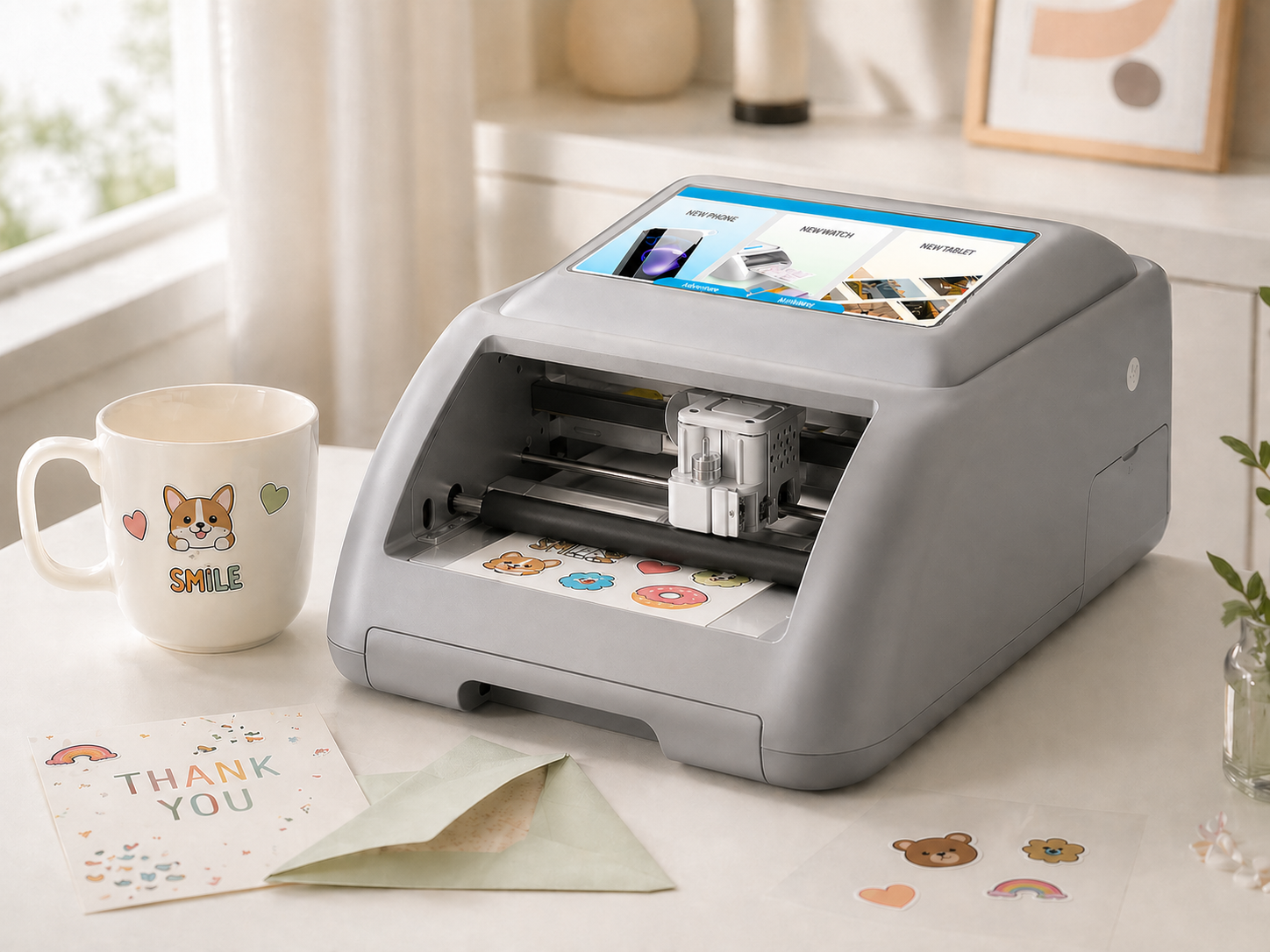
No. Its listed applications also include protective films, photos, labels, greeting cards, and irregular stickers. Buyers should nevertheless test every planned substrate and finished format.
Can buyers operate it without separate design software?
The machine includes templates, image upload, AI background removal, and AI-generated design functions. Buyers should request a demonstration to confirm the available workflow, operating language, account requirements, and feature access.
What should be checked in a pre-order sample?
Check color reproduction, fine-detail printing, contour alignment, edge quality, material feeding, and finished-product dimensions. Use your own artwork and intended media rather than relying only on standard demonstration files.
Conclusion: Order After a Sample Workflow Review
The MTB-CUT M888 should be considered when one-machine printing and cutting aligns with the buyer’s product range and available workspace. Place the order only after approving representative samples, confirming material and software compatibility, and documenting delivery, inspection, and warranty terms in the purchasing agreement.
About Mietubl
Mietubl is a Guangzhou-based mobile accessories brand whose name reflects its guiding idea: Make It Easier To Use, Better Life. With roots in the mobile accessories industry dating to 1998 and the MIETUBL brand registered in 2010, the company focuses on products that make everyday digital use simpler and more practical.
Its portfolio includes screen protectors, intelligent screen protector cutting machines, film materials, data cables, chargers, power banks, and audio accessories. By combining design, product development, manufacturing, and channel support, Mietubl works with distributors and retailers serving a broad range of mobile accessory needs, with products exported to more than 120 countries and regions.
For product information, samples, or distribution opportunities, contact Marketing@mietubl.com or visit www.mietubl.com.
Was this article helpful?
Your feedback helps us improve future articles.