
For mixed-design or changing demand, buyers should use the MTB-CUT M888 to produce stickers on demand rather than hold a broad range of model-specific finished stock. The machine combines printing and cutting in one device, so a store or workshop can keep printable media and turn selected designs into finished stickers as orders arrive. Finished stock remains appropriate for proven repeat sellers with predictable turnover.
Inventory Decision: Produce Variable Designs When Ordered
The main procurement value is inventory flexibility. Instead of forecasting demand for every design, format, or phone-related application, a business can postpone final production until the required design is known. This approach may reduce exposure to slow-moving finished goods, especially where customer preferences or device-related demand change frequently.
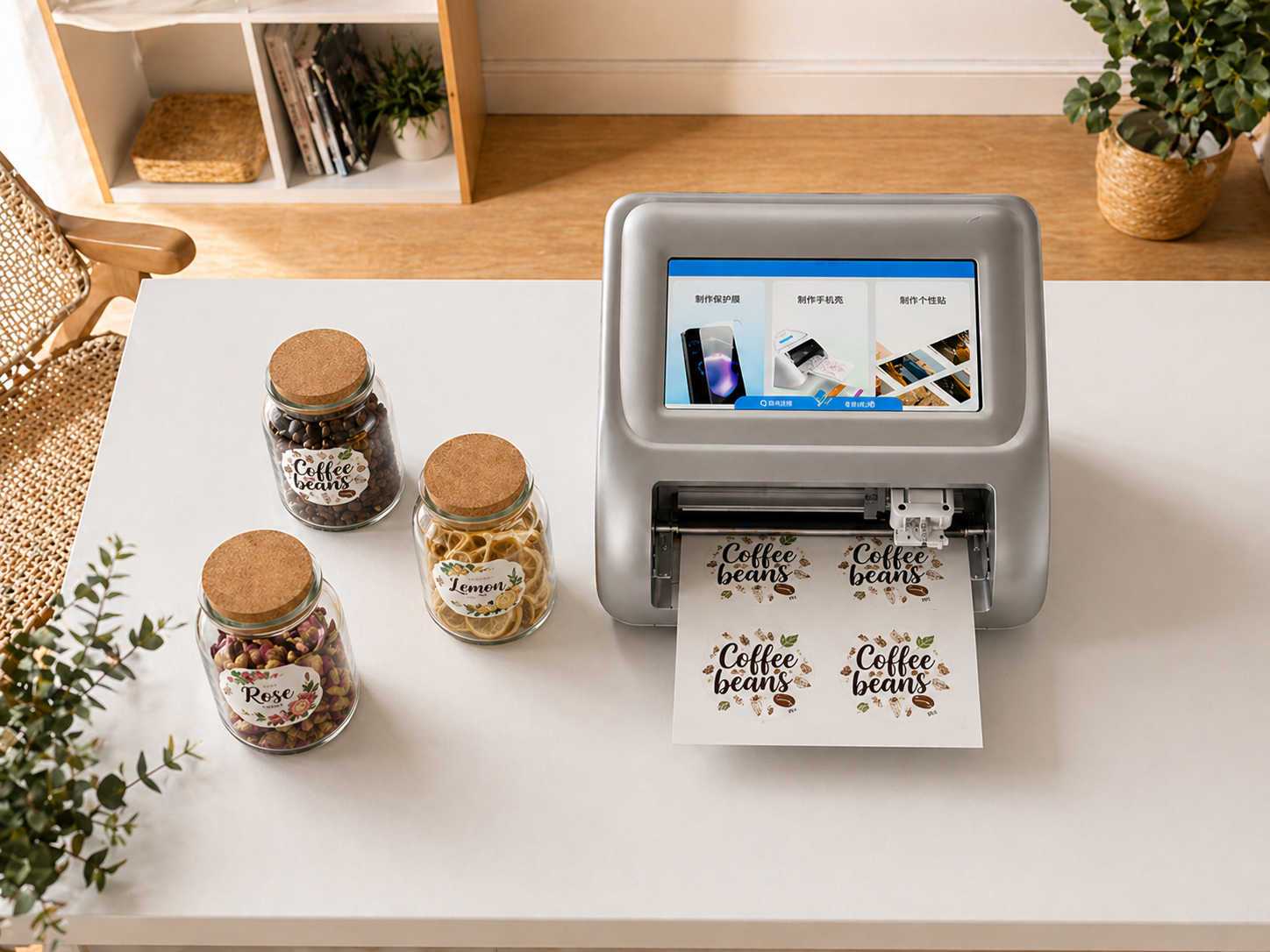
It does not eliminate inventory. Buyers still need to plan compatible media and operating supplies. However, generic input materials can support multiple outputs, whereas a finished sticker normally serves one design or application.
Why Broad Finished-Sticker Stock Can Become a Liability
Model-specific or design-specific stock requires buyers to decide quantities before actual sales are known. If demand shifts, remaining products may have limited alternative uses. On-demand production changes that commitment point: the design is printed and contour-cut after the buyer or end customer selects it.
This model may suit retailers, workshops, and distributors managing a long tail of low-volume designs. High-volume repeat items can still be prepared in advance when sales history supports that decision.
How the M888 Supports an On-Demand Sticker Workflow
The MTB-CUT M888 integrates printing and cutting, reducing the need to transfer work between separate devices. It provides 300 DPI printing and contour cutting with stated precision of up to approximately 0.1 mm, supporting shaped stickers rather than only simple rectangular output.
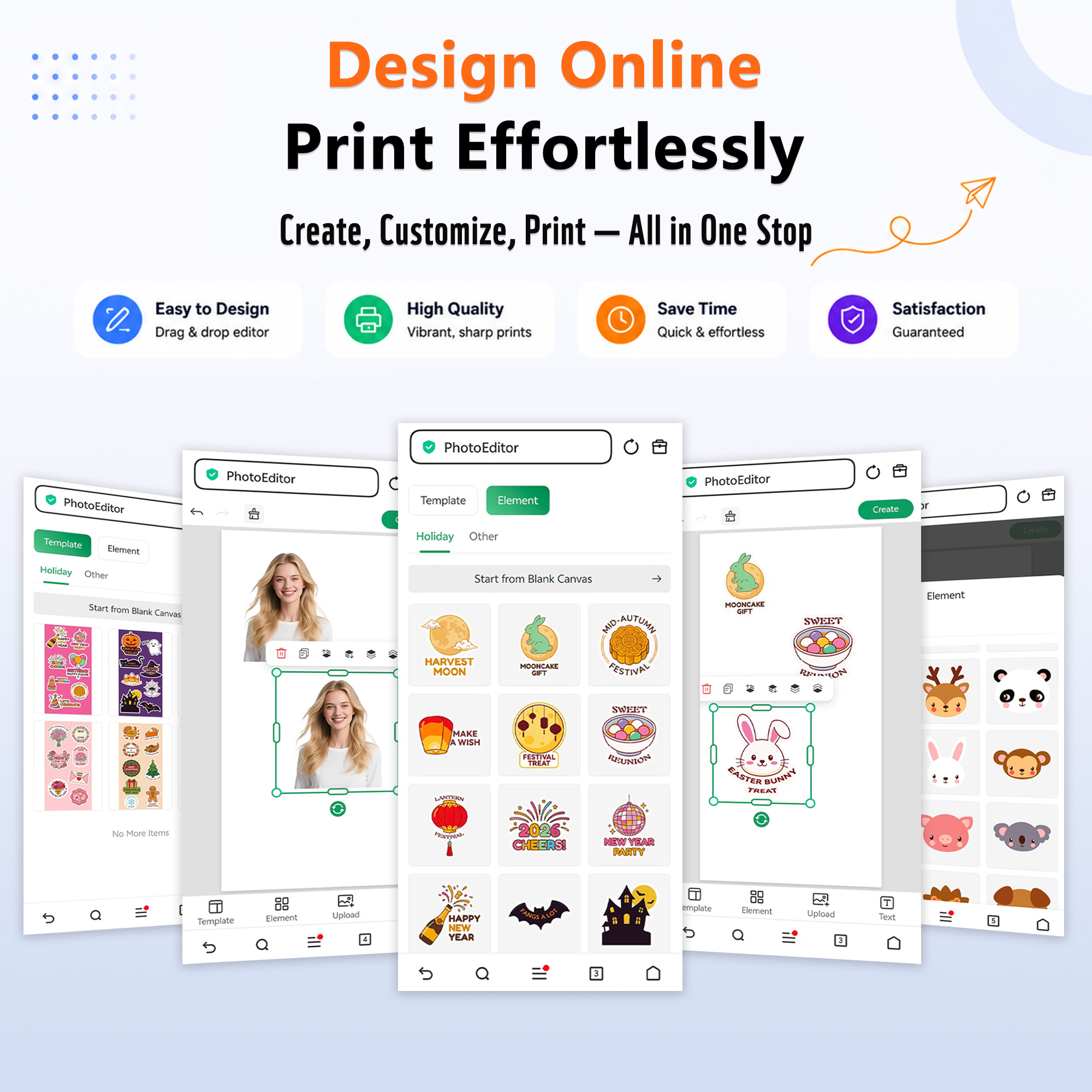
Built-in templates, image upload, AI background removal, and AI-assisted design generation provide several ways to prepare artwork. QR-code operation can also make the workflow more accessible in a retail or studio setting. These functions should be evaluated against the buyer’s expected design volume, staff process, and artwork approval requirements.
Beyond stickers, the approved application range includes phone back films, protective films, photos, labels, and greeting cards. This broader output mix can help buyers spread equipment use across more than one product category.
Set the Right Boundary Between Materials and Finished Stock
A practical inventory policy should separate frequently sold finished products from designs that are better produced after ordering.
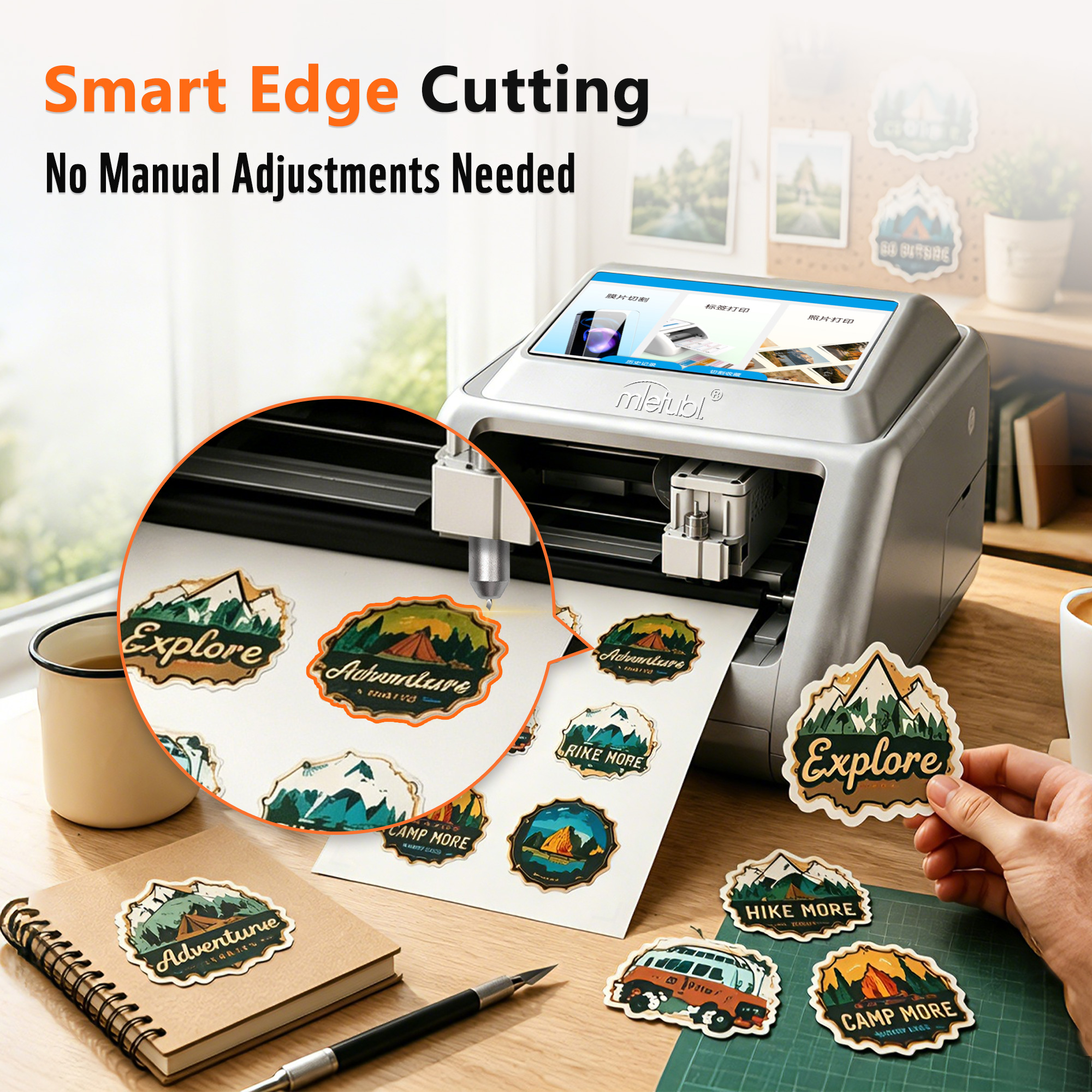
- Keep finished stock for proven repeat demand: Pre-production may remain efficient where designs and sales volumes are stable.
- Produce changing designs on demand: Use the integrated workflow for lower-volume, seasonal, customized, or uncertain requirements.
- Plan around the working format: Confirm that intended jobs fit the stated 138 mm cutting width and supported media workflow.
- Standardize artwork approval: Templates and uploaded images can simplify preparation, but staff should verify design, size, and contour before production.
- Track material consumption separately: Reorder decisions should be based on blank-media usage instead of the number of finished designs offered.
Common Questions
Does the M888 remove the need for finished sticker inventory?
No. Buyers may still keep fast-moving designs ready for immediate sale. The stronger use case is reducing dependence on broad finished inventory for designs with uncertain or fragmented demand.
Can one machine support products other than stickers?
Yes. Its stated applications include phone back films, protective films, photos, labels, and greeting cards. Buyers should confirm the material and process requirements for each planned product before purchasing supplies.
Is on-demand production suitable for every order volume?
Not necessarily. It can be useful for customization and smaller mixed orders, while advance production may be more practical for consistently high-volume items. The correct split should follow actual sales patterns and required turnaround.
Conclusion
The MTB-CUT M888 is best considered as a way to postpone the final sticker-design decision until demand is visible. Buyers should retain finished stock for predictable sellers and use on-demand printing and contour cutting to cover changing, customized, or lower-volume requirements without committing to every design in advance.
About Mietubl
Mietubl is a Guangzhou-based mobile accessories brand whose name reflects its guiding idea: Make It Easier To Use, Better Life. With roots in the mobile accessories industry dating to 1998 and the MIETUBL brand registered in 2010, the company focuses on products that make everyday digital use simpler and more practical.
Its portfolio includes screen protectors, intelligent screen protector cutting machines, film materials, data cables, chargers, power banks, and audio accessories. By combining design, product development, manufacturing, and channel support, Mietubl works with distributors and retailers serving a broad range of mobile accessory needs, with products exported to more than 120 countries and regions.
For product information, samples, or distribution opportunities, contact Marketing@mietubl.com or visit www.mietubl.com.
Was this article helpful?
Your feedback helps us improve future articles.