
For buyers deciding between model-specific finished stock and on-demand production, the MTB-CUT M888 is best considered as a flexible supplement to inventory rather than an automatic replacement for every stocked item. Its integrated printing and contour cutting can support production after an order is received, while consistently popular products may still justify ready-to-sell stock. The practical decision depends on demand concentration, required output formats, and expected order volume.
Where On-Demand Production Can Reduce Inventory Exposure
Finished mobile accessory inventory becomes harder to manage when each model, design, color, or promotional theme requires a separate item. Slow-moving combinations may occupy capital and storage space even when demand is uncertain.
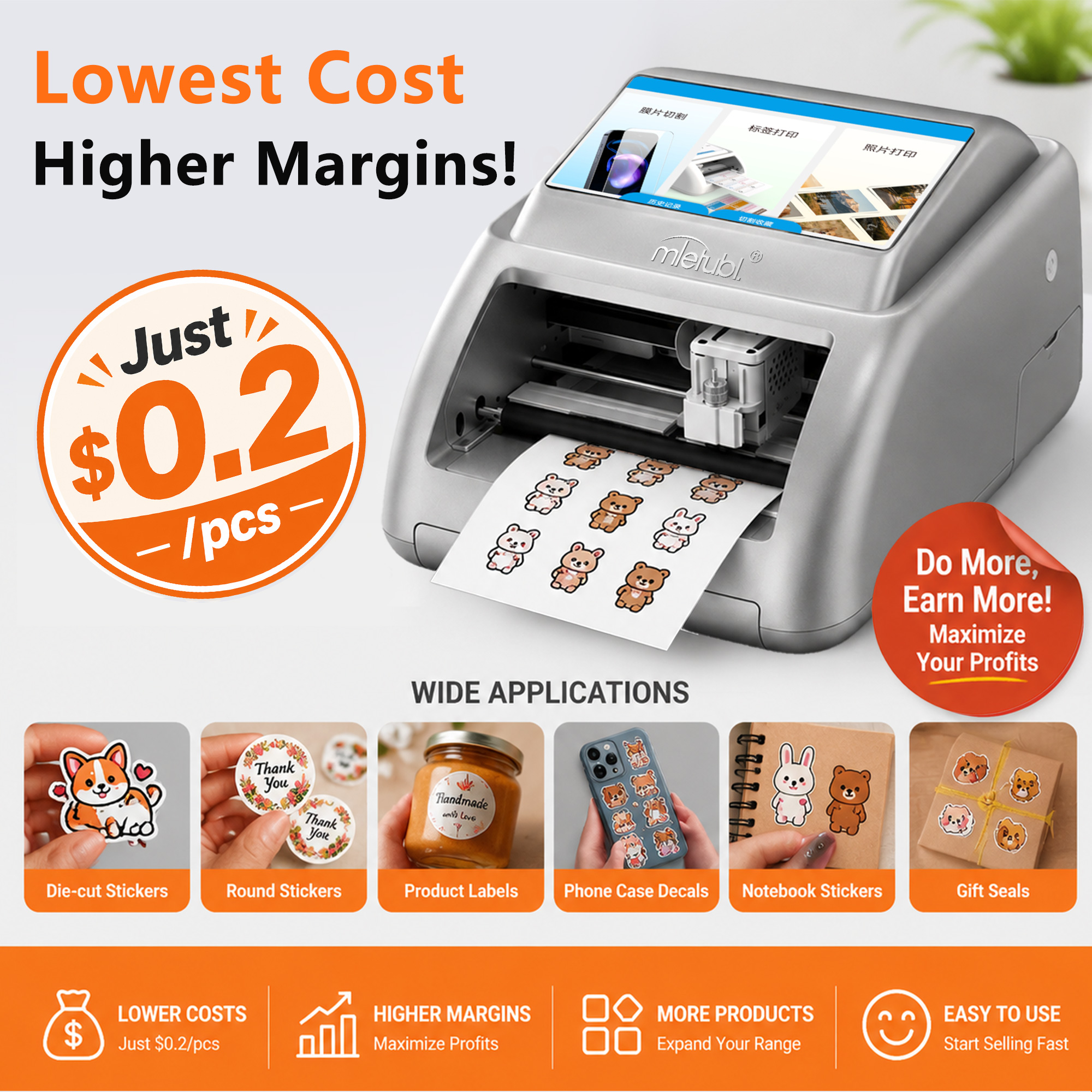
The M888 combines printing and cutting in one machine, reducing the need to transfer work between separate devices. For suitable orders, a retailer or distributor can produce an item after confirming the requested design or format. This approach may be particularly useful for long-tail requests, localized designs, and personalized products that are difficult to forecast.
It should not be assumed that all finished stock can be eliminated. Buyers may obtain better service levels by keeping proven fast sellers available while using on-demand output for less predictable demand.
How the M888 Changes the Stocking Decision
- Separate demand by velocity: keep recurring high-volume items in finished stock and consider producing lower-volume variations when ordered.
- Consolidate production steps: integrated printing and cutting can reduce equipment handoffs and simplify the operating flow.
- Check format compatibility: the machine has a 138 mm cutting width, 160 mm feed width, and supports 100 × 148 mm paper.
- Plan the input inventory: buyers should confirm compatible media, consumables, and replenishment requirements before reducing finished goods.
- Validate real throughput: test representative designs and daily order mixes before setting new stock targets.
Output Flexibility for a Broader On-Demand Assortment
The M888 is not limited to one model-specific product type. Approved applications include phone back films, protective films, photos, labels, greeting cards, and other suitable printed-and-cut products. This variety can allow one production station to serve several revenue categories, subject to material and format validation.
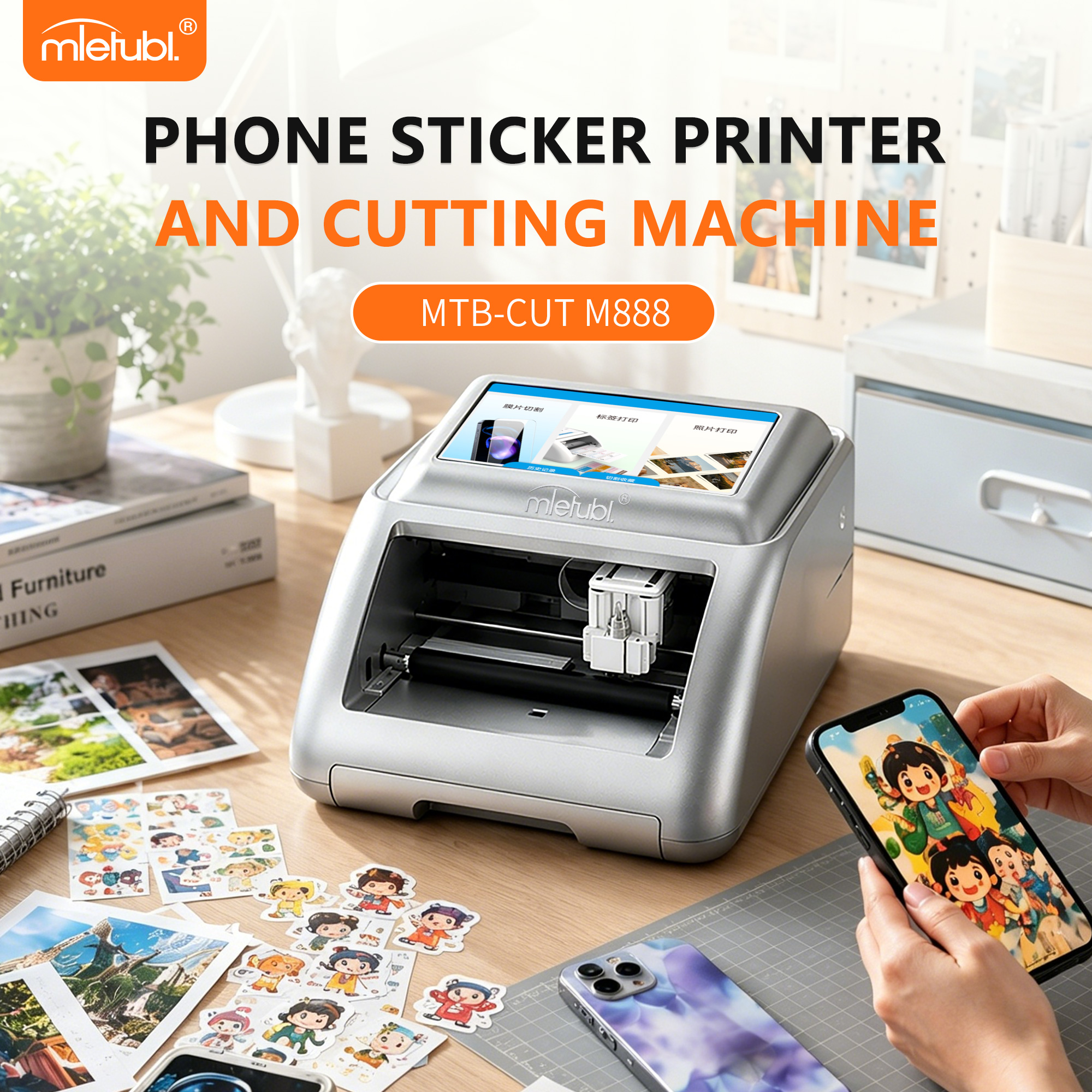
The machine provides 300 DPI printing and contour cutting accuracy of up to approximately 0.1 mm. Its thermal-sublimation printing is designed for detailed color output, while contour cutting supports shaped stickers and non-rectangular designs. These capabilities can be valuable when appearance and customized outlines matter more than maintaining a large assortment of pre-produced designs.
Inventory Controls to Set Before Deployment
On-demand production shifts inventory management rather than removing it. Buyers should establish controls for printable media, packaging, failed-output allowances, and reorder points. They should also compare the cost and service impact of producing one item locally against holding the equivalent finished product.
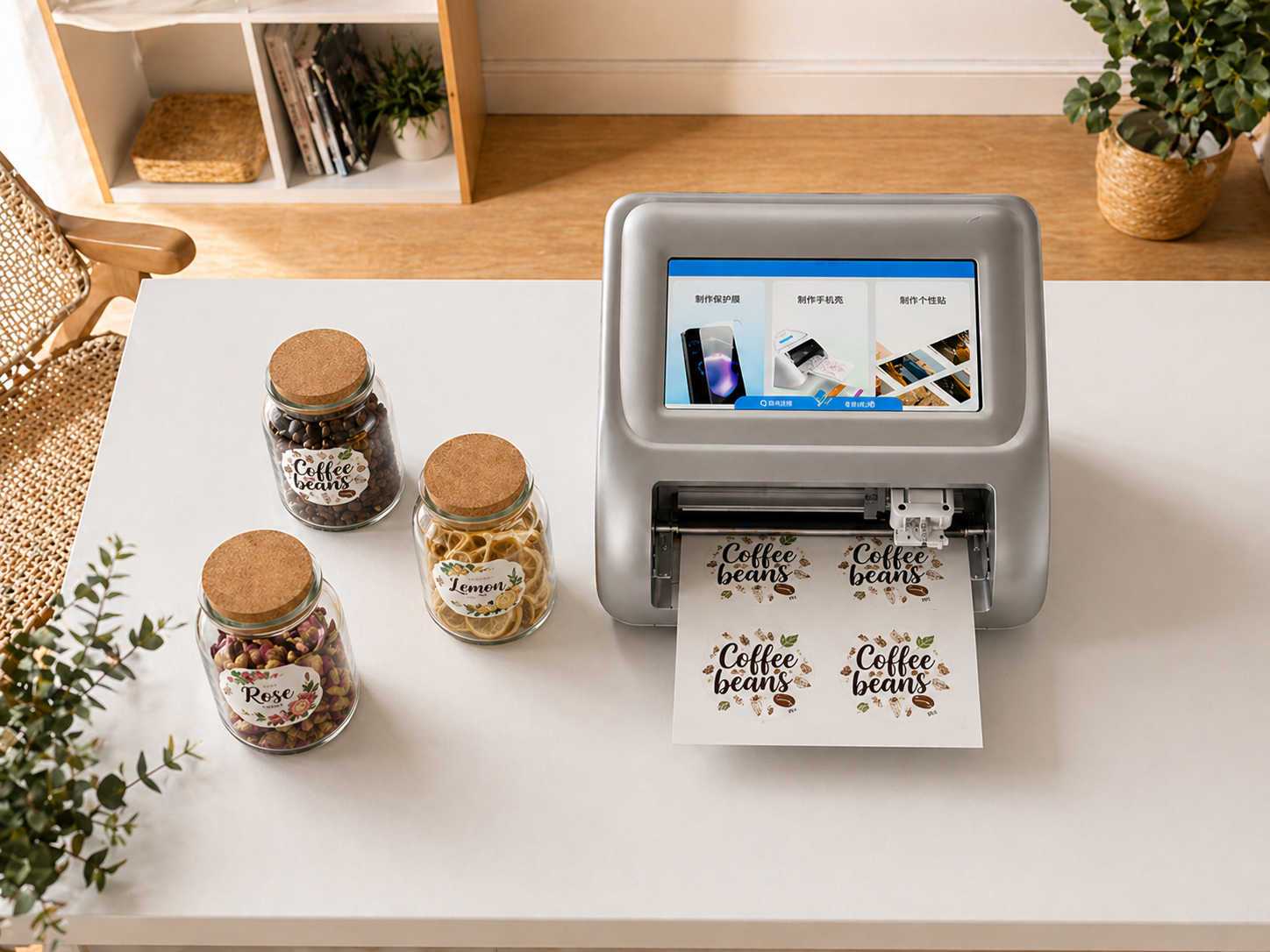
The M888 includes built-in templates, image upload, AI background removal, and AI-assisted design generation. QR-code-based operation and a compact 333 × 255 × 135 mm body may suit counters, studios, or other work areas where space and workflow simplicity are important. Buyers should still run operator trials because actual productivity can vary with artwork preparation, material handling, and order complexity.
Common Questions About On-Demand Inventory
Can the M888 replace all model-specific finished stock?
Not necessarily. A hybrid plan is usually more practical: stock predictable bestsellers and use the machine for selected low-volume, personalized, or uncertain-demand items.
Which inventory should be reviewed first?
Start with products that have many design variations but inconsistent sales. These items may present the clearest opportunity to compare on-demand output with continued finished-stock holding.
What should buyers test before changing purchase quantities?
Test representative media, print appearance, contour alignment, operator steps, and output time. Compatibility and consumable supply should also be confirmed before reducing existing safety stock.
Conclusion
The MTB-CUT M888 is a strong candidate for buyers seeking a more responsive assortment without pre-stocking every possible design and model combination. Use it to support long-tail and customized demand, retain finished stock where sales are predictable, and adjust purchasing only after a controlled production trial.
About Mietubl
Mietubl is a Guangzhou-based mobile accessories brand whose name reflects its guiding idea: Make It Easier To Use, Better Life. With roots in the mobile accessories industry dating to 1998 and the MIETUBL brand registered in 2010, the company focuses on products that make everyday digital use simpler and more practical.
Its portfolio includes screen protectors, intelligent screen protector cutting machines, film materials, data cables, chargers, power banks, and audio accessories. By combining design, product development, manufacturing, and channel support, Mietubl works with distributors and retailers serving a broad range of mobile accessory needs, with products exported to more than 120 countries and regions.
For product information, samples, or distribution opportunities, contact Marketing@mietubl.com or visit www.mietubl.com.
Was this article helpful?
Your feedback helps us improve future articles.