
For buyers deciding between model-specific finished stock and on-demand production, the MTB-CUT M888 is best considered as a way to produce selected items after demand is known. Its integrated printing and cutting workflow can reduce dependence on pre-made variants for phone back films, protective films, labels, photos, and cards. It does not remove inventory; it changes more of that inventory into shared materials rather than finished designs.
Make the inventory decision before buying
The key question is whether demand is predictable enough to justify stocking finished variants. Popular, stable designs may still suit pre-production. Long-tail models, personalized graphics, seasonal labels, or low-volume requests may be better handled on demand, subject to material compatibility and the required finish.
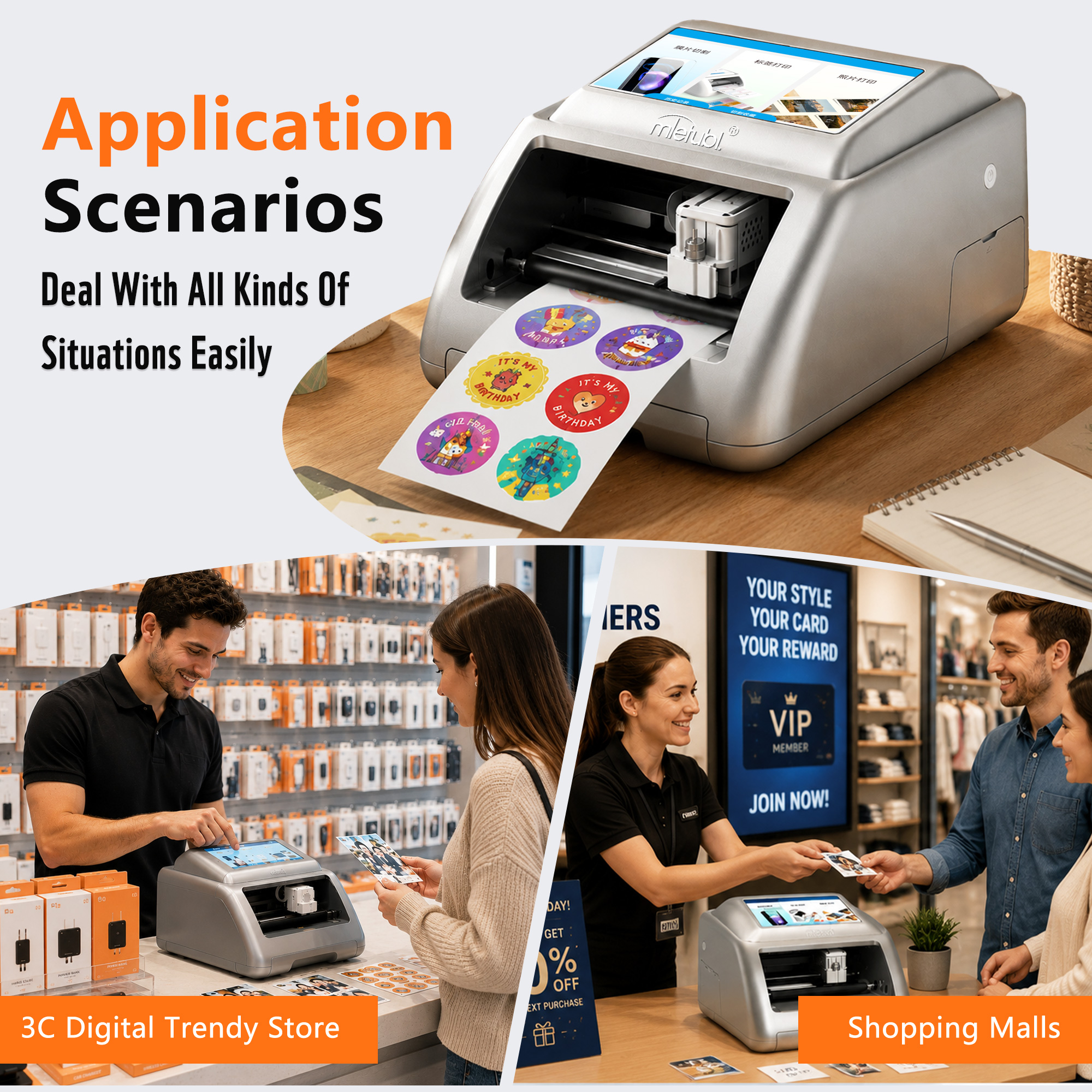
- Use finished stock where sales volume and design demand are consistently predictable.
- Use on-demand output where model, artwork, or order volume is uncertain.
- Keep shared materials that can serve several products instead of duplicating finished variants.
- Confirm the workflow with representative files and materials before setting inventory targets.
How the M888 changes the stock profile
The M888 combines printing and cutting in one machine, reducing the need to move work between separate devices. For inventory planners, the more important implication is postponement: artwork and contour selection can occur closer to the sale rather than being fixed when finished goods are ordered.
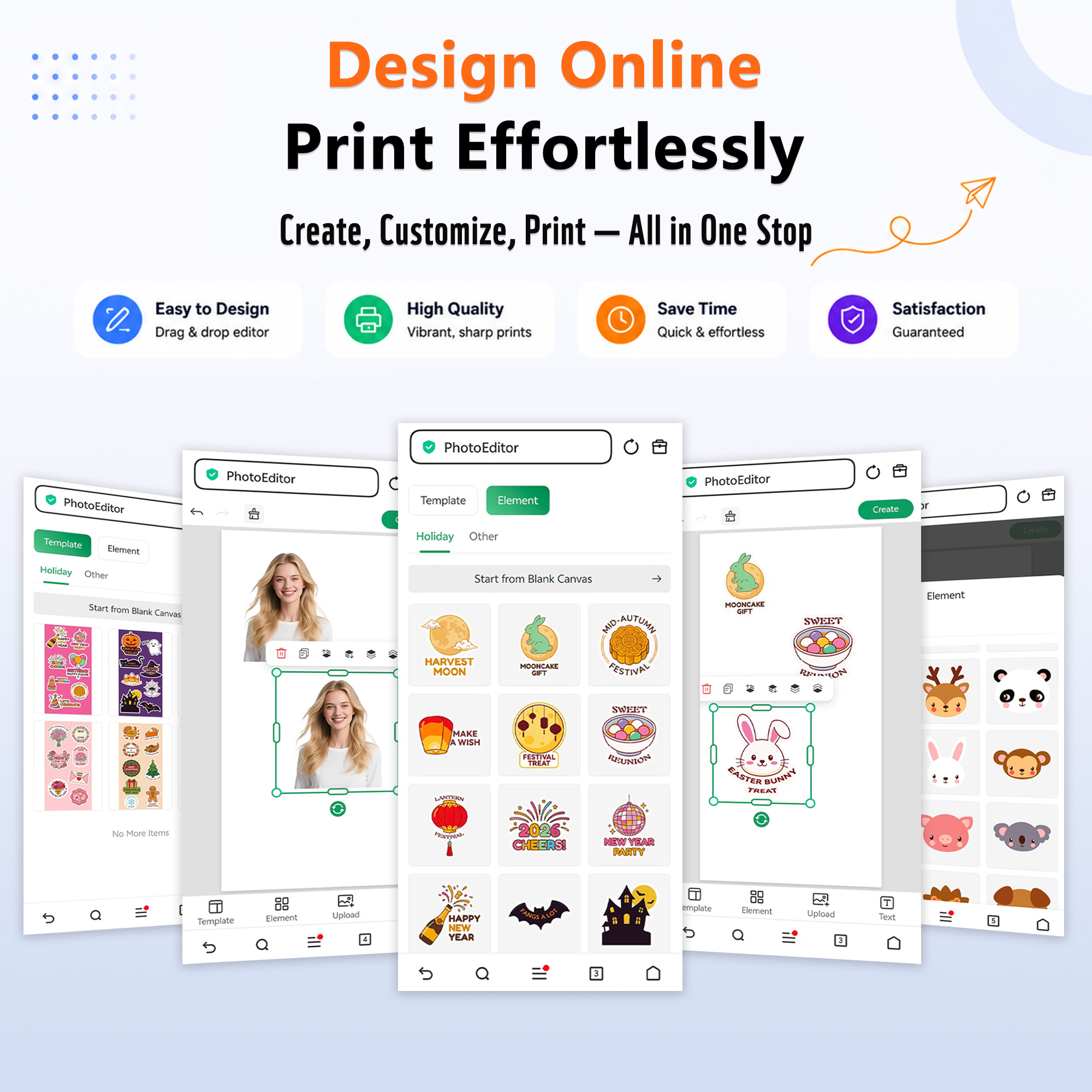
The machine supports built-in templates, image uploads, AI-assisted background removal, and AI-generated design functions. These tools can help stores or workshops turn a common material base into different outputs. Buyers should treat this as a flexible production option, not as proof that every existing SKU can be replaced.
Where on-demand output can reduce finished variants
The approved applications include phone back films, protective films, photos, labels, and greeting cards. This range may allow one production point to support several low-volume categories, particularly when the main difference between SKUs is the printed design or cut contour.
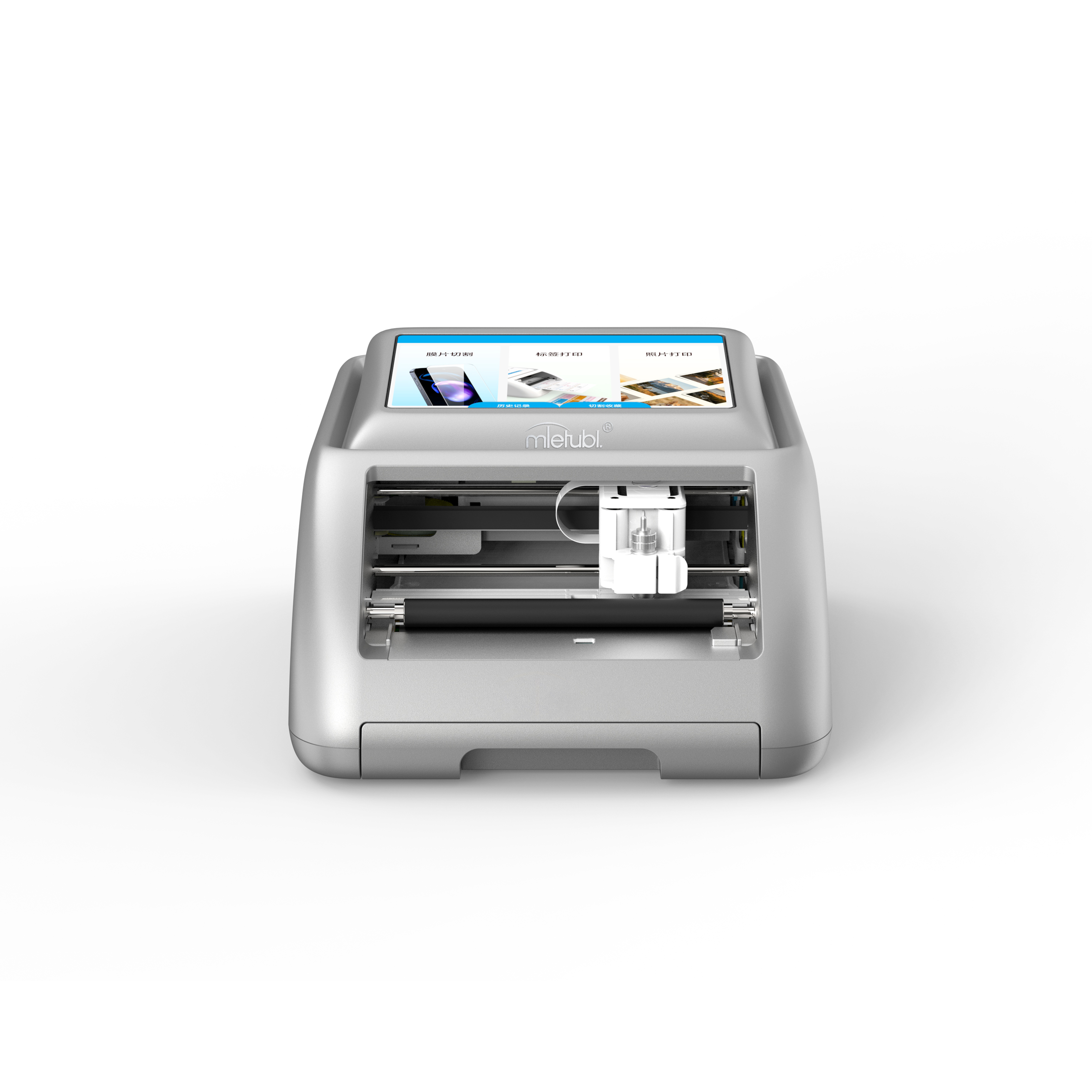
Contour cutting precision is stated at up to approximately 0.1 mm, supporting irregular sticker shapes and design-led output. Before reducing finished inventory, buyers should test the actual files, substrates, edge requirements, and post-processing steps used in their business. Products requiring constructions beyond printing and contour cutting should remain in the appropriate supply plan.
What on-demand production does not remove
Blank films, printable media, packaging, and other consumables still need reorder rules. The planning benefit may come from pooling demand across several outputs, but shortages of shared material can interrupt every SKU produced from it.
Buyers should establish minimum material levels based on actual sales, waste, operator learning, and replenishment conditions. The machine’s compact body—333 × 255 × 135 mm—may make deployment practical in stores or workshops where space is limited, but the surrounding material and finishing area should also be included in the layout.
Common Questions
Can the M888 eliminate model-specific finished stock?
Not entirely. It may reduce finished variants that differ mainly by artwork or cutting shape. Buyers should retain pre-made inventory where demand is stable, immediate availability is essential, or the product requires processes outside the M888 workflow.
Which inventory should be consolidated first?
Start with slow-moving or difficult-to-forecast variants that can use common compatible materials. A controlled pilot can compare material usage, production time, waste, and customer acceptance before broader SKU consolidation.
Is the machine suitable only for phone accessory stores?
No. Its listed applications also include photos, labels, and greeting cards, so workshops and other small-format custom-product operations may consider it. Each buyer should confirm that the supported output size, materials, and finish match the intended assortment.
Conclusion
Choose the MTB-CUT M888 when postponing design and contour decisions can reduce exposure to slow-moving finished variants. The strongest inventory model is likely a hybrid: hold predictable best sellers, produce uncertain variants on demand, and manage shared materials with disciplined reorder controls.
About Mietubl
Mietubl is a Guangzhou-based mobile accessories brand whose name reflects its guiding idea: Make It Easier To Use, Better Life. With roots in the mobile accessories industry dating to 1998 and the MIETUBL brand registered in 2010, the company focuses on products that make everyday digital use simpler and more practical.
Its portfolio includes screen protectors, intelligent screen protector cutting machines, film materials, data cables, chargers, power banks, and audio accessories. By combining design, product development, manufacturing, and channel support, Mietubl works with distributors and retailers serving a broad range of mobile accessory needs, with products exported to more than 120 countries and regions.
For product information, samples, or distribution opportunities, contact Marketing@mietubl.com or visit www.mietubl.com.
Was this article helpful?
Your feedback helps us improve future articles.