
The MTB-CUT M688 fits a reseller portfolio when customers need a fully automatic screen-protector cutting and application machine that combines several service steps in one platform. Its strongest channel role is not as a basic film cutter, but as a three-in-one system for cutting, applying, and UV curing screen protectors. Distributors should position it for service-oriented mobile retailers and other operators that value workflow consolidation.
Portfolio Fit for Screen-Protection Resellers
The M688 can complement a screen-protection assortment built around films, installation tools, and retail services. By combining three functions, it may reduce the need for customers to source and operate separate devices for each stage.
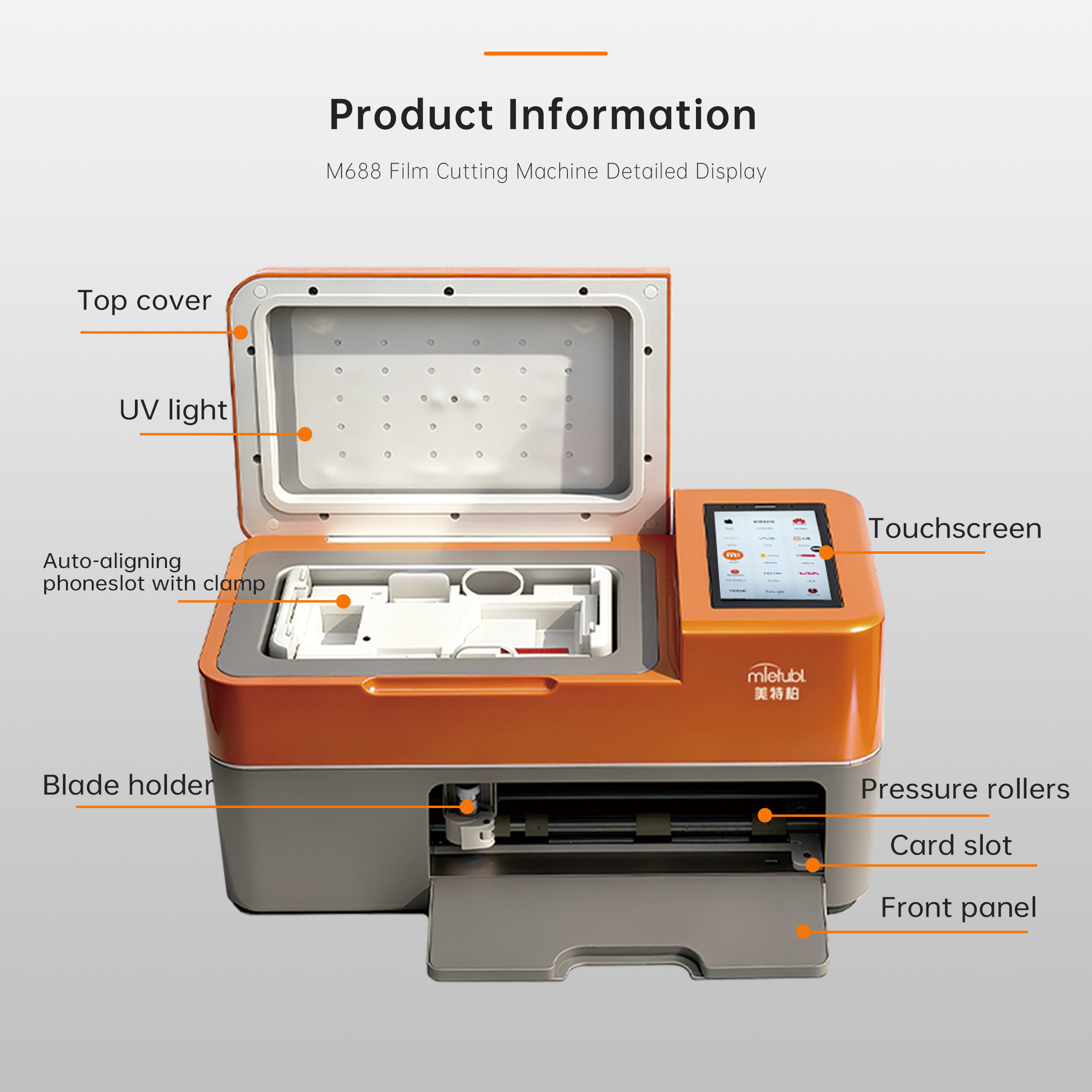
Its maximum supported cutting size is 14.6 inches, covering phone and tablet applications within that limit. This gives distributors a defined market position: broader than a phone-only service tool, but not intended as a solution for every large-format display category.
Suitable channel targets may include mobile accessory stores, repair shops, regional retail chains, and professional operators offering on-demand protector installation. Resellers should confirm local demand for UV-cured materials before treating the curing function as a central sales argument.
Channel Decision Criteria for the M688
Before adding the machine, portfolio managers should evaluate these points:
- Service model: Prioritize channels that sell installation services, not only packaged protectors.
- Workflow value: Present the integrated cutting, application, and curing process as the primary differentiation.
- Device coverage: Match the 14.6-inch cutting limit with the phones and tablets commonly served by target accounts.
- Operator readiness: Use the guided operating process to support stores that may have limited specialist installation experience.
- Material strategy: Confirm compatible film choices and replenishment plans before rollout.
How the Three-in-One Format Shapes the Assortment
A distributor can position the M688 as the equipment layer within a broader screen-protection program. The machine may support a shift from stocking many finished model-specific protectors toward preparing compatible films on demand, which can help reduce the assortment pressure created by frequent device launches.
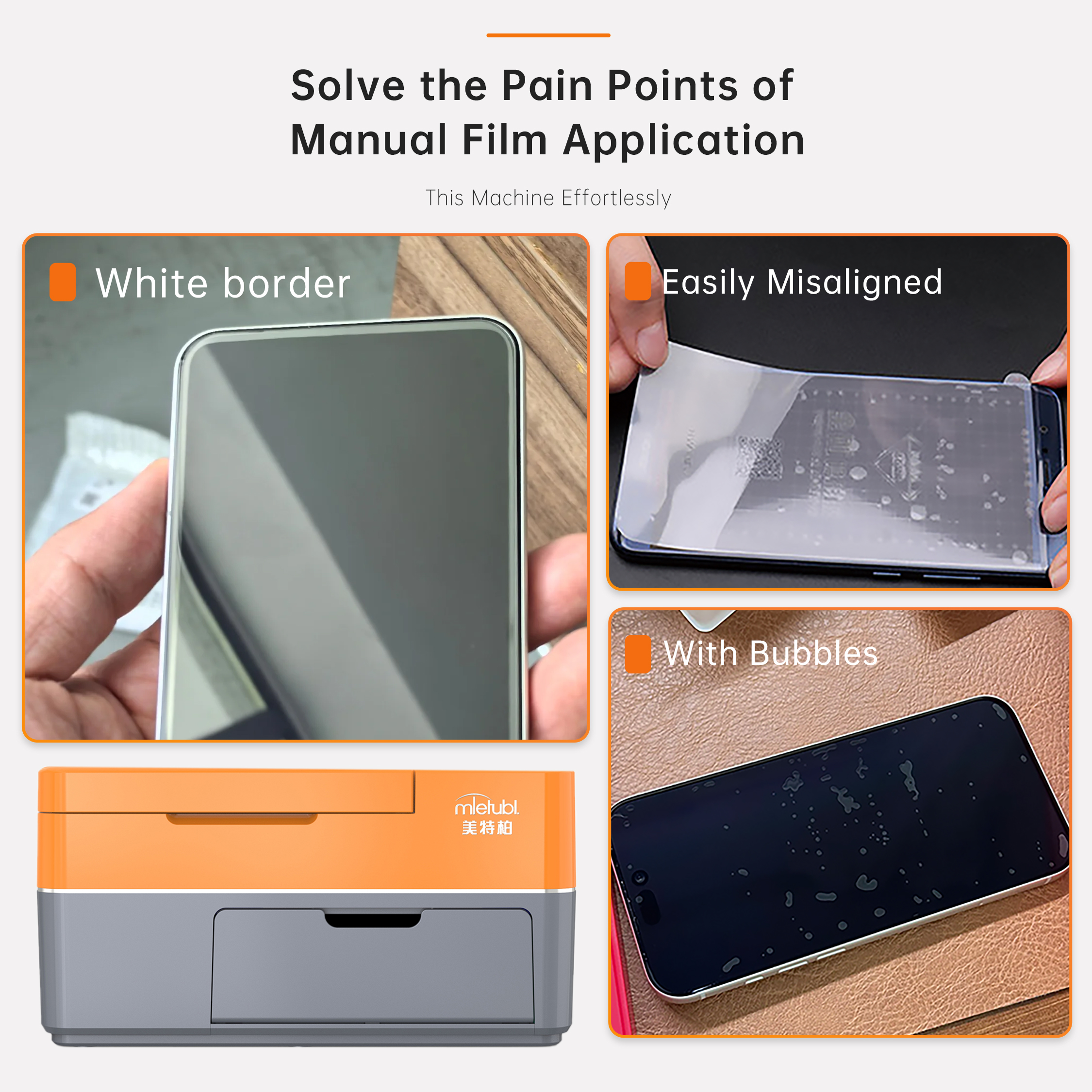
The system includes a device-model database covering more than 60,000 models, with daily cloud updates and support for offline cutting. For resellers, this may improve responsiveness when new phones enter the market, while offline capability can provide an operating option where continuous connectivity is unreliable.
This model should remain distinct from conventional cutters in catalog structure. A clear product description should emphasize that application and UV curing are included, preventing buyers from comparing it only on cutting specifications or purchase price.
Deployment Conditions Across a Reseller Network
The M688 uses app control together with a built-in operating system and a 5.5-inch HD touchscreen. These control options can support different deployment preferences, from direct machine operation to app-assisted use. Multilingual operation may also make the model relevant to distributors serving multiple language markets.
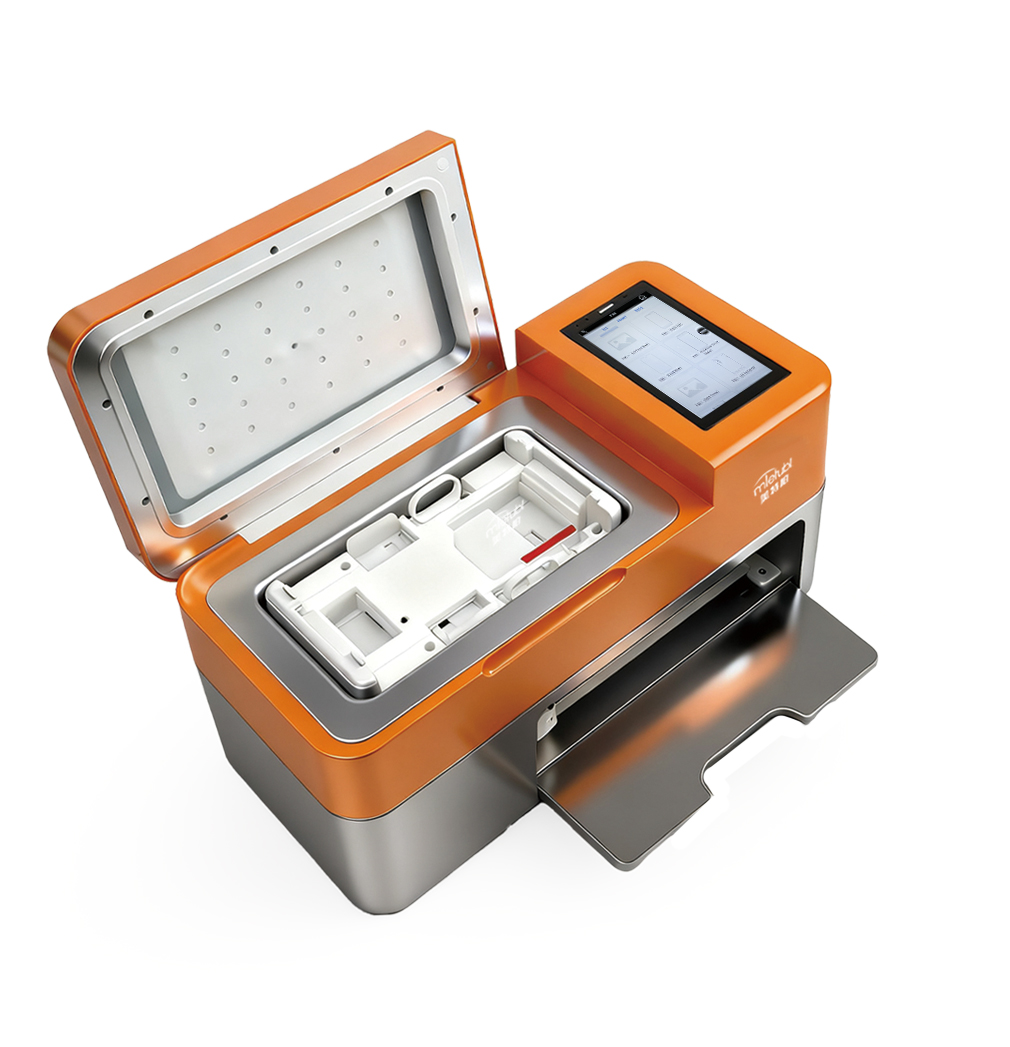
For cross-border programs, the 110V–240V input range can simplify electrical compatibility planning. However, distributors should still confirm plug type, local electrical requirements, training materials, film compatibility, and after-sales procedures for each destination before committing to a network-wide launch.
A staged introduction may be more appropriate than immediate broad stocking. Selected stores can first test operator learning, service demand, material consumption, and customer acceptance. Those results can then guide inventory depth and channel expansion.
Common Questions
Is the M688 suitable for distributors selling only packaged films?
It may be a weaker fit if channel customers do not offer installation. The machine’s portfolio value is clearer when retailers use cutting, guided application, and UV curing as part of an in-store service.
Can the machine eliminate model-specific protector inventory?
It may reduce dependence on finished model-specific stock, but it does not remove the need for compatible film materials. Buyers should plan material types and replenishment according to the devices and services offered locally.
What should a reseller validate before listing the M688?
Confirm target customer profiles, supported device sizes, compatible consumables, operator training, software access, language requirements, local electrical setup, and after-sales arrangements. These checks help determine whether the integrated workflow delivers meaningful channel value.
Conclusion: When to Add the M688
Distributors should consider the MTB-CUT M688 when they want to build a service-led screen-protection portfolio around on-demand preparation and installation. It is best positioned as an integrated retail workflow system rather than a basic cutter, with rollout decisions based on local service demand, material compatibility, and reseller support capability.
About Mietubl
Mietubl is a Guangzhou-based mobile accessories brand whose name reflects its guiding idea: Make It Easier To Use, Better Life. With roots in the mobile accessories industry dating to 1998 and the MIETUBL brand registered in 2010, the company focuses on products that make everyday digital use simpler and more practical.
Its portfolio includes screen protectors, intelligent screen protector cutting machines, film materials, data cables, chargers, power banks, and audio accessories. By combining design, product development, manufacturing, and channel support, Mietubl works with distributors and retailers serving a broad range of mobile accessory needs, with products exported to more than 120 countries and regions.
For product information, samples, or distribution opportunities, contact Marketing@mietubl.com or visit www.mietubl.com.
Was this article helpful?
Your feedback helps us improve future articles.