
For distributors sourcing a new film cutting machine for their 2026 portfolio, the MTB-CUT 180T fits best when downstream retailers want on-demand screen protector production across varied devices and materials. Its strongest channel value is flexibility: resellers can position it as a service-enabling machine rather than another finished-film SKU. The absence of credit or cut-count charges may also support buyers concerned about ongoing usage costs.
Where the 180T Fits in a Distributor Portfolio
The machine may complement a portfolio that already includes screen protector materials, installation tools, cleaning kits, or retail repair equipment. It is particularly relevant when reseller customers face frequent model changes or uneven demand that makes stocking a large quantity of pre-cut protectors difficult.
Key decision criteria include:
- Customer profile: Prioritize phone shops, repair counters, accessory retailers, and other operators offering protector installation.
- Demand pattern: Look for accounts serving a changing mix of device models rather than a narrow, predictable range.
- Consumable strategy: Confirm that suitable film materials can be supplied alongside the equipment.
- Channel readiness: Plan product demonstrations, operating guidance, and after-sales handling before listing the machine.
How It Can Broaden a Reseller’s Assortment
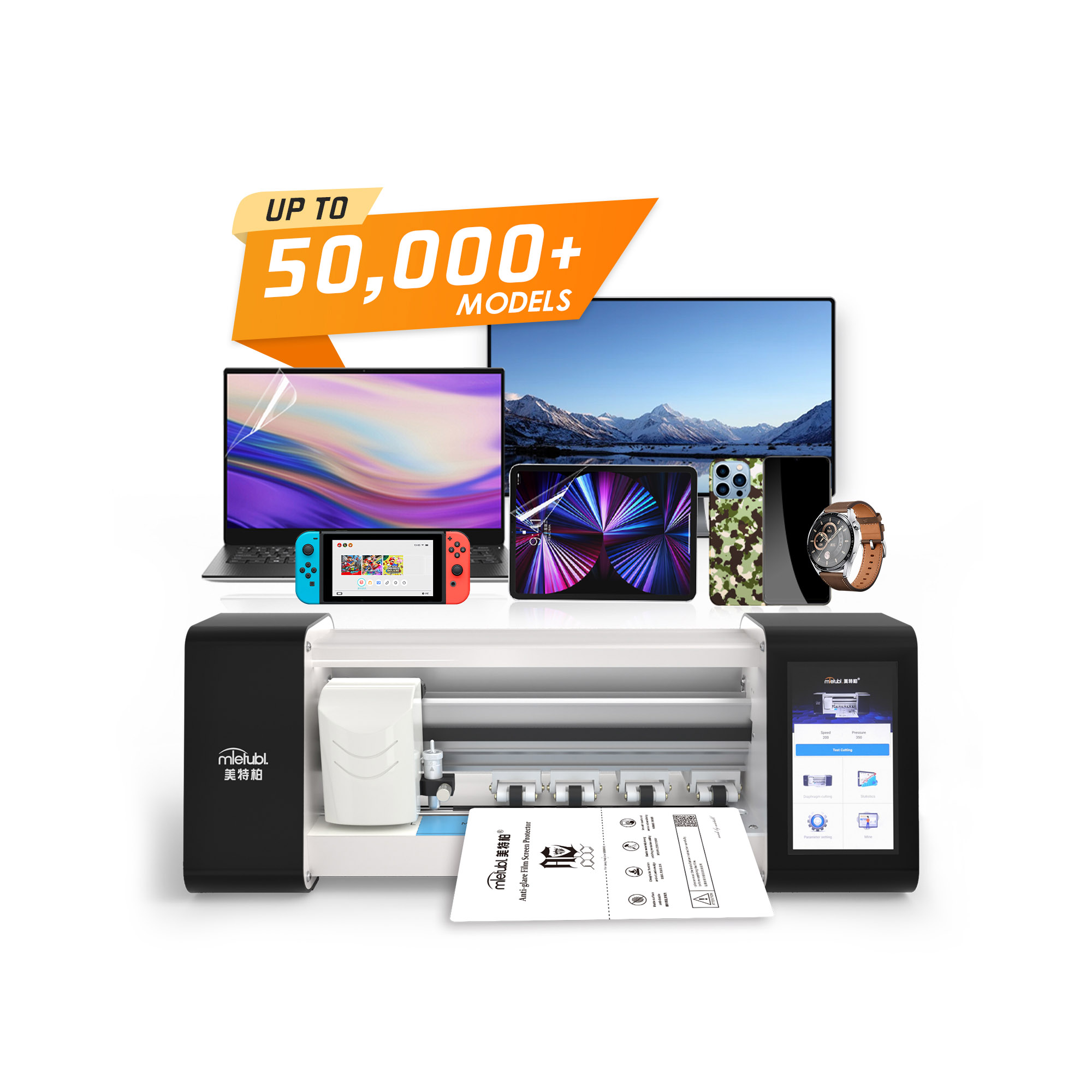
The MTB-CUT 180T supports film patterns for phones, tablets, watches, and cameras. It also works with several commonly sold protector types, including TPU, PET, clear, matte, and privacy films. This combination may allow a distributor to address more applications without assigning a separate machine to each category.
For resellers, the portfolio opportunity is not limited to equipment revenue. The cutter can be paired with compatible blank films and installation accessories, creating a connected assortment around in-store customization. Distributors should still confirm which consumables will be offered in each market and test the intended material mix before building bundles.
Channel Economics Beyond the Machine Sale
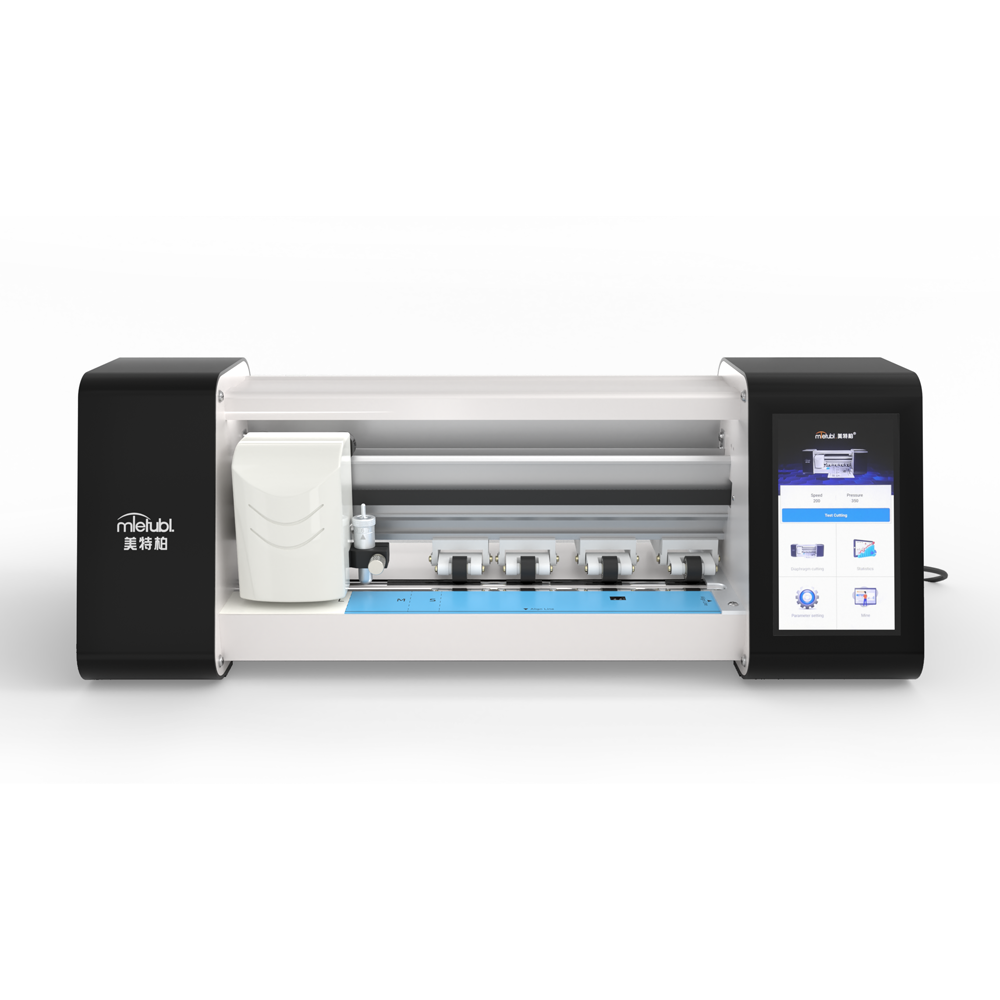
The approved product information states that a cut can be completed in approximately 20 seconds. For a retailer, that speed may support an immediate installation service at the point of sale. For a distributor, it creates a clearer demonstration scenario: select a device pattern, cut the film, and show how the machine can support a customer-facing service.
However, equipment throughput should not be presented as guaranteed store profitability. Commercial results will depend on local installation prices, customer traffic, operator workflow, film costs, and the retailer’s ability to convert accessory purchases into installation orders. Channel partners should build their own margin model around these variables.
Distributor Checks Before Range Approval
The cloud system is described as synchronizing new-model data from more than 130 countries and covering over 50,000 device models. That database breadth may be useful for cross-border distributors or retailers that encounter imported and regional device variants. Buyers should verify the availability of priority models in their target markets during evaluation rather than relying only on the total database figure.
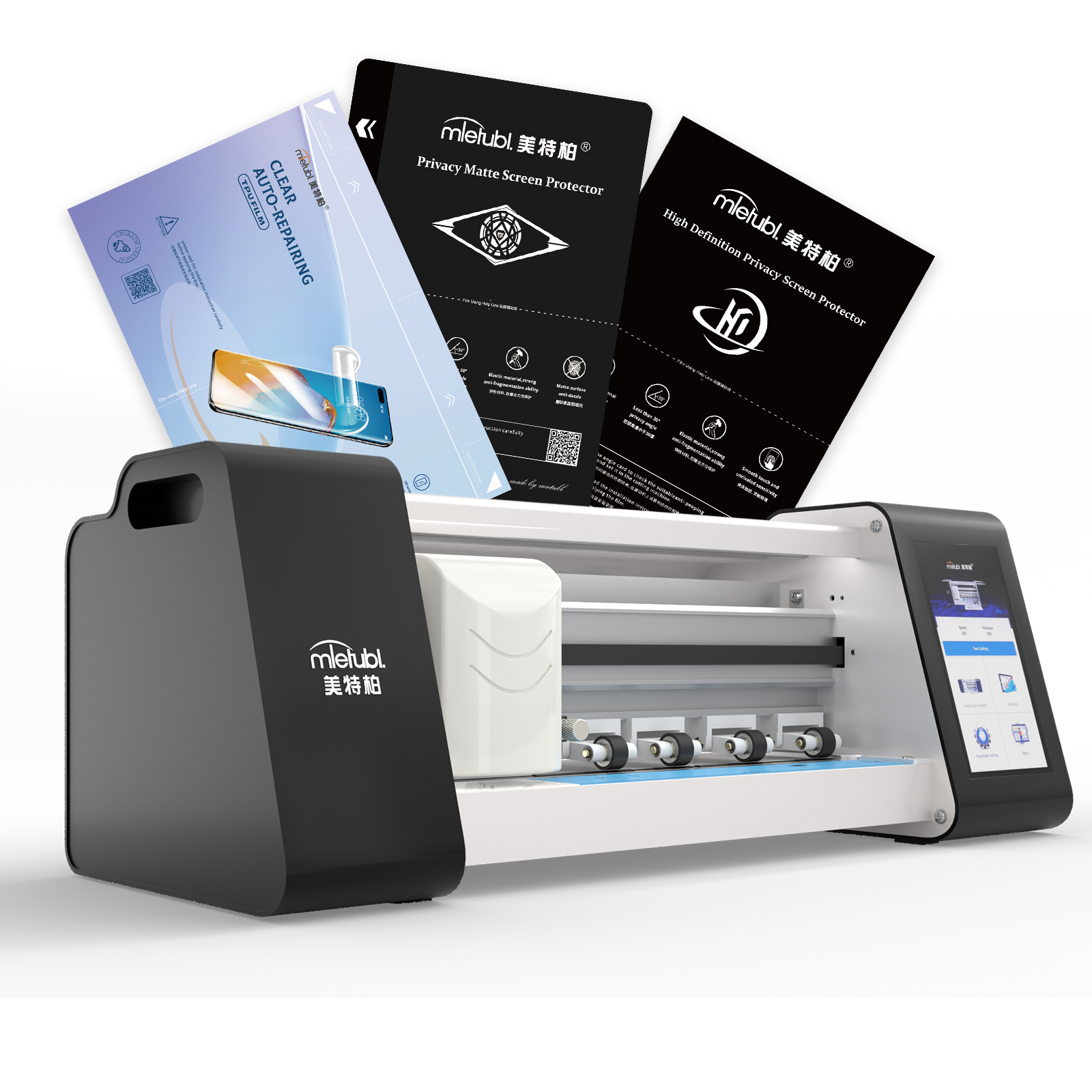
The machine has a maximum cutting width of 228 mm. Before approval, distributors should compare that working range with the devices their reseller network handles most often. They should also evaluate interface language needs, Wi-Fi conditions at retail locations, operator training requirements, software access, replacement consumables, and the process for handling technical support.
Common Questions
Should distributors sell the 180T alone or as a bundle?
A bundle may be more practical for first-time equipment buyers. It can combine the cutter with selected blank films, installation tools, and basic operating guidance. The exact bundle should reflect the reseller’s customer base rather than include materials with limited local demand.
Which channel customers are the strongest fit?
The strongest candidates may be accessory shops, repair businesses, and retailers that regularly receive requests for different device models. Stores with stable demand for only a few protector SKUs may have less need for on-demand cutting.
What should be validated before adding it to a 2026 catalog?
Confirm priority model coverage, compatible materials, interface suitability, connectivity, training responsibilities, consumable availability, and after-sales procedures. A distributor should also test the complete retail workflow instead of evaluating cutting operation alone.
Conclusion
The MTB-CUT 180T is a suitable 2026 portfolio candidate when a distributor wants to support on-demand protector services and build related consumable sales. It should be positioned selectively, with priority given to reseller accounts that manage varied device demand and can operate an installation service. Before range approval, validate local model coverage and the full support plan so the product enters the channel as a usable service solution rather than a stand-alone machine.
About Mietubl
Mietubl is a Guangzhou-based mobile accessories brand whose name reflects its guiding idea: Make It Easier To Use, Better Life. With roots in the mobile accessories industry dating to 1998 and the MIETUBL brand registered in 2010, the company focuses on products that make everyday digital use simpler and more practical.
Its portfolio includes screen protectors, intelligent screen protector cutting machines, film materials, data cables, chargers, power banks, and audio accessories. By combining design, product development, manufacturing, and channel support, Mietubl works with distributors and retailers serving a broad range of mobile accessory needs, with products exported to more than 120 countries and regions.
For product information, samples, or distribution opportunities, contact Marketing@mietubl.com or visit www.mietubl.com.
Was this article helpful?
Your feedback helps us improve future articles.