
For this sourcing decision, tempered glass is the more verifiable choice—not automatically the safer material in every situation. The approved product data defines glass constructions and includes explicit impact evidence for one anti-drop glass model, while no equivalent hydrogel drop-test data is available. Buyers should therefore validate representative samples on target phones and approve measurable outputs rather than relying on the tempered-glass or hydrogel label alone.
Why the Material Label Is Not Enough for Drop Protection
“Tempered glass” covers products with different glass thicknesses, adhesive layers, edge profiles, and reinforcement levels. The listed HD Borderless Protector, for example, offers two high-alumina glass configurations: 0.4 mm glass with 280–380 μm antistatic AB adhesive and a 120cc curve, or 0.25 mm glass with 150 μm adhesive and a 60cc curve.
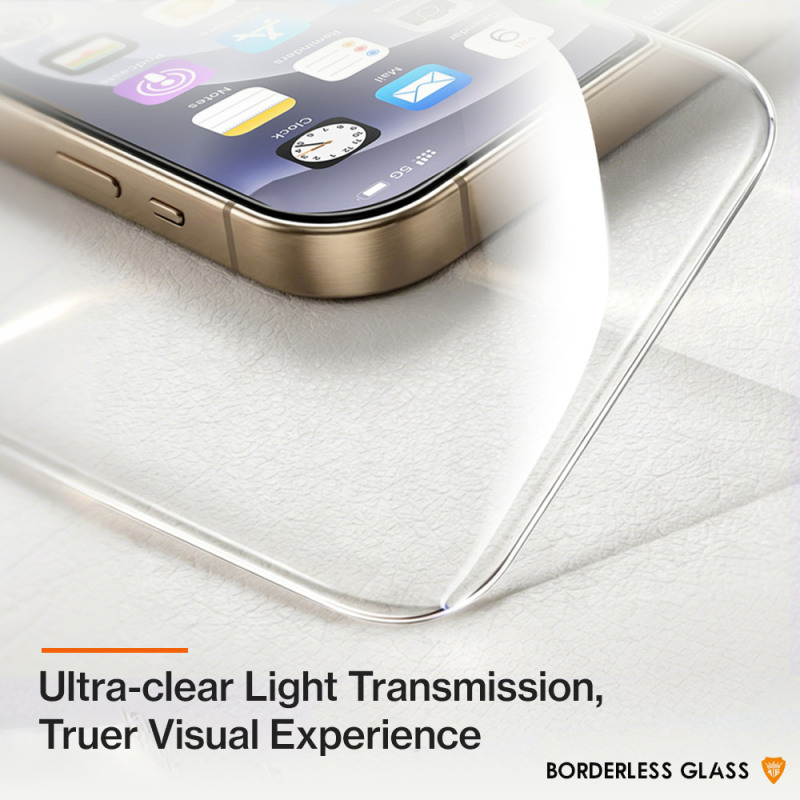
These construction differences can affect compatibility with curved screens, cases, installation processes, and the expected protective role. Hydrogel should be evaluated in the same way, but the supplied evidence does not include a hydrogel construction or matched impact result. A buyer cannot responsibly conclude that hydrogel is more drop-resistant from category assumptions.
- Choose verifiable evidence: request material construction and test conditions for each candidate.
- Use representative samples: include priority phone models, curved screens, and common case combinations.
- Separate protection from fit: impact performance does not replace checks for lifting, white edges, or blocked display areas.
- Define acceptance outputs: specify installation, touch, visual, and impact criteria before production.
What Evidence Should Buyers Accept Before Ordering?
A useful claim identifies the sample, test method, conditions, and pass result. The Armor Anti-Drop Protector provides stronger sourcing evidence than a generic “anti-drop” description: its listed 0.4 mm dual-strengthened high-alumina glass reached Mohs 6 surface hardness and passed a 64 g steel-ball impact test from a height of 2 meters. It also lists edge-pressure resistance of 25–30 kg.
Those results apply to that stated glass construction; they should not be transferred automatically to every tempered-glass product. Likewise, hydrogel samples should not receive approval without comparable evidence. Ask suppliers to test both candidates under the same conditions so the procurement decision compares outputs rather than unrelated marketing claims.
How to Build a Representative Compatibility Sample Set
A sample set should reflect the actual sales mix rather than one convenient flat-screen model. Buyers may include high-volume devices, curved or narrow-bezel screens, models with earpiece openings, and phones commonly used with protective cases.
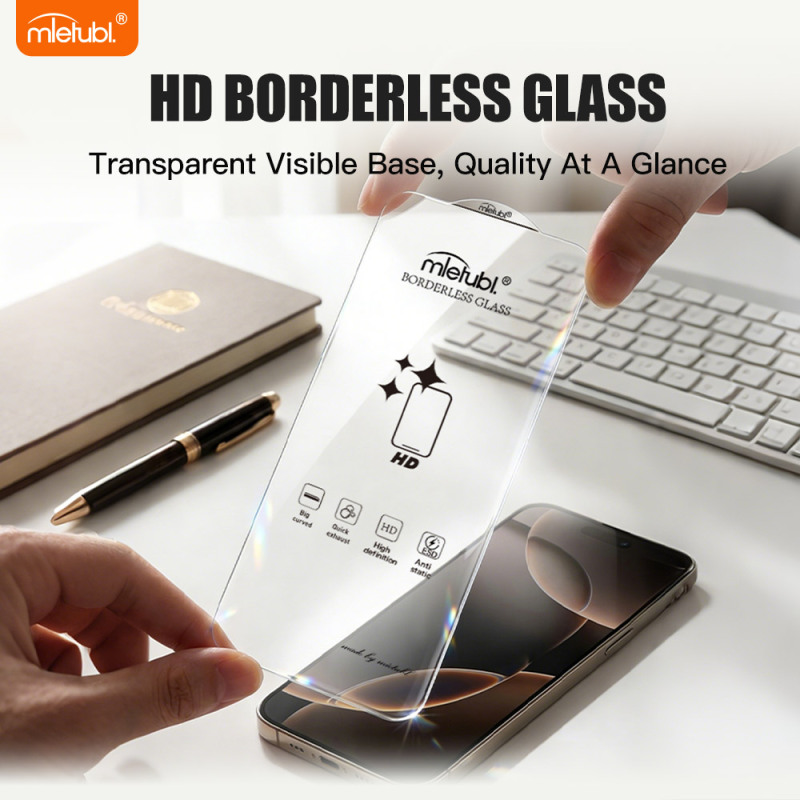
For the HD Borderless Protector, sample checks should verify that the transparent borderless structure preserves the intended display area and that the integrated earpiece dust mesh remains correctly positioned. The available configurations also make adhesive thickness and screen curvature important compatibility variables. Each model should be installed using the intended retail or production process, not under unusually controlled conditions that customers will not experience.
Record the phone model, case type, sample construction, installer, and result. If tempered glass and hydrogel are being compared, use the same phone models and acceptance rules for both.
Which Outputs Should Control Sample Acceptance?
Approve samples against observable results established before testing. A practical acceptance sheet can cover:
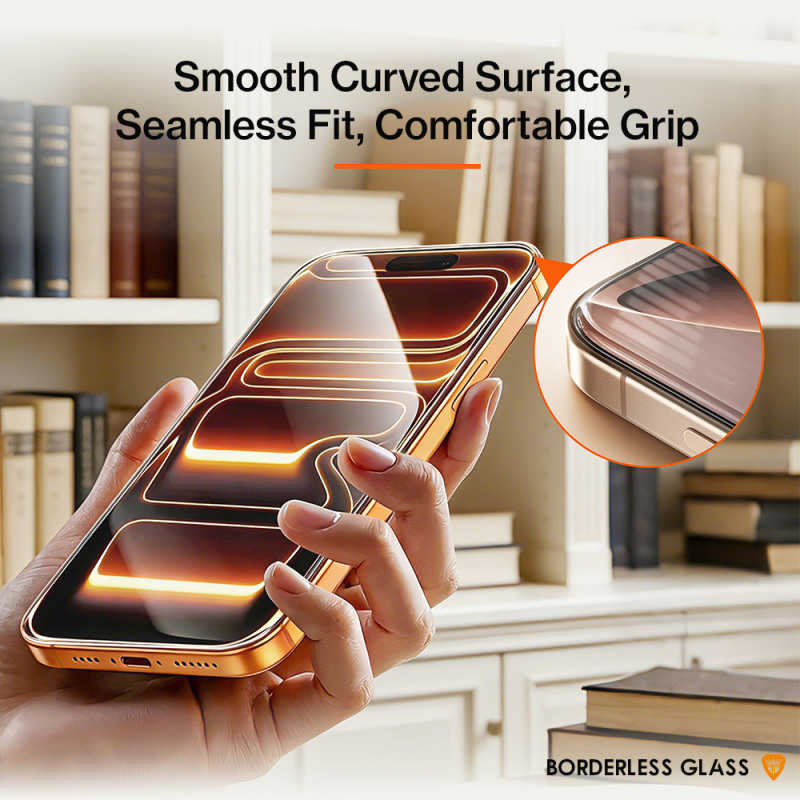
- Fit: correct alignment, intended screen coverage, and no interference with sensors, speakers, or cases.
- Installation: acceptable air evacuation, no persistent bubbles, and no visible edge lifting or white borders.
- Display and touch: acceptable clarity, color presentation, and responsive operation across the active screen.
- Surface condition: no unacceptable scratches, chips, adhesive contamination, or detached dust mesh after handling.
- Impact result: a predefined pass condition using the same height, impact object, orientation, and number of trials for every material.
Production inspection should then follow the approved golden sample and documented tolerances. The listed quality inspection method for the products is GB/T2828.1, but buyers should confirm the sampling level, defect classes, and acceptance limits in the purchase specification.
Common Questions About Glass and Hydrogel Validation
Can buyers state that tempered glass is always more drop-resistant?
No. The supplied data supports specific tested glass constructions, not a universal claim covering all tempered glass and hydrogel products.
Should the strongest tested glass be selected for every phone model?
Not automatically. Buyers should first confirm screen curvature, case clearance, adhesive behavior, speaker alignment, and installation output on each representative model.
What should be retained after sample approval?
Keep the approved sample, material configuration, phone-model list, test conditions, defect definitions, and acceptance record so production output can be checked against the same basis.
Conclusion
Choose tempered glass when its construction and impact evidence meet your target requirements, but do not approve it—or reject hydrogel—by material name alone. The lower-risk procurement decision is to compare representative samples under identical conditions and release production only after compatibility, installation, display, touch, and impact outputs satisfy a written acceptance standard.
About Mietubl
Mietubl is a Guangzhou-based mobile accessories brand whose name reflects its guiding idea: Make It Easier To Use, Better Life. With roots in the mobile accessories industry dating to 1998 and the MIETUBL brand registered in 2010, the company focuses on products that make everyday digital use simpler and more practical.
Its portfolio includes screen protectors, intelligent screen protector cutting machines, film materials, data cables, chargers, power banks, and audio accessories. By combining design, product development, manufacturing, and channel support, Mietubl works with distributors and retailers serving a broad range of mobile accessory needs, with products exported to more than 120 countries and regions.
For product information, samples, or distribution opportunities, contact Marketing@mietubl.com or visit www.mietubl.com.
Was this article helpful?
Your feedback helps us improve future articles.