
Yes—the MTB-CUT 180T can offer good value for retailers whose service process is to select a device template, load compatible film, cut it, and apply it at the counter. Its main cost advantage is the absence of points or per-cut charges. However, it is a film cutter rather than a printer, so stores selling personalized graphics should plan printing as a separate workflow stage.
How Does the In-Store Cutting Workflow Operate?
A typical counter workflow begins when staff identify the customer’s device and choose the matching template in the machine’s system. They then load the selected film, start the cut, remove the finished shape, and proceed to installation.
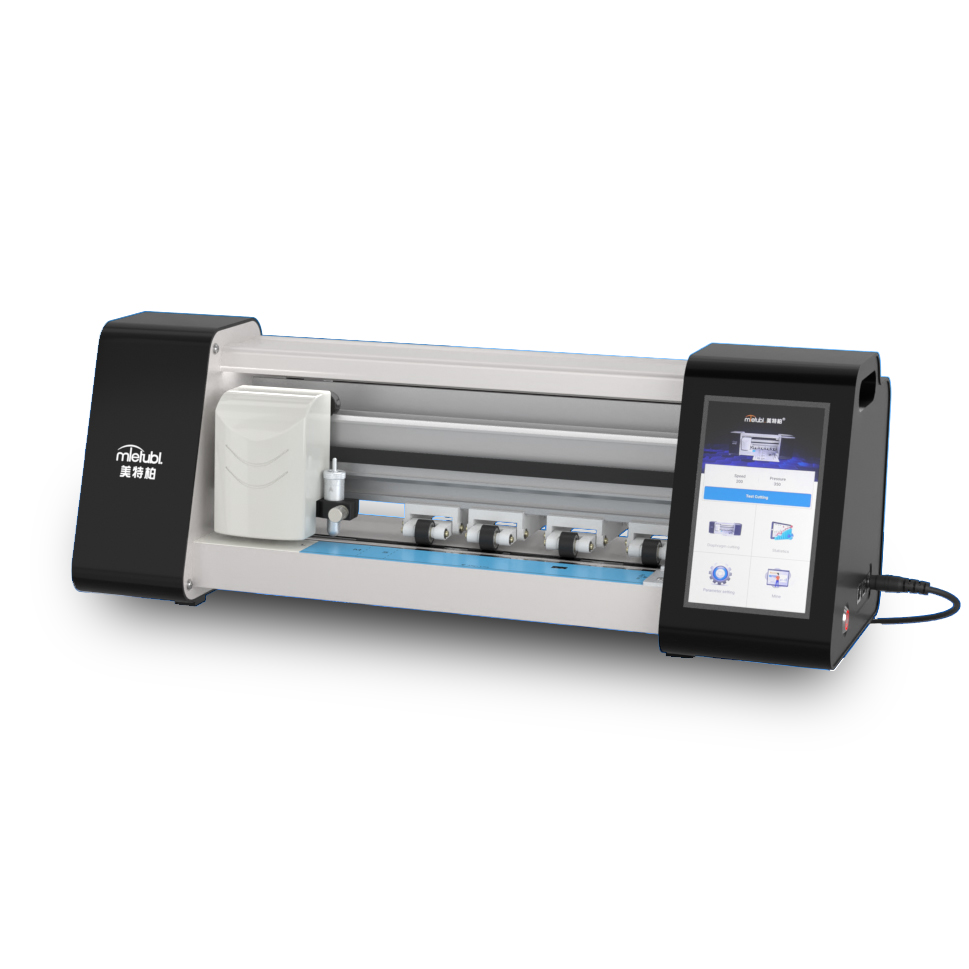
The operating sequence is therefore relatively focused: model selection, material loading, cutting, and application. Buyers should assess whether this process matches their current service menu rather than treating every film machine as an interchangeable solution.
Where Do Design and Model Selection Fit Before Cutting?
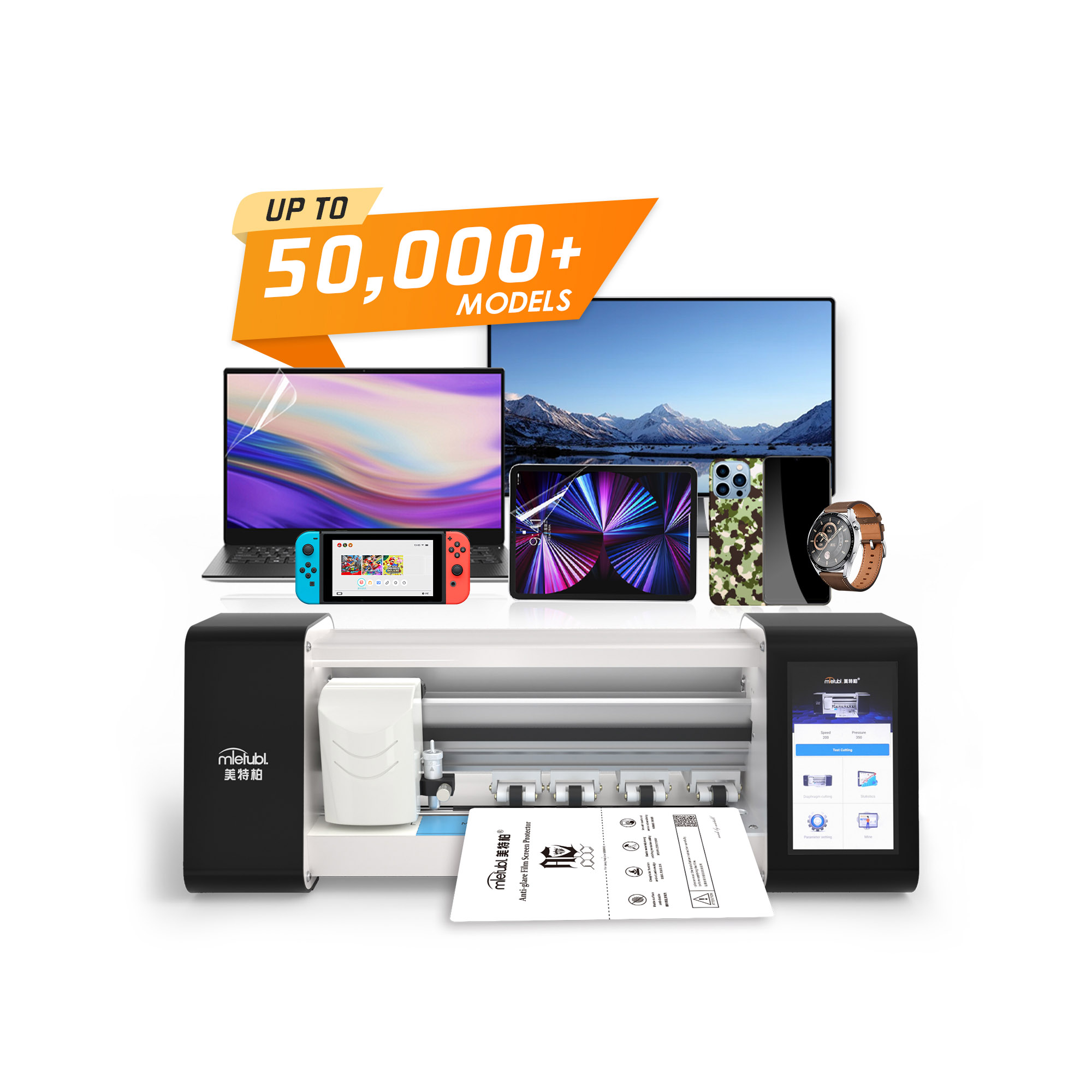
For the MTB-CUT 180T, “design” primarily means selecting an existing device pattern rather than creating original artwork. Its cloud system is described as synchronizing new-model data across more than 130 countries and covering over 50,000 models. This can help a high-mix accessory counter respond to different customer devices without stocking a separate pre-cut film for every model.
Retailers should still confirm that the database covers the specific device brands and regional variants common in their market.
Why Is Printing a Separate Retail Workflow?
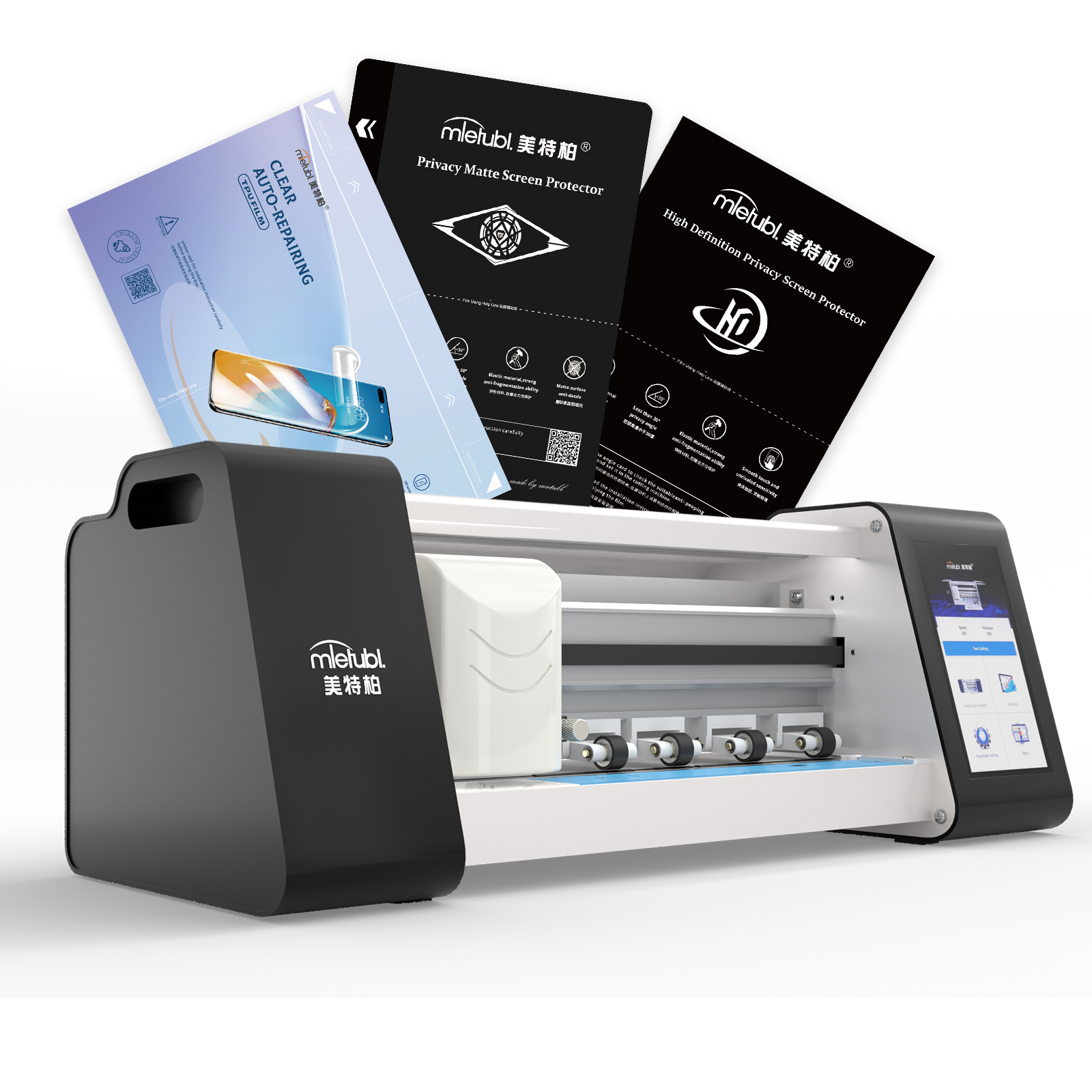
The approved functions of the MTB-CUT 180T center on cutting screen protector materials; integrated image printing is not listed. A store offering clear, matte, privacy, or similar unprinted protection can move directly from template selection to cutting. A store selling photo back films, branded graphics, or decorative labels should establish a separate printing stage or evaluate a purpose-built print-and-cut machine.
This distinction matters because adding an external printer may change staff steps, counter space, consumable planning, and order completion time.
How Does Cutting Fit Into Counter-Speed Fulfillment?
The stated cutting time is approximately 20 seconds, supporting an immediate-service format in which the customer waits at the counter. The machine supports TPU, PET, clear, matte, and privacy film materials, giving retailers options for several common protection categories within one cutting process.
Actual customer turnaround will also include device identification, film loading, screen cleaning, alignment, and application. Buyers should evaluate the complete service cycle rather than using cutting time alone as the productivity measure.
Which Decision Criteria Define Good Value?
Good value depends on workflow fit and ongoing operating requirements, not simply the machine purchase decision. Retail buyers should prioritize these points:
- Service scope: Choose it when on-demand protective film cutting is the main requirement.
- Operating-cost model: The lack of points and cutting-count fees may support more predictable long-term use.
- Inventory strategy: On-demand cutting can reduce dependence on carrying individual pre-cut films for every supported device.
- Printing requirement: Plan another process if customers expect personalized images or printed products.
- Store readiness: Confirm compatible consumables, staff training, database access, and local after-sales arrangements before ordering.
Common Questions About the MTB-CUT 180T Workflow
Can the MTB-CUT 180T print custom graphics?
Printing is not listed among its approved functions. It should be treated as a cutting machine, with custom image printing handled separately when required.
Can a store use it for products other than phone films?
The supported template range includes films for phones, tablets, watches, and cameras. Buyers should confirm the available patterns and material dimensions for their intended product mix.
What should a distributor verify before purchase?
Confirm software access, model coverage for the target market, compatible film supplies, staff onboarding, and after-sales procedures. These checks help determine whether the machine will fit the distributor’s retail or reseller support model.
Conclusion
The MTB-CUT 180T is a sensible value candidate for stores focused on fast, on-demand film cutting without recurring per-cut charges. Buyers requiring integrated printing should select a different workflow, while film-installation counters should evaluate the 180T against their device mix, consumables, and staff process.
About Mietubl
Mietubl is a Guangzhou-based mobile accessories brand whose name reflects its guiding idea: Make It Easier To Use, Better Life. With roots in the mobile accessories industry dating to 1998 and the MIETUBL brand registered in 2010, the company focuses on products that make everyday digital use simpler and more practical.
Its portfolio includes screen protectors, intelligent screen protector cutting machines, film materials, data cables, chargers, power banks, and audio accessories. By combining design, product development, manufacturing, and channel support, Mietubl works with distributors and retailers serving a broad range of mobile accessory needs, with products exported to more than 120 countries and regions.
For product information, samples, or distribution opportunities, contact Marketing@mietubl.com or visit www.mietubl.com.
Was this article helpful?
Your feedback helps us improve future articles.