
The MTB-CUT M888 is worth shortlisting when a buyer needs one computerized machine for both printing and contour cutting in a compact workflow. Its listed capabilities suit applications such as phone back films, protective films, photos, labels, and greeting cards. Before ordering, however, confirm that its media path, output expectations, operating process, and supplier terms match the intended retail or production environment.
What Should Buyers Verify Before Shortlisting the M888?
- Workflow fit: Confirm that combining printing and cutting will replace or simplify the equipment currently used for the target products.
- Output requirements: Evaluate sample prints and contour cuts rather than relying on resolution and precision figures alone.
- Material compatibility: Check every planned film, paper, label stock, and specialty media type with the supplier.
- Operating process: Request a demonstration of QR-code operation, template selection, image upload, and design functions.
- Commercial scope: Clarify what the order, inspection method, delivery term, and warranty actually include.
Check Whether the Integrated Workflow Fits Your Operation
The M888 combines printing and cutting, which may reduce separate equipment and operating steps. That can be useful for stores or studios producing customized items on demand, particularly when staff must move quickly from design selection to finished output.
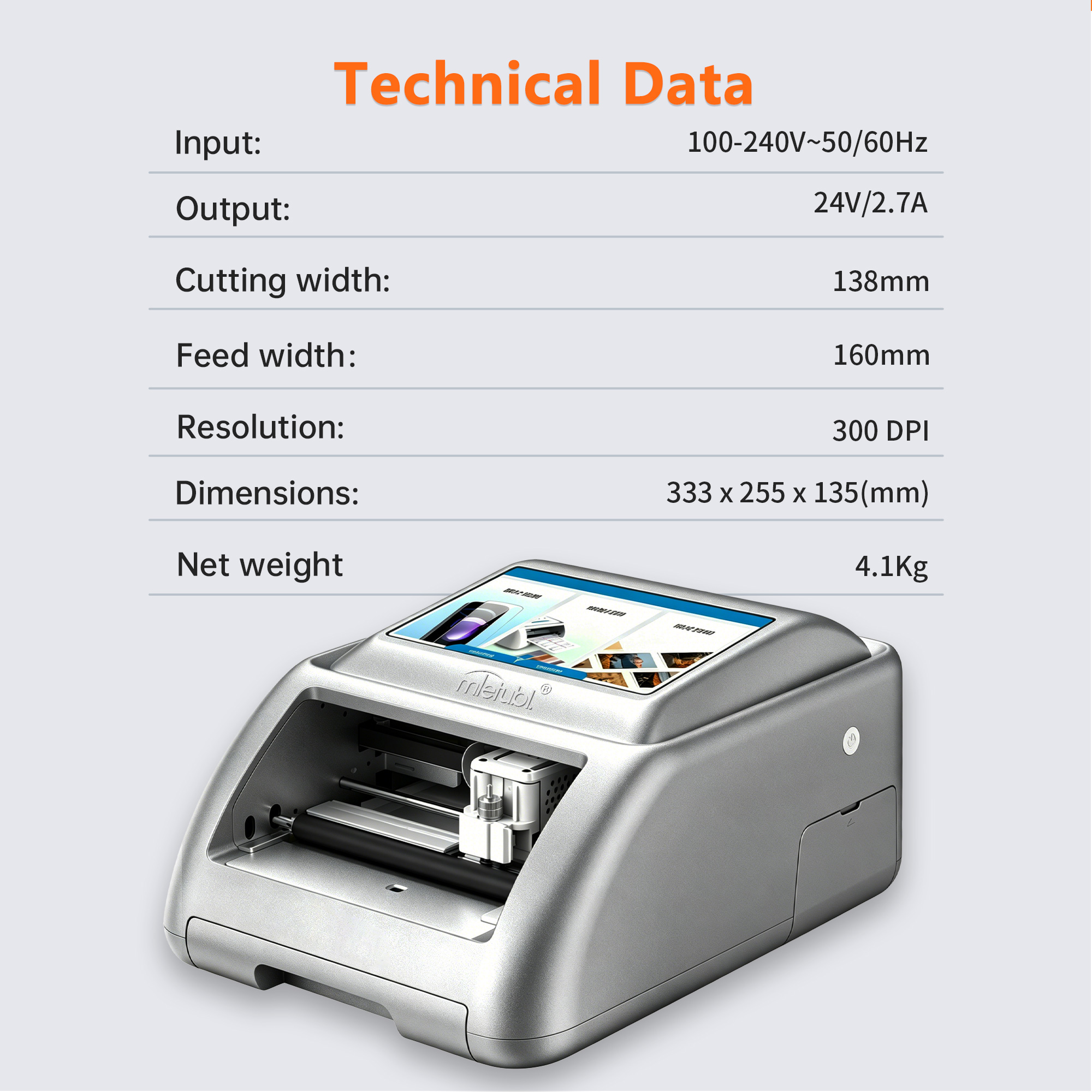
The listed workflow includes built-in templates, image uploading, AI-assisted background removal, and AI-generated design functions. QR-code operation is also identified as a selling point. Buyers should ask for a live demonstration covering account setup, file preparation, template access, design approval, printing, and cutting. This will show whether the process is practical for new employees and whether any functions depend on external services, subscriptions, or network access.
Do not assume that “all-in-one” means every finishing step is automated. Confirm which tasks still require manual loading, alignment, unloading, trimming, or application.
Validate Print and Contour-Cutting Results With Samples
The machine is listed with 300 DPI resolution and contour-cutting precision of up to approximately 0.1 mm. These figures provide an initial reference, but professional buyers should test real artwork and materials before approving a larger purchase.
Request samples that represent the smallest text, narrowest borders, curved shapes, color gradients, and detailed images in the planned catalog. Inspect whether printed and cut edges remain aligned across repeated jobs. Because the product uses dye-sublimation printing described as detailed, water-resistant, and resistant to fading, buyers should also confirm which compatible media are required to achieve those results.
A practical acceptance test should define the artwork, material, quantity, visual tolerance, and inspection conditions in advance. This makes sample evaluation more relevant than a general demonstration using supplier-selected designs.
Confirm Media Size, Feed Limits, and Installation Space
The listed cutting width is 138 mm, while the feed width is 160 mm and the stated paper size is 100 × 148 mm. Buyers should compare all three values with their intended product dimensions. Feed width does not necessarily equal usable print or cut area, so artwork margins and registration requirements should be verified.
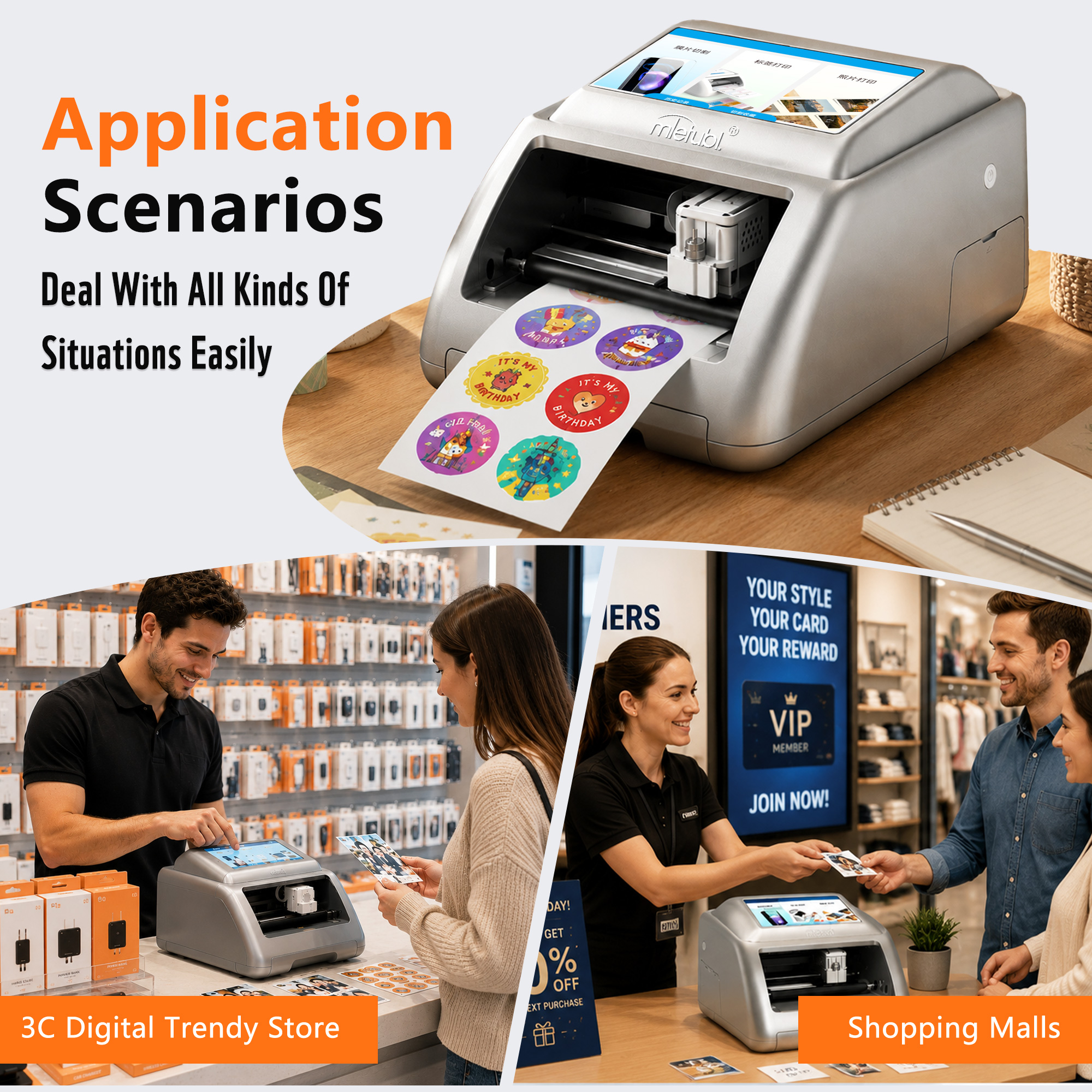
The machine measures 333 × 255 × 135 mm and weighs 4.1 kg. Its compact body may suit a retail counter, studio, or home-based work area, but procurement teams should still account for media loading, finished-product handling, ventilation, cables, and operator access around the machine.
Before approval, send the supplier a material list containing dimensions, thicknesses, surface treatments, and intended products. Written compatibility confirmation or sample testing can reduce the risk of purchasing a machine that fits the workspace but not the actual consumables.
Clarify Inspection and Commercial Terms Before Ordering
The listed minimum order quantity is one machine, with a stated delivery time of seven days and a one-year warranty. These terms can support an initial evaluation order, but buyers should confirm when the delivery period begins and whether it refers to production readiness, dispatch, or arrival.
GB/T2828.1 is listed as the quality inspection method. Treat this as an inspection reference rather than a product certification. Ask which defects are classified as critical, major, or minor; what sampling level applies; and whether functional printing and cutting tests are included.
The warranty scope should identify covered parts, exclusions, troubleshooting procedures, replacement-part availability, and responsibility for freight or service costs. Confirm these points in the purchase agreement rather than relying on the warranty duration alone.
Common Buyer Questions
Is the M888 only for phone-film production?
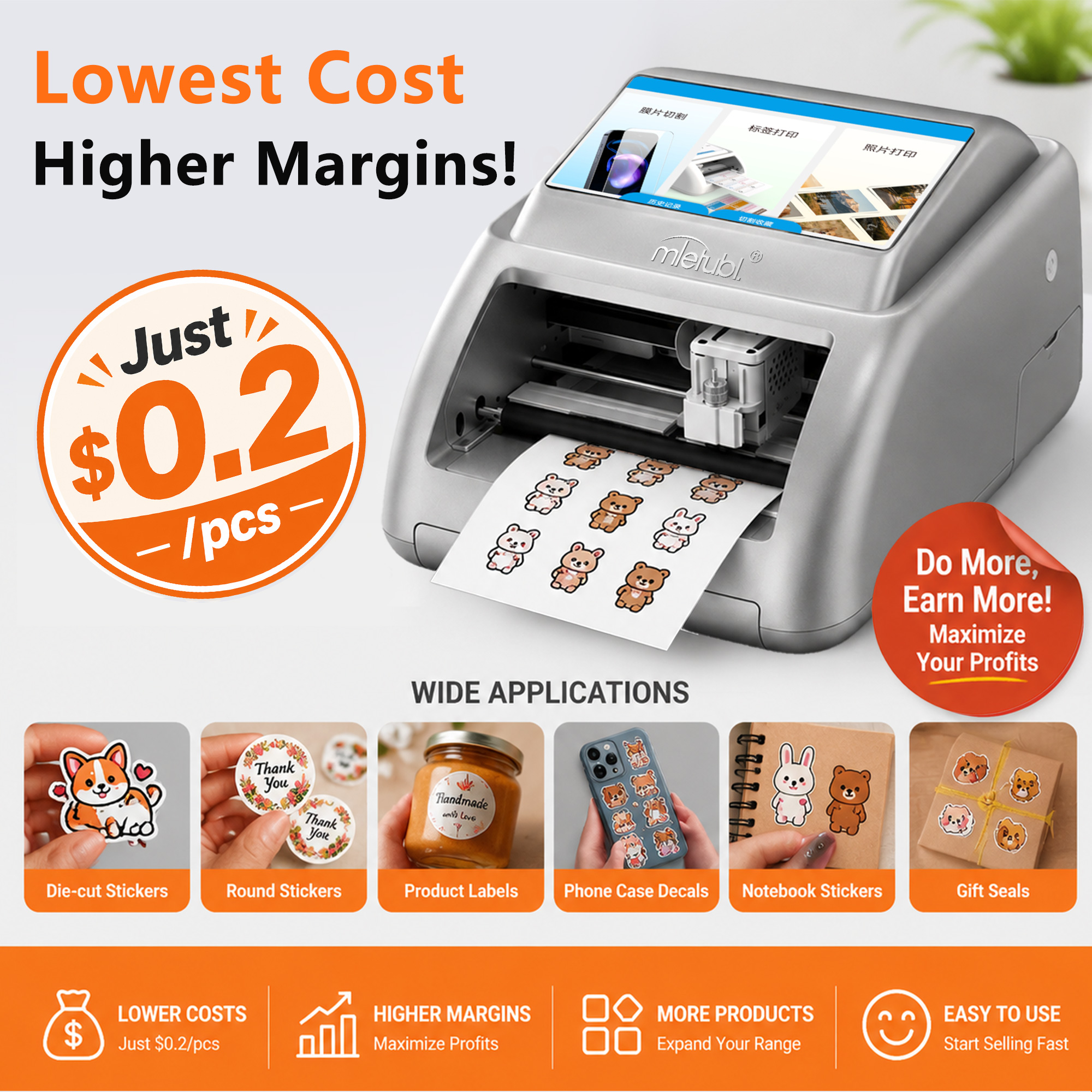
No. Its listed applications also include protective films, photos, labels, greeting cards, and irregularly shaped stickers, subject to material and size compatibility.
Should buyers place a production order without testing?
A sample job or evaluation order is advisable. Use actual materials and artwork to assess color, alignment, contour accuracy, and operator workload.
What documentation should accompany the quotation?
Request the configuration list, consumable requirements, operating instructions, inspection scope, delivery definition, warranty terms, and any costs associated with software or design functions.
Conclusion
The MTB-CUT M888 can be a practical procurement candidate for buyers seeking a compact, computerized print-and-cut workflow across several customized product types. Proceed when supplier demonstrations and material tests confirm the required output, and place all software, inspection, delivery, and warranty expectations in writing before issuing the purchase order.
About Mietubl
Mietubl is a Guangzhou-based mobile accessories brand whose name reflects its guiding idea: Make It Easier To Use, Better Life. With roots in the mobile accessories industry dating to 1998 and the MIETUBL brand registered in 2010, the company focuses on products that make everyday digital use simpler and more practical.
Its portfolio includes screen protectors, intelligent screen protector cutting machines, film materials, data cables, chargers, power banks, and audio accessories. By combining design, product development, manufacturing, and channel support, Mietubl works with distributors and retailers serving a broad range of mobile accessory needs, with products exported to more than 120 countries and regions.
For product information, samples, or distribution opportunities, contact Marketing@mietubl.com or visit www.mietubl.com.
Was this article helpful?
Your feedback helps us improve future articles.