
The MTB-CUT 180T is best used as an on-demand production tool: hold compatible blank film, select the required device model when a customer orders, and cut the protector at the point of service. This approach can reduce reliance on finished protectors for individual phone models, especially across a broad or frequently changing device range. Buyers should still decide whether fast-moving models justify limited ready-made stock alongside the machine.
Why On-Demand Cutting Changes the Inventory Decision
Traditional finished-film inventory requires a separate SKU for each device model, material, and finish. Demand forecasting becomes difficult when stores serve many brands or carry slow-moving models. An on-demand cutting workflow shifts part of that planning from model-specific products to versatile blank-film categories.
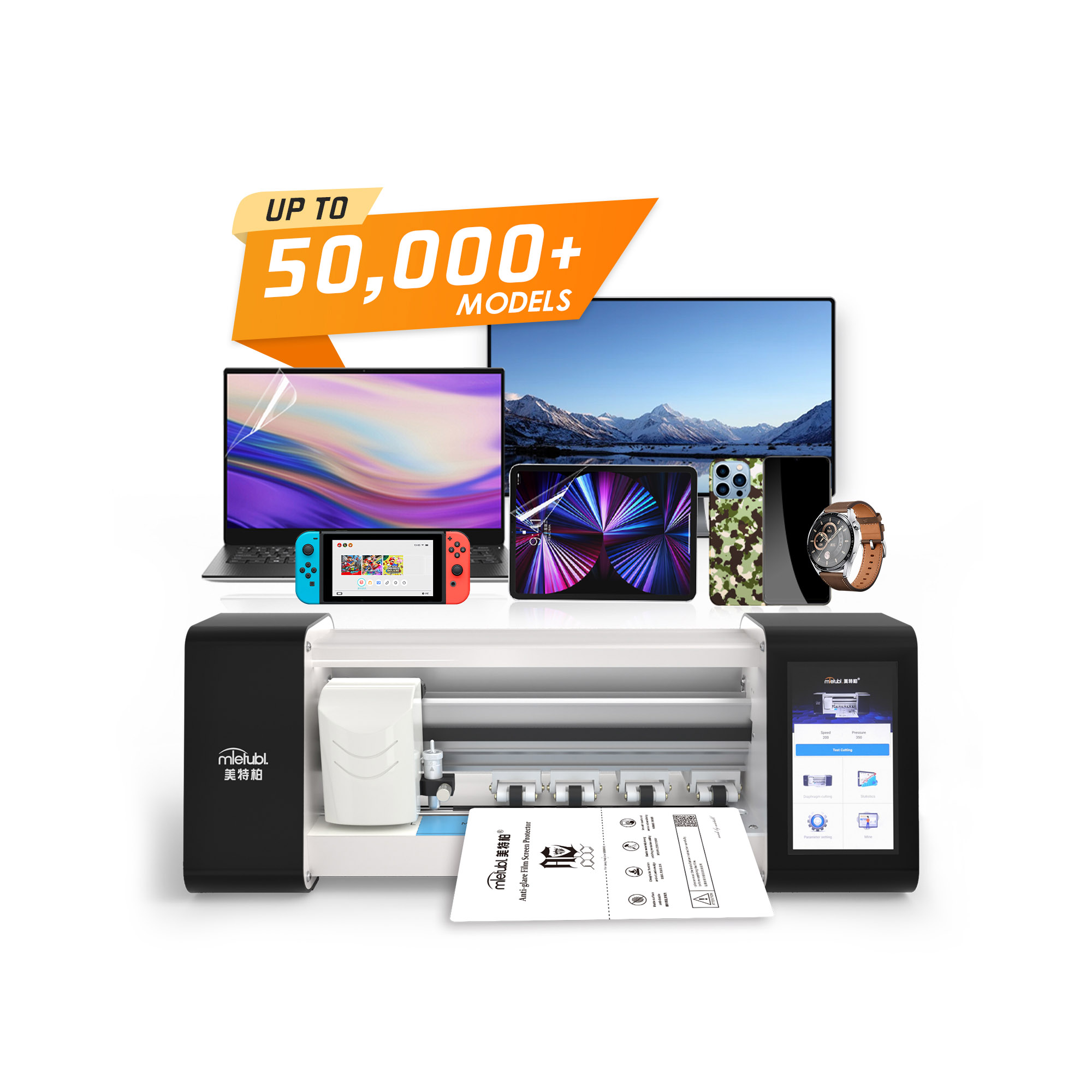
The MTB-CUT 180T cloud system covers more than 50,000 device models, with new-model data synchronized across more than 130 countries. That breadth can help a retailer serve a wider model mix without purchasing a finished protector for every possible request. However, buyers should confirm that the database includes the exact regional devices relevant to their sales channels.
How to Use the MTB-CUT 180T for Demand-Led Production
A practical operating method should connect each cut to a confirmed customer or replenishment requirement. Use the following workflow as an inventory-focused operating procedure:
- Confirm the device. Check the brand, exact model, regional variant, and screen configuration before selecting a template.
- Choose the film type. Match the order to a supported material, such as TPU, PET, clear, matte, or privacy film.
- Load and align the blank. Ensure the material is flat and positioned within the machine’s feeding path. The maximum cutting width is 228 mm, so material and requested device dimensions must remain within the machine’s supported range.
- Find the model template. Connect through 2.4G Wi-Fi and select the corresponding device data on the 5.5-inch display. Operators should verify the model rather than relying only on a similar product name.
- Set and run the cut. Use settings appropriate for the loaded material. Pressure and cutting speed are digitally adjustable, so stores should establish tested settings rather than applying one setup to every film.
- Inspect before installation. Check dimensions, openings, edges, and alignment. Record incorrect selections or material waste so purchasing and training decisions use actual operating data.
Plan Blank-Film Inventory Instead of Every Model SKU
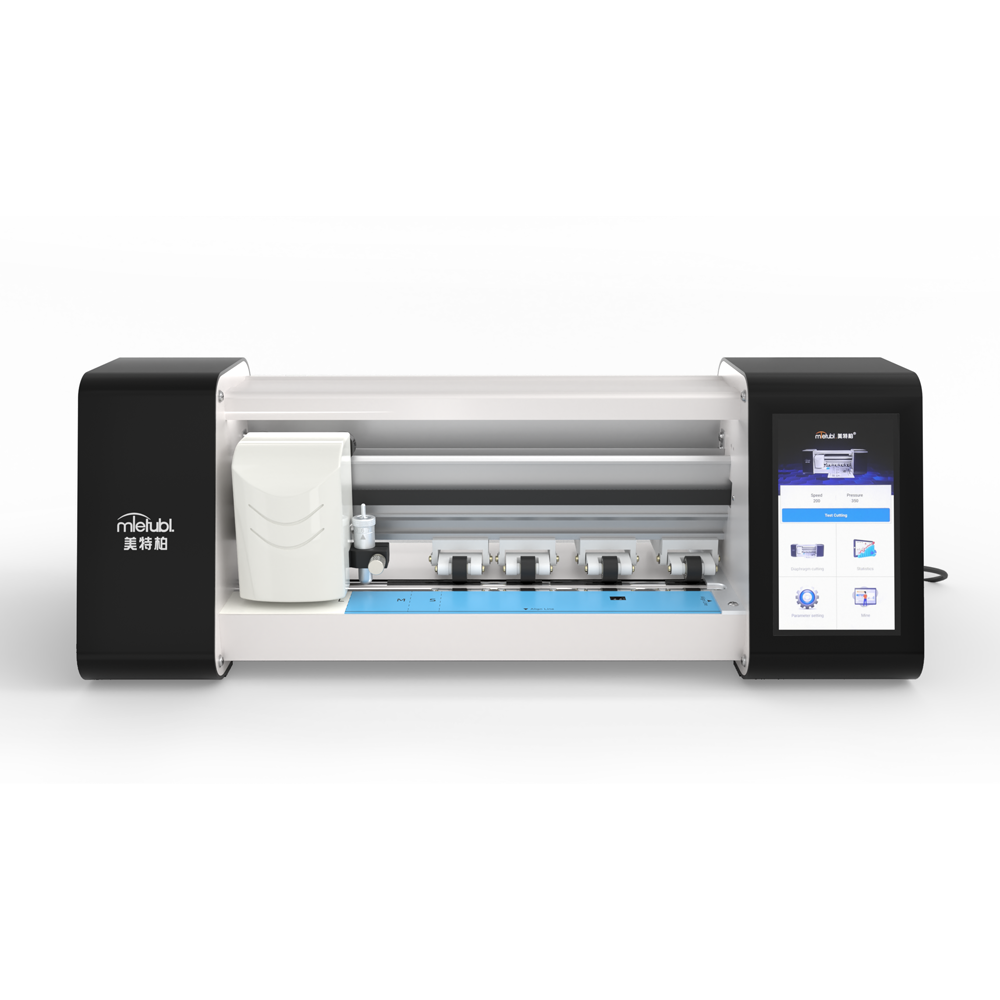
The machine is described as completing a film cut in about 20 seconds, supporting immediate service where the selected template and material are ready. The larger inventory benefit, however, comes from consolidating model demand into a smaller number of blank-material groups.
Useful decision criteria include:
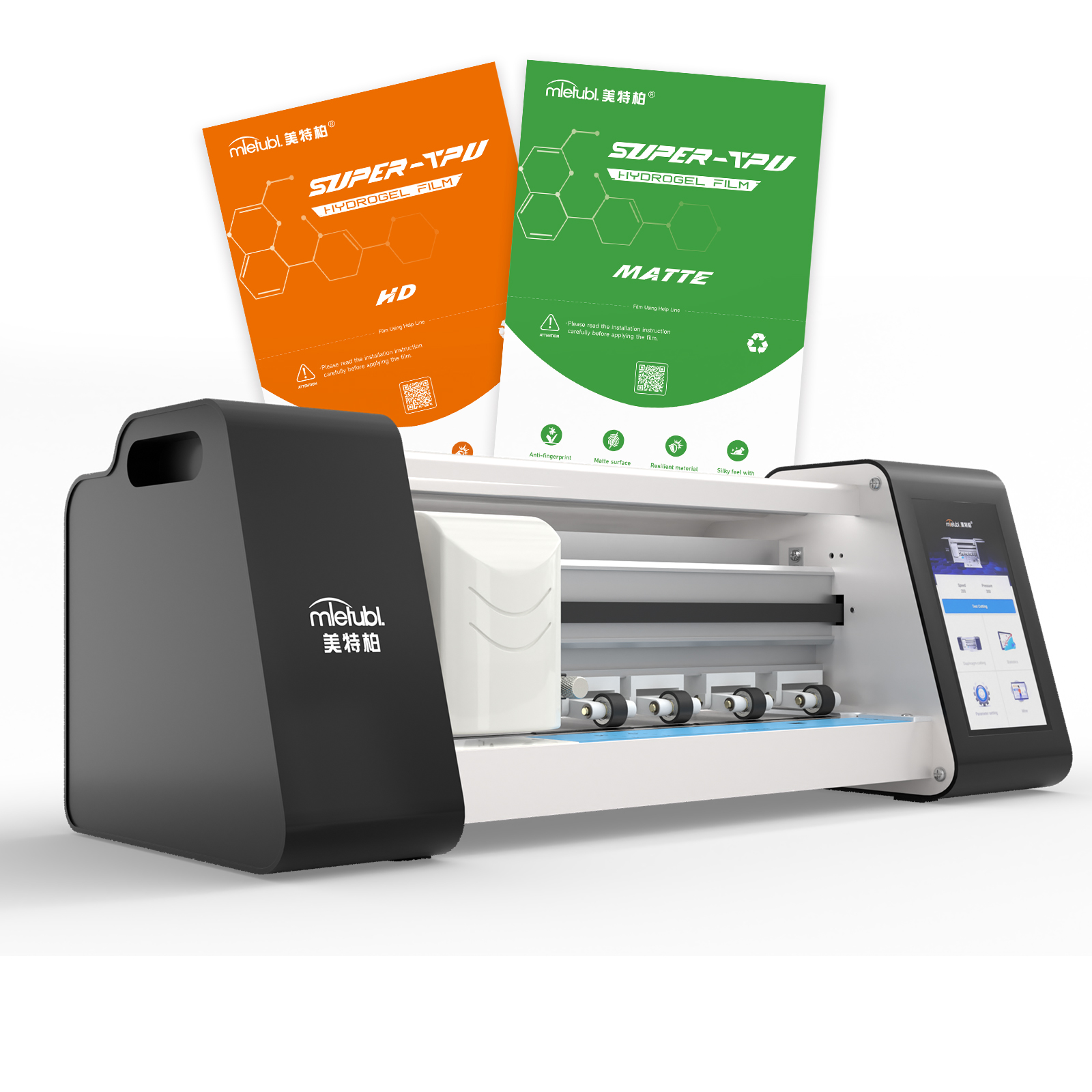
- Stock blanks according to actual demand for clear, matte, privacy, TPU, and PET options.
- Keep limited finished stock only where sales volume or service-speed targets justify it.
- Track blank-film consumption, failed cuts, and leftover material separately.
- Review unsupported or frequently requested models before changing purchasing plans.
Control Inventory Risk During the Transition
Buyers should avoid removing all finished protectors immediately. A pilot can compare model coverage, operator accuracy, blank-film consumption, and customer waiting time against the existing SKU-based process. High-volume devices may still benefit from ready-to-install stock, while long-tail models can be assigned to on-demand cutting.
Standard operating instructions should define device verification, material selection, loading, setting control, and final inspection. This is particularly important for distributors supplying multiple stores, because inconsistent operating practices can turn theoretical SKU savings into film waste or installation delays.
Common Questions
Can the MTB-CUT 180T replace all finished screen protector stock?
Not necessarily. It may replace much of the slow-moving, model-specific range, but buyers should retain finished stock when order volume, installation speed, or local customer expectations make it commercially useful.
What should be checked before starting a cut?
Confirm the exact device variant, selected template, film material, blank alignment, and suitable cutting settings. A first-piece inspection is advisable whenever the model or material changes.
How should a distributor measure the inventory benefit?
Compare the number of finished SKUs held, stock aging, unavailable-model requests, blank-film usage, cutting waste, and average fulfillment time before and after deployment. These measures provide a more useful decision basis than model-library size alone.
Conclusion
Use the MTB-CUT 180T as part of a hybrid inventory strategy: produce long-tail and uncertain-demand protectors after an order is confirmed, while reserving finished stock for proven fast sellers. The strongest result comes from linking the operating workflow to demand records, material controls, and regular SKU reviews.
About Mietubl
Mietubl is a Guangzhou-based mobile accessories brand whose name reflects its guiding idea: Make It Easier To Use, Better Life. With roots in the mobile accessories industry dating to 1998 and the MIETUBL brand registered in 2010, the company focuses on products that make everyday digital use simpler and more practical.
Its portfolio includes screen protectors, intelligent screen protector cutting machines, film materials, data cables, chargers, power banks, and audio accessories. By combining design, product development, manufacturing, and channel support, Mietubl works with distributors and retailers serving a broad range of mobile accessory needs, with products exported to more than 120 countries and regions.
For product information, samples, or distribution opportunities, contact Marketing@mietubl.com or visit www.mietubl.com.
Was this article helpful?
Your feedback helps us improve future articles.