
For borderless privacy screen protectors, the safest inventory decision is to hold model-specific finished stock only for devices with predictable demand and replenish other models through confirmed small-batch production. Installation should follow one repeatable alignment, placement, air-release, and inspection routine. Because this product is finished glass, buyers should not assume it can be cut to a different model after production.
Choose the Inventory Model Before Setting the Installation SOP
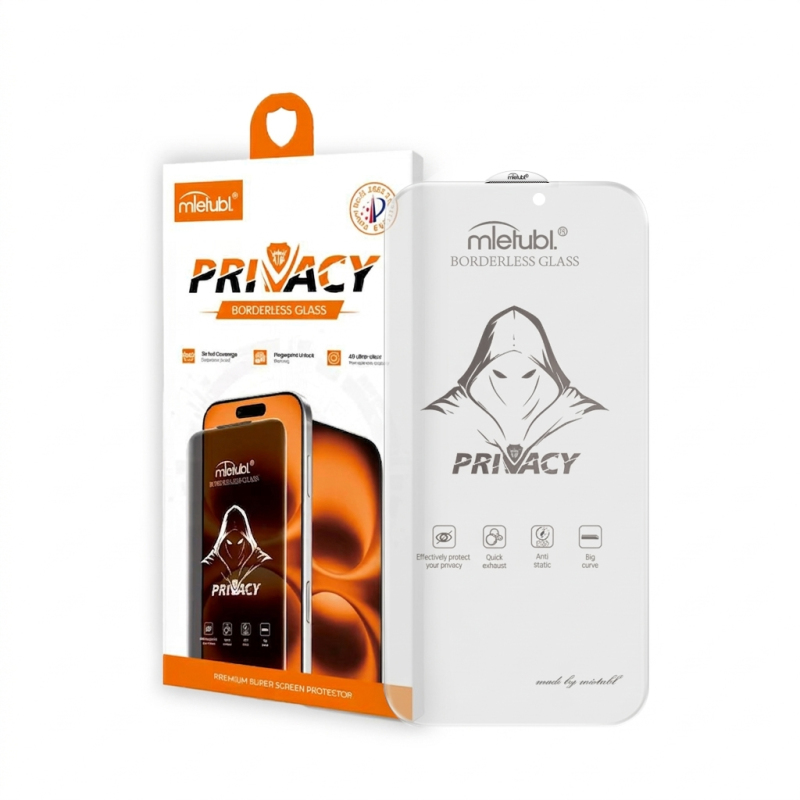
The application method and inventory plan are connected. Each finished protector must match the intended phone model, so an installation error can consume stock that cannot be reassigned easily. The Borderless Privacy Screen Protector supports OEM/ODM customization of branding, packaging, and product specifications, as well as small-batch orders. Buyers can use that option to plan replenishment without treating every device model equally.
Key decision criteria:
- Keep finished units for models with repeatable sales or service demand.
- Use confirmed small-batch production for uncertain or fragmented model demand.
- Define one installation SOP before expanding the model list.
- Confirm the exact phone model and protector specification before opening stock.
Standardize Installation Across Model-Specific Finished Stock
A detailed application routine should reduce avoidable handling differences between employees, stores, or distribution customers. The following sequence is a recommended operating procedure based on the product structure:
- Verify the model. Match the phone and protector specification before removing the product from its transparent 1:1 backing plate. Do not rely only on visual similarity between devices.
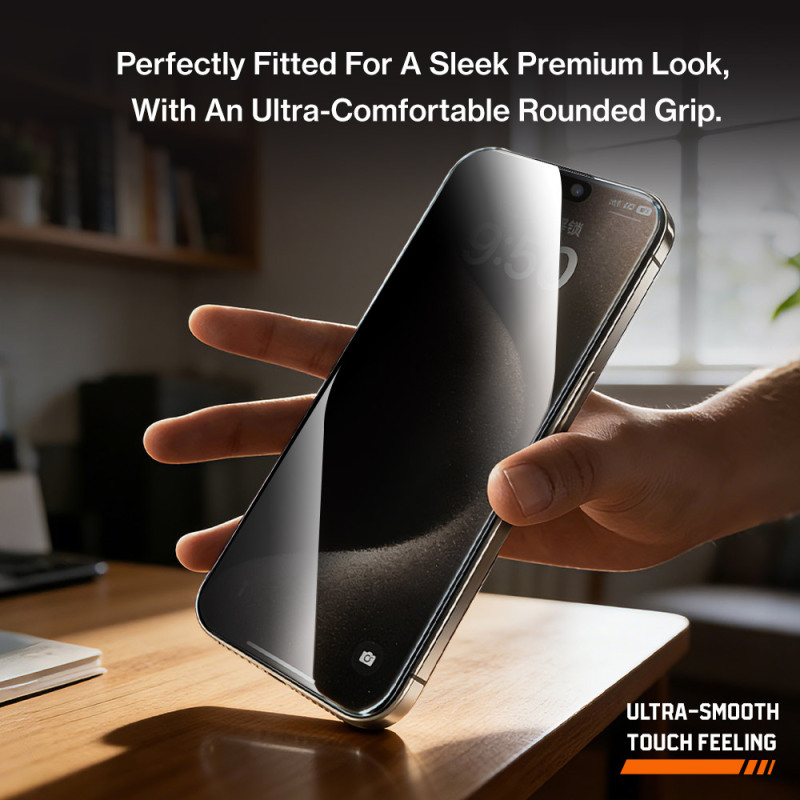
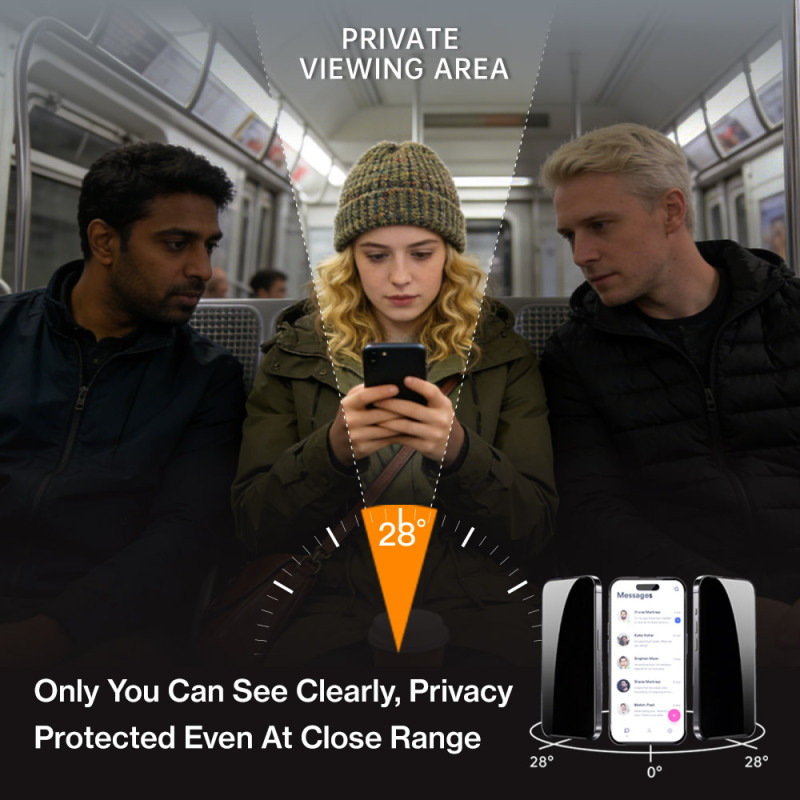
- Check orientation. Confirm the top, bottom, and viewing direction. The micro-louver privacy layer is intended to keep the display clear from the front while obscuring content from side angles.
- Use the backing for controlled alignment. Position the protector over the display before committing the adhesive surface. Check that the borderless profile follows the visible screen area evenly.
- Lower the glass gradually. Avoid dropping the entire adhesive surface onto the display at once. Controlled placement gives the installer more opportunity to maintain alignment.
- Guide air toward the edge. The anti-static AB adhesive is designed for one-pass air release toward the perimeter. Apply consistent pressure rather than repeatedly lifting and replacing the protector.
- Inspect the finished installation. Check the perimeter, front viewing clarity, side privacy effect, touch response, and the transition around the polished curved edge.
Reduce Stock Loss Through Installation Controls
The transparent borderless construction removes the heavy black-edge appearance associated with some privacy protectors, but it also makes precise placement important. A visibly uneven edge may be easier for the customer to notice. Retailers should therefore approve a sample installation for each newly stocked phone model before distributing the full batch across locations.
The 2.5D polished curved edge is intended to create a smooth transition with the phone screen. Installers should inspect that transition rather than judging success only by whether the center has adhered. A store may also record recurring alignment or edge issues by device model to guide future purchasing decisions.
Use On-Demand Production to Narrow SKU Exposure
On-demand production should mean ordering confirmed model specifications when demand appears, not modifying finished privacy glass without validation. The approved product information supports OEM/ODM specifications and small-batch orders, but it does not state that the finished glass protector can be recut after manufacture.
A practical portfolio may combine two approaches: finished stock for consistently requested models and planned production for long-tail models, custom branding, or market-specific packaging. Buyers should confirm the required model list, packaging artwork, production terms, and replenishment timing before deciding how much inventory to decentralize across stores or warehouses.
Common Questions About Installation and Inventory
Can a finished privacy glass protector be cut for another phone?
That capability is not stated for this product. Treat each finished protector as model-specific unless the supplier validates an alternative process and material.
How should installers reduce trapped air?
Align before full contact, lower the glass in a controlled manner, and guide air consistently toward the edge. Repeated lifting should be avoided where possible.
Which models should be held as finished stock?
Retailers may prioritize models with stable, recorded demand. Lower-volume models can be assigned to confirmed small-batch replenishment when the expected response time fits the sales plan.
Conclusion
Use a standardized installation tutorial to protect sellable stock, but let model-level demand determine procurement: hold finished privacy protectors for proven devices and use validated small-batch production for the uncertain tail.
About Mietubl
Mietubl is a Guangzhou-based mobile accessories brand whose name reflects its guiding idea: Make It Easier To Use, Better Life. With roots in the mobile accessories industry dating to 1998 and the MIETUBL brand registered in 2010, the company focuses on products that make everyday digital use simpler and more practical.
Its portfolio includes screen protectors, intelligent screen protector cutting machines, film materials, data cables, chargers, power banks, and audio accessories. By combining design, product development, manufacturing, and channel support, Mietubl works with distributors and retailers serving a broad range of mobile accessory needs, with products exported to more than 120 countries and regions.
For product information, samples, or distribution opportunities, contact Marketing@mietubl.com or visit www.mietubl.com.
Was this article helpful?
Your feedback helps us improve future articles.