
Buyers should validate the MTB-CUT M888 through representative end-to-end samples before approving its same-path print-and-cut workflow. The machine combines printing and cutting, but procurement risk depends on whether actual media feeds consistently, printed graphics meet expectations, and contour cuts remain acceptable across the intended products. A supplier demonstration is useful only when it reproduces the buyer’s materials, files, and finished-output requirements.
What Should Be Confirmed Before Approval?
- Material fit: Test the actual films, photo media, label stock, or card material planned for sale rather than relying on a generic demonstration sheet.
- Representative artwork: Include fine details, solid colors, curved outlines, and irregular shapes that reflect real customer orders.
- Output acceptance: Define acceptable print appearance, contour position, edge quality, and repeatability before testing begins.
- Workflow value: Confirm that integrated printing and cutting genuinely removes handling steps in the buyer’s operating environment.
This approach turns a product sample into a procurement control. It also helps distributors separate machine capability from media-dependent results that may change with coatings, thickness, surface finish, or artwork complexity.
Validate Material Compatibility with Representative Media
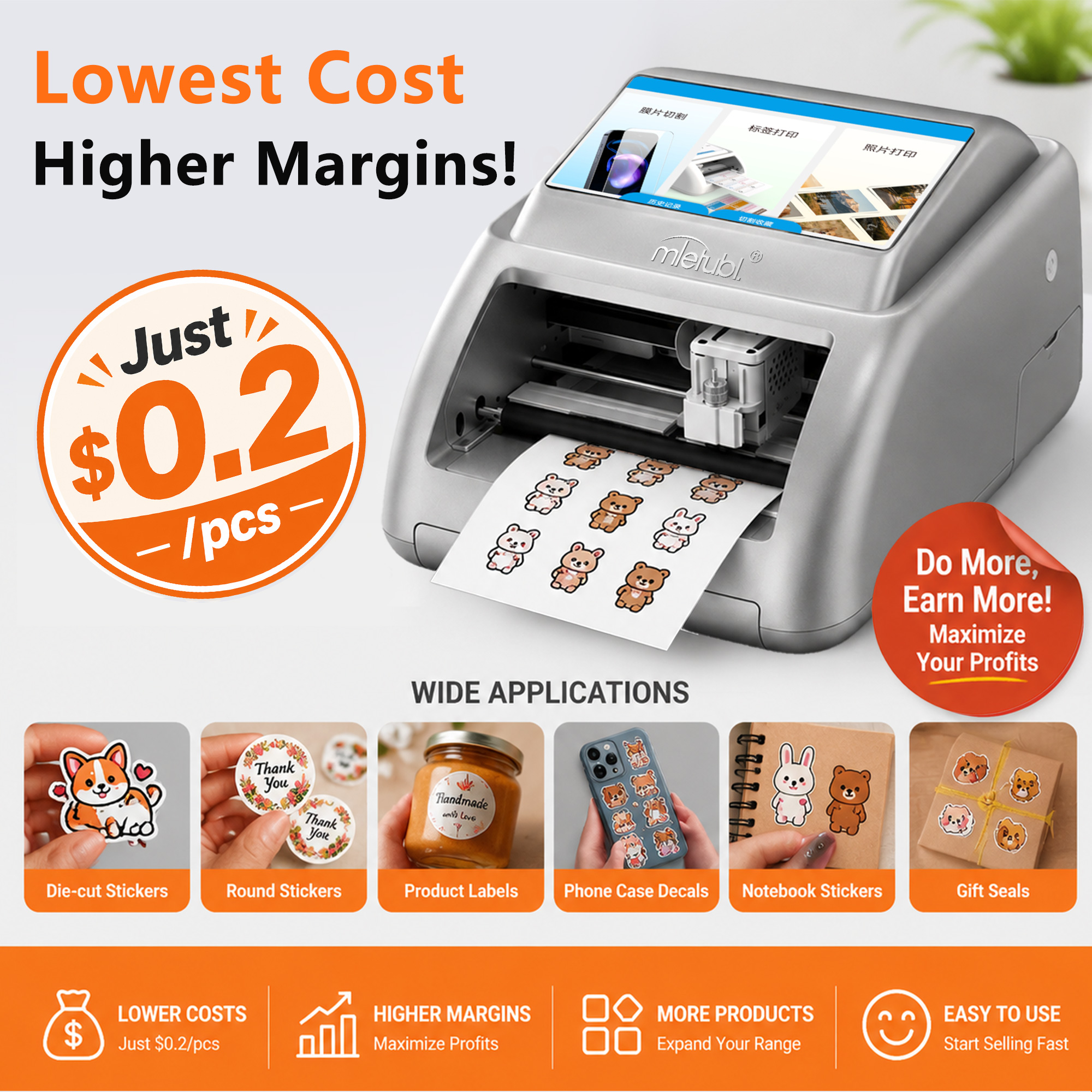
The M888 is presented for phone back films, protective films, photos, labels, greeting cards, and other printed products. This range provides a useful starting point, but it should not be treated as automatic approval for every material sold under those categories.
For each planned SKU, buyers should provide the intended media or request confirmation that the tested sample matches it. Record the material name, supplier, surface finish, and production side. If several media variants will be stocked, test each commercially important variant because apparently similar materials may behave differently during feeding, printing, or cutting.
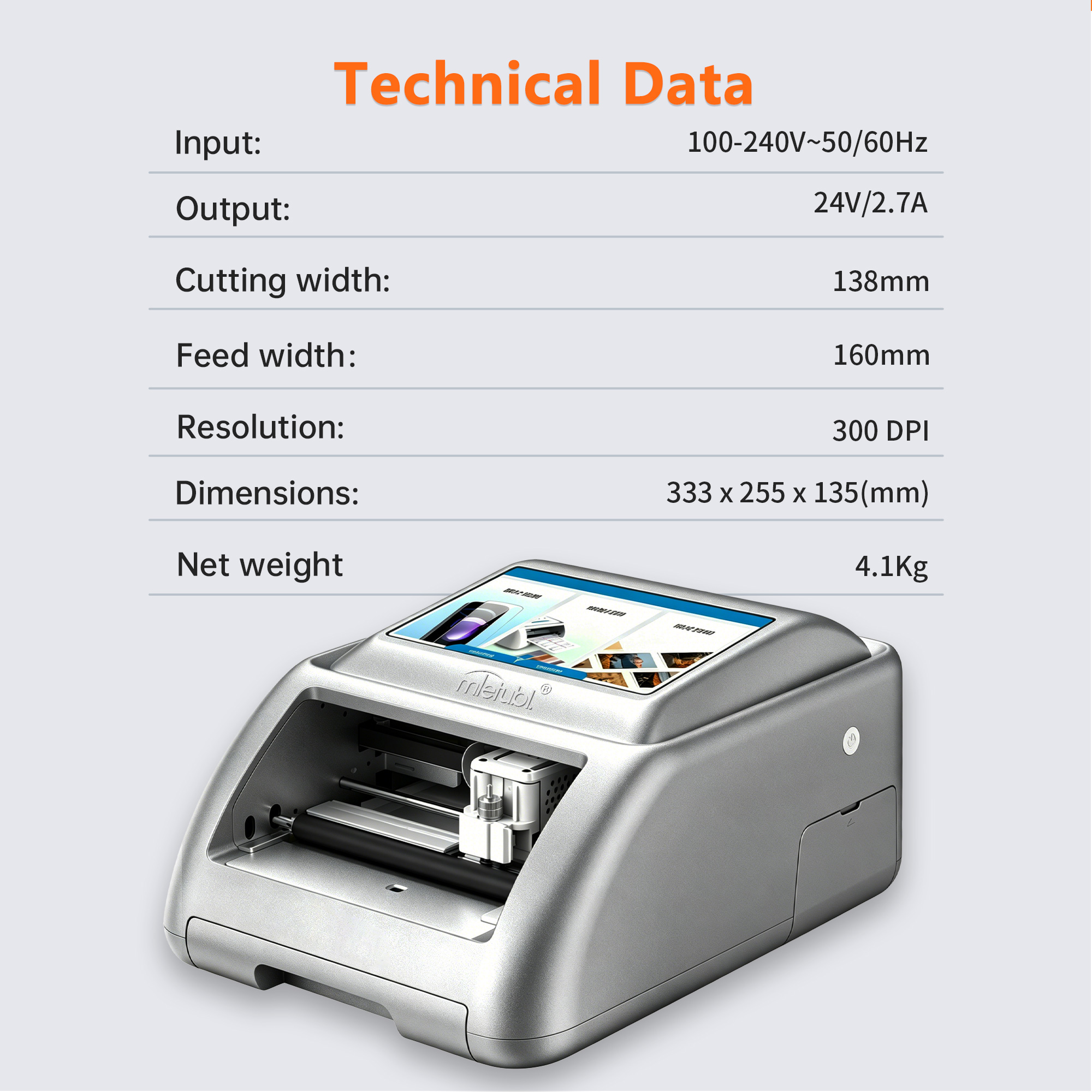
Physical dimensions must also fit the machine’s working format. The approved specifications state a 160 mm feed width, 138 mm cutting width, and a 100 × 148 mm paper size. Sample files should stay within the relevant working area rather than being reduced solely to complete a demonstration.
Build a Sample Test Around Real Orders
A useful validation set should represent normal work and difficult work. For example, include a standard rectangular label, a phone back-film design, and an irregular sticker with narrow curves or small internal details. The M888 supports image uploads, built-in templates, AI background removal, and AI-generated design functions, but output approval should focus on the final sellable item rather than the method used to prepare it.
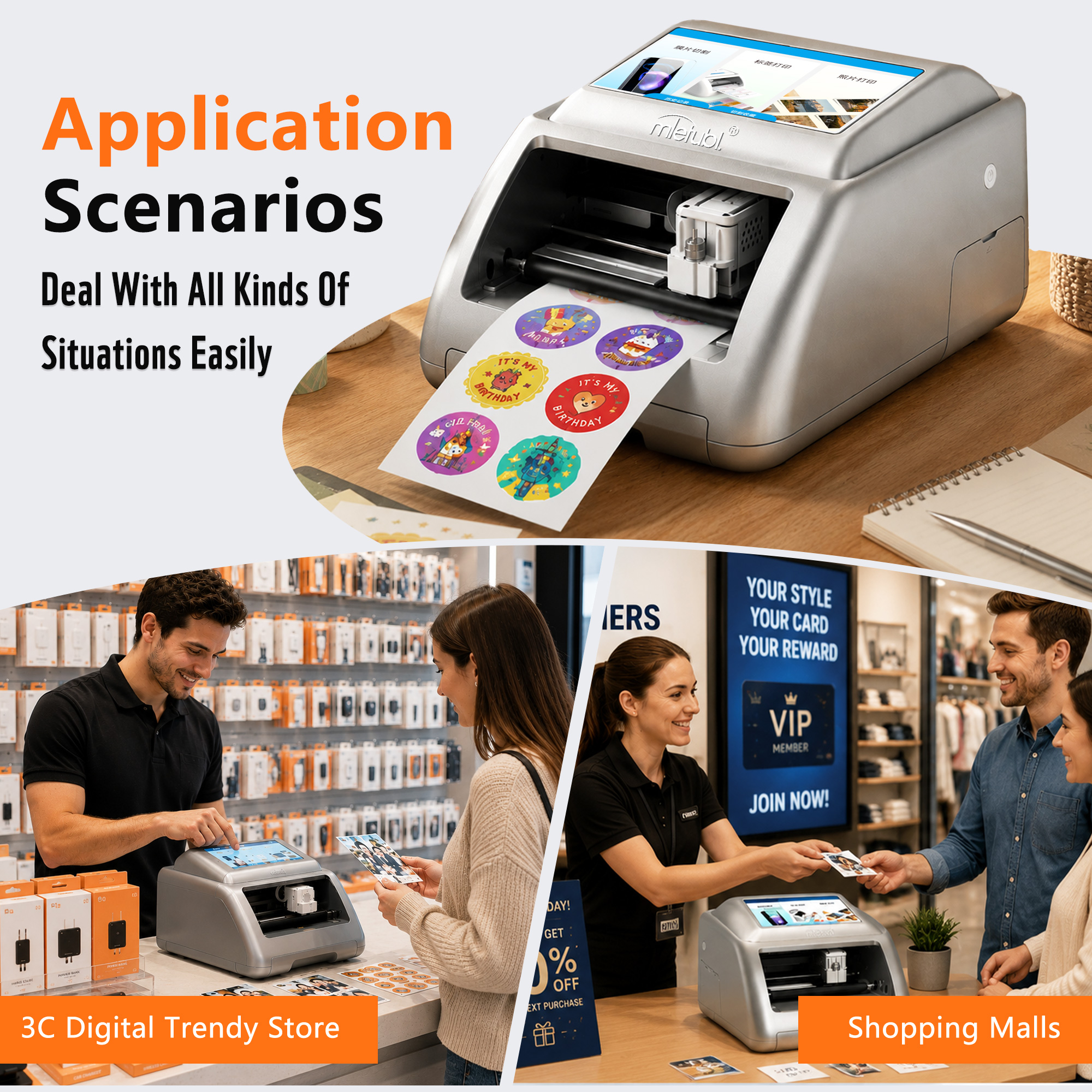
Run the complete sequence without replacing the buyer’s file with simplified supplier artwork. Check whether the design is printed, located, and contour-cut through the intended integrated process. Because the approved selling points describe approximately 0.1 mm contour-cutting precision, buyers should define how much visible offset is acceptable for their own artwork instead of treating that figure as a universal finished-product tolerance.
Testing several copies is preferable to approving a single best result. Samples from the beginning, middle, and end of a short run can reveal whether the output remains commercially acceptable without assuming long-run performance.
Set Output Acceptance Rules Before Testing
The M888 has a stated print resolution of 300 DPI and uses thermal-sublimation printing. Its approved selling points describe detailed color output that is water-resistant and less prone to fading. These characteristics should still be checked on the selected media because finished appearance and handling performance can depend on the material combination.
A practical acceptance checklist may include:
- Text, logos, and fine image details remain clear at the intended viewing distance.
- Color appearance is acceptable against an approved reference or buyer-provided target.
- The cut follows the required contour without unacceptable exposed borders or image loss.
- Edges are suitable for packing, application, and resale.
- The finished sample withstands the handling conditions relevant to the product category.
Photographs can document appearance, but physical samples are better for judging surfaces, edges, flexibility, and application behavior. Both parties should retain the approved file and sample description for later order verification.
Common Questions About M888 Sample Validation
Can one successful sample confirm all material compatibility?
No. One sample confirms only the tested combination of media, artwork, settings, and process conditions. Buyers carrying several material types should validate the commercially important variants separately.
Should buyers test the machine’s easiest or hardest artwork?
Use both. A routine design confirms everyday production fit, while curves, fine details, and irregular contours help expose alignment or finishing risks before purchase.
What should be included in an output acceptance record?
Record the media identity, artwork version, finished dimensions, visual criteria, contour expectations, number of samples reviewed, and an approved physical or photographic reference.
Conclusion
The MTB-CUT M888 may be a suitable integrated print-and-cut choice when representative samples prove compatibility with the buyer’s real media and SKU mix. Approval should follow documented output criteria and repeat testing, not a generic demonstration or an isolated best sample.
About Mietubl
Mietubl is a Guangzhou-based mobile accessories brand whose name reflects its guiding idea: Make It Easier To Use, Better Life. With roots in the mobile accessories industry dating to 1998 and the MIETUBL brand registered in 2010, the company focuses on products that make everyday digital use simpler and more practical.
Its portfolio includes screen protectors, intelligent screen protector cutting machines, film materials, data cables, chargers, power banks, and audio accessories. By combining design, product development, manufacturing, and channel support, Mietubl works with distributors and retailers serving a broad range of mobile accessory needs, with products exported to more than 120 countries and regions.
For product information, samples, or distribution opportunities, contact Marketing@mietubl.com or visit www.mietubl.com.
Was this article helpful?
Your feedback helps us improve future articles.