
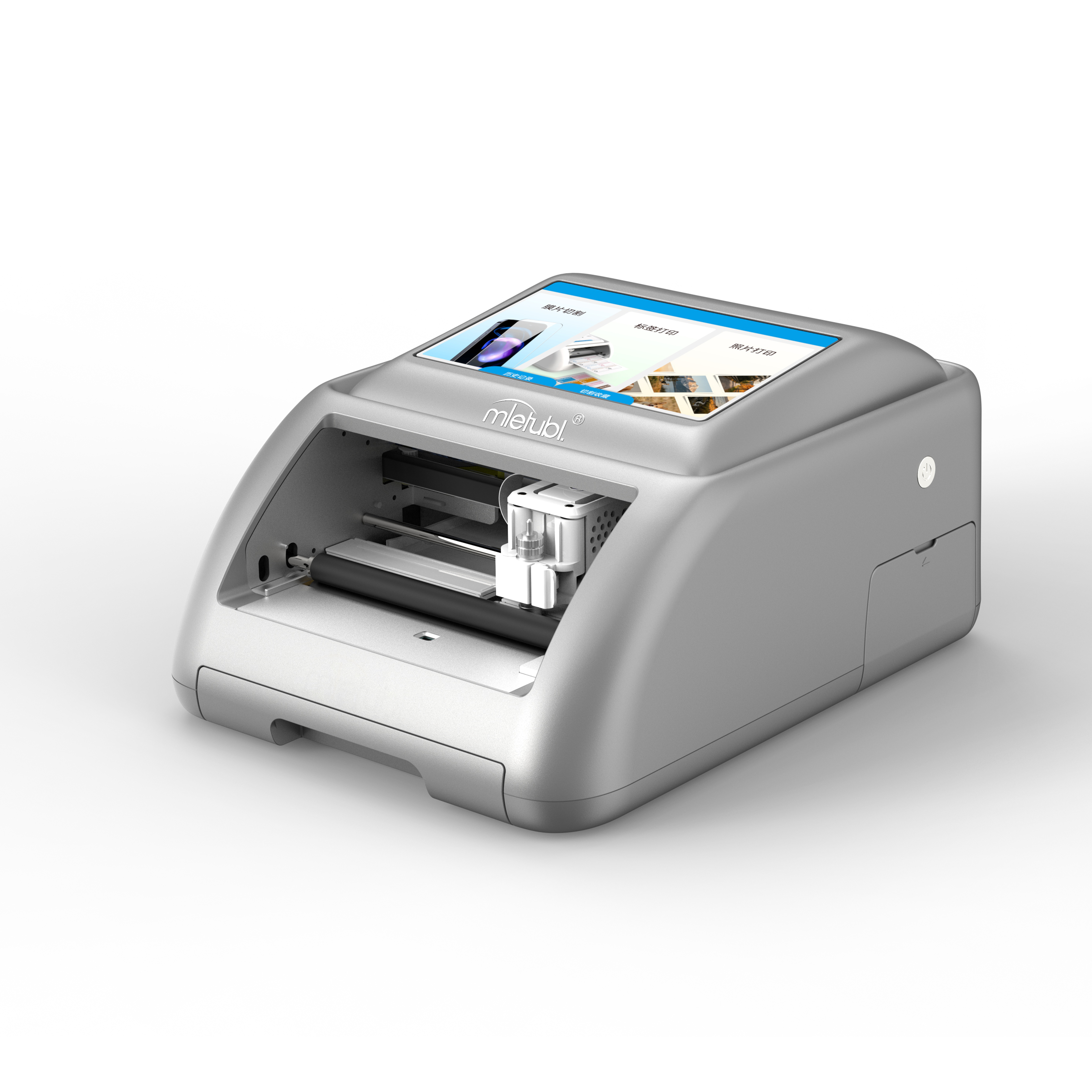
The MTB-CUT M888 should be approved only after a sample-validation run using the buyer’s actual materials, designs, and acceptance criteria. The smart all-in-one cutting machine combines printing and cutting, but its listed applications do not automatically confirm compatibility with every film, coating, adhesive, or media supplier. A representative test should verify feeding, printed appearance, contour alignment, edge quality, and repeatability before a purchasing decision.
What Must the M888 Sample Prove Before Approval?
The central sourcing question is not simply whether the machine can produce a sample. Buyers need to establish whether it can produce an acceptable sample under conditions that reflect normal commercial use.
- Material fit: The intended media should feed, print, and cut without unacceptable shifting, marking, lifting, or deformation.
- Representative output: Test files should reflect the shapes, colors, details, and product formats expected in daily operation.
- Defined acceptance: Print appearance, contour position, edges, and finished dimensions should be judged against written criteria.
- Repeatability: Several outputs should be checked rather than accepting one successful piece.
This matters because the M888 integrates printing and cutting into one workflow. That can reduce equipment and operating steps, but buyers should validate the complete process rather than assess either function in isolation.
Validate Compatibility With Buyer-Supplied Materials
The M888 is presented for phone back films, protective films, photographs, labels, greeting cards, and other printed-and-cut products. These application categories are useful for initial screening, but they do not define every compatible substrate or coating.
For sample testing, buyers should send the same media planned for commercial production whenever possible. The test should consider whether the material feeds consistently through the specified 160 mm feed width and whether the intended design fits within the 138 mm cutting width. If the planned product depends on the listed 100 × 148 mm paper format, that size should also be included in the trial.
Material variations may affect feeding, image appearance, or edge behavior. Buyers using several media types should therefore request separate results for each important material rather than treating one sample as universal approval.
Use Representative Designs and Finishing Conditions
A useful validation file should challenge the functions the buyer expects to use. Simple rectangular artwork may not adequately test a machine selected for irregular stickers or detailed phone-film designs.
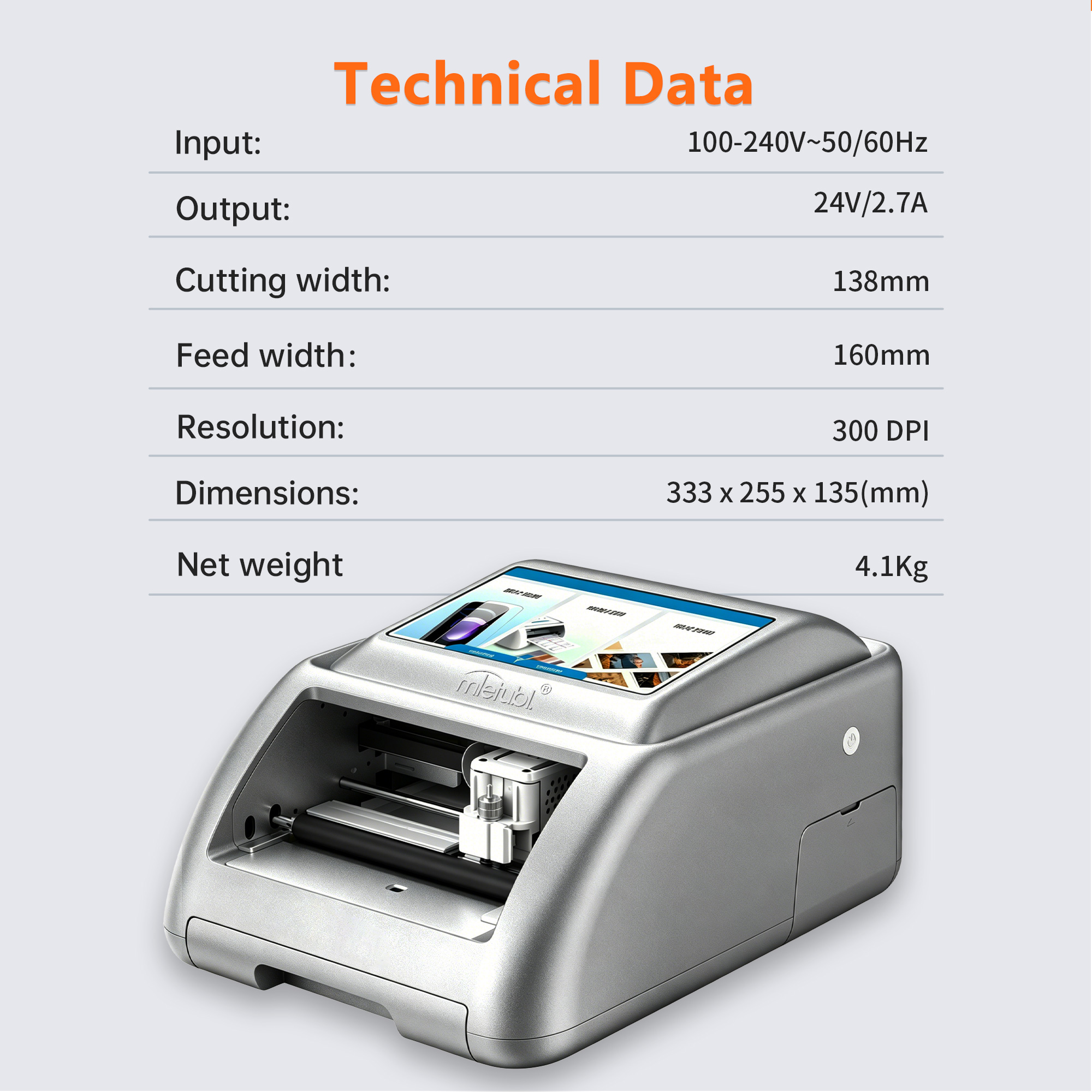
The M888 lists 300 DPI resolution and contour cutting accuracy of up to approximately 0.1 mm. These specifications can guide the test plan, but purchasing approval should be based on the physical output. Include curved outlines, corners, fine graphic details, text, and registration-dependent cuts where relevant. Inspect whether the printed design and cut path remain acceptably aligned throughout the sample.
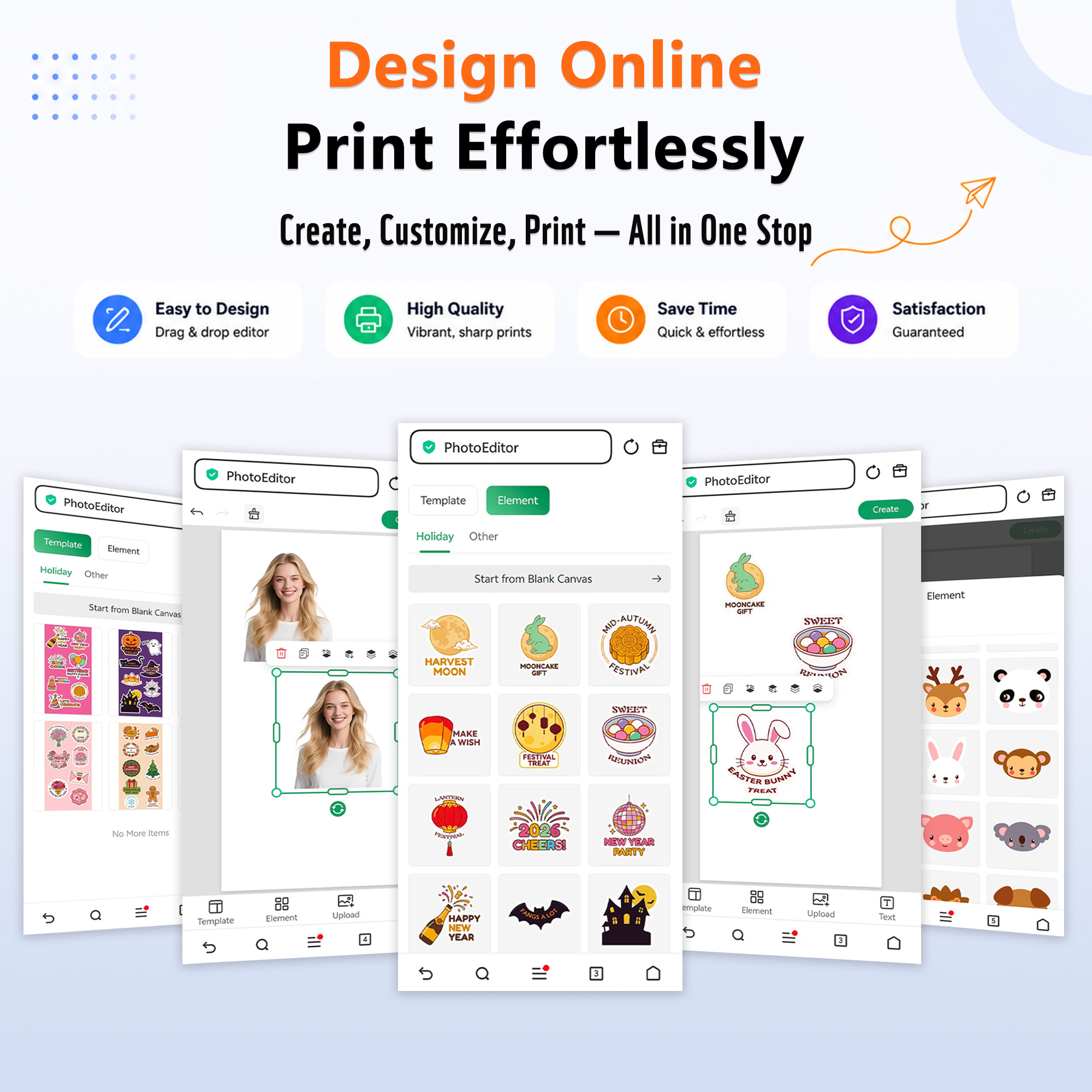
The machine also includes templates, image upload, AI background removal, and AI-assisted design generation. Buyers who expect staff to use these functions should include them in the sample workflow. This can reveal whether file preparation and operation are suitable for the intended store, studio, or other working environment.
Define Output Acceptance Before Testing
Acceptance criteria should be agreed before the sample is produced. Without a written standard, buyers and suppliers may evaluate the same output differently.
The checklist should cover color appearance, visible print defects, contour alignment, clean separation, edge condition, dimensions, and consistency across repeated outputs. If waterproof or fade-resistant output is important to the intended product, the buyer should specify an appropriate verification method and required result rather than relying only on a general product description.
Photographs or videos can support an initial review, but they may not show surface finish, edge feel, adhesion behavior, or subtle alignment differences. A physical sample is preferable when these characteristics affect resale acceptance.
Common Questions About M888 Sample Validation
Can a supplier-produced standard sample confirm compatibility?
It can demonstrate the basic workflow, but it cannot confirm compatibility with the buyer’s own media. Final validation should use the intended production material or a clearly identified equivalent.
Is one successful output enough for approval?
No. Buyers should request repeated outputs and compare them for alignment, edge quality, dimensions, and visible print consistency. The appropriate quantity should reflect the buyer’s risk level and application.
Should buyers test every planned product format?
Priority formats should be tested, especially when they differ in material, shape, artwork complexity, or finishing expectations. Similar low-risk formats may be grouped only after compatibility is established.
Conclusion
The MTB-CUT M888 may be a suitable print-and-cut option when a buyer needs multiple output types from a compact integrated workflow. The procurement decision should remain conditional until representative materials and files produce repeatable results that meet documented acceptance criteria. Approve the machine based on verified finished output, not specifications or a single demonstration alone.
About Mietubl
Mietubl is a Guangzhou-based mobile accessories brand whose name reflects its guiding idea: Make It Easier To Use, Better Life. With roots in the mobile accessories industry dating to 1998 and the MIETUBL brand registered in 2010, the company focuses on products that make everyday digital use simpler and more practical.
Its portfolio includes screen protectors, intelligent screen protector cutting machines, film materials, data cables, chargers, power banks, and audio accessories. By combining design, product development, manufacturing, and channel support, Mietubl works with distributors and retailers serving a broad range of mobile accessory needs, with products exported to more than 120 countries and regions.
For product information, samples, or distribution opportunities, contact Marketing@mietubl.com or visit www.mietubl.com.
Was this article helpful?
Your feedback helps us improve future articles.