
Buyers should validate film for the MTB-CUT M688 as a machine-and-material combination, not approve it from a supplier label alone. The lowest-risk decision is to test representative production samples through cutting, application, and, when relevant, UV curing. Approval should depend on repeatable processing and finished-output acceptance rather than a single visually successful demonstration.
Approve the Machine-Film Pair, Not the Film Alone
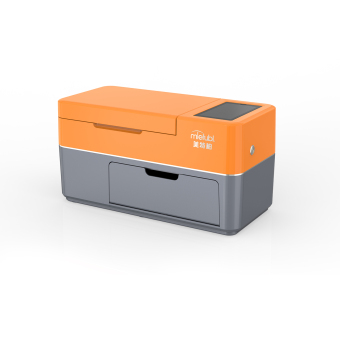
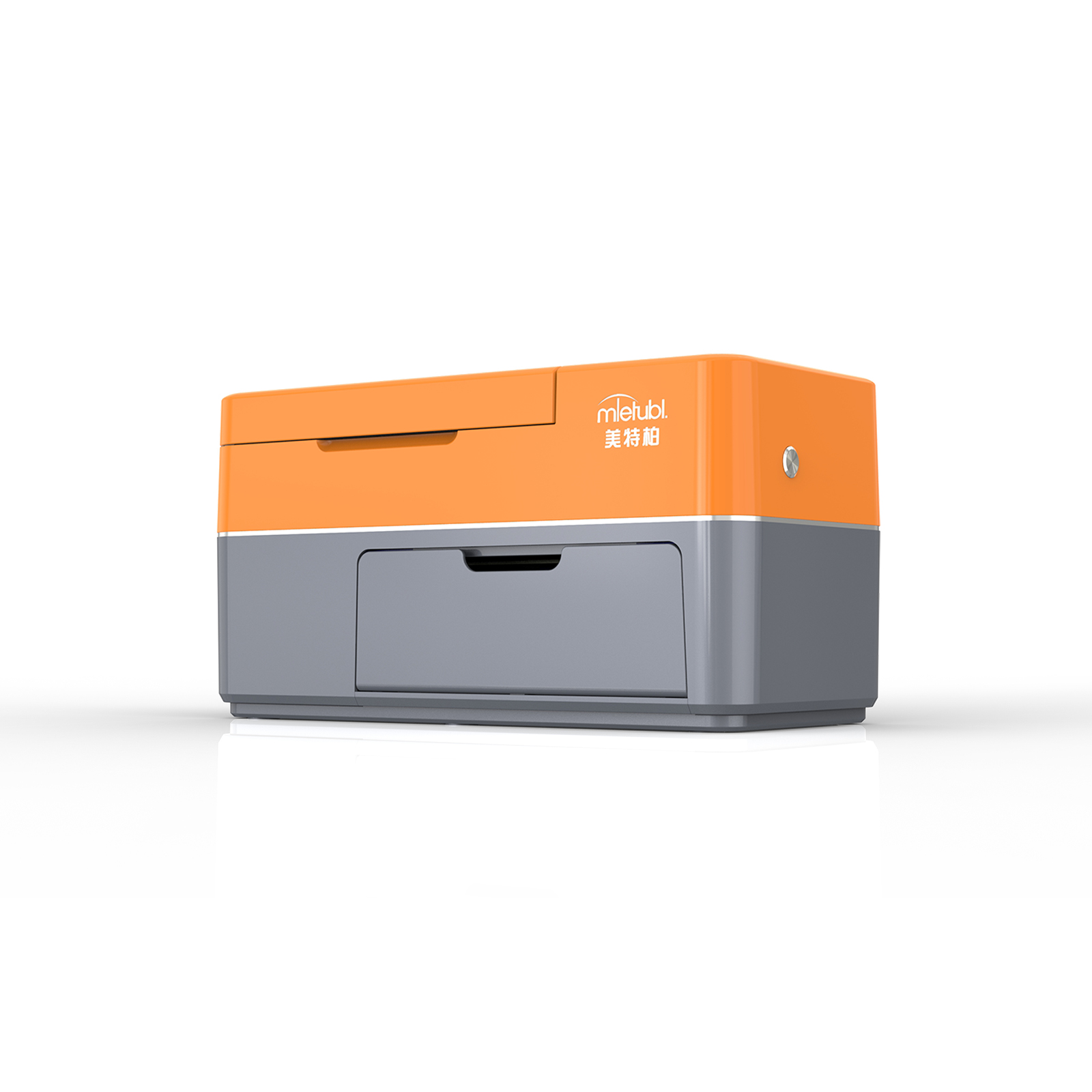
The M688 combines film cutting, application, and UV curing in one system. That integrated workflow makes compatibility broader than whether a sheet can simply be cut. The sample must also feed correctly, remain stable during handling, transfer through the application stage, and complete any required curing step without creating an unacceptable finished result.
Key validation decisions include:
- Test material from the intended production construction, not a substitute sample.
- Include representative device sizes and difficult shapes in the trial.
- Run the complete intended process instead of testing cutting alone.
- Define measurable acceptance criteria before reviewing the output.
- Retain approved samples as references for later deliveries.
Build a Representative Sample Test for M688 Film
A useful trial should reflect the actual film that will be purchased, including its substrate, adhesive or backing construction, surface treatment, and supplied dimensions. If a procurement program includes several film variants, buyers should test each materially different variant rather than assuming one result applies to the entire range.
Sample dimensions also matter. The M688 supports a maximum cutting size of 14.6 inches, with a maximum material width of 235 mm and maximum cutting width of 213 mm. Buyers should therefore include samples near their intended upper size as well as common smaller formats. A material that performs on a small phone pattern may still require separate verification for larger tablet-sized work.
The test set should also include multiple sheets from the proposed supply batch. This helps distinguish a repeatable process from an isolated good result and gives the buyer a more useful basis for approving the material.
Check Material Compatibility Across the Full Process
Start by observing loading and feeding. The film should enter consistently, stay aligned, and avoid shifting, curling, or interfering with the cutter's normal handling. Buyers should record the exact material orientation and setup used so the test can be repeated.
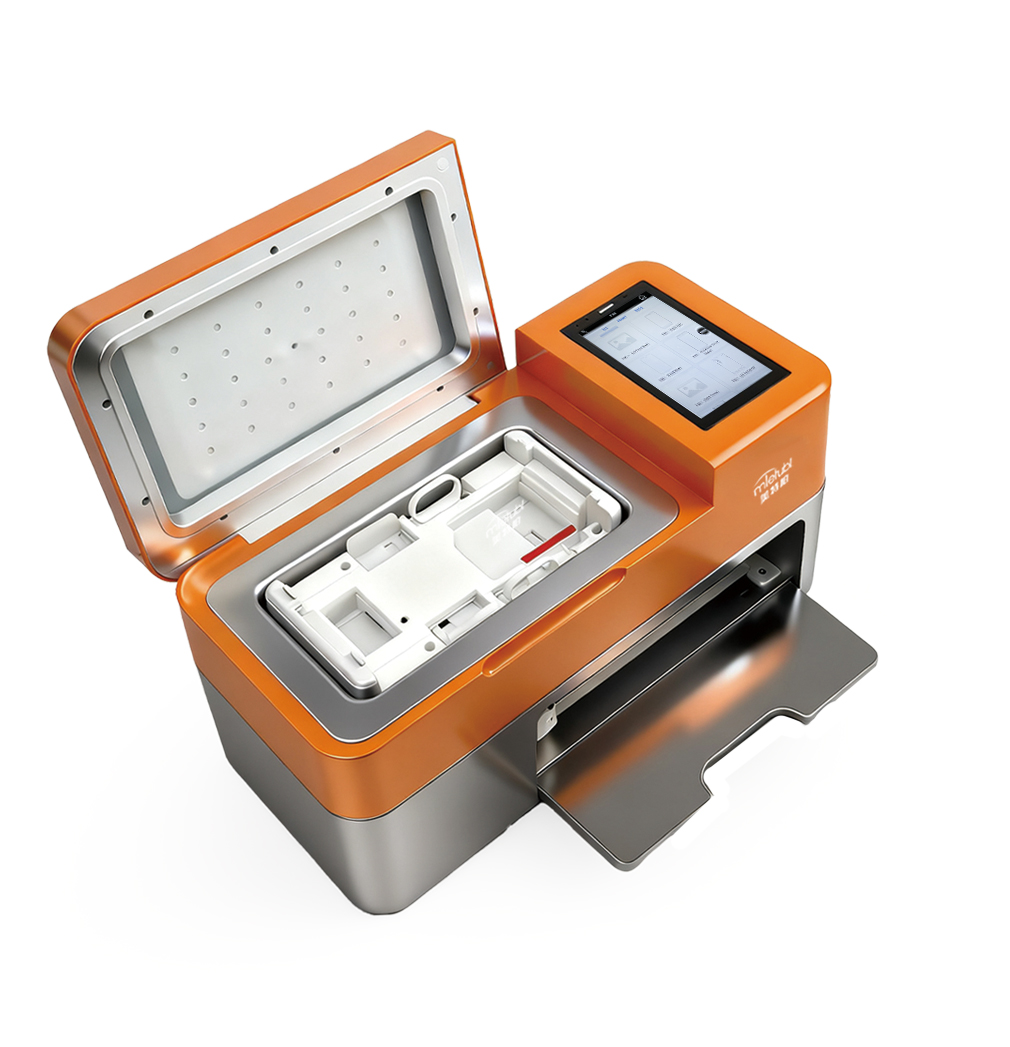
Next, inspect cutting behavior. The M688 lists cutting accuracy of 0.1 mm, but procurement acceptance should be based on the finished sample under the buyer's intended material and pattern conditions. Check whether outlines, openings, corners, and narrow sections separate cleanly without tearing, lifting, or unwanted marks on the usable layer.
Application must be evaluated independently from cutting. A clean cut does not establish that the film will transfer and apply acceptably. Buyers should examine positioning, edge behavior, release from the backing, and the appearance of the installed film on representative devices.
For materials intended to use the integrated curing function, the sample plan should include the M688's built-in 395 nm UV curing stage. Compatibility with that stage should be confirmed on the actual proposed film; it should not be inferred from the presence of a UV system alone.
Set Output Acceptance Before Approving Samples
Acceptance standards should be written before the trial to prevent subjective approval. The exact limits will depend on the buyer's product category and customer expectations, but the review should cover both process stability and finished appearance.
- Cut completeness: intended outlines and openings are fully formed and easy to separate.
- Dimensional fit: the installed sample aligns with the selected device pattern and does not obstruct required areas.
- Edge condition: corners and narrow features remain intact after cutting and application.
- Surface result: the finished film meets the buyer's agreed visual standard after the complete process.
- Repeatability: multiple samples produce comparable acceptable results under the recorded settings.
Buyers should document the film identification, batch reference, test patterns, machine settings, operator steps, rejected results, and approved samples. These records can become the practical receiving benchmark for subsequent orders.
Common Questions About M688 Film Validation
Can a film be approved after one successful cut?
No. One cut does not verify feeding, application, optional curing, or repeatability. Approval should follow multiple representative runs through the intended workflow.
Should every film construction be tested separately?
Yes, when the substrate, backing, adhesive structure, surface treatment, or dimensions differ materially. Buyers should not extend approval to an untested construction without confirmation.
What should buyers request with a pre-purchase sample?
Request material that represents planned production and identify its construction and batch. The buyer should also confirm whether the film is intended for the M688's full cut, apply, and UV-cure process or only selected stages.
Conclusion
Film for the MTB-CUT M688 should be purchased only after the proposed production material demonstrates repeatable compatibility with the buyer's actual device patterns and intended process. A documented representative-sample trial, followed by clear output acceptance, provides a stronger procurement decision than relying on a generic compatibility statement.
About Mietubl
Mietubl is a Guangzhou-based mobile accessories brand whose name reflects its guiding idea: Make It Easier To Use, Better Life. With roots in the mobile accessories industry dating to 1998 and the MIETUBL brand registered in 2010, the company focuses on products that make everyday digital use simpler and more practical.
Its portfolio includes screen protectors, intelligent screen protector cutting machines, film materials, data cables, chargers, power banks, and audio accessories. By combining design, product development, manufacturing, and channel support, Mietubl works with distributors and retailers serving a broad range of mobile accessory needs, with products exported to more than 120 countries and regions.
For product information, samples, or distribution opportunities, contact Marketing@mietubl.com or visit www.mietubl.com.
Was this article helpful?
Your feedback helps us improve future articles.