
Buyers should validate back film for the MTB-CUT M888 with representative production samples before approving the material or placing a broader order. The machine combines printing and cutting and is positioned for phone back film, but the supplied data does not identify compatible film chemistries or coating requirements. Approval should therefore depend on tests using the exact film, artwork, and finishing conditions intended for sale.
What Must the Sample Validation Decision Confirm?
The central question is not simply whether the M888 can process a sheet. A useful sample must show that the selected back film moves through the workflow reliably and produces a commercially acceptable result after printing, contour cutting, handling, and application.
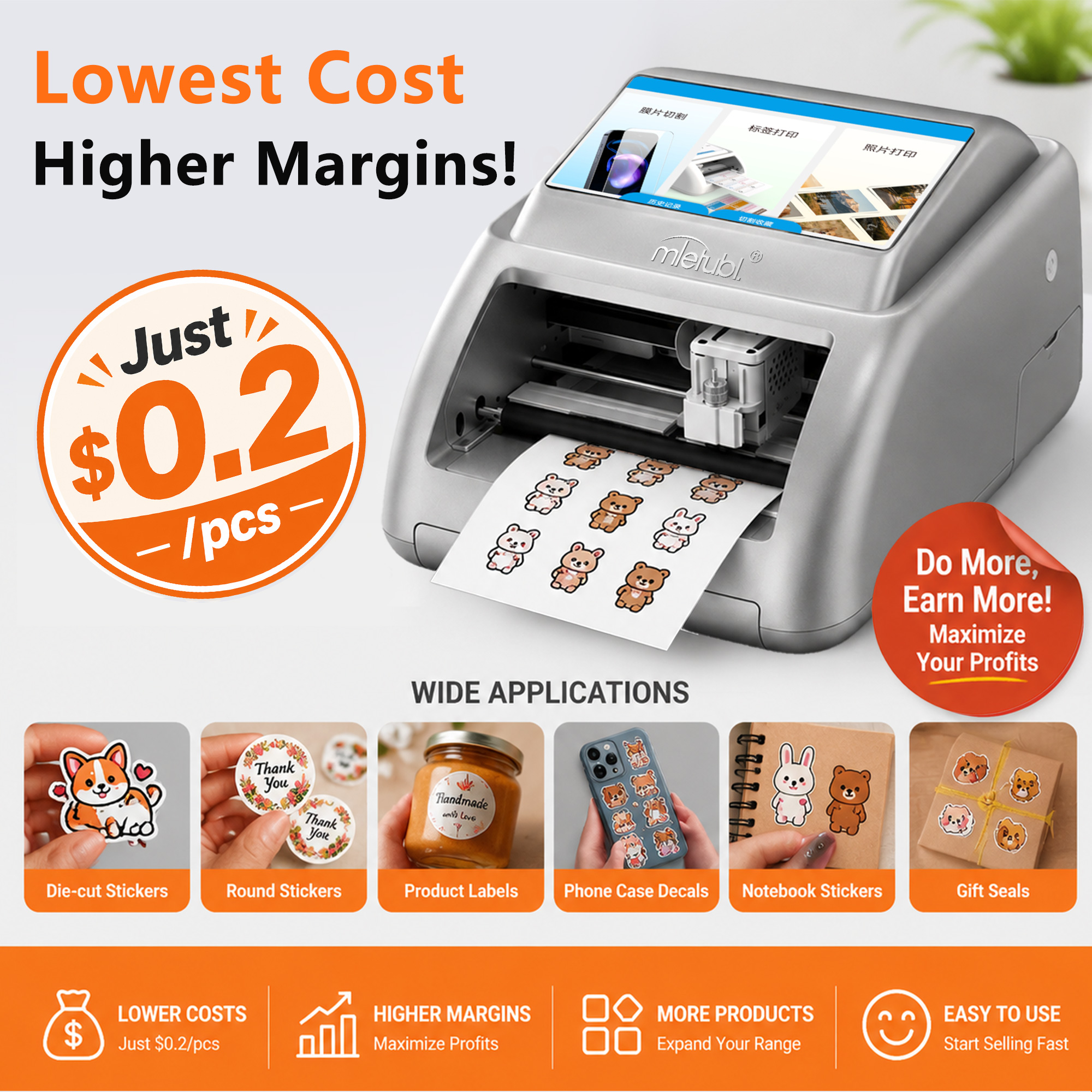
- Material fit: Confirm that the actual coated film feeds consistently without shifting, curling, or surface damage.
- Print acceptance: Check adhesion, color appearance, detail, and resistance to normal handling.
- Cut acceptance: Inspect contour alignment, corners, narrow features, and release from the backing.
- Finished-product acceptance: Evaluate the sample under the same application and packaging conditions planned for customers.
The machine uses an integrated print-and-cut workflow, which can reduce separate equipment and operating steps. That benefit is meaningful only when the chosen film passes the complete process rather than one isolated operation.
Which Back Film Materials Require Compatibility Checks?
The approved product information lists phone back film and protective film among the M888’s supported product types. It does not specify substrate families, coating formulations, adhesive systems, surface treatments, or recommended suppliers. Buyers should not interpret the broad application statement as automatic approval for every printable back film.
Request samples from the same material batch or construction proposed for purchasing. If several finishes will be sold—such as clear, matte, glossy, textured, or specialty-coated versions—test each version separately. Differences in coating, thickness, liner stiffness, and surface energy may affect feeding, ink reception, drying behavior, or edge quality.
The stated paper size is 100 × 148 mm, with a 160 mm feed width and 138 mm cutting width. Buyers should use these dimensions to screen proposed sample formats before testing rather than assuming that every existing back-film sheet will fit.
How Should Representative Back Film Samples Be Tested?
A representative test should reproduce the intended commercial job. Use final or near-final artwork, realistic color coverage, detailed contours, small internal cuts where relevant, and the normal handling sequence. A plain rectangle with limited printing may confirm basic operation but may not reveal registration or edge problems.
- Condition and identify each film sample by supplier, finish, and batch.
- Print several designs covering light colors, dark colors, gradients, fine details, and solid areas.
- Cut shapes that resemble the intended phone back-film designs rather than generic test outlines.
- Inspect output immediately, then repeat checks after normal handling and application.
- Record machine settings and reject any sample that requires unexplained manual correction.
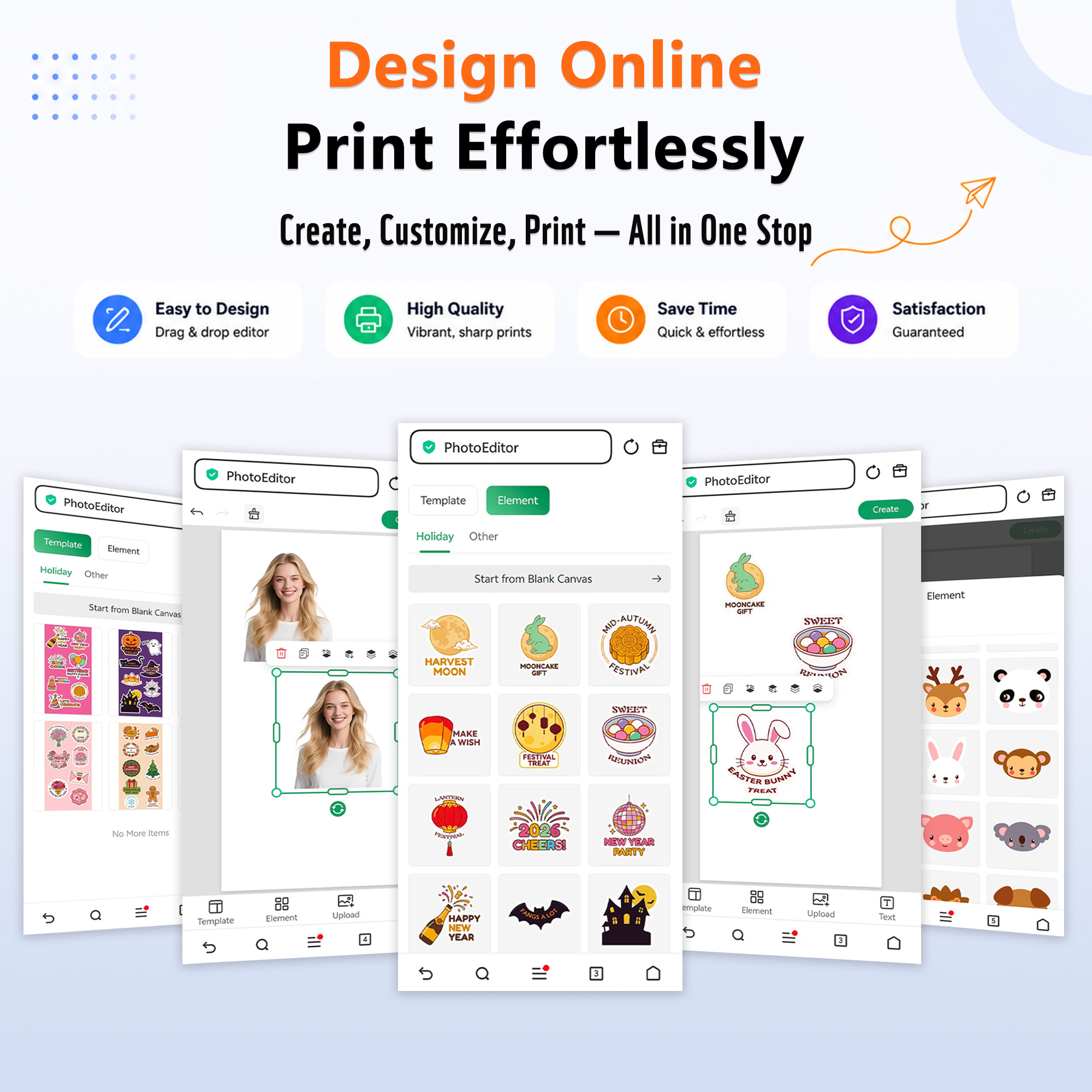
The M888 is positioned as using high-definition thermal-sublimation printing and offers built-in templates, image upload, AI background removal, and AI-assisted design generation. These features can support sample preparation, but buyers should still test their own production files because design tools do not establish material compatibility.
What Output Should Buyers Accept or Reject?
Create written acceptance limits before requesting samples. For printing, review color consistency, image sharpness, visible banding, smearing, transfer to handling surfaces, and adhesion at printed edges. Claims that output is waterproof and resistant to fading should be treated as characteristics to verify under the buyer’s intended exposure conditions, not as substitutes for sample testing.
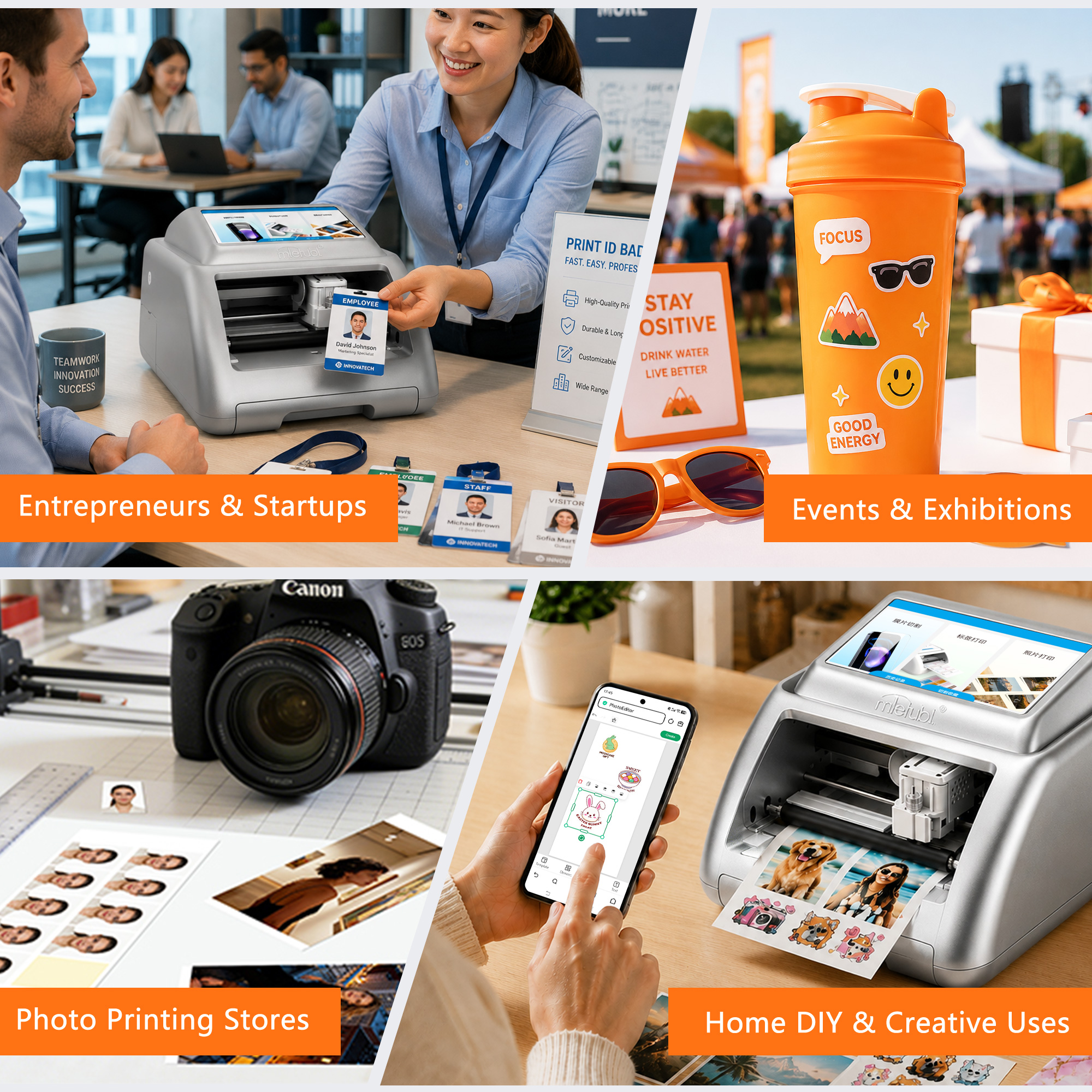
For cutting, inspect whether the contour follows the printed design, whether corners remain clean, and whether the film separates without tearing or lifting unwanted sections. The M888 is described as supporting contour cutting accuracy of up to approximately 0.1 mm, but acceptance should be based on measured finished samples produced with the selected material and design.
Buyers should also define cosmetic tolerances. A technically complete cut may still be unsuitable if borders look uneven, fine graphics lose clarity, or the applied back film does not meet the target retail presentation.
Common Questions About M888 Back Film Validation
Can any printable phone back film be used?
Compatibility cannot be assumed. The source identifies phone back film as an application but does not provide an approved material list, so each proposed film construction should be sampled.
Is one successful sheet enough for approval?
No. Buyers should test multiple sheets and representative designs to identify intermittent feeding, printing, registration, or cutting issues before accepting the output.
Should printing and cutting be evaluated separately?
They can be diagnosed separately, but final approval should cover the complete integrated workflow because acceptable printing does not guarantee acceptable contour cutting or application.
Conclusion
The MTB-CUT M888 may be a suitable platform for printed and contour-cut phone back film when the intended material passes a controlled sample trial. Buyers should approve the combination of film, artwork, settings, and finished output—not the machine or material in isolation—and retain the accepted sample as the reference for future production checks.
About Mietubl
Mietubl is a Guangzhou-based mobile accessories brand whose name reflects its guiding idea: Make It Easier To Use, Better Life. With roots in the mobile accessories industry dating to 1998 and the MIETUBL brand registered in 2010, the company focuses on products that make everyday digital use simpler and more practical.
Its portfolio includes screen protectors, intelligent screen protector cutting machines, film materials, data cables, chargers, power banks, and audio accessories. By combining design, product development, manufacturing, and channel support, Mietubl works with distributors and retailers serving a broad range of mobile accessory needs, with products exported to more than 120 countries and regions.
For product information, samples, or distribution opportunities, contact Marketing@mietubl.com or visit www.mietubl.com.
Was this article helpful?
Your feedback helps us improve future articles.