
Buyers should validate a tempered glass installation video against representative product samples and actual target phones before approving it for retail or installer use. The video must show the same glass, adhesive, border design, and backing configuration that will be supplied. For the Xuanjia Impact-Resistant Screen Protector, acceptance should depend on repeatable alignment, clean air release, edge fit, and an unobstructed finished display—not on a single ideal installation.
What Should Be Validated Before the Video Is Approved?
A useful tutorial is both an installation guide and a visual acceptance reference. It should help a new installer understand the process while giving procurement and quality teams enough evidence to judge whether the supplied protector works with the intended phone model.
- Match the commercial sample: Film the exact protector configuration intended for approval rather than a visually similar substitute.
- Use representative phones: Include target models with the actual screen, speaker, camera, and edge geometry.
- Show the complete application: Cleaning, alignment, placement, air release, and final inspection should remain visible.
- Define acceptable output: Review edge position, bubbles, white edges, display coverage, and handling feel.
- Repeat the test: More than one sample should be installed to reveal variation in fit or application behavior.
Confirm Material Compatibility With the Filmed Sample
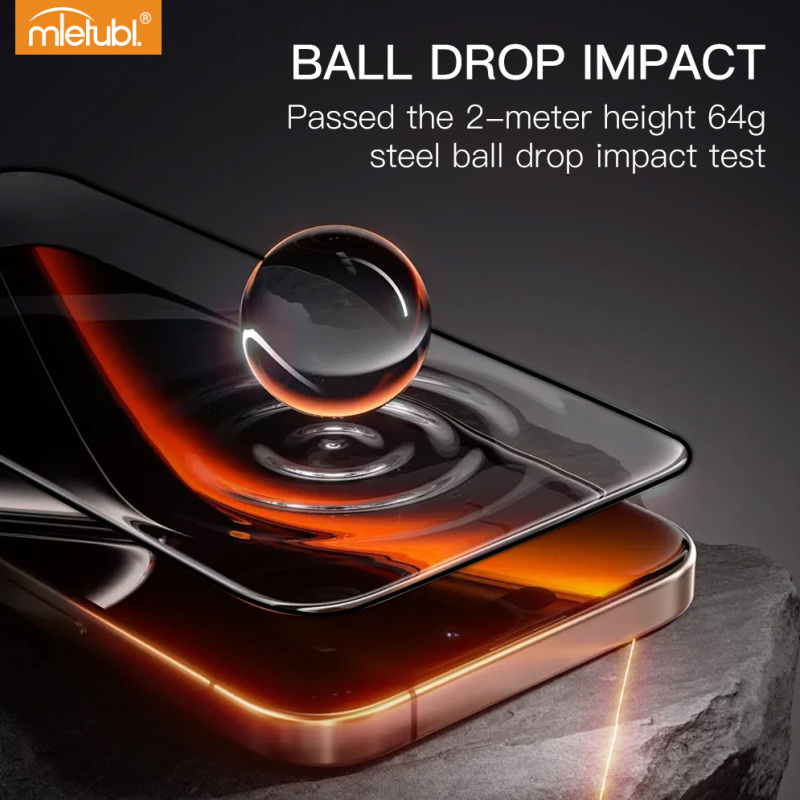
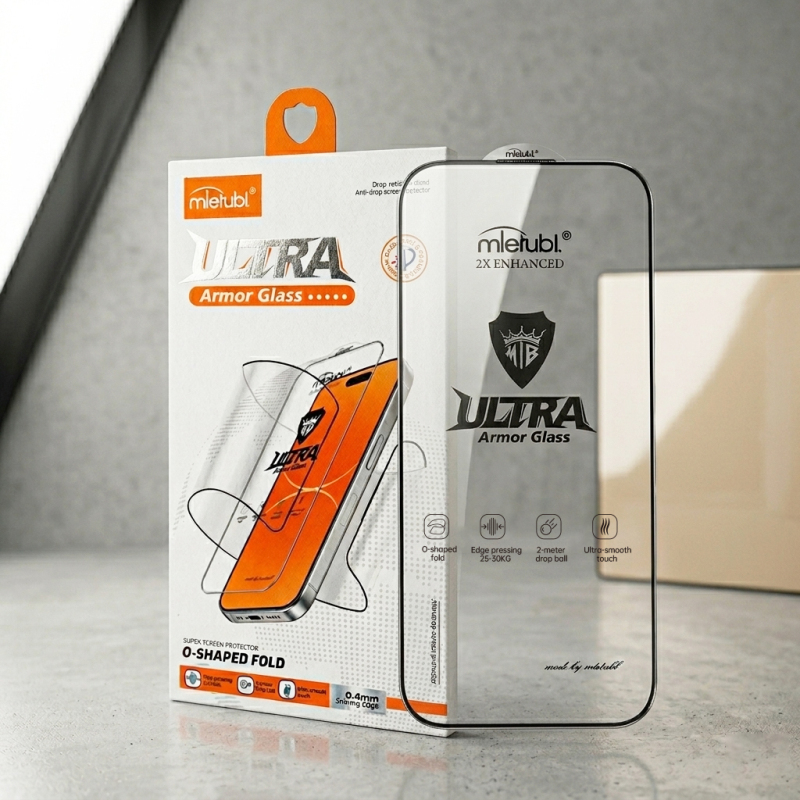
The approved product information describes more than one material configuration. One version uses 0.4 mm double-strength high-alumina glass, while another lists 0.25 mm high-alumina glass without a printed border. Adhesive options also differ, including 330/380 anti-static, anti-white-edge AB adhesive and a 150 μm AB adhesive configuration.
These differences matter because glass thickness, border construction, and adhesive selection can change alignment visibility and application behavior. Before recording, the buyer should lock the sample specification, model list, packaging label, and tutorial version together. If multiple configurations will be sold, each should be validated separately or clearly identified within the training material.
The protector also uses a 0.35 mm transparent backing plate. The video should therefore show how the backing is removed and how the installer controls the exposed adhesive surface without touching or contaminating it.
Run Representative Sample Tests on Real Handsets
The printed-border version is sized from physical phone testing, with the protector intended to approach the screen edge without creating white edges or unnecessarily covering the display. A representative test should consequently use genuine target handsets or approved dimensional equivalents rather than relying only on packaging model names.
For each priority phone model, install several samples under realistic working conditions. Keep the camera close enough to show the initial alignment reference, the moment the protector contacts the screen, and the direction of air release. Avoid cuts that hide repositioning, dust removal, edge lifting, or manual bubble correction.
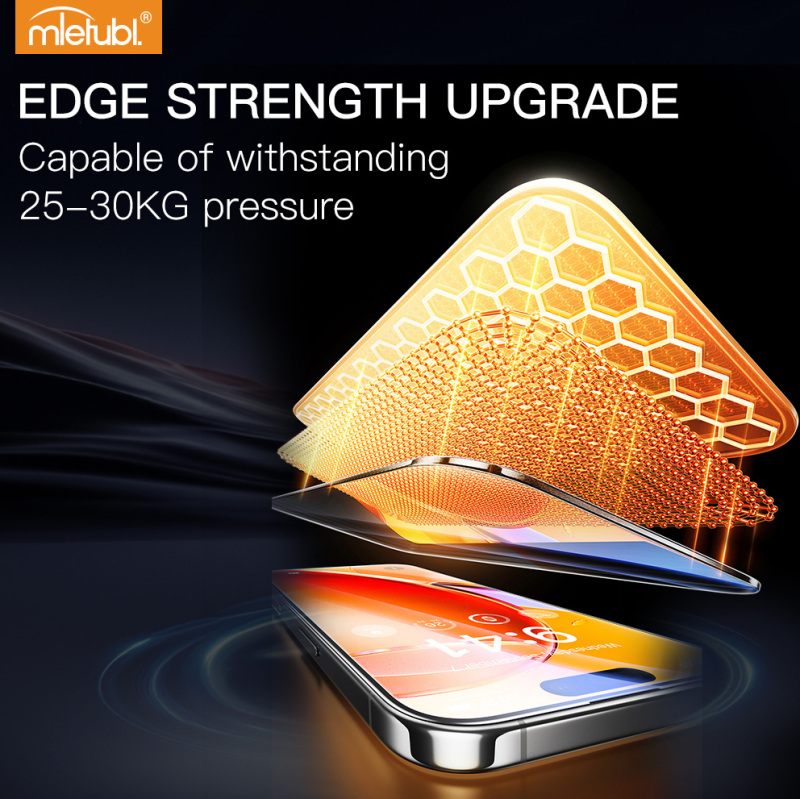
The product’s high-flexibility glass is intended to reduce breakage during transportation and installation. However, the tutorial should still demonstrate controlled handling. Excessive bending in a training video may encourage installers to treat flexibility as permission for careless application.
Set Clear Output Acceptance Criteria
The approved configuration states that its AB adhesive supports one-pass self-exhausting application without bubbles or white edges. Buyers should treat this as a result to verify on the selected phone models, not as a reason to skip sample inspection.
After installation, inspect the protector under normal room lighting and from several viewing angles. The accepted output should have consistent edge contact, no trapped dust in the viewing area, no persistent bubbles, and no visible white perimeter caused by poor fit or adhesion. The fine printed border should remain aligned with the phone and preserve the intended display area.
The video should finish with a functional check. Confirm that the visible screen area is not incorrectly covered, touch operation remains usable, and the protector sits evenly around relevant openings. Record any model-specific alignment method so distributors can use the same standard for training, demonstrations, and complaint assessment.
Common Questions
Is one successful installation enough to approve the tutorial?
No. A single installation can hide sample or operator variation. Buyers should repeat the process across several protectors and the main handset models they plan to sell.
Can one video cover both bordered and borderless versions?
Only if the differences are clearly identified and both outputs are demonstrated. Separate videos may reduce installer confusion when alignment references and display coverage differ.
What should happen if bubbles or white edges appear?
Pause approval and determine whether the cause is contamination, alignment, handset geometry, adhesive configuration, or sample variation. The tutorial should not edit out a problem that installers may encounter.
Conclusion
Approve a tempered glass installation video only when it reproduces the ordered material configuration and delivers consistent results on representative phones. A tutorial that documents real alignment, air release, and final inspection can become a practical acceptance tool for distributors, retailers, and installation teams.
About Mietubl
Mietubl is a Guangzhou-based mobile accessories brand whose name reflects its guiding idea: Make It Easier To Use, Better Life. With roots in the mobile accessories industry dating to 1998 and the MIETUBL brand registered in 2010, the company focuses on products that make everyday digital use simpler and more practical.
Its portfolio includes screen protectors, intelligent screen protector cutting machines, film materials, data cables, chargers, power banks, and audio accessories. By combining design, product development, manufacturing, and channel support, Mietubl works with distributors and retailers serving a broad range of mobile accessory needs, with products exported to more than 120 countries and regions.
For product information, samples, or distribution opportunities, contact Marketing@mietubl.com or visit www.mietubl.com.
Was this article helpful?
Your feedback helps us improve future articles.