
The safest decision is to validate the factory-direct MTB-CUT M888 with your actual materials and designs before placing a larger order. Its integrated printing and cutting, approximately 0.1 mm contour-cutting capability, and support for multiple product formats make it a flexible candidate, but listed capabilities do not replace sample testing. Buyers should define compatible materials, representative jobs, and measurable output acceptance before approval.
Validation Decision at a Glance
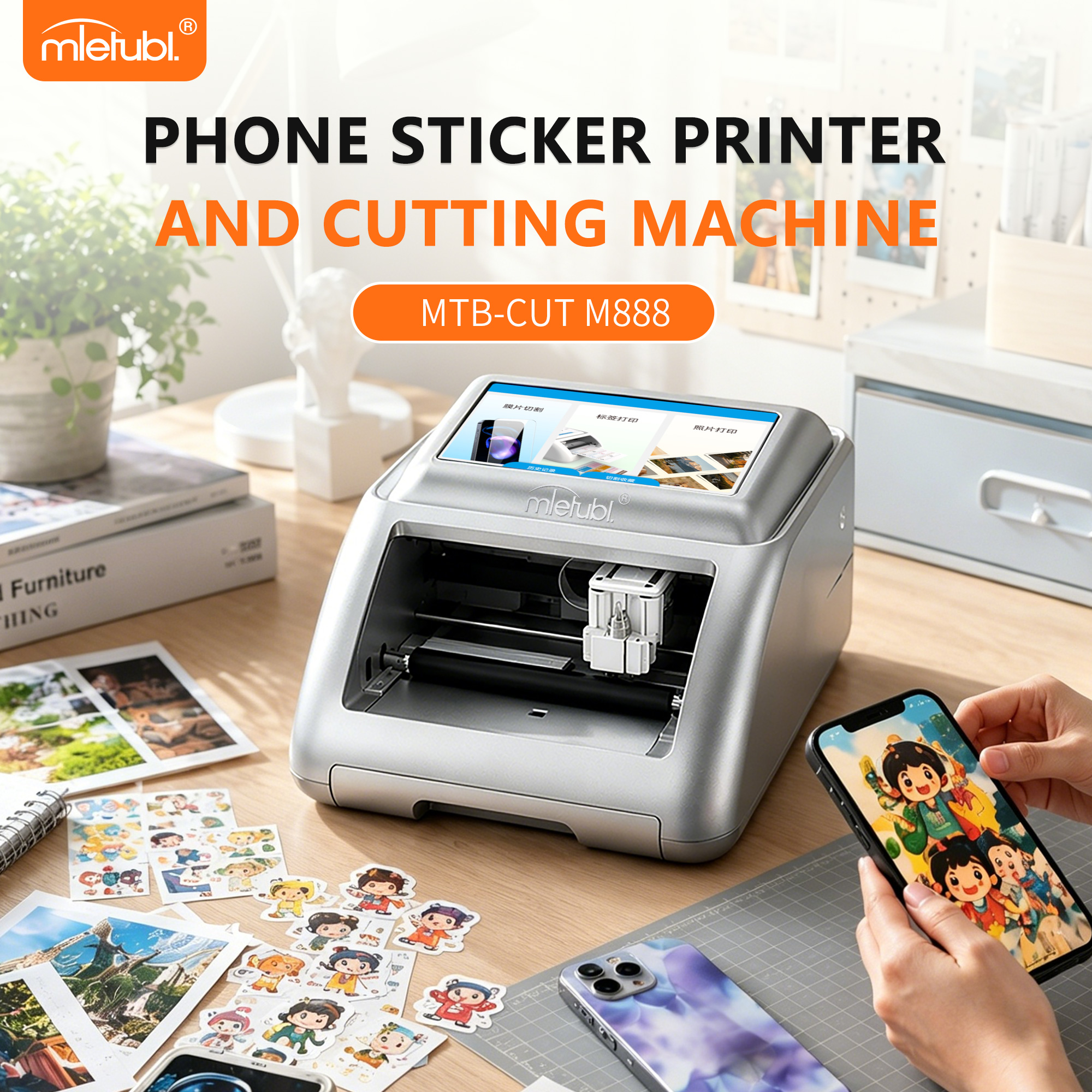
The M888 combines printing and cutting in one machine, which can reduce separate equipment and operating steps. The listed minimum order quantity is one machine, allowing buyers to evaluate a unit before considering broader deployment.
- Test intended materials: Send or identify the exact films, printable media, and finished-product formats planned for sale.
- Use representative artwork: Include fine contours, solid colors, small details, and irregular shapes rather than relying on a simple demonstration file.
- Define acceptance limits: Agree on how print appearance, contour alignment, feeding, and finished edges will be judged.
- Run the complete workflow: Validate file preparation, printing, cutting, removal, and final application as one process.
Build a Representative Material Sample Set
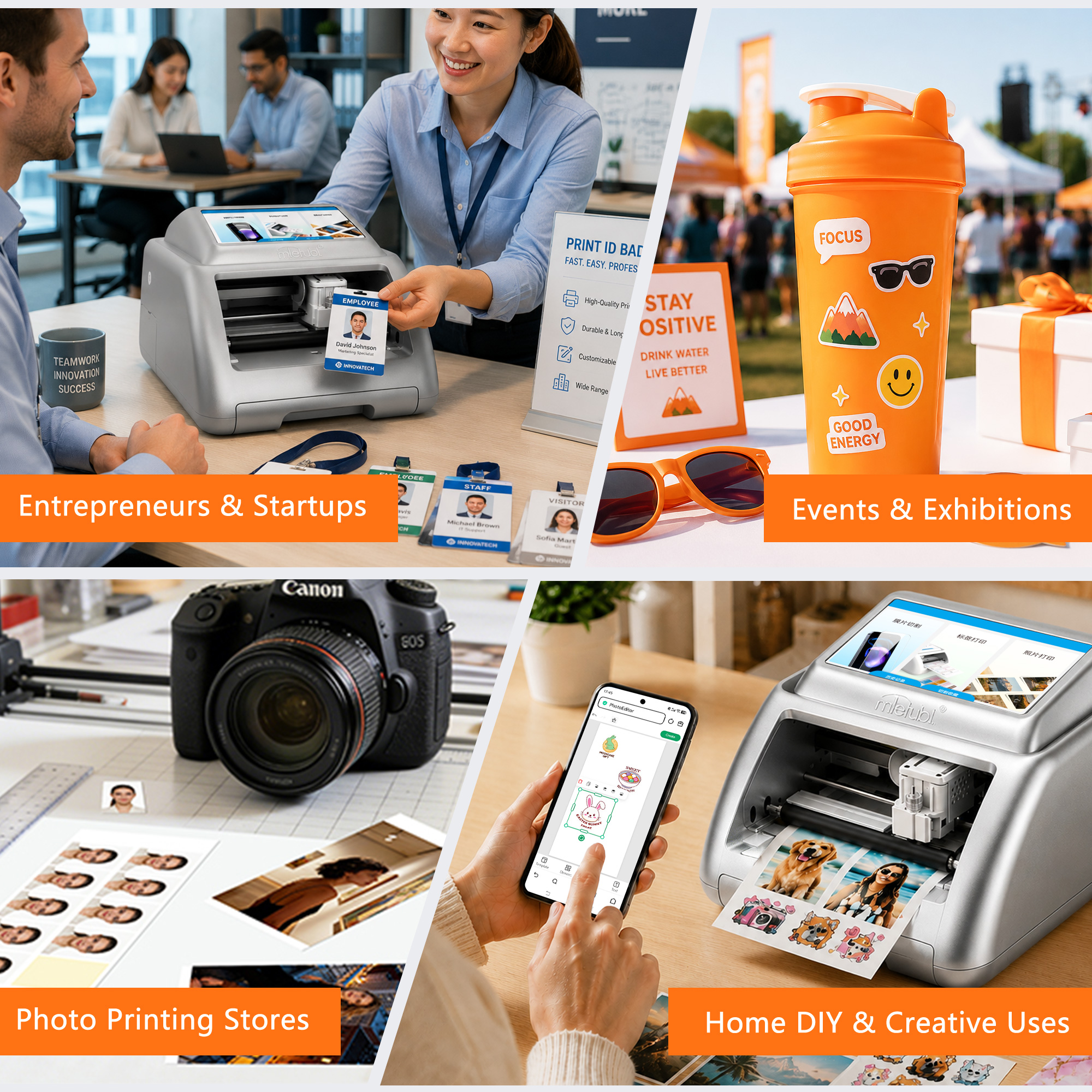
The approved application range includes phone back films, protective films, photos, labels, and greeting cards. These categories indicate potential versatility, but they do not establish that every material construction, coating, thickness, or adhesive system will behave identically.
A useful sample set should reflect the buyer’s real assortment. For example, a distributor planning to supply both phone-film services and customized labels should test examples from both groups. Include the actual consumables intended for commercial use whenever possible. If exact materials cannot be supplied, buyers should obtain written confirmation that the trial media represents the planned material closely enough for evaluation.
Record each sample by material name, supplier, finish, artwork, and machine settings. This prevents an acceptable result on one medium from being treated as proof of compatibility with the entire range.
Set Output Acceptance Before Testing
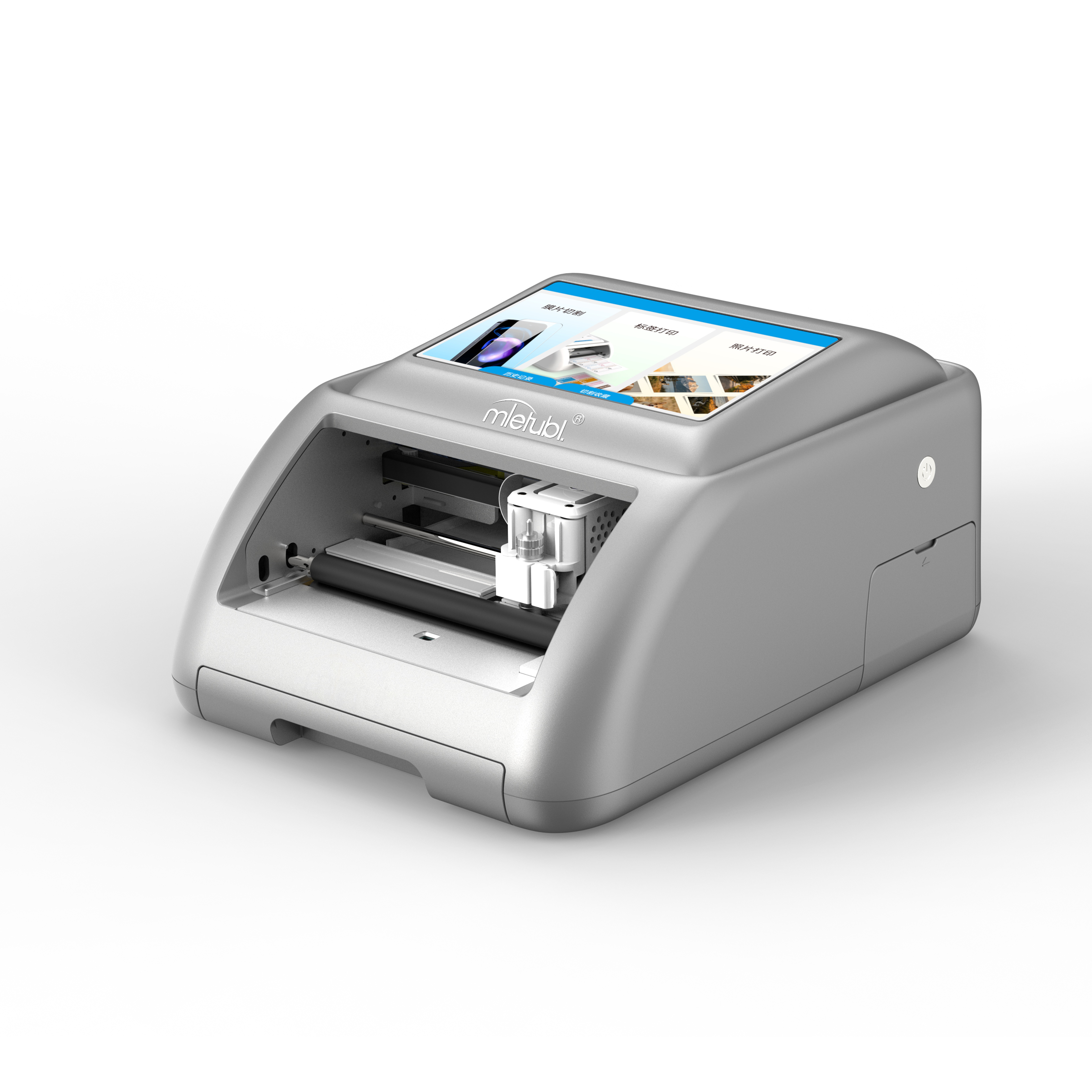
Acceptance criteria should be established before reviewing samples. The M888 has a listed cutting width of 138 mm, a feeding width of 160 mm, and 300 DPI resolution. Buyers should first confirm that their intended layouts fit within those working dimensions.
For printed output, inspect color consistency, fine-detail visibility, banding, surface appearance, and resistance appropriate to the intended use. The product information describes high-definition dye-sublimation printing with water resistance and reduced fading, but buyers should verify those characteristics using their own media and expected handling conditions.
For cutting, evaluate contour alignment around the complete design rather than measuring only one point. The listed capability of approximately 0.1 mm precision contour cutting should be treated as a test target, not automatic acceptance for every material and artwork combination. Also check corners, narrow sections, curves, edge lifting, and whether the finished item can be removed cleanly.
Test the Complete Print-and-Cut Workflow
A visually acceptable sample can still fail operational validation if preparation or handling is too complicated. The test should therefore cover the complete process from design input to finished product.
The M888 includes templates, image upload, AI background removal, and AI-assisted design generation. QR-code operation is also listed. Buyers should test the functions their staff will actually use and confirm that files can be prepared consistently without excessive correction.
Run repeated jobs rather than approving a single successful output. A practical trial may include several copies of the same design, changes between product types, and a restart after settings are cleared. Buyers can then judge whether the workflow is suitable for a store, studio, or other planned operating environment.
Common Questions About Sample Approval
Is one successful sample enough to approve the machine?
No. A single sample only confirms one combination of media, artwork, settings, and operator actions. Approval should cover the representative product mix and repeated output.
What should buyers send for a factory validation test?
Provide intended materials, production artwork, required dimensions, expected finish, and written acceptance criteria. Include difficult shapes or fine details that reflect normal commercial orders.
Should print quality and cutting accuracy be approved separately?
They should be inspected separately and then assessed together. A print may look acceptable while the contour is misaligned, or an accurate cut may surround an unacceptable printed image.
Conclusion
The MTB-CUT M888 may be a suitable factory-direct option when its integrated workflow matches the buyer’s product range, but approval should depend on representative sample evidence. Define materials and acceptance criteria first, test the complete workflow repeatedly, and proceed only when the finished outputs meet the requirements of the intended business.
About Mietubl
Mietubl is a Guangzhou-based mobile accessories brand whose name reflects its guiding idea: Make It Easier To Use, Better Life. With roots in the mobile accessories industry dating to 1998 and the MIETUBL brand registered in 2010, the company focuses on products that make everyday digital use simpler and more practical.
Its portfolio includes screen protectors, intelligent screen protector cutting machines, film materials, data cables, chargers, power banks, and audio accessories. By combining design, product development, manufacturing, and channel support, Mietubl works with distributors and retailers serving a broad range of mobile accessory needs, with products exported to more than 120 countries and regions.
For product information, samples, or distribution opportunities, contact Marketing@mietubl.com or visit www.mietubl.com.
Was this article helpful?
Your feedback helps us improve future articles.