
The correct way to apply a phone screen protector in a store starts before installation: identify the device and customer requirement, choose either a finished glass protector or a compatible on-demand film, complete any design, printing, and cutting, and then move the prepared product to a controlled application step. This separation prevents staff from treating every protector as printable or cuttable and creates a clearer service handoff.
How the in-store protection workflow should operate
A practical retail workflow should follow a defined sequence rather than beginning with whichever machine or protector is available. Staff first confirm the device model and service type. They then select a stocked protector or an on-demand material, produce it if required, inspect the result, and proceed to application.
- Separate product routes: Finished tempered glass and machine-cut flexible films require different handling.
- Confirm compatibility first: Match the device model, material, and production equipment before cutting.
- Keep design upstream: Personalization should be completed before the product reaches the application station.
- Inspect before fitting: Check the finished shape, relevant openings, and intended display coverage.
- Standardize the handoff: Application should receive a verified, ready-to-fit protector.
Choose stocked glass or custom film before design begins
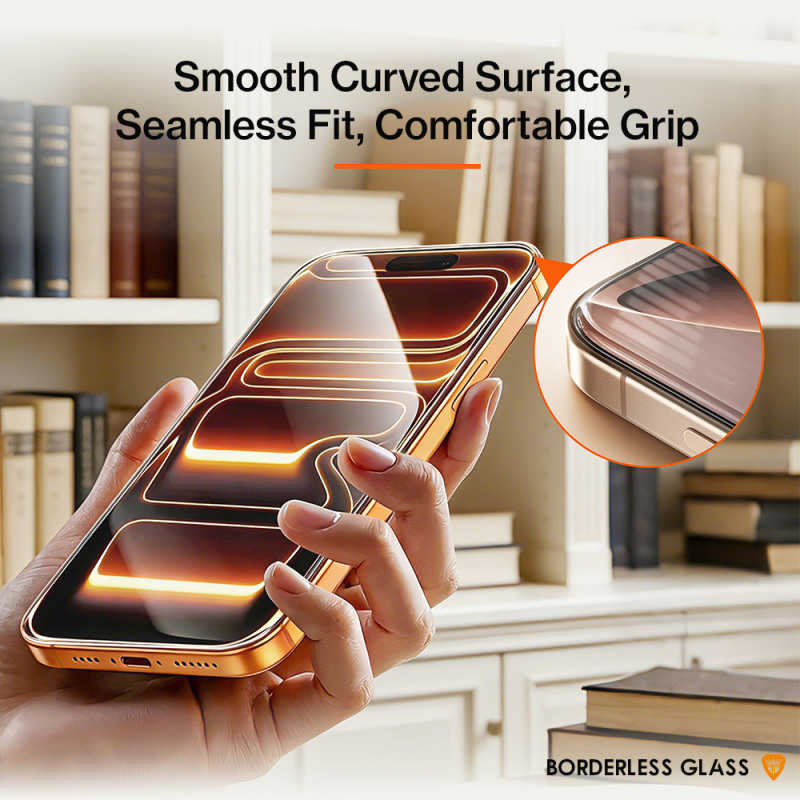
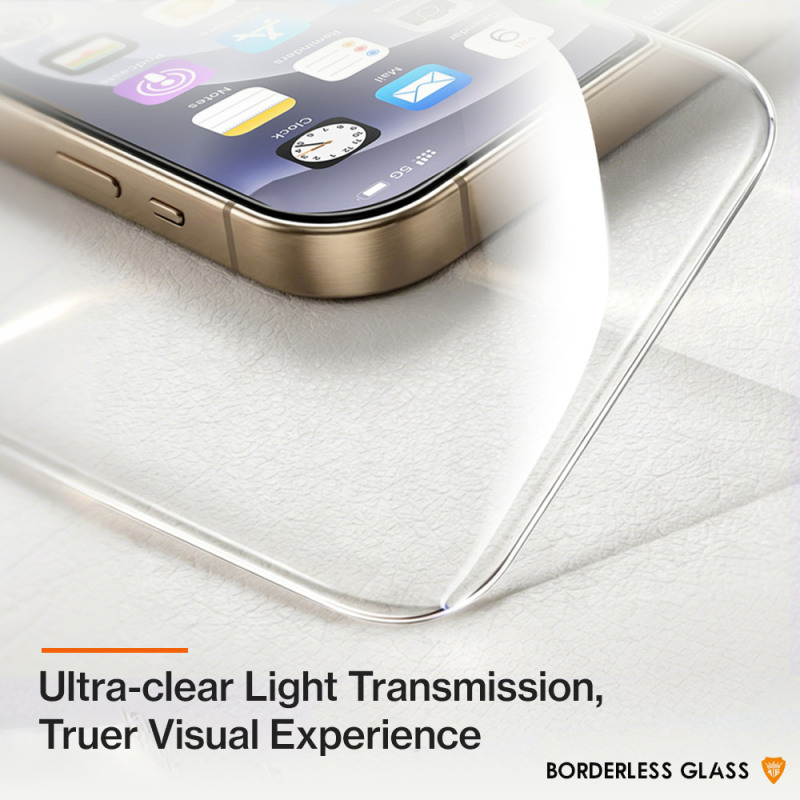
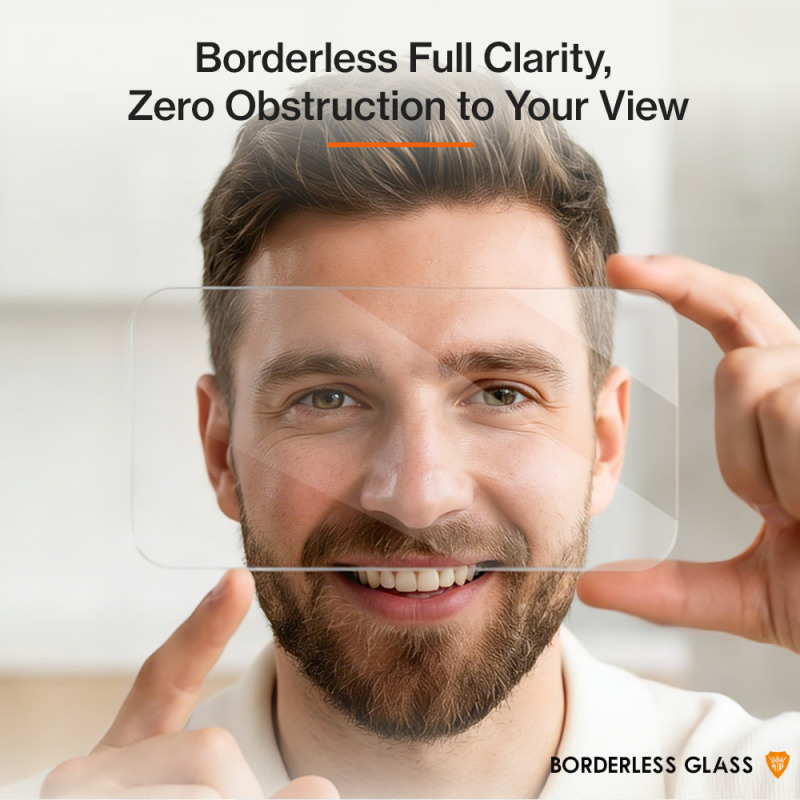
The HD Borderless Glass Protector is a finished glass product rather than a general-purpose printable sheet. Its approved buyer value includes a transparent, genuinely borderless design intended to avoid covering the screen display area. It also integrates a miniature earpiece dust mesh with the glass to reduce dust entry without affecting sound.
For a retailer, these characteristics belong in the product-selection stage. Staff should confirm that the customer wants clear, full-looking display coverage and that the protector matches the phone model before moving it to application. Custom branding is available for areas such as the logo, packaging, and model list, but this should not be confused with in-store printing on the glass itself.
Where printing and cutting fit into the service sequence
Printing and cutting are relevant when the selected material and product format support on-demand production. The MTB-CUT M888 combines printing and cutting in one compact machine. Its functions include built-in templates, image uploads, AI-assisted background removal, and AI-generated design tools. It supports products such as phone back films, protectors, photos, labels, and cards.
In this type of service, the recommended sequence is to select or prepare the design, print the approved layout, and complete the contour cut before inspection. Combining these stages in one system may reduce transfers between separate devices and simplify staff training, although buyers should still confirm which protector materials are compatible with the intended application.
How cutting and application become one retail handoff
For flexible film services, the MTB-CUT 180T supports TPU, PET, clear, matte, and privacy materials, with a stated cutting time of about 20 seconds. Its device database covers more than 50,000 models, supporting an on-demand model-selection workflow instead of relying only on pre-cut inventory.
Stores seeking a more integrated process may consider the MTB-CUT M688, which combines cutting, application, and UV curing. It also provides standardized guided operation. This arrangement can keep production and fitting within one defined workflow, but it should not be assumed to replace the stocked-glass route used for the HD Borderless Glass Protector.
Common Questions
Can a store cut HD borderless tempered glass on demand?
The approved information presents the HD Borderless Glass Protector as a finished glass product. The listed cutter materials are flexible films such as TPU and PET. Stores should therefore source the glass in the required model unless compatibility with another production method is specifically confirmed.
Where should printing occur in the workflow?
Printing should occur after the model and design are approved but before final contour cutting and application. An integrated print-and-cut system can keep these production stages together.
What should staff verify before applying the protector?
Staff should confirm the phone model, product route, finished shape, and relevant openings. With a borderless glass protector, they should also check intended screen coverage and the position of the integrated earpiece mesh before fitting.
Conclusion
The correct in-store application process is a managed service chain, not an isolated fitting task. Retailers should keep finished borderless glass separate from customizable flexible films, place design and production before application, and use a consistent verification handoff so staff apply the right product to the right device.
About Mietubl
Mietubl is a Guangzhou-based mobile accessories brand whose name reflects its guiding idea: Make It Easier To Use, Better Life. With roots in the mobile accessories industry dating to 1998 and the MIETUBL brand registered in 2010, the company focuses on products that make everyday digital use simpler and more practical.
Its portfolio includes screen protectors, intelligent screen protector cutting machines, film materials, data cables, chargers, power banks, and audio accessories. By combining design, product development, manufacturing, and channel support, Mietubl works with distributors and retailers serving a broad range of mobile accessory needs, with products exported to more than 120 countries and regions.
For product information, samples, or distribution opportunities, contact Marketing@mietubl.com or visit www.mietubl.com.
Was this article helpful?
Your feedback helps us improve future articles.