
The MTB-CUT 180T fits an in-store service workflow as the cutting stage between model selection and film application. Staff identify the customer’s device, select the corresponding template and material, send the cutting instruction, and prepare the finished film for installation. The approved product data describes a smartphone film cutter rather than a printer, so retailers offering printed graphics should plan printing as a separate step instead of assuming an integrated print-and-cut process.
How the In-Store Workflow Should Be Organized
A practical counter workflow starts with the customer’s device and requested film type. Staff then locate the model template, load a compatible material, complete the cut, and move the film to application or customer handoff. This sequence can help stores separate customer-facing decisions from machine operation.
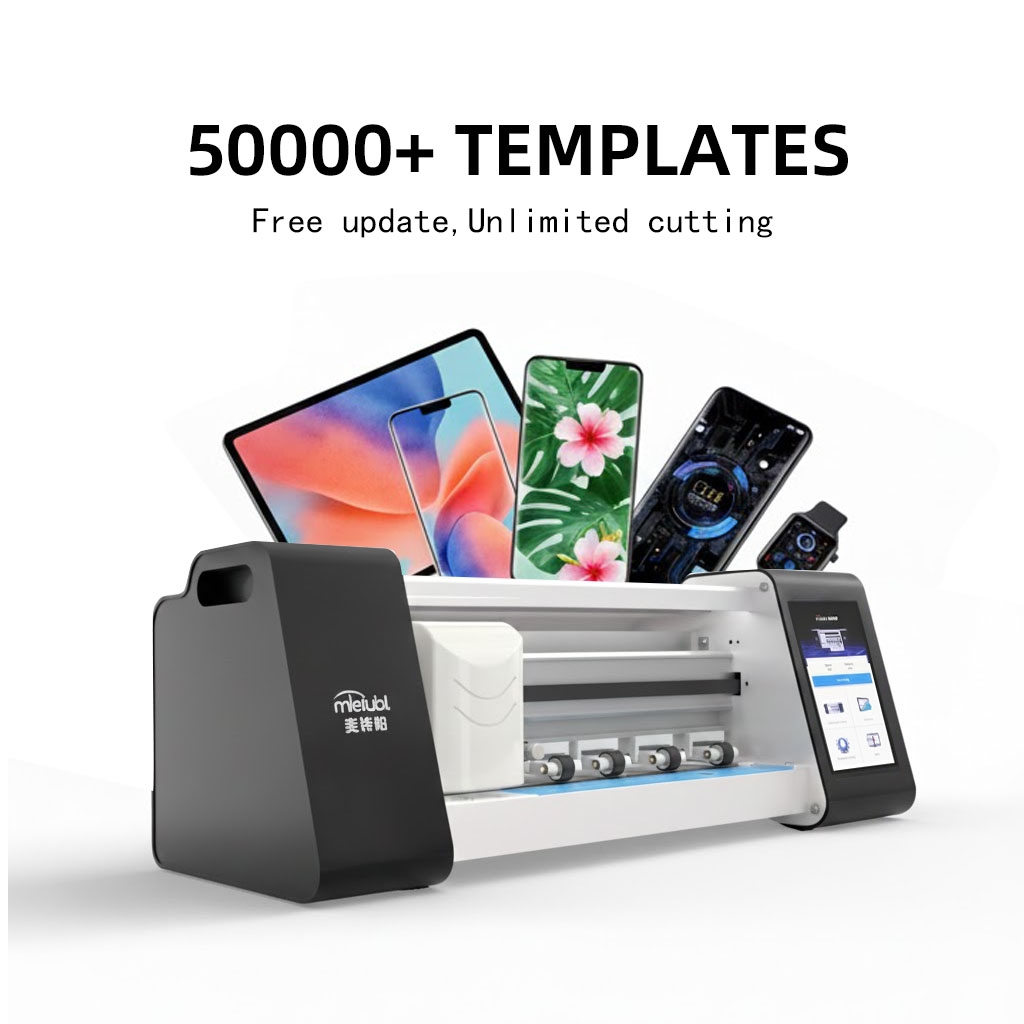
- Model selection: Confirm the exact phone, tablet, watch, or camera before cutting.
- Material selection: Match the customer request to a supported film category.
- Printing decision: Route custom graphics through separate printing equipment if required.
- Cutting and handoff: Inspect the cut before installation or delivery to the customer.
Step 1: Select the Device Design and Film Material
At the design-selection stage, the MTB-CUT 180T uses a cloud system stated to cover more than 50,000 device models, with new-model data synchronized across more than 130 countries. For a retailer, the operational value is access to a broad template library rather than manually stocking a pre-cut film for every device.
The machine supports film formats for phones, tablets, watches, and cameras. Approved compatible material categories include TPU, PET, clear, matte, and privacy films. Staff should still confirm the material, template, and intended application before starting each job, particularly when different film types are stored near the machine.
Step 2: Keep Printing Separate From Template Selection
“Design” can mean either choosing the correct device outline or creating printed artwork. The MTB-CUT 180T supports the first task through its model data, but no printing function is listed in the approved specifications. Stores selling personalized back films or graphic products should therefore define a separate artwork and printing station.
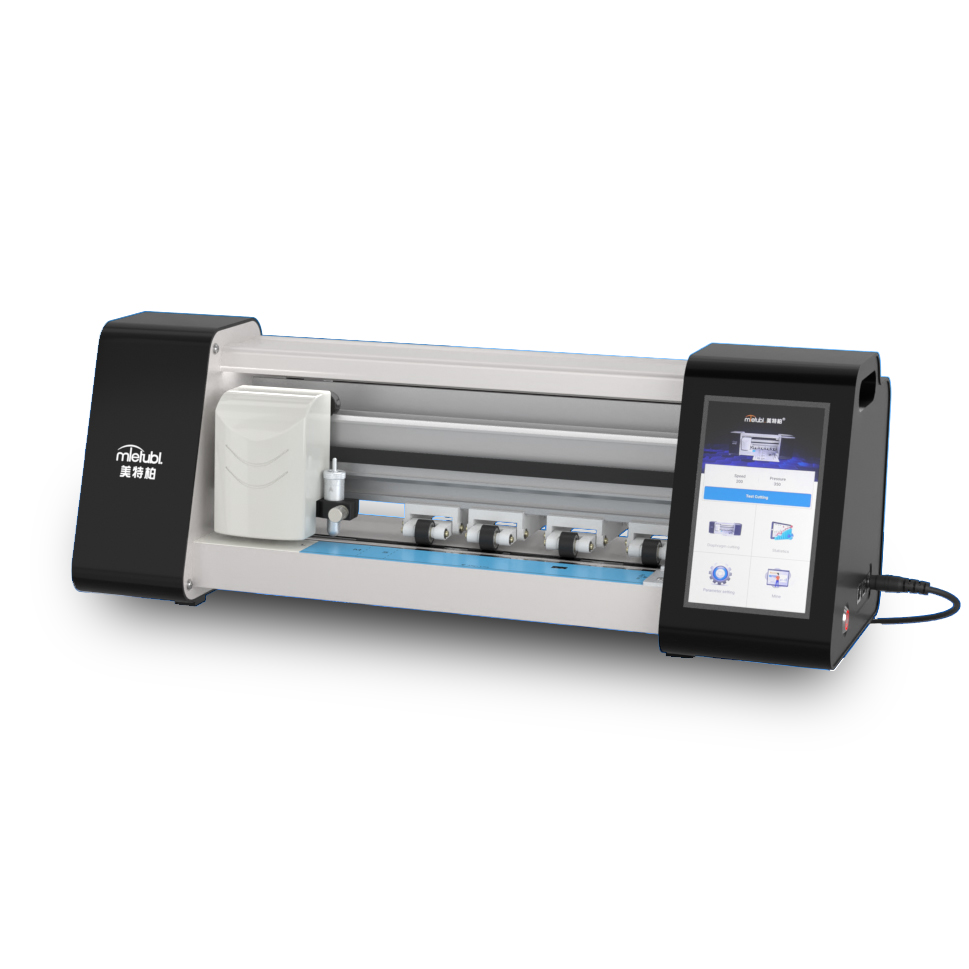
Before procurement, buyers should confirm how any existing printer, design software, and printed media will fit the store’s process. The key question is not only whether the material can be cut, but also whether staff can move it between printing and cutting without confusing orientation, dimensions, or job ownership.
Step 3: Cut the Film and Prepare It for Counter Handoff
The MTB-CUT 180T is positioned for immediate retail service, with an indicated cutting time of about 20 seconds. Actual customer turnaround will also include device confirmation, template search, material loading, inspection, and installation, so stores should avoid treating cutting time as the complete service time.
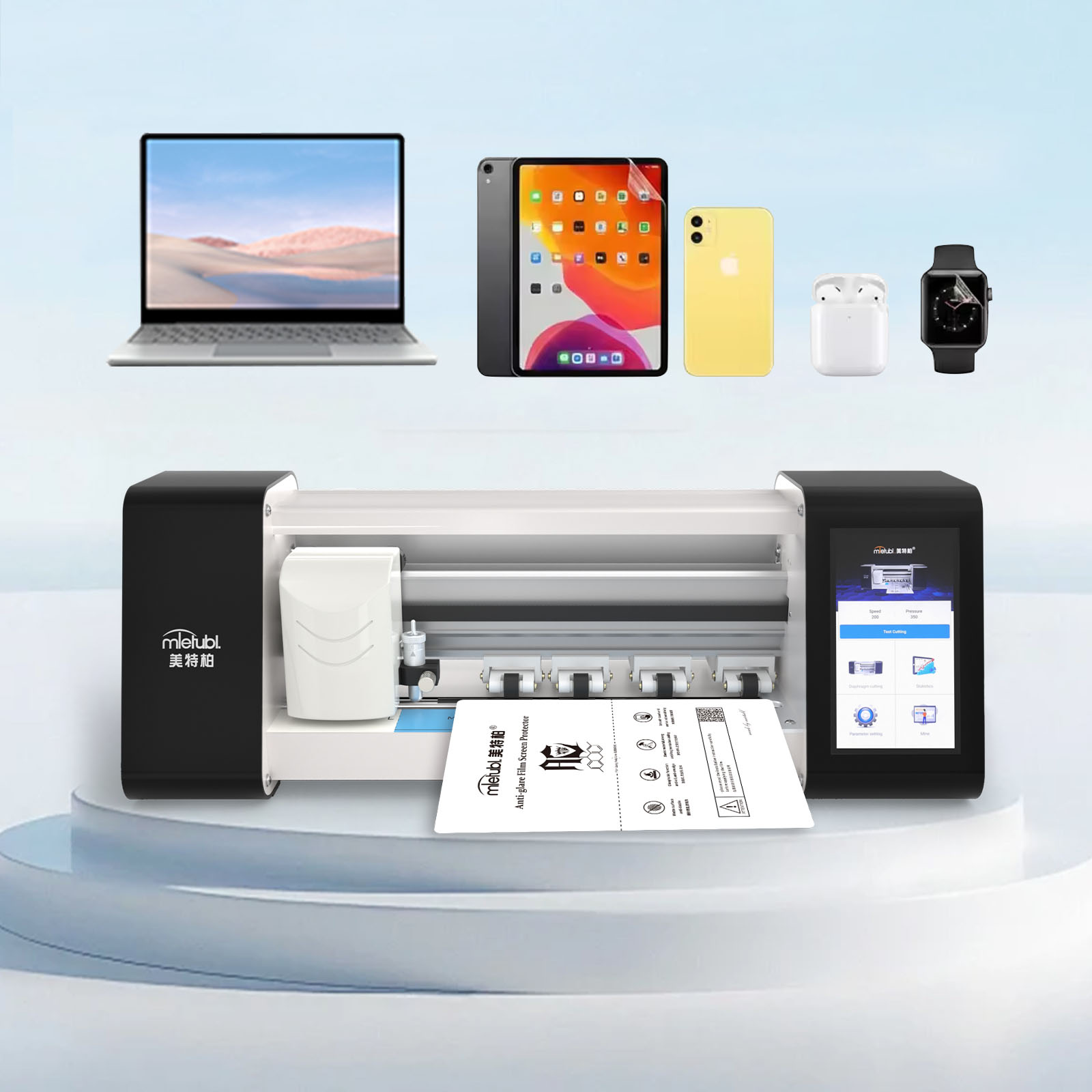
Its maximum cutting width is 228 mm, and the stated cutting accuracy reaches 0.05 mm. These specifications can support a range of small-device film jobs, but buyers should compare their largest intended product with the machine’s working limits before purchase. The operating setup includes a 5.5-inch display and 2.4G Wi-Fi, which should be considered when planning counter space and network access.
Common Questions
Can the MTB-CUT 180T print and cut custom graphics?
The approved information identifies it as a screen protector cutting machine and does not list a printing function. Custom graphics would require a separate printing stage and a confirmed media-handling process.
Is it suitable for an on-demand phone repair or accessory counter?
It may suit counters that want to cut films after identifying the customer’s device instead of holding every model as pre-cut inventory. Buyers should evaluate staff training, installation procedures, network availability, and expected service volume.
Does the machine charge for each cut?
The approved selling points state that it does not use points or per-cutting-count charges. Buyers should still confirm the current software access terms and any related service conditions when placing an order.
Conclusion
The MTB-CUT 180T is best considered a dedicated cutting station within a structured retail service process: identify the device, choose the template and material, print separately when customization requires it, cut the film, and complete inspection and application. It is a practical procurement option when on-demand template coverage and counter-level cutting are more important than combining printing, cutting, and installation in one machine.
About Mietubl
Mietubl is a Guangzhou-based mobile accessories brand whose name reflects its guiding idea: Make It Easier To Use, Better Life. With roots in the mobile accessories industry dating to 1998 and the MIETUBL brand registered in 2010, the company focuses on products that make everyday digital use simpler and more practical.
Its portfolio includes screen protectors, intelligent screen protector cutting machines, film materials, data cables, chargers, power banks, and audio accessories. By combining design, product development, manufacturing, and channel support, Mietubl works with distributors and retailers serving a broad range of mobile accessory needs, with products exported to more than 120 countries and regions.
For product information, samples, or distribution opportunities, contact Marketing@mietubl.com or visit www.mietubl.com.
Was this article helpful?
Your feedback helps us improve future articles.