
A practical retail installation offer should cover several distinct customer needs rather than rely on one universal protector. A borderless privacy protector addresses screen confidentiality, a high-clarity borderless protector prioritizes unobstructed display, and an impact-resistant protector targets stronger everyday protection. Cut-to-order films can extend the offer with clear, matte, privacy, TPU, and PET options. Installation should therefore begin with selecting the correct output type and finish with checks matched to its intended function.
Which screen protector outputs should anchor the retail offer?
Three ready-made glass protector types can give retailers a clear starting range. Each has a different selling role, so staff should identify the customer’s priority before beginning installation.
| Protector output | Primary retail role | Approved buyer-value feature |
|---|---|---|
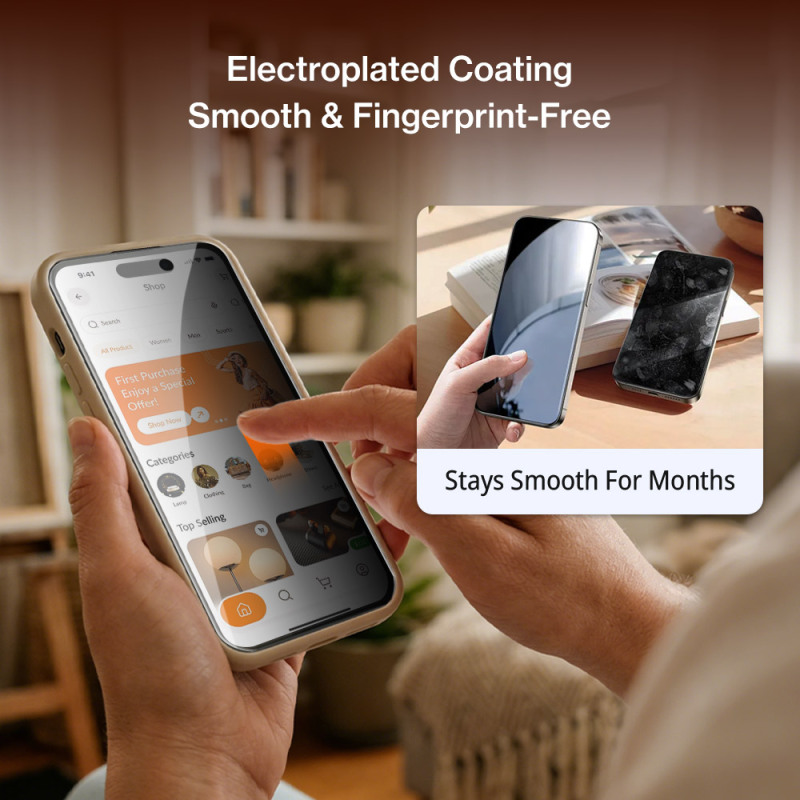
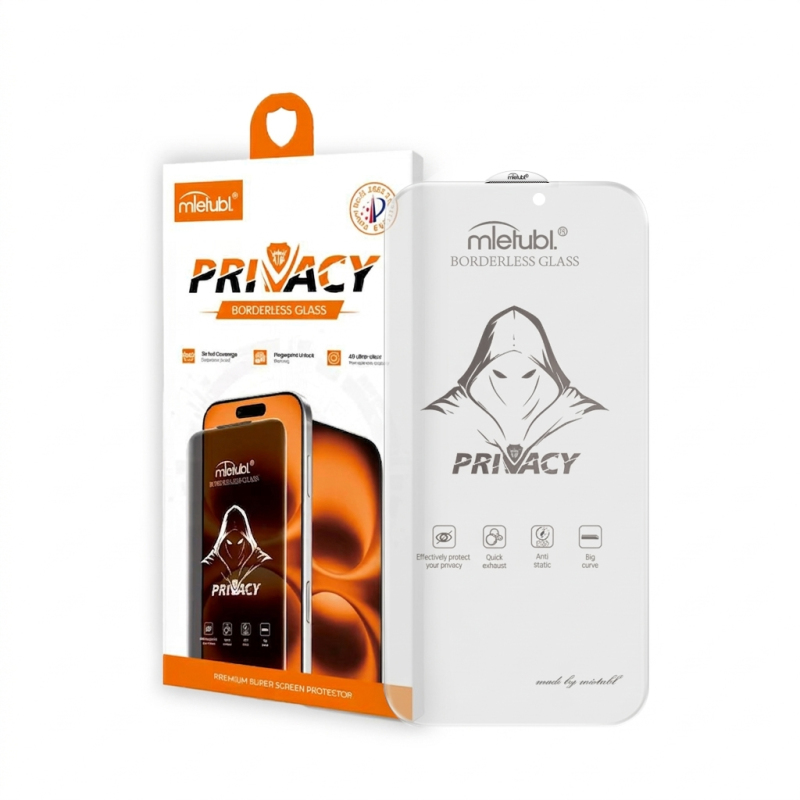
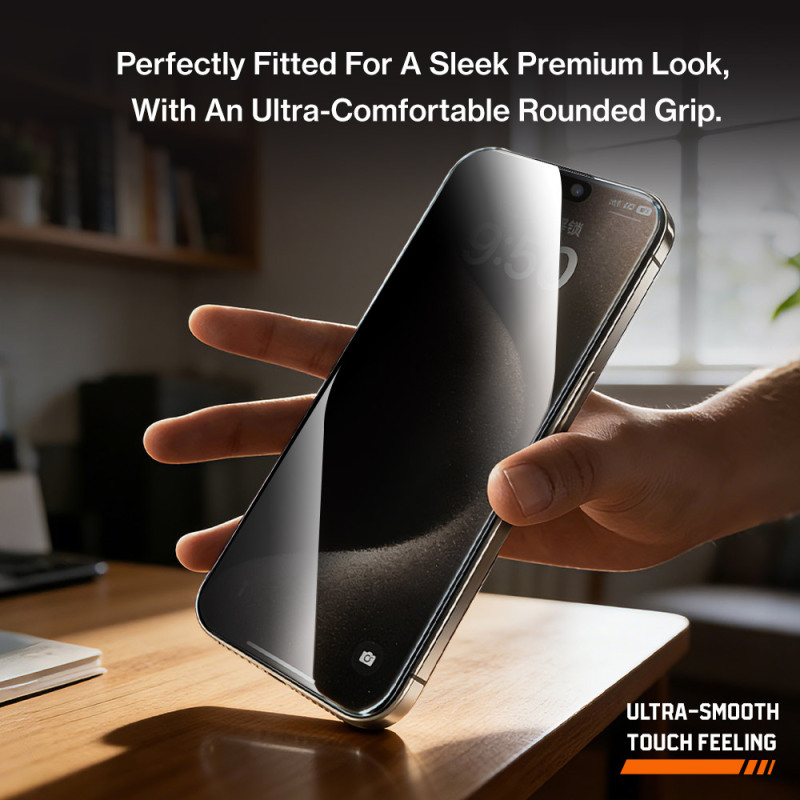
| Borderless privacy glass | Privacy-focused upgrade | A micro-louver privacy layer keeps the screen clear from the front while obscuring content from side viewing angles. |
| High-clarity borderless glass | Display-focused everyday option | The transparent structure removes conventional printed black borders that may cover part of the display. |
| Impact-resistant glass | Protection-focused premium option | Double-strengthened high-alumina glass is designed for flexibility and resistance to breakage during transport and installation. |
Key range decisions:
- Use privacy, clarity, and impact protection as separate customer-facing choices.
- Match the protector to the exact device and screen shape before installation.
- Explain the intended output rather than presenting every protector as interchangeable.
- Confirm case compatibility, edge coverage, and model availability when preparing the assortment.
How does installation differ across the protector range?
A consistent installation sequence can be used across the range, but the final inspection should reflect the selected output. Retailers may standardize the following workflow:
- Confirm the product type. Verify whether the customer selected privacy, high-clarity, or impact-resistant protection. This prevents an installation from being technically correct but commercially mismatched.
- Check model alignment. Confirm that the protector corresponds to the device and that openings, edges, and the display area align before adhesion begins.
- Position with the backing in place. The borderless privacy and high-clarity products use a transparent 1:1 backing plate. Staff should use the product structure to control positioning rather than touching the adhesive surface unnecessarily.
- Complete adhesion and air release. The borderless privacy construction uses anti-static AB adhesive and is designed to vent air toward the edge. The installer should monitor the adhesion front and inspect for trapped air or incomplete edges.
- Perform an output-specific check. Test side-angle concealment for privacy glass, the visible display area for borderless clear glass, and edge fit for the impact-resistant option. Touch response should also be checked before handover.
Which on-demand film outputs can extend the offer?
Ready-made glass protectors can be complemented by cut-to-order films when a retailer wants more material or device choices. The MTB-CUT 180T supports TPU, PET, clear, matte, and privacy film materials. Its supported templates also cover phones, tablets, watches, and cameras.
This model can help a store offer alternatives when a ready-made glass protector is unavailable or when a customer prefers a different surface finish. Buyers should still confirm that each chosen film material is suitable for the intended device, cutting template, and installation method.
What should buyers standardize across the protector range?
Range planning and installation quality should be managed together. Staff labels can identify the customer outcome—privacy, clarity, impact protection, or cut-to-order flexibility—while the installation checklist records model match, edge alignment, adhesion, touch response, and the relevant visual check.
Packaging and product naming should make the differences easy to understand. The borderless privacy protector supports OEM/ODM customization of branding, packaging, and product specifications, which may help distributors organize a private-label range. Buyers should confirm the final model list, packaging configuration, and specification requirements before ordering.
Common Questions About the Installation Range
Which protector should staff recommend for privacy?
The borderless privacy glass is the range-specific choice because its micro-louver layer is intended to keep content visible from the front and concealed from side angles.
Can one installation check be used for every protector?
The basic alignment and adhesion checks can be standardized, but the final functional check should change. Privacy glass needs a viewing-angle check, while clear borderless glass requires inspection of the visible display area.
Do cut films replace ready-made glass protectors?
Not necessarily. They can complement the glass range by adding different materials, finishes, and device formats. Retailers should choose the mix according to supported models and customer demand.
Conclusion: Build the Range Around Clear Customer Outcomes
A balanced installation offer should separate privacy, display clarity, impact protection, and cut-to-order flexibility into understandable choices. Standardize the core fitting process, add an output-specific final inspection, and confirm model and packaging requirements before committing to the assortment. This approach can make the range easier for staff to sell and more consistent for customers to evaluate.
About Mietubl
Mietubl is a Guangzhou-based mobile accessories brand whose name reflects its guiding idea: Make It Easier To Use, Better Life. With roots in the mobile accessories industry dating to 1998 and the MIETUBL brand registered in 2010, the company focuses on products that make everyday digital use simpler and more practical.
Its portfolio includes screen protectors, intelligent screen protector cutting machines, film materials, data cables, chargers, power banks, and audio accessories. By combining design, product development, manufacturing, and channel support, Mietubl works with distributors and retailers serving a broad range of mobile accessory needs, with products exported to more than 120 countries and regions.
For product information, samples, or distribution opportunities, contact Marketing@mietubl.com or visit www.mietubl.com.
Was this article helpful?
Your feedback helps us improve future articles.