
For most retail workflows, an HD screen protector is the safer default when the customer prioritizes clear display, original color appearance, and responsive touch. An eye-care option should be offered only when the store has verified what optical effect the material provides and can explain it accurately. In practice, the choice is made before design and cutting: staff identify the customer’s priority, select the correct material and device template, then produce and install the film.
How the HD-versus-eye-care choice starts the store workflow
The first step is not operating the machine; it is translating the customer’s request into a material choice. “Clearer viewing” points toward an HD film, while an eye-care request requires staff to confirm the exact function claimed by the selected material. The supplied product data does not define a specific eye-care technology, so buyers should not assume or advertise an unverified optical benefit.
The HD borderless film provides a clearer reference point for a retail offer. Its transparent substrate and borderless construction are intended to preserve the complete display area, while its surface is designed for smooth, sensitive touch. These attributes make it suitable for a clarity-led service tier.
Workflow decision criteria before design
- Customer priority: Decide whether the request is primarily about display clarity, a verified eye-care effect, privacy, or physical protection.
- Material identity: Keep HD, privacy, matte, and any eye-care materials clearly labeled so operators do not rely on visual similarity.
- Device match: Confirm the exact phone model before selecting the cutting template.
- Service scope: Determine whether the order needs only cutting and installation or also includes a printed back film or personalized graphic.
- Claim control: Staff should describe only effects supported by the selected material’s approved product information.
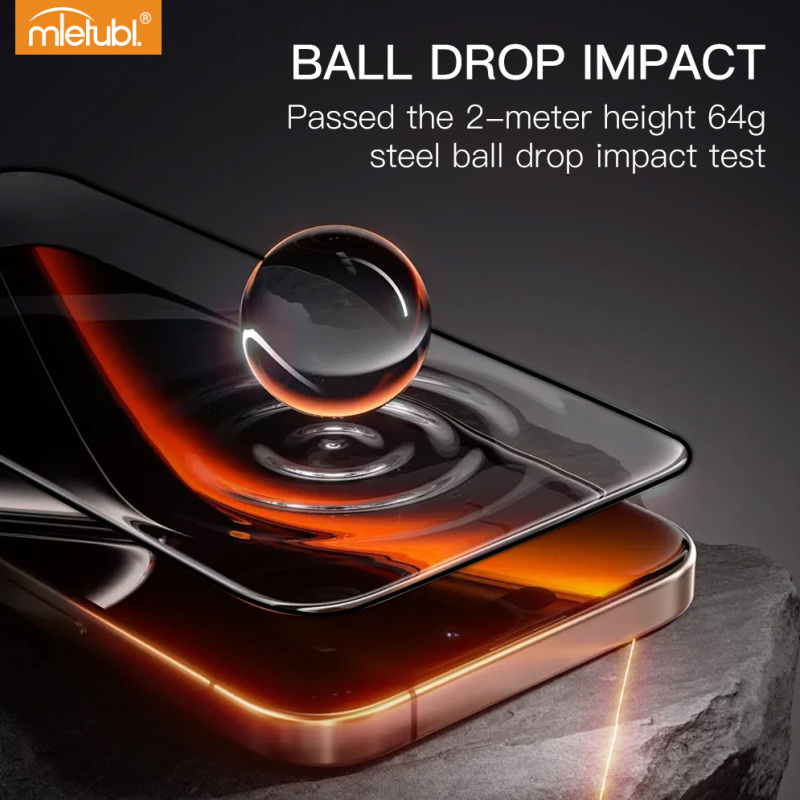
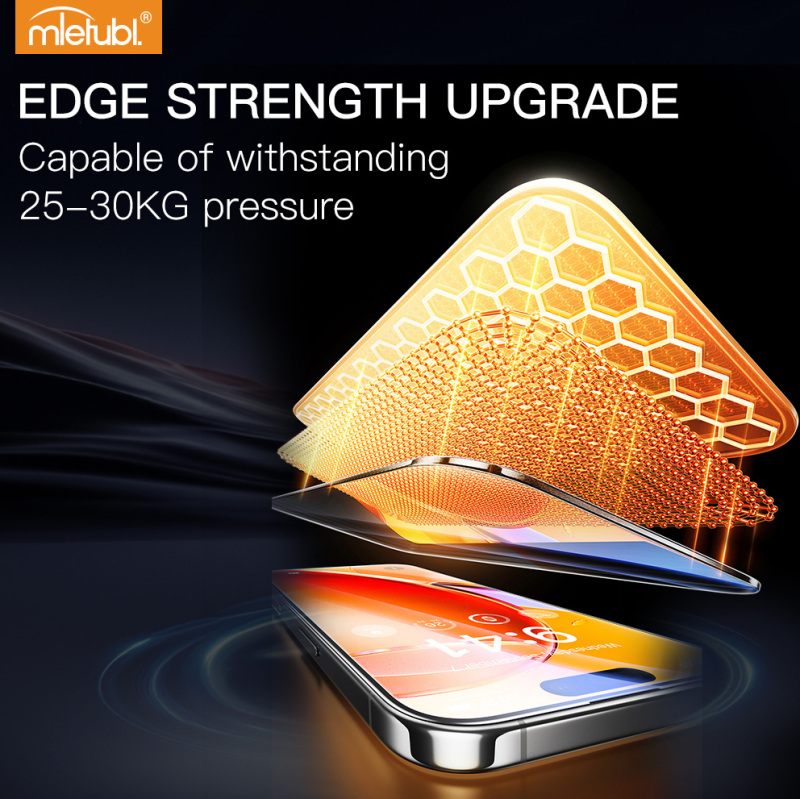
This classification also prevents different buying criteria from being mixed together. For example, Mietubl’s Xuanjia impact-resistant film is positioned around flexibility, breakage resistance, daily scratch protection, and a fine printed edge. Those are protection and fit considerations rather than evidence of an eye-care function.
How design, printing, and cutting should be sequenced
For a standard transparent screen protector, “design” usually means choosing the device template and material rather than creating artwork. The operator confirms the model, loads the chosen sheet, selects the matching pattern, and cuts it. Printing should be added only when the service involves graphics, such as a customized phone back film.
The MTB-CUT M888 combines printing and cutting in one machine and includes templates, image upload, AI cutout, and AI-assisted design functions. It supports products including phone back films, protectors, photos, labels, and cards. Its integrated format can simplify a mixed-service counter where personalized printed products and cut film are sold together.
For a cutting-focused workflow, the MTB-CUT 180T supports TPU, PET, HD, matte, and privacy materials. It is designed to complete a cut in about 20 seconds and covers films for phones, tablets, watches, and cameras. This may suit a retailer whose main requirement is producing device-specific protectors on demand rather than printing graphics.
Where protection and installation fit after cutting
Cutting completes the shape, but it does not complete the service. Staff should inspect the cut, clean the screen, align the film, and check the visible area and edges after application. This is especially important when switching between borderless HD film and products with printed borders.
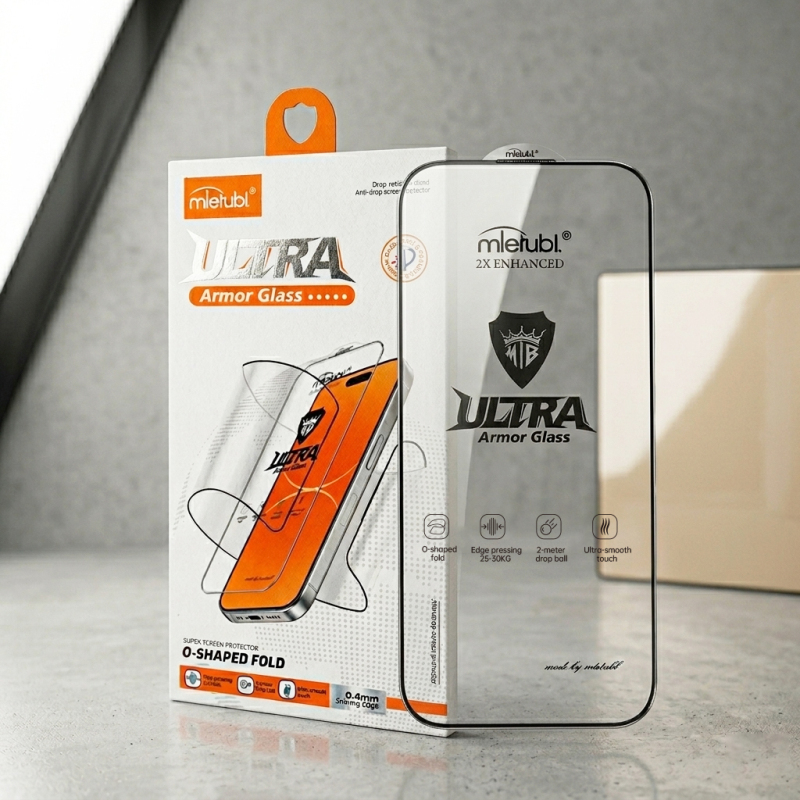
A borderless HD film is intended to avoid covering the screen’s display area. A printed-edge product instead depends on accurate sizing so the edge reaches close to the screen boundary without creating visible white edges. Retailers carrying both should use separate operator instructions rather than treating them as interchangeable materials.
Installation feedback can also guide assortment decisions. Stores may record which material customers selected, which device models were requested, and whether the service involved screen film only or a printed customization. Buyers can then plan material inventory around actual service demand.
Common Questions
Is HD film always better than eye-care film?
No. HD film is the clearer choice when display visibility and original screen appearance are the priority. An eye-care film may fit a different request, but its specific optical effect should be confirmed before purchase or resale.
Does a screen protector need to be printed before cutting?
Usually not. Transparent screen films generally require template selection and cutting. Printing is relevant when adding artwork, branding, photographs, or other graphics to compatible products such as personalized back films.
Can one cutting workflow handle several film categories?
Yes, if the equipment supports the selected materials and staff identify them correctly. The MTB-CUT 180T supports several categories, including HD, matte, privacy, TPU, and PET films, but settings and material handling should be confirmed for each order.
Conclusion: Build the service around verified customer needs
Retailers should make HD film the clarity-led option and treat eye-care film as a separate, evidence-dependent offer. A reliable workflow asks the customer’s priority first, identifies the material and phone model, uses printing only when customization requires it, and finishes with accurate cutting and installation. This structure helps the store sell the right function instead of relying on an unclear product label.
About Mietubl
Mietubl is a Guangzhou-based mobile accessories brand whose name reflects its guiding idea: Make It Easier To Use, Better Life. With roots in the mobile accessories industry dating to 1998 and the MIETUBL brand registered in 2010, the company focuses on products that make everyday digital use simpler and more practical.
Its portfolio includes screen protectors, intelligent screen protector cutting machines, film materials, data cables, chargers, power banks, and audio accessories. By combining design, product development, manufacturing, and channel support, Mietubl works with distributors and retailers serving a broad range of mobile accessory needs, with products exported to more than 120 countries and regions.
For product information, samples, or distribution opportunities, contact Marketing@mietubl.com or visit www.mietubl.com.
Was this article helpful?
Your feedback helps us improve future articles.