
The MTB-CUT M888 may be suitable when a buyer needs desktop printing and cutting in one workflow, but approval should depend on representative sample results rather than the equipment specification alone. Before purchasing, test the actual films, coated media, labels, and other substrates intended for sale, then accept the machine only if print quality, cutting accuracy, registration, and finished-product durability meet defined standards.
Make Sample Validation the Purchase Decision
The main buyer value is an integrated print-and-cut process that can reduce separate equipment and operating steps. However, integration does not automatically establish compatibility with every material supplied by a distributor or used in a retail store.
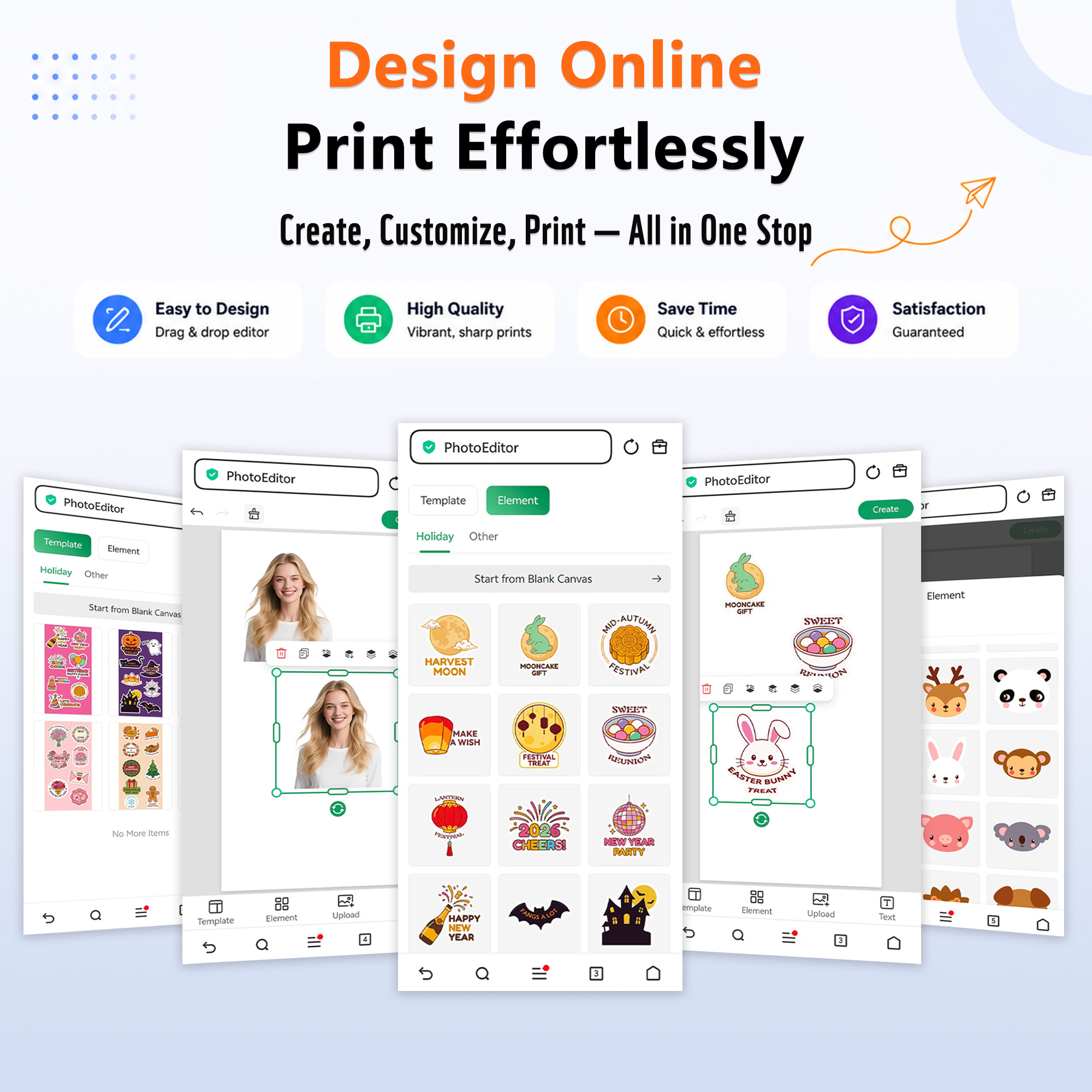
Key decision criteria should include:
- Material compatibility: Confirm that each planned substrate feeds, prints, and cuts consistently.
- Representative testing: Use production-intent materials, artwork, coatings, and finishing methods.
- Output acceptance: Set measurable pass conditions for color, registration, edges, and durability.
- Usable working area: Check every intended design against the 160 mm feed width and 138 mm cutting width.
Material Compatibility Must Be Proven, Not Assumed
The approved product scope includes phone back films, protective films, photos, labels, and greeting cards. These output categories can involve different surface coatings, thicknesses, stiffness, release liners, and ink interactions. Buyers should therefore avoid approving an entire material family after testing only one easy-to-process sample.
The machine is described as using high-definition dye-sublimation printing. For procurement validation, confirm whether each intended medium has the required printable surface or coating. Test for visible defects such as ink spread, weak density, surface marking, curling, or transfer during handling. If water resistance or resistance to fading is commercially important, define a repeatable test instead of relying only on a visual inspection immediately after printing.
Build a Representative Sample Test Set
A useful test set should reflect actual orders, including simple labels, small text, photographs, curves, internal corners, and irregular sticker outlines. The M888 has a stated print resolution of 300 DPI and supports contour cutting at up to approximately 0.1 mm precision. Those figures provide a test reference, but acceptance should be based on finished samples produced under the buyer’s normal operating conditions.
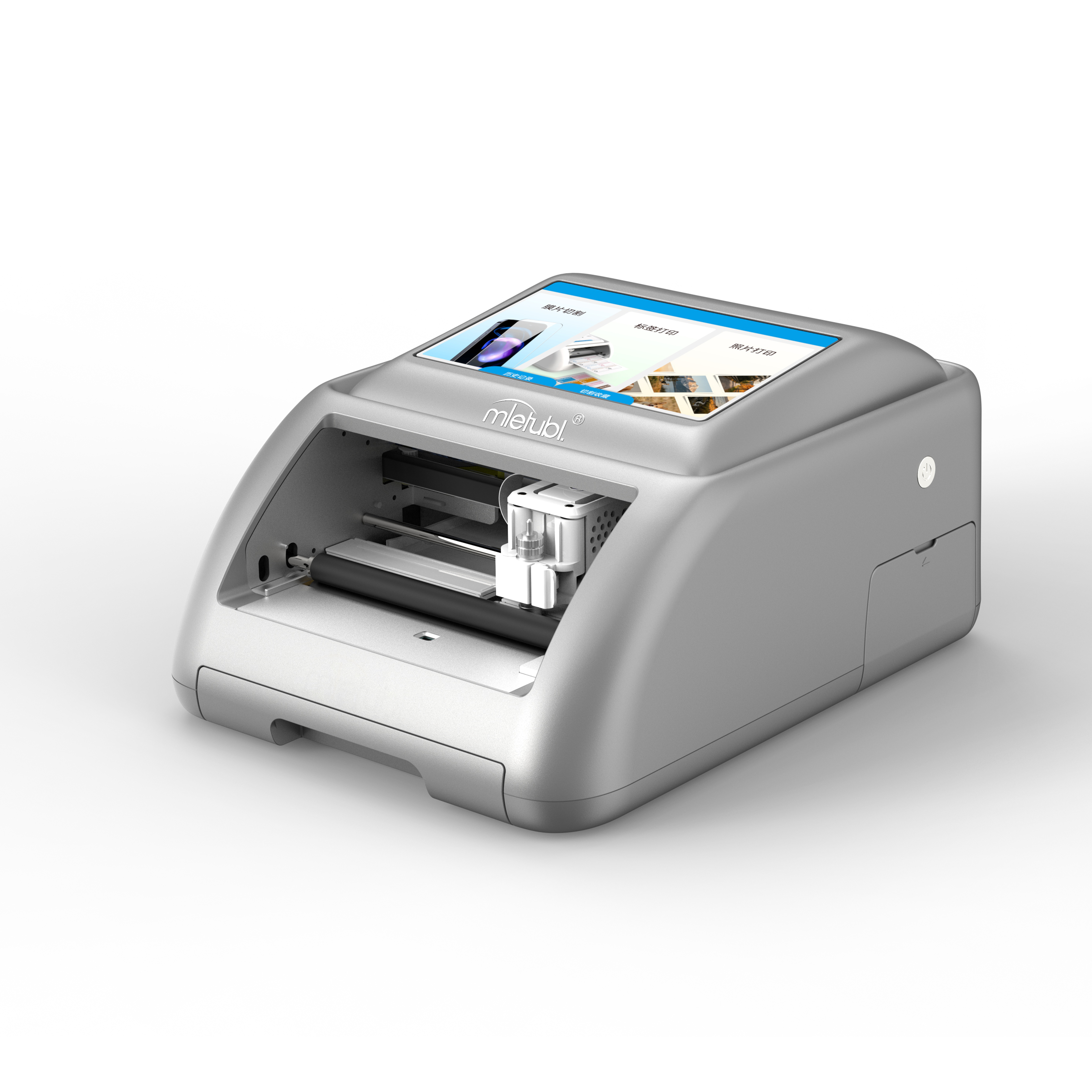
Run multiple copies of each design rather than one demonstration piece. Include materials from different batches when possible, and record the selected artwork, substrate, print settings, cut settings, and operator steps. This helps identify whether a good result is repeatable or depends on a single carefully prepared sample.
Define Output Acceptance Before Testing
Acceptance criteria should be agreed before sample production. Otherwise, buyers may approve attractive demonstration output without checking the defects that affect retail use.
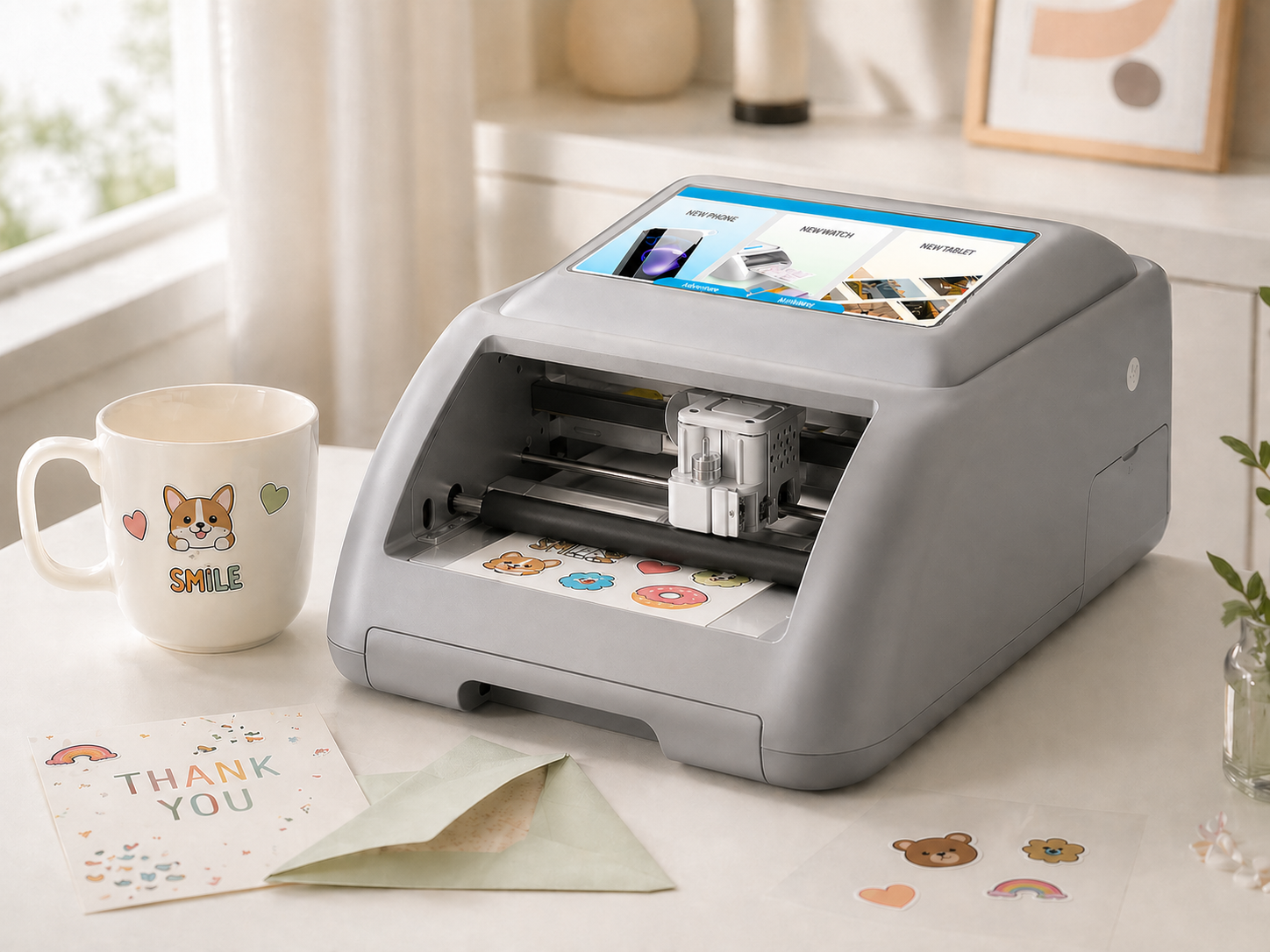
- Print: Text remains legible, image areas are even, and colors meet the approved reference sample.
- Registration: The cut follows the printed contour within the buyer’s agreed tolerance.
- Cut quality: Corners and curves are clean, with no unwanted tearing or incomplete separation.
- Handling: Finished pieces can be removed, applied, packed, or displayed without unacceptable damage.
- Repeatability: Consecutive samples maintain comparable print placement and cutting results.
Buyers should also test designs near the planned maximum working width. A file that fits the feed path may still exceed the stated cutting width, so usable artwork dimensions must be checked separately.
Common Questions
Does one successful sample prove material compatibility?
No. A successful sample confirms only the tested combination of material, artwork, settings, and operating conditions. Each commercially important substrate should have its own validation record.
Which sample should be tested first?
Start with the highest-volume or highest-risk product. A complex contour on the intended production material usually provides more decision value than a simple demonstration shape.
What should buyers retain after approval?
Keep approved physical samples, artwork files, material identification, machine settings, and acceptance notes. These references can support incoming checks, operator training, and later troubleshooting.
Conclusion
The MTB-CUT M888 should be selected as a desktop multifunction all-in-one cutter only when representative materials produce repeatable, commercially acceptable results. A controlled sample process turns integrated printing and cutting from a feature claim into a verified purchasing decision.
About Mietubl
Mietubl is a Guangzhou-based mobile accessories brand whose name reflects its guiding idea: Make It Easier To Use, Better Life. With roots in the mobile accessories industry dating to 1998 and the MIETUBL brand registered in 2010, the company focuses on products that make everyday digital use simpler and more practical.
Its portfolio includes screen protectors, intelligent screen protector cutting machines, film materials, data cables, chargers, power banks, and audio accessories. By combining design, product development, manufacturing, and channel support, Mietubl works with distributors and retailers serving a broad range of mobile accessory needs, with products exported to more than 120 countries and regions.
For product information, samples, or distribution opportunities, contact Marketing@mietubl.com or visit www.mietubl.com.
Was this article helpful?
Your feedback helps us improve future articles.