
When a customer asks for either privacy protection or blue-light filtering, fulfill the request according to the intended use rather than treating the two labels as interchangeable. Choose a privacy screen protector when the customer wants to limit side-angle viewing in offices, public transport, retail counters, or shared spaces. If blue-light filtering is requested, obtain verified filtering specifications first; the approved product data here does not document that function.
How Customer Requests Determine the Protector Type
The first customization question should be what the end user expects the protector to do. Privacy products control who can view screen content from the side. A blue-light-focused product would require evidence about light filtering, which is a different purchasing criterion.
This distinction prevents a distributor from presenting visual privacy as an eye-comfort or blue-light feature. It also makes the customized product description, packaging, and sales training more accurate.
- Choose privacy when side-view confidentiality is the primary customer request.
- Request blue-light test data before approving any filtering claim.
- Define the preferred surface, such as matte or clear borderless privacy.
- Confirm model coverage before finalizing customized packaging or model lists.
Customize the Privacy Experience, Not Just the Label
The AG Matte Privacy Screen Protector is designed around a 28° privacy effect: content becomes blurred when viewed from the side. Its matte AG surface is also intended to reduce visible fingerprints, oil, and sweat while maintaining a smooth touch experience. This combination may suit customer programs where privacy and a lower-smudge surface are both priorities.
The Borderless Privacy Screen Protector offers a different personalized result. Its micro-louver privacy layer keeps the front view clear while obscuring side views, and its transparent borderless structure reduces the visually heavy black edge associated with some privacy protectors. Supported OEM/ODM options include customization of the brand logo, packaging, and product specifications.
Choose a Privacy Construction for Personalized Output
| Customer preference | AG matte privacy | Borderless privacy |
|---|---|---|
| Primary experience | Privacy with a matte surface | Privacy with a lighter borderless appearance |
| Side-view behavior | 28° privacy effect with blurred side viewing | Micro-louver layer obscures side content |
| Surface or design value | Helps reduce fingerprints, oil, and sweat | Transparent base reduces the appearance of heavy black borders |
| Customization relevance | Surface choice can differentiate the range | Logo, packaging, and specifications can be customized |
The better option depends on the requested user experience. Buyers serving business users may prioritize stronger privacy positioning, while lifestyle-oriented ranges may prefer a borderless appearance. These are merchandising recommendations rather than documented market limitations.
What Customers Should Approve Before Production
A customization brief should connect the requested function to an approved product configuration. Buyers should avoid approving artwork based only on terms such as “privacy,” “eye care,” or “blue light.” Instead, the approval checklist should cover:
- The required viewing behavior from the front and side.
- The preferred matte or borderless visual finish.
- The exact phone models and any model-specific construction differences.
- The brand logo, packaging copy, and product claims.
- Evidence supporting any blue-light-filtering statement.
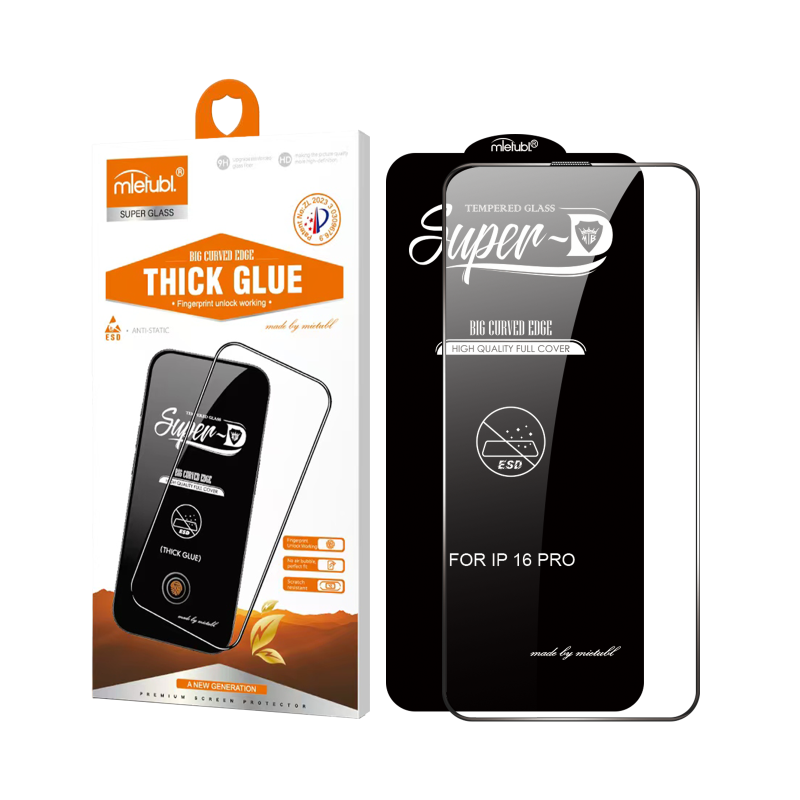
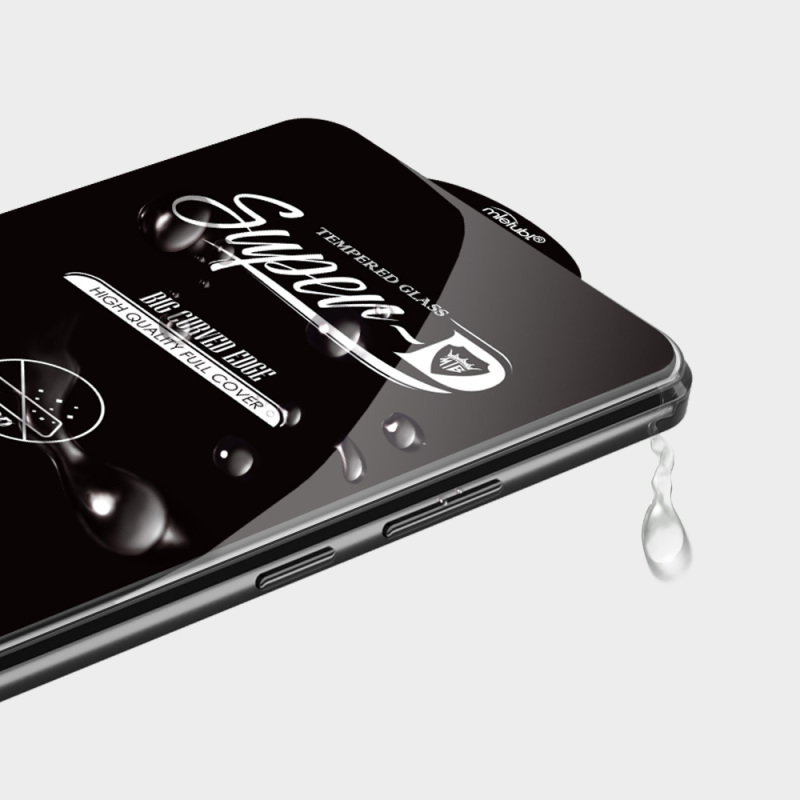
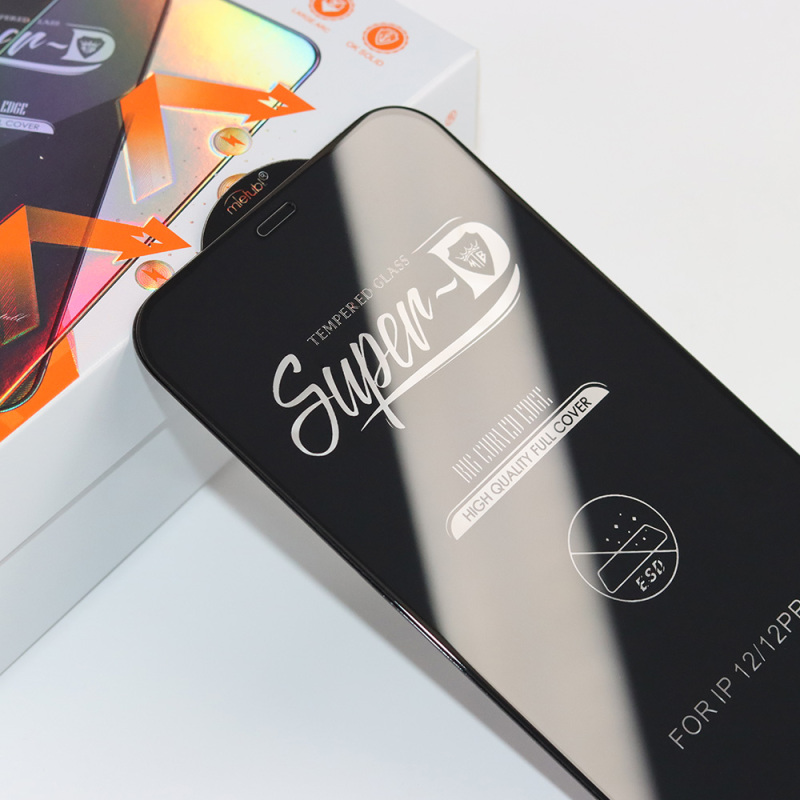
For a clear, non-privacy option, the Super D Tempered Glass Screen Protector emphasizes high transparency, full-screen curved coverage, fingerprint-resistant surface treatment, and OEM/ODM support. However, it should not be described as blue-light filtering because that function is not included in the approved specifications.
Common Questions
Does a privacy screen protector also filter blue light?
That should not be assumed. Privacy performance concerns side-angle visibility, while blue-light filtering requires separate supporting data.
Which privacy finish is better for fingerprint control?
The AG matte privacy option specifically identifies reduced fingerprints, oil, and sweat as part of its surface experience.
Can branding be personalized for wholesale orders?
Yes. The approved product information supports OEM/ODM customization, including options for logos, packaging, model lists, or product specifications depending on the selected protector.
Conclusion
Customize around the customer’s real objective: select privacy construction for side-view confidentiality, then personalize the surface, appearance, model coverage, and branding. For a blue-light-focused request, pause product labeling until measurable filtering evidence has been reviewed and approved.
About Mietubl
Mietubl is a Guangzhou-based mobile accessories brand whose name reflects its guiding idea: Make It Easier To Use, Better Life. With roots in the mobile accessories industry dating to 1998 and the MIETUBL brand registered in 2010, the company focuses on products that make everyday digital use simpler and more practical.
Its portfolio includes screen protectors, intelligent screen protector cutting machines, film materials, data cables, chargers, power banks, and audio accessories. By combining design, product development, manufacturing, and channel support, Mietubl works with distributors and retailers serving a broad range of mobile accessory needs, with products exported to more than 120 countries and regions.
For product information, samples, or distribution opportunities, contact Marketing@mietubl.com or visit www.mietubl.com.
Was this article helpful?
Your feedback helps us improve future articles.