
When a buyer requests a top mobile screen protector for a private-label range, the 360 Privacy Glass can fulfill that request through four-way privacy protection, clear front viewing, responsive touch, and OEM/ODM support. Rather than relying on an unsupported “number one” label, professional buyers should shape the product around their customers, branding, packaging, and commercial plan.
Start With the Customer’s Privacy and Branding Request
The customization process should begin with the problem the end customer wants solved. The 360 Privacy Glass is designed to block nearby viewing from the top, bottom, left, and right. This makes it relevant when customers regularly handle private messages, payment information, business documents, or other sensitive screen content in shared spaces.
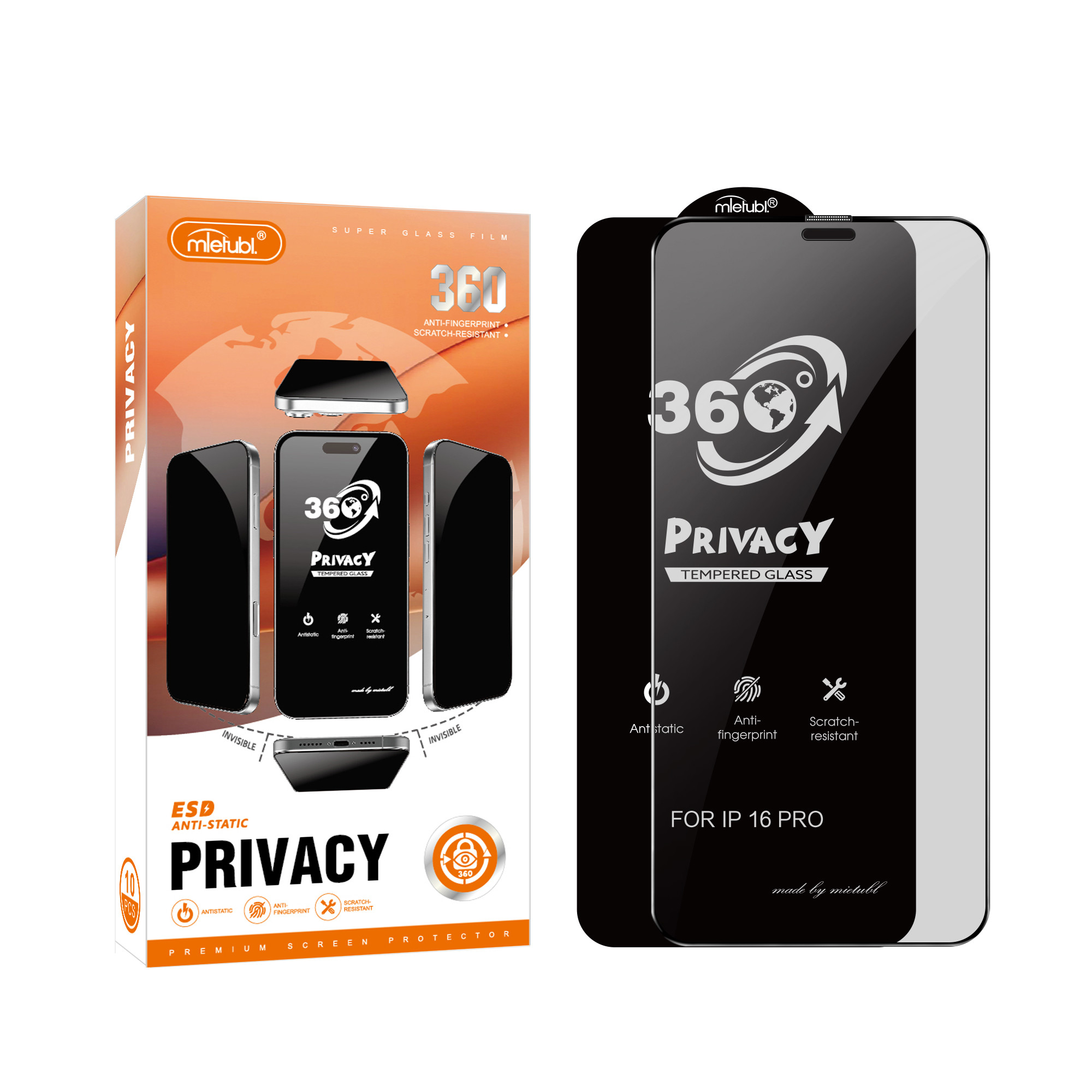
Buyers should define the intended audience and retail message before approving packaging. A business-user range may emphasize four-direction privacy, while a general consumer line may focus on privacy during commuting, travel, or public use. These positioning choices do not alter the approved product function, but they can make the offer easier for customers to understand.
Customize the Product Story Around Real Use
Privacy protection must be balanced with the owner’s viewing experience. The product uses a 28-degree privacy structure and is intended to remain clear and bright when viewed from the front. Its approved selling points also include natural color, responsive touch, and compatibility with Face ID use.
Distributors should avoid presenting privacy glass as universally ideal for every shopper. Customers who frequently share their screens may prefer a standard clear protector. Customers who prioritize controlled screen visibility may find four-way privacy more suitable. This use-based explanation is more credible than claiming that one protector ranks first for every application.
Shape Packaging and Order Details With the Buyer
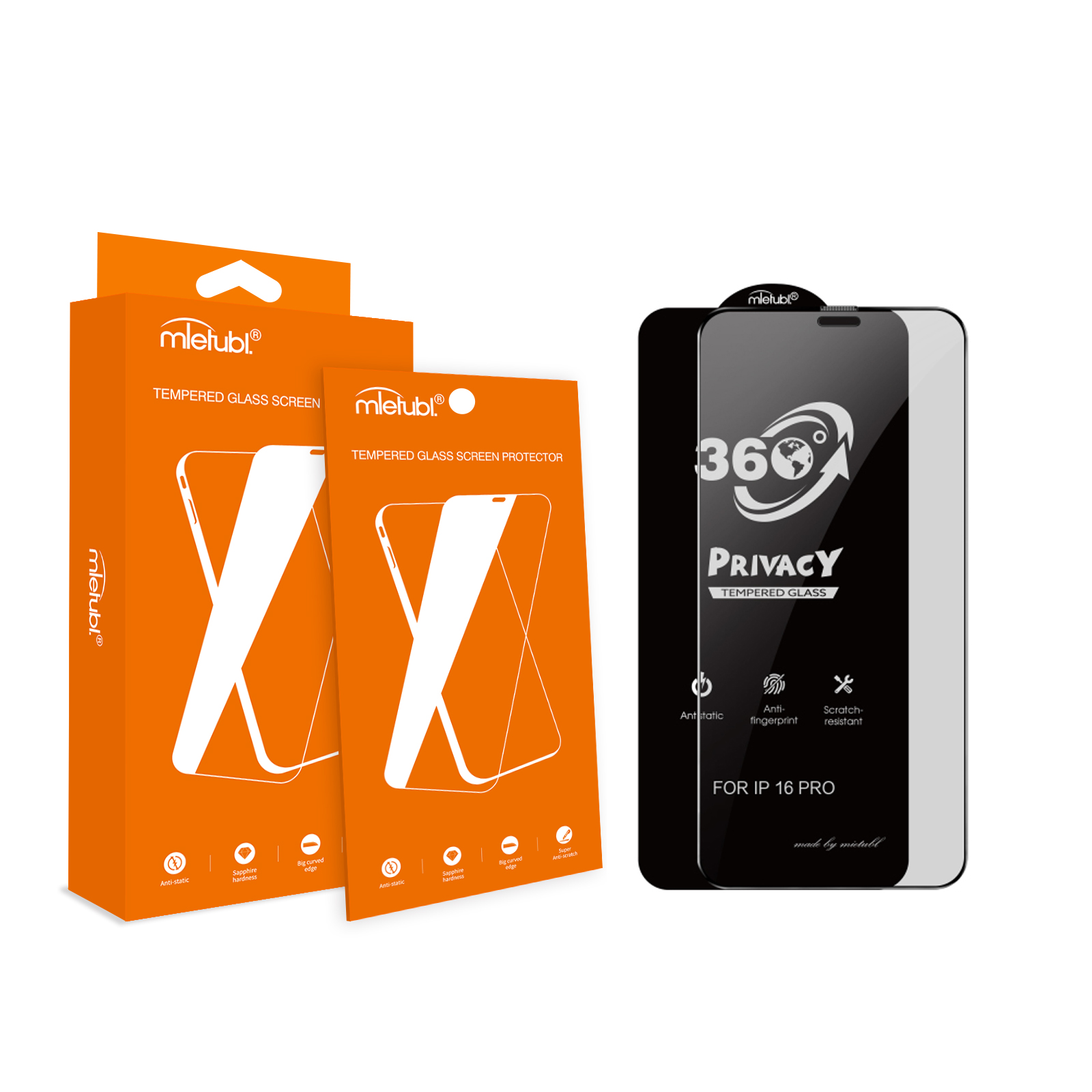
The product supports OEM/ODM service, customized packaging, and small-batch purchasing. Buyers can therefore participate in decisions such as brand presentation, packaging language, privacy-feature explanations, and the information hierarchy on the retail pack. Final artwork, target phone models, labeling requirements, and packing details should be confirmed before production.
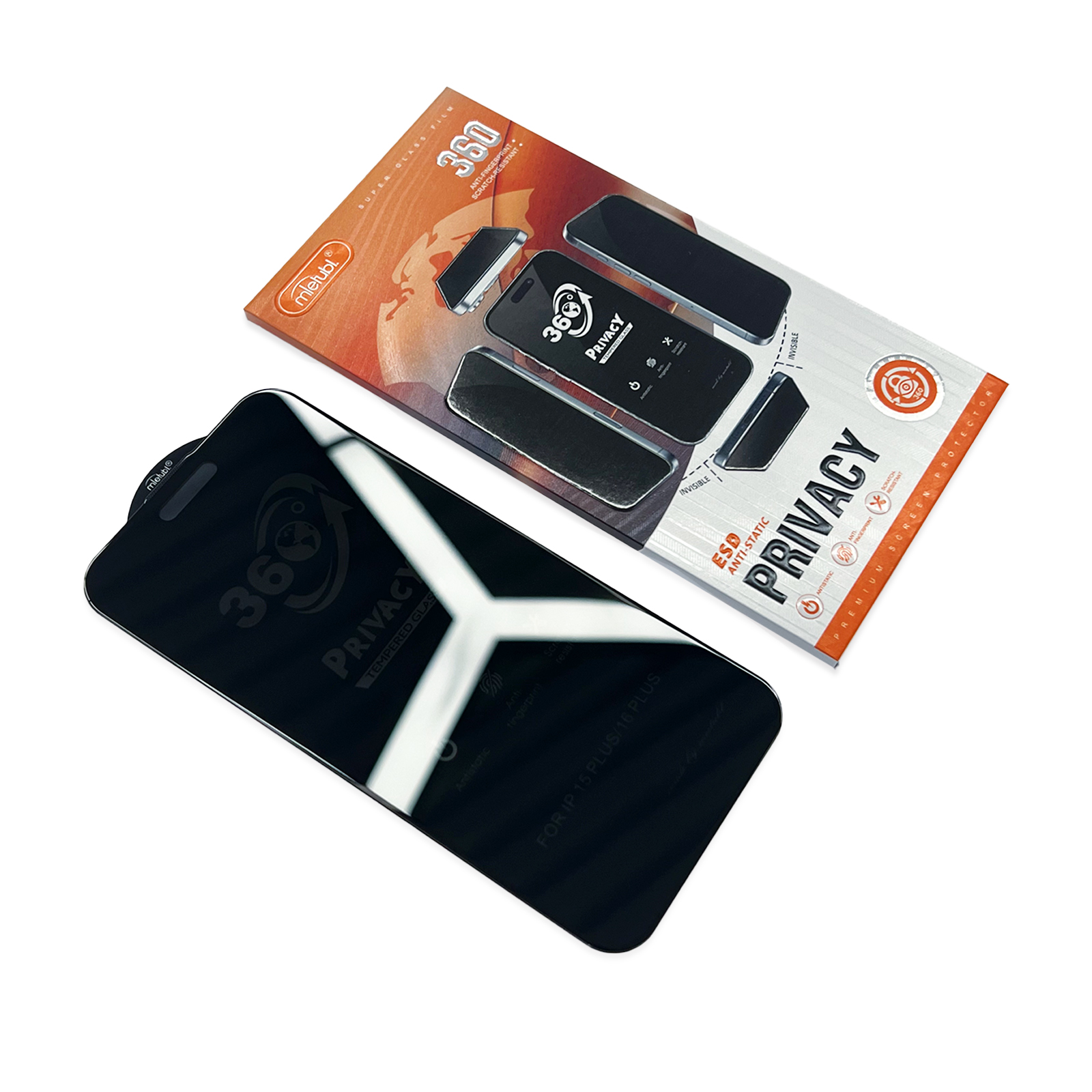
The stated minimum order quantity is 500 pieces, with a stated delivery time of 30 days. Buyers should verify whether these terms apply to the required model range, packaging configuration, and artwork schedule. Custom packaging approval may also need to be included in the purchasing timeline.
Decision Criteria for a Customized Privacy Glass Line
- Privacy direction: Confirm that four-way viewing control matches the intended customer rather than choosing privacy glass only for marketing differentiation.
- Front-view usability: Evaluate the need for clear direct viewing, natural color, responsive touch, and Face ID use.
- Installation experience: The approved design includes antistatic and anti-bubble characteristics intended to make fitting easier, with firm adhesion and reduced residue during removal.
- Customization scope: Agree on OEM/ODM requirements, packaging content, brand assets, and order details before final approval.
These criteria help buyers define what “top” means for their own channel. A product may be a strong candidate when its privacy function, user experience, presentation, and purchasing terms all match the planned market position.
Common Questions About Custom 360 Privacy Glass
Can buyers call this the number one mobile screen protector?
No universal ranking is established by the available product information. Buyers should describe the supported functions directly and position it as a best-fit option for customers seeking four-way privacy.
What elements can be personalized?
The approved service scope includes OEM/ODM and customized packaging. Buyers should confirm branding, artwork, package wording, target models, and other requested details during order review.
Is this product suitable for every retail customer?
Not necessarily. It may suit privacy-conscious users in public or shared environments, while customers prioritizing unrestricted side viewing may prefer a clear screen protector. Retailers can use this distinction to guide selection.
Conclusion
The 360 Privacy Glass should be selected as a customizable privacy solution, not promoted through an unverified first-place claim. It is a practical private-label candidate when customers need four-direction privacy and the buyer wants to participate in packaging, branding, and order planning. Confirm the target user, model requirements, artwork, and commercial details before approving the final product line.
About Mietubl
Mietubl is a Guangzhou-based mobile accessories brand whose name reflects its guiding idea: Make It Easier To Use, Better Life. With roots in the mobile accessories industry dating to 1998 and the MIETUBL brand registered in 2010, the company focuses on products that make everyday digital use simpler and more practical.
Its portfolio includes screen protectors, intelligent screen protector cutting machines, film materials, data cables, chargers, power banks, and audio accessories. By combining design, product development, manufacturing, and channel support, Mietubl works with distributors and retailers serving a broad range of mobile accessory needs, with products exported to more than 120 countries and regions.
For product information, samples, or distribution opportunities, contact Marketing@mietubl.com or visit www.mietubl.com.
Was this article helpful?
Your feedback helps us improve future articles.