
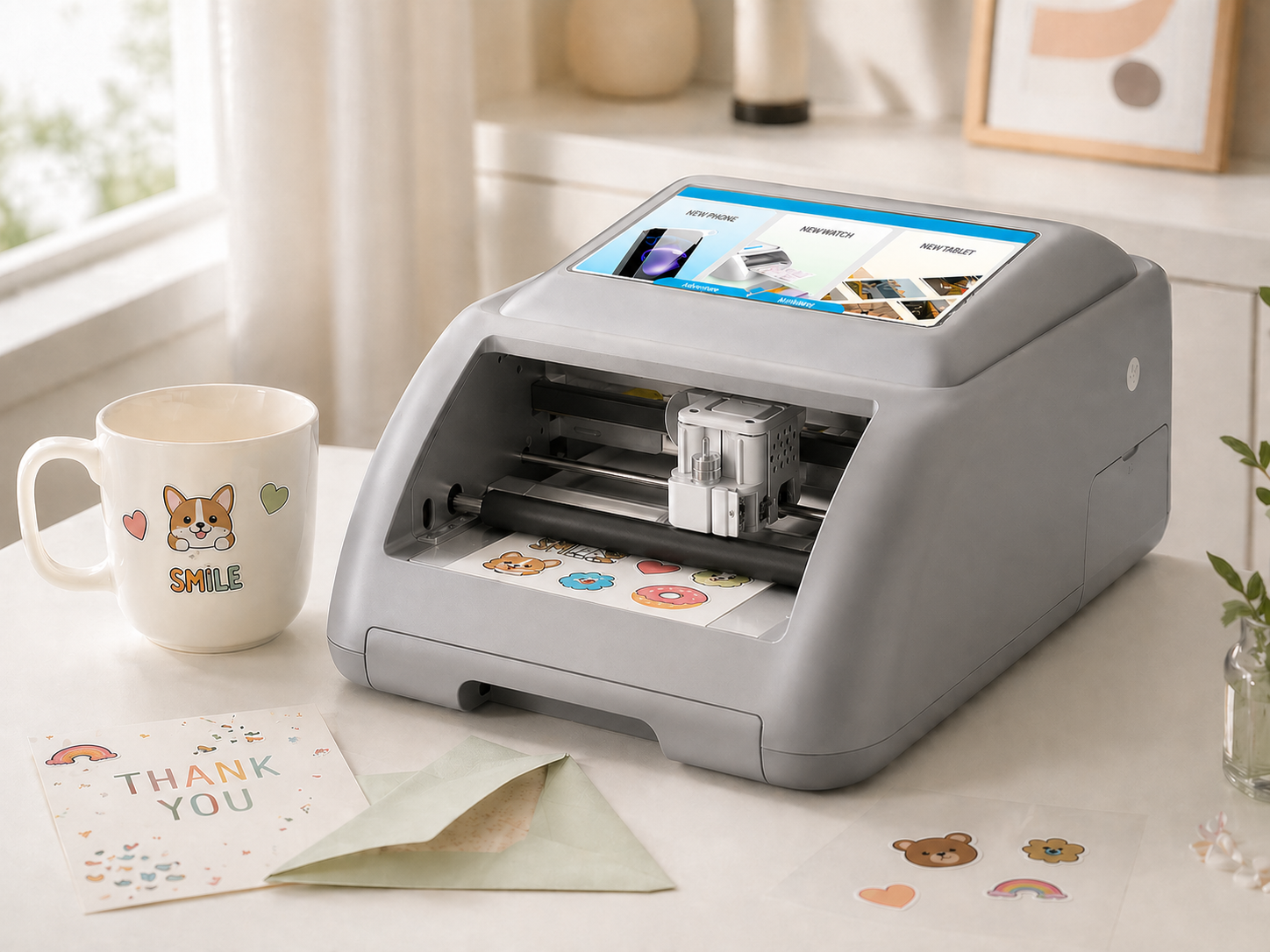
Yes, the MTB-CUT M888 may be suitable as a fully automatic integrated cutting machine, but approval should depend on representative sample testing rather than specifications alone. Its integrated printing and cutting workflow, 300 DPI resolution, and approximately 0.1 mm contour-cutting capability support varied output applications. Buyers should still test their actual media, designs, and finishing requirements before confirming that the machine meets commercial acceptance standards.
Make Sample Validation the Purchase Decision
The M888 combines printing and cutting in one device, reducing the need to move work between separate machines. This can simplify a store or studio workflow, but integration does not remove material-related risk. A media that feeds correctly may still produce unacceptable color, adhesion, edge quality, or contour alignment.
Use the following decision criteria before approval:
- Material compatibility: Test the exact media grades, coatings, and thicknesses intended for production.
- Representative designs: Include fine details, curved contours, solid colors, photographs, and irregular shapes.
- Finished-output acceptance: Define acceptable print appearance, edge condition, alignment, and handling durability.
- Workflow repeatability: Run multiple samples rather than accepting one successful output.
- Inspection alignment: Confirm how production inspection criteria will relate to the approved sample.
Build a Representative Material Test Set
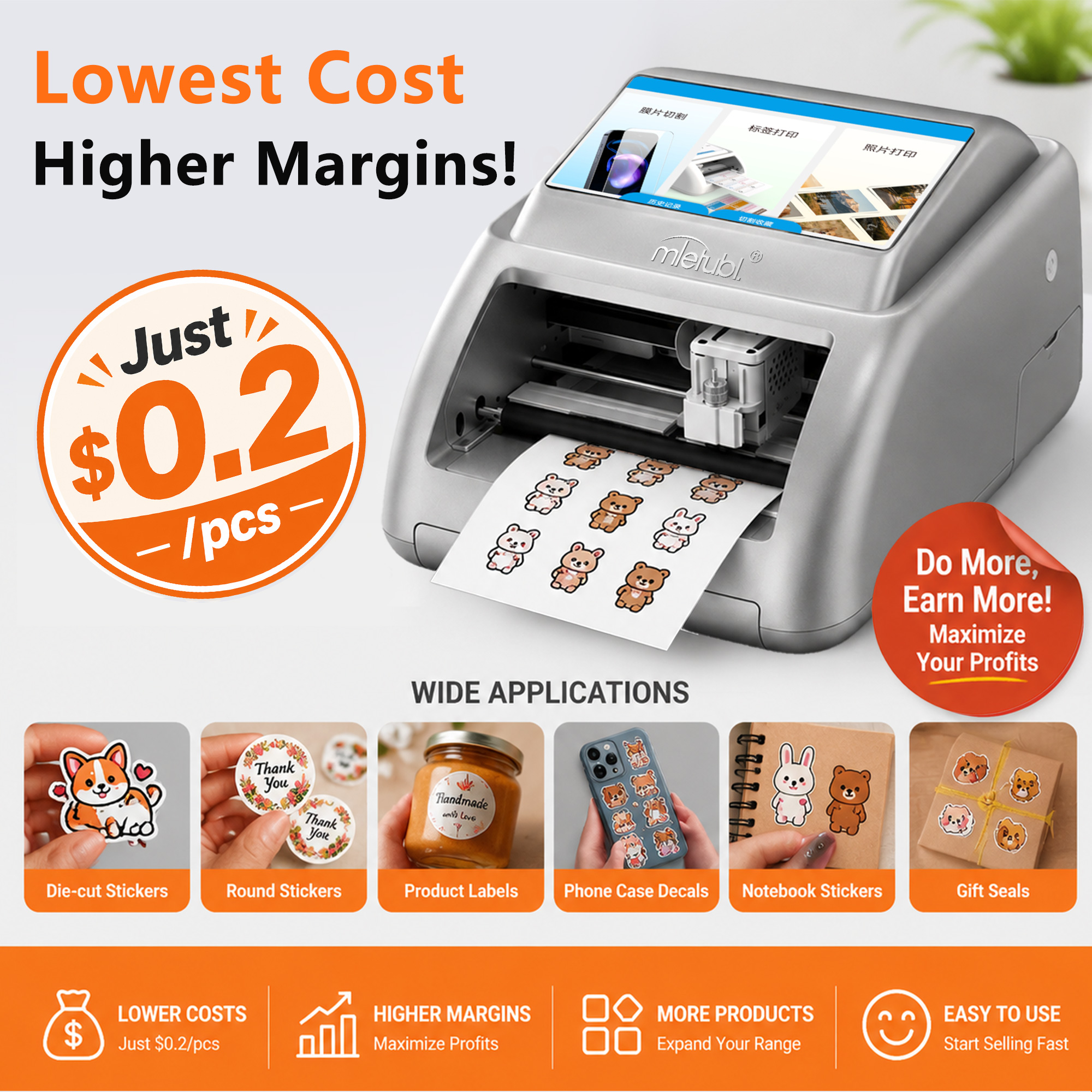
The approved product information identifies phone back films, protective films, photographs, labels, and greeting cards as supported applications. These categories should not be treated as proof that every material within them will perform identically. Coating, surface finish, stiffness, storage condition, and supplier variation can affect both printing and cutting.
A practical sample set should include the buyer’s primary material, the most difficult material expected in routine use, and at least one alternate batch or supplier where applicable. Each sample should use the intended finished size and normal artwork rather than a simplified demonstration file.
The machine has a listed feed width of 160 mm, a cutting width of 138 mm, and a specified paper size of 100 × 148 mm. Buyers should verify that usable layouts, registration areas, and margins fit within these limits. Nominal media width alone does not establish the final printable or cuttable design area.
Test Print and Contour Cutting as One Process
Because the M888 integrates printing and cutting, output acceptance should evaluate the complete sequence. Testing print quality and cutting separately may miss alignment issues that appear only in the finished piece.
The machine is described as using high-definition thermal-sublimation printing, with fine color presentation and output intended to resist water and fading. These buyer-value points should be checked on the selected media under the buyer’s expected handling conditions. The source does not define a universal test duration or exposure method, so purchasers should establish their own acceptance procedure.
For contour cutting, the listed capability is up to approximately 0.1 mm precision. A sample should include straight edges, small radii, internal corners, and irregular sticker outlines. Acceptance should be based on visible finished results and buyer-defined tolerances, not solely on the nominal precision figure.
Set Output Acceptance Before the Trial
Sample evaluation is more reliable when pass-or-fail conditions are documented before testing. Buyers can specify whether minor edge marks, color variation, or contour offset are acceptable for each product category. Premium photo output may require different criteria from labels or phone back films.
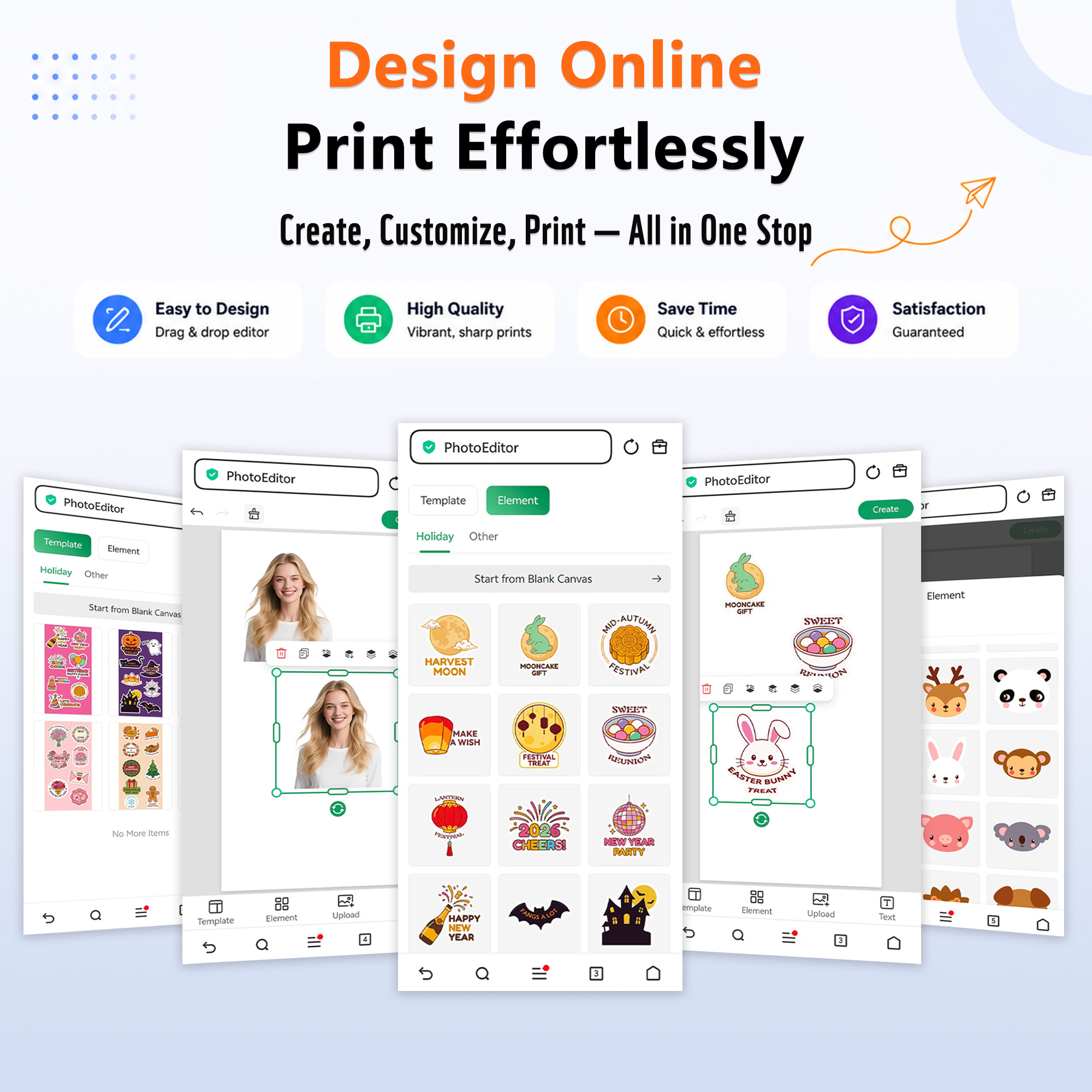
Record the material name, batch, artwork file, template, operator steps, and observed result for every trial. The M888 includes built-in templates, image upload, AI background removal, and AI design-generation functions, but automated design tools should not replace validation with final customer artwork.
The listed quality inspection method is GB/T2828.1. Buyers should confirm the inspection level, sampling arrangement, defect categories, and acceptance limits that will apply to an order. An approved pre-production sample can also serve as a visual reference, provided both parties agree on how it will be used.
Common Questions About M888 Validation
Can one successful sample confirm material compatibility?
No. One result shows that a specific material and file worked under one set of conditions. Multiple runs can provide better evidence of repeatability and reveal feeding, alignment, or finishing variation.
Which sample should be tested first?
Start with the material and design expected to represent the largest share of production. Then test the most demanding combination, such as fine contours, dense color, or an irregular shape.
Does integrated printing and cutting eliminate operator checks?
No. Integration can reduce equipment changes and process steps, but operators should still verify material loading, artwork setup, finished alignment, and output condition.
Conclusion
The MTB-CUT M888 should be approved when representative media and real artwork consistently produce acceptable finished pieces through the complete print-and-cut workflow. Define acceptance conditions first, test more than one sample, and retain the approved output as the reference for procurement and subsequent quality review.
About Mietubl
Mietubl is a Guangzhou-based mobile accessories brand whose name reflects its guiding idea: Make It Easier To Use, Better Life. With roots in the mobile accessories industry dating to 1998 and the MIETUBL brand registered in 2010, the company focuses on products that make everyday digital use simpler and more practical.
Its portfolio includes screen protectors, intelligent screen protector cutting machines, film materials, data cables, chargers, power banks, and audio accessories. By combining design, product development, manufacturing, and channel support, Mietubl works with distributors and retailers serving a broad range of mobile accessory needs, with products exported to more than 120 countries and regions.
For product information, samples, or distribution opportunities, contact Marketing@mietubl.com or visit www.mietubl.com.
Was this article helpful?
Your feedback helps us improve future articles.